
Grande Guida del Québec
Guida turistica
Scoprite una selezione di quasi 200 luoghi imperdibili da visitare in Québec.
Browse by activity
101 risultati
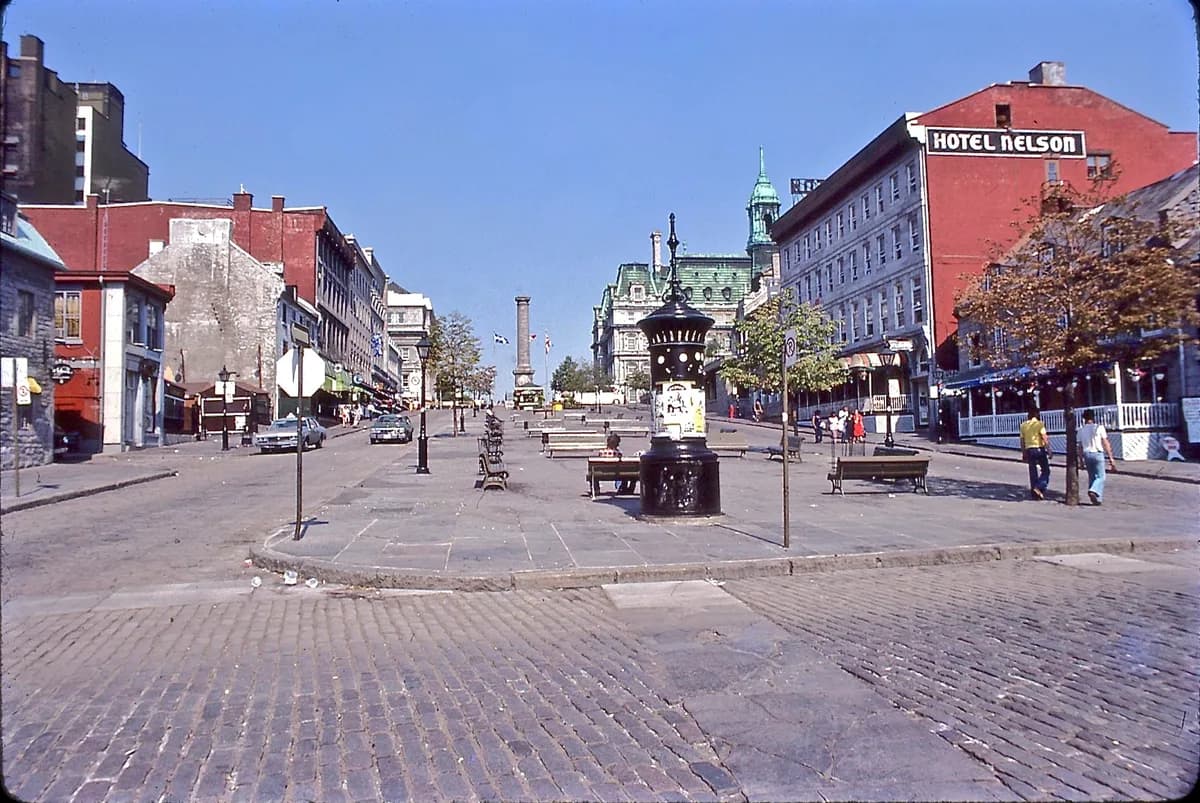
Old Montréal and Place Jacques-Cartier
The historic and touristic heart of Montréal, Place Jacques-Cartier is a gently sloping cobblestone esplanade lined with restaurants and 19th-century buildings, linking City Hall to the Old Port.
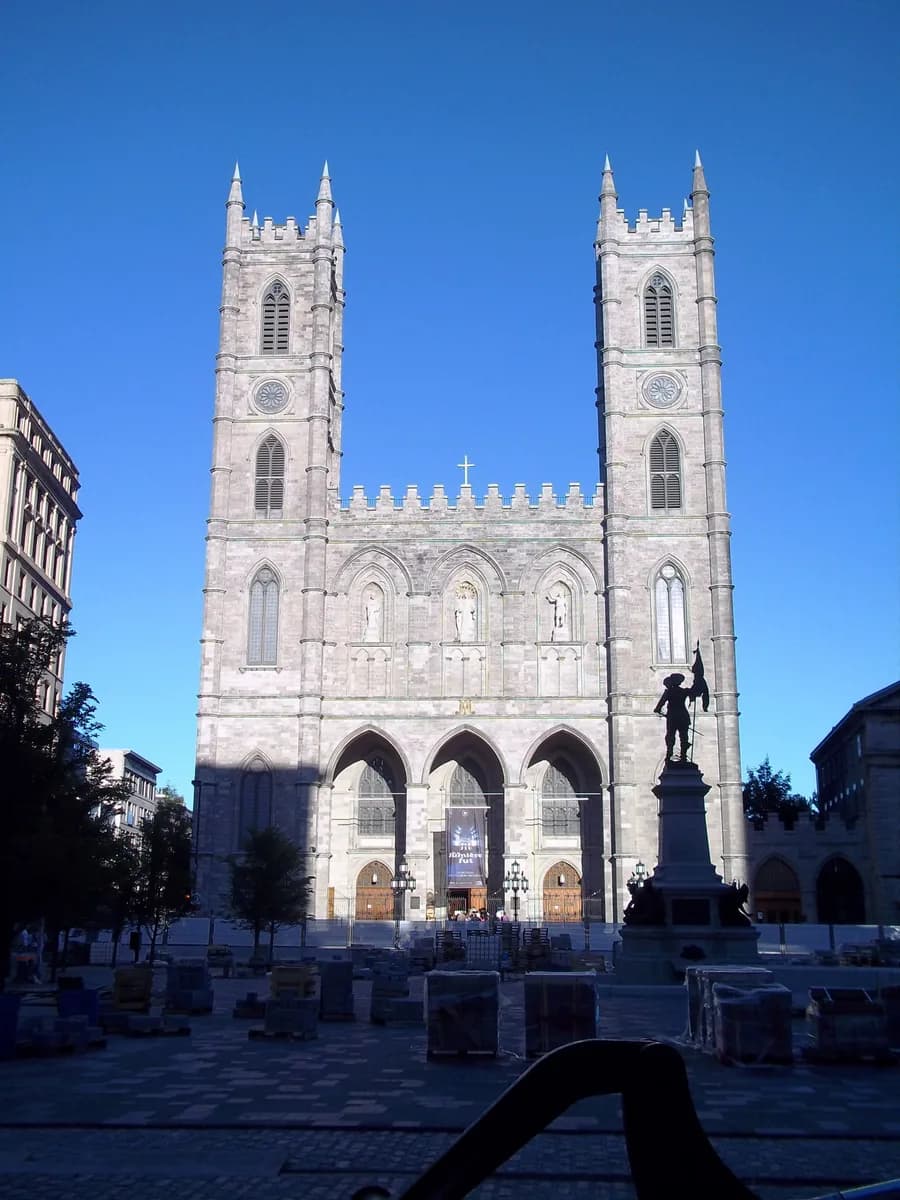
Notre-Dame Basilica of Montréal
Montréal's mother church and a Neo-Gothic masterpiece, Notre-Dame Basilica impresses with its richly carved wood interior, stained-glass windows, and monumental Casavant organ.
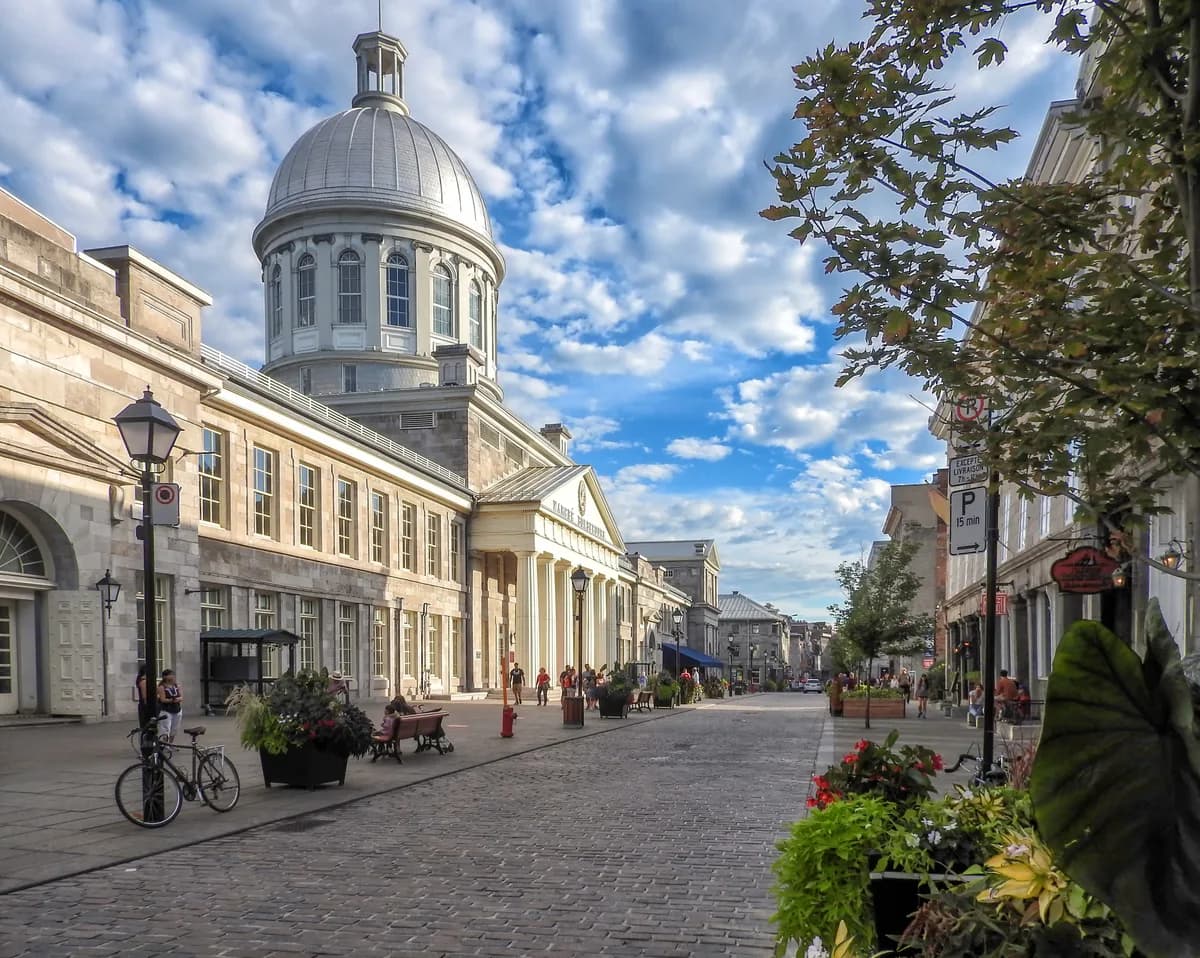
Bonsecours Market
An elegant Neoclassical building topped with a silver dome, Bonsecours Market today houses Québec craft boutiques, restaurants, and exhibition halls in the heart of Old Montréal.
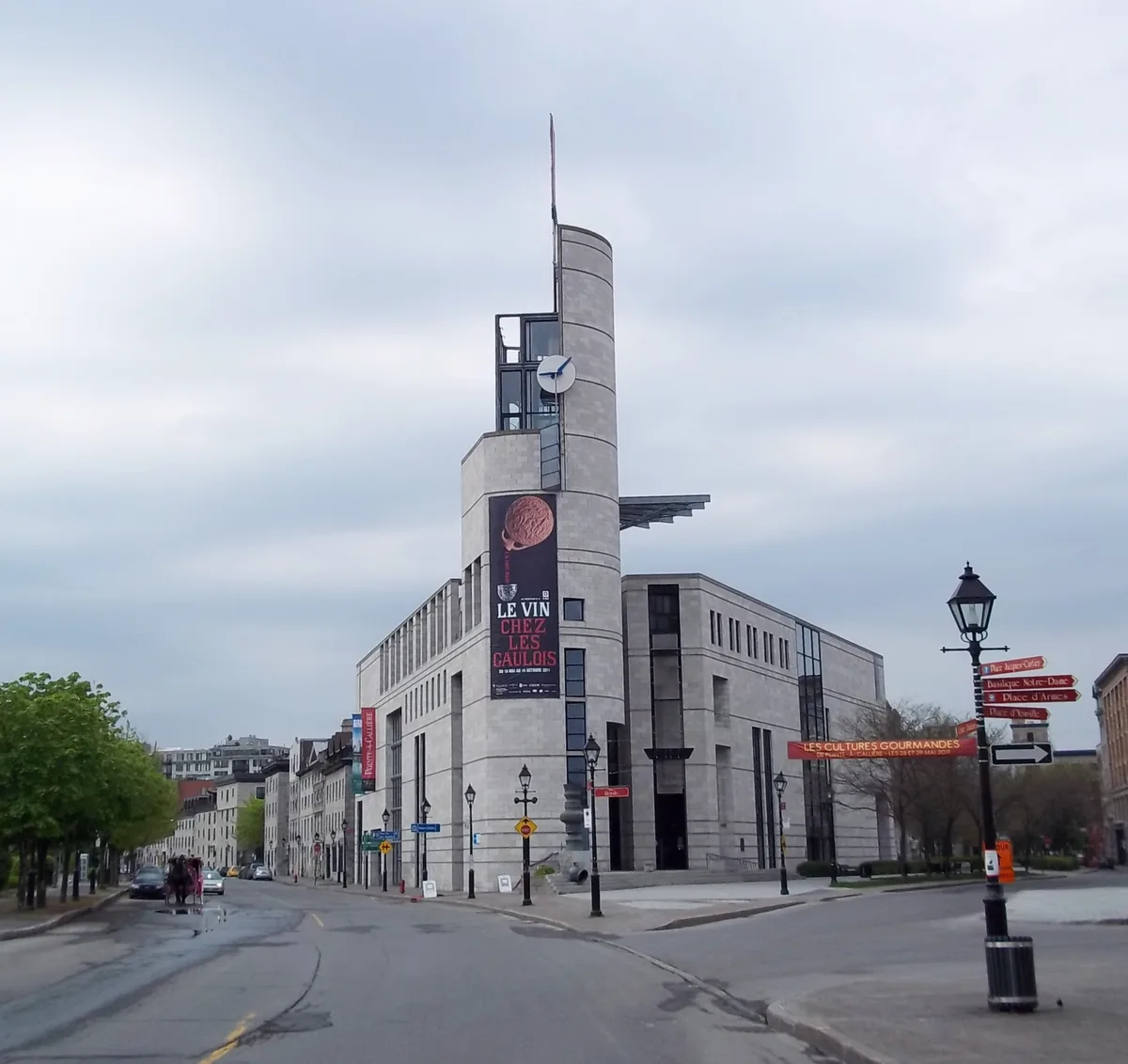
Pointe-à-Callière, Montréal Archaeology and History Complex
Built directly on the archaeological site where Montréal was founded in 1642, this museum—unique in Canada—lets visitors descend below street level to explore authentic remains.
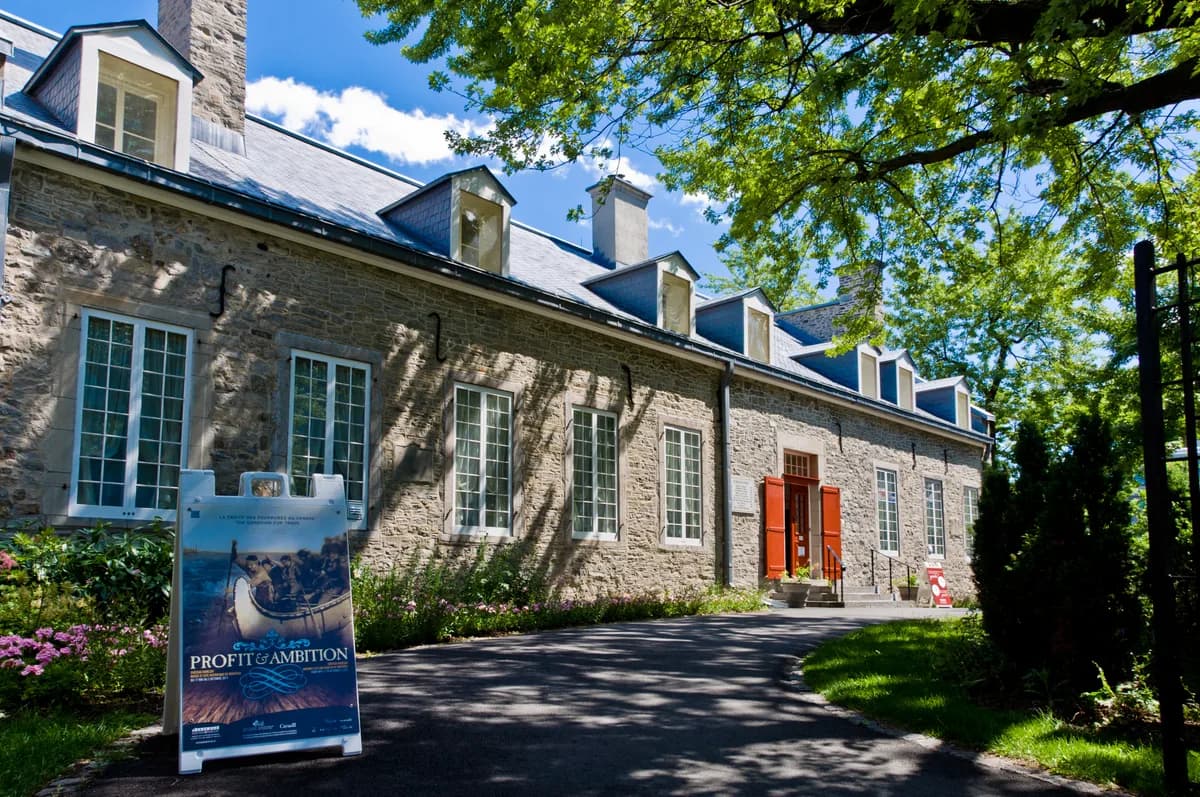
Château Ramezay — Montréal Museum and Historic Site
The first building in Québec to be designated a historic monument, Château Ramezay offers a journey through 500 years of Montréal history, complemented by a New France–style garden.
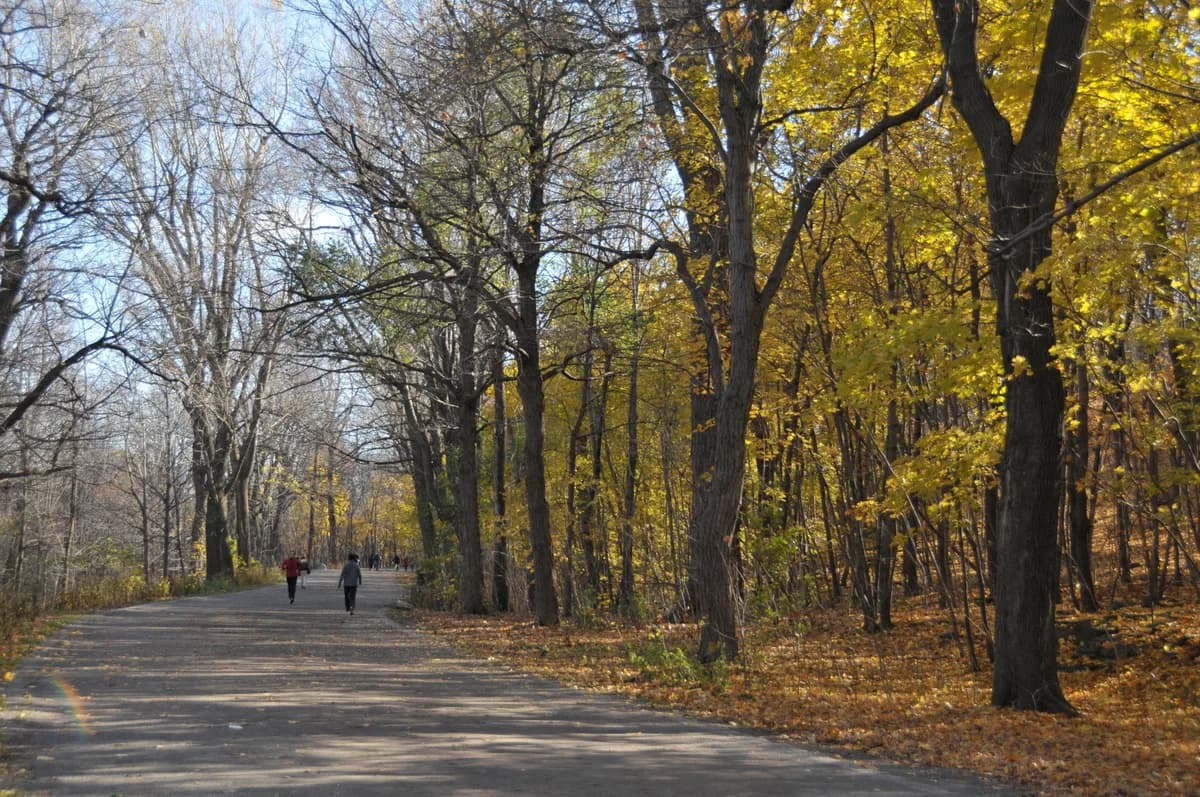
Mount Royal Park
A vast green space designed by famed landscape architect Frederick Law Olmsted (also the designer of New York's Central Park), Mount Royal offers spectacular views over the city and is home to the Kondiaronk lookout, the park's most visited spot.
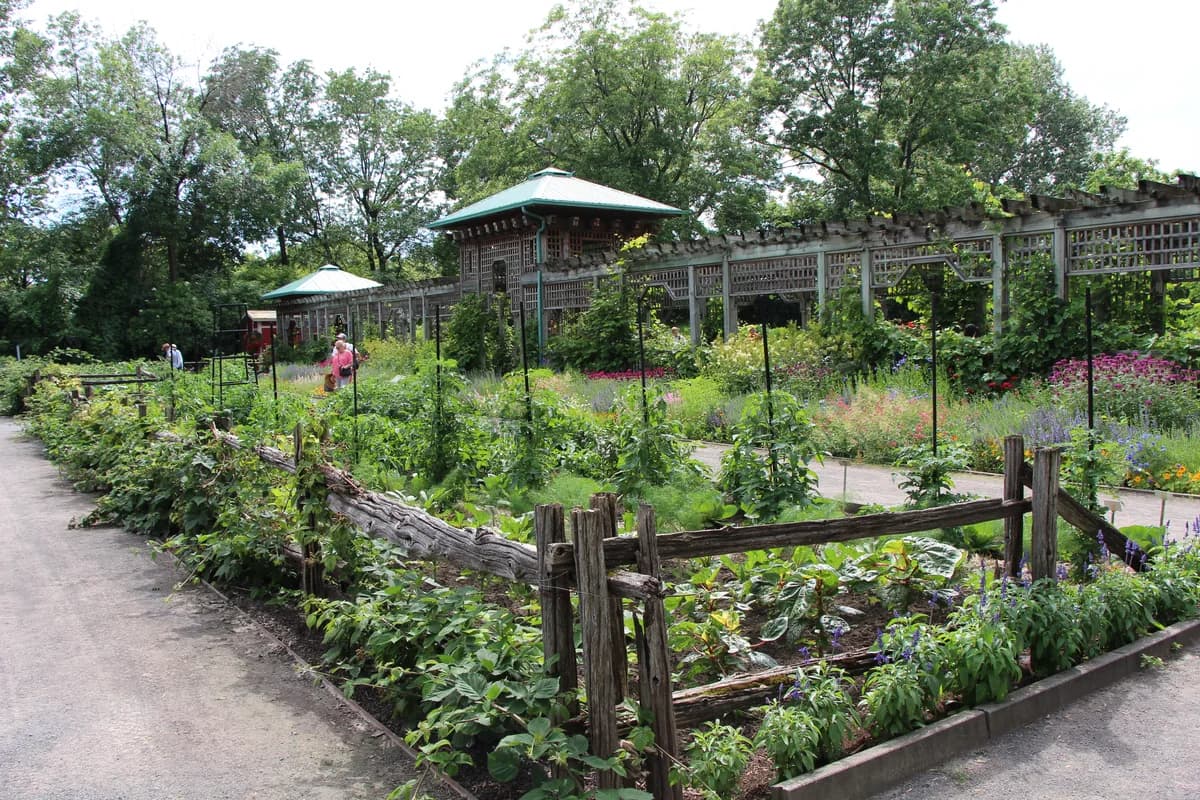
Montréal Botanical Garden
One of the world's leading botanical gardens, spanning 75 hectares with 22,000 plant species, 10 exhibition greenhouses, and some thirty themed gardens, including the renowned Chinese and Japanese gardens.
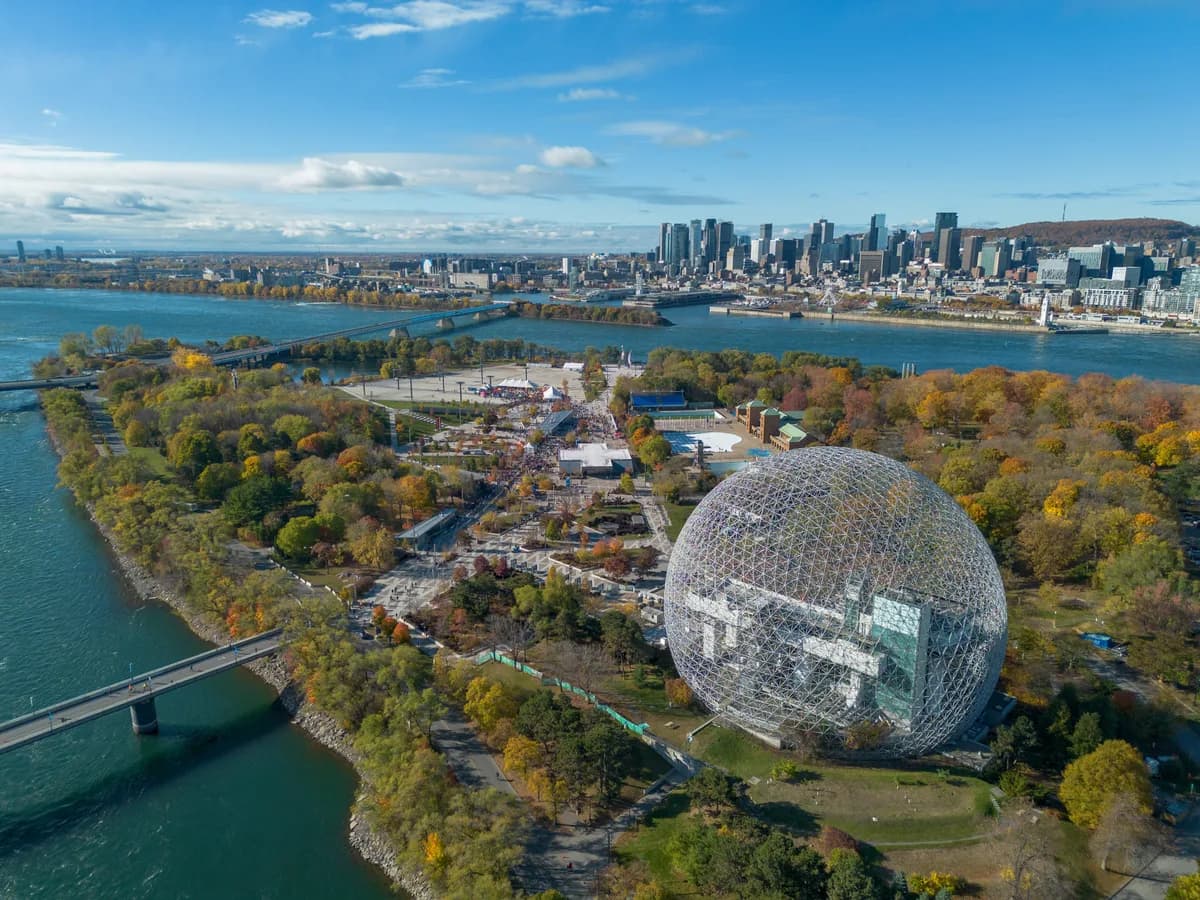
Jean-Drapeau Park (Saint Helen's Island and Notre Dame Island)
An archipelago of islands built up in the St. Lawrence, host of the 1967 World's Fair and today a public park home to the Biosphère, the Formula 1 racetrack, and La Ronde amusement park.
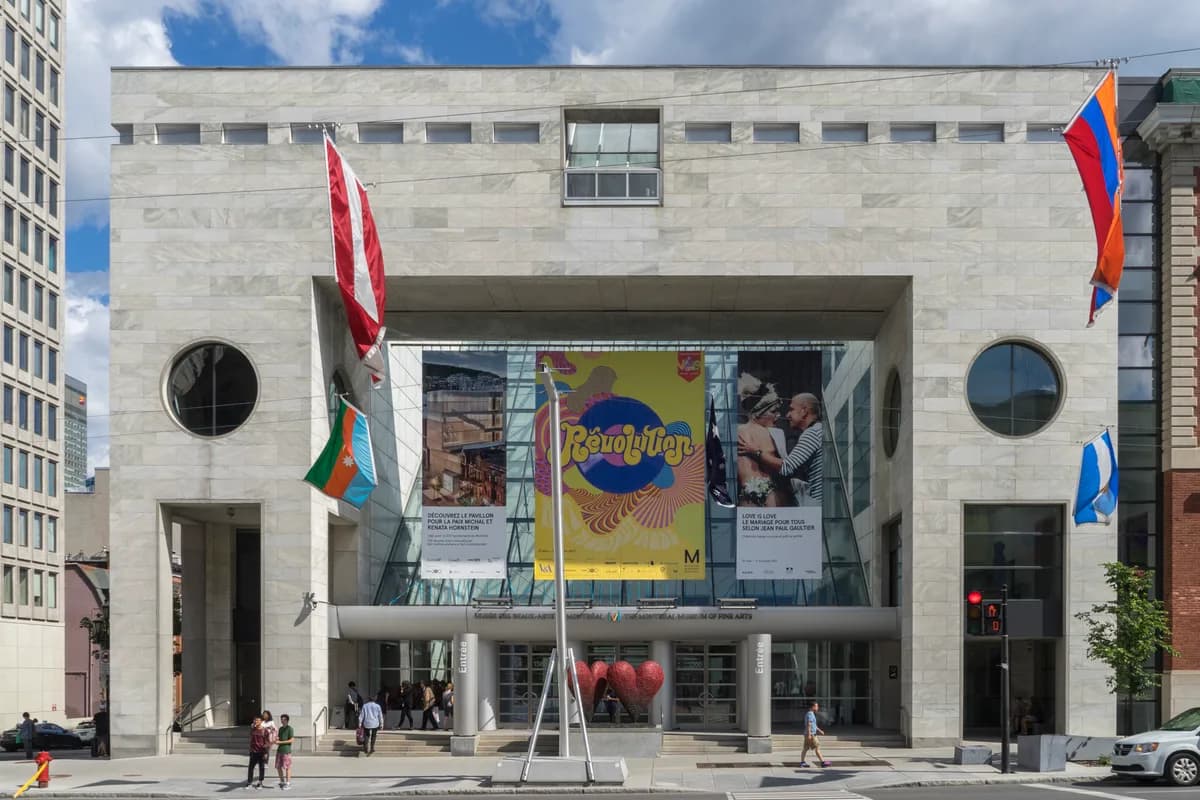
Montréal Museum of Fine Arts
Québec's oldest and largest art museum, the MMFA brings together nearly 47,000 works across five pavilions, including a former church converted into a Canadian art exhibition space.
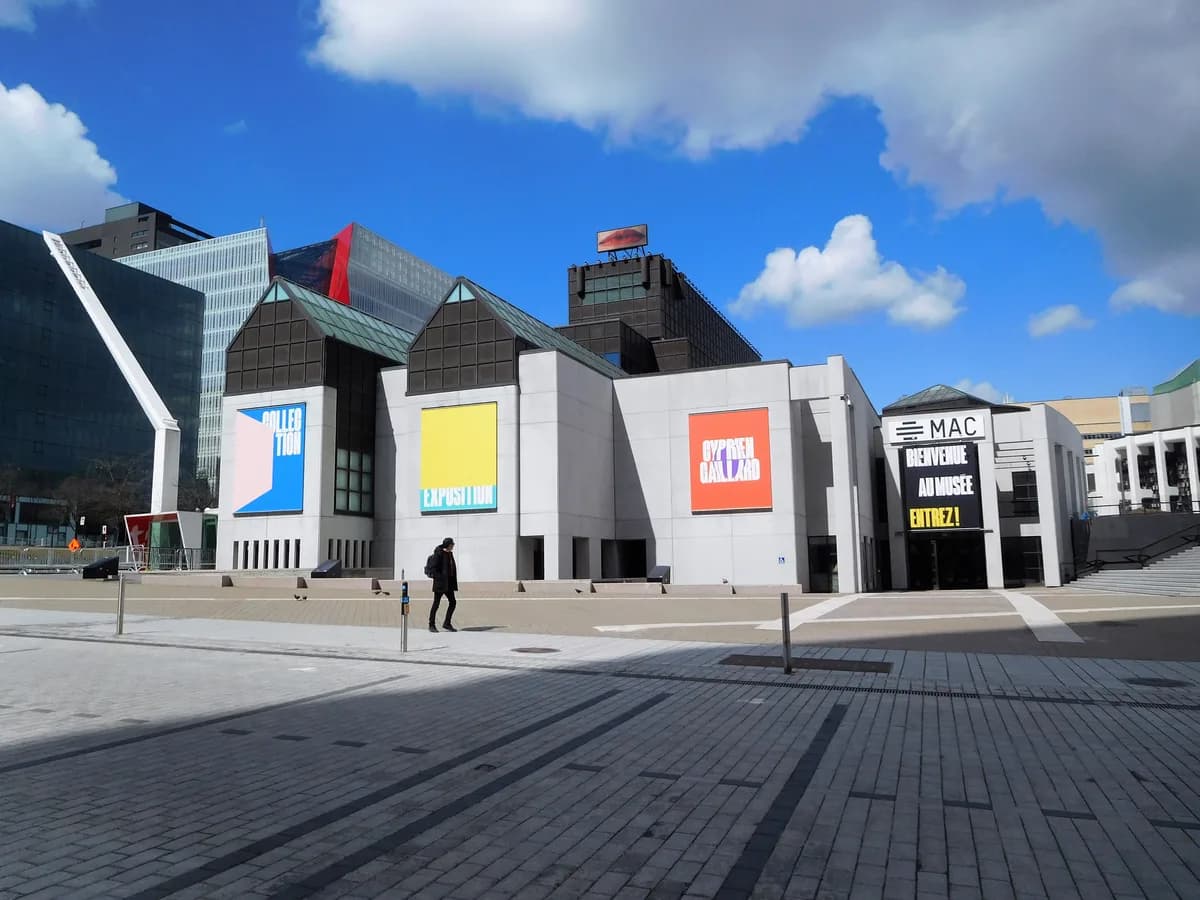
Montréal Museum of Contemporary Art
Canada's only museum entirely dedicated to contemporary art, featuring a permanent collection of more than 8,000 works alongside exhibitions by Québec and international artists.
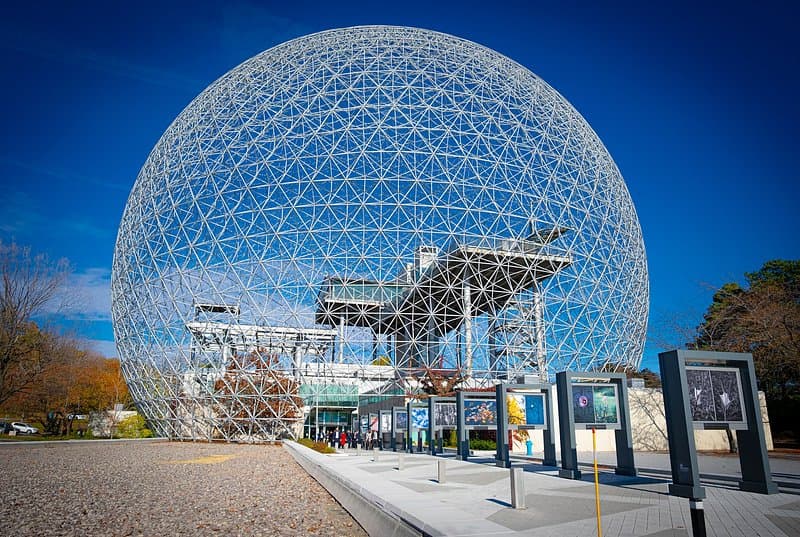
Biosphère
An iconic geodesic structure designed by architect Richard Buckminster Fuller for the United States Pavilion at Expo 67, now dedicated to environmental awareness.
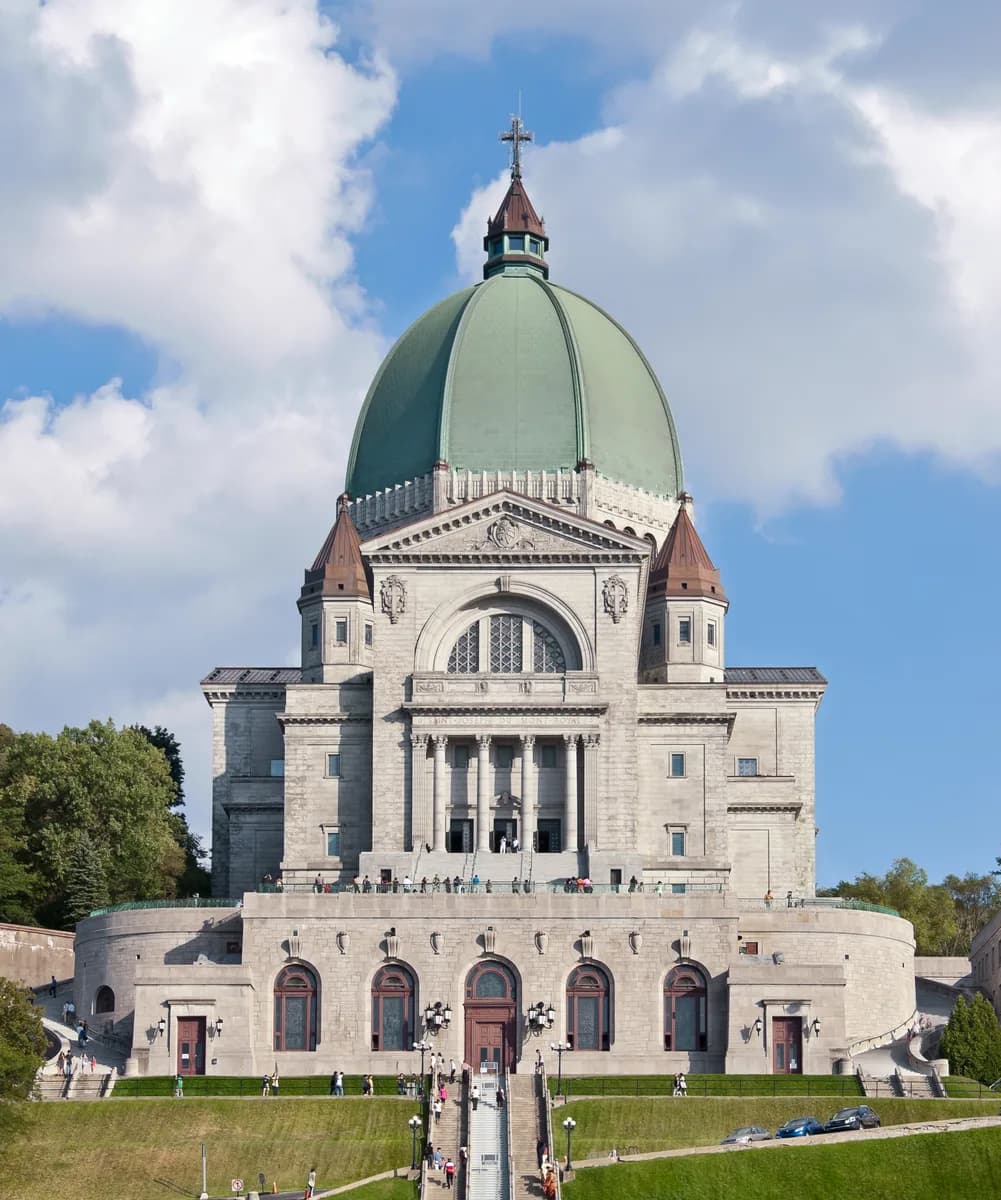
Saint Joseph's Oratory of Mount Royal
The world's largest sanctuary dedicated to Saint Joseph, founded by Brother André, the Oratory welcomes about two million pilgrims and visitors each year and forms the highest visible point on the Montréal skyline.
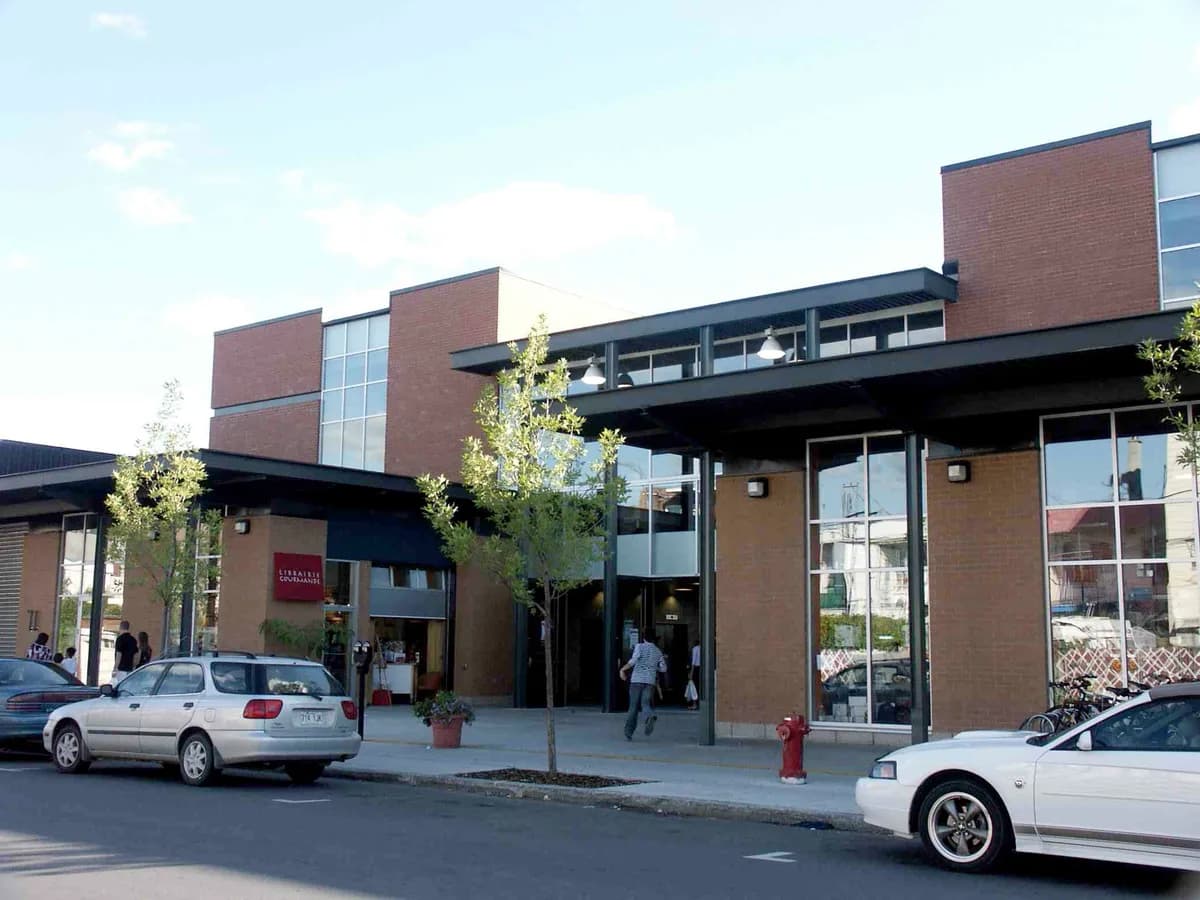
Jean-Talon Market
One of the largest open-air public markets in North America, at the heart of Little Italy, where market gardeners, cheesemakers, and culinary artisans have gathered since 1933.
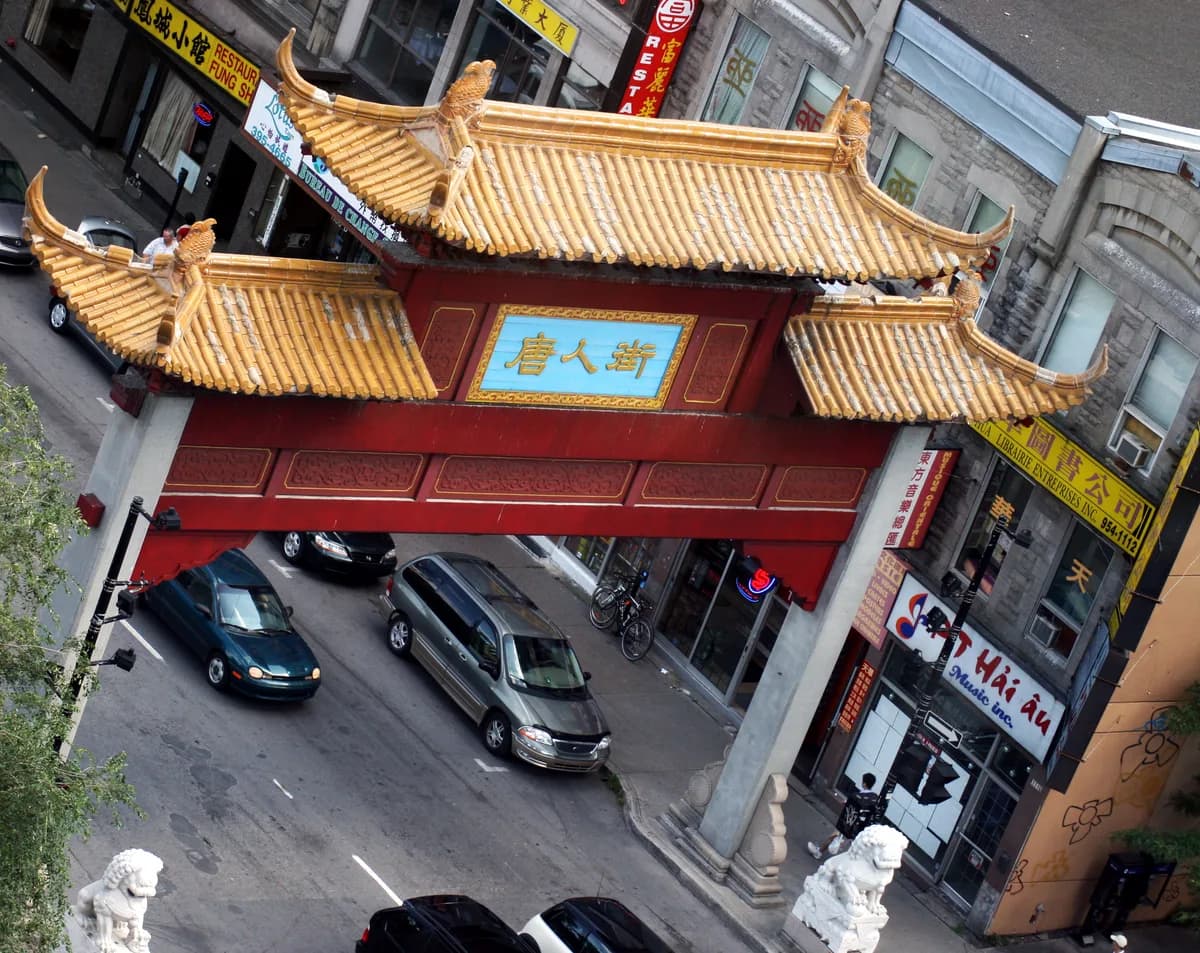
Montréal's Chinatown
Canada's oldest still-active Chinatown, recognizable by its monumental arches, concentrating restaurants, grocery stores, and cultural associations since the late 19th century.
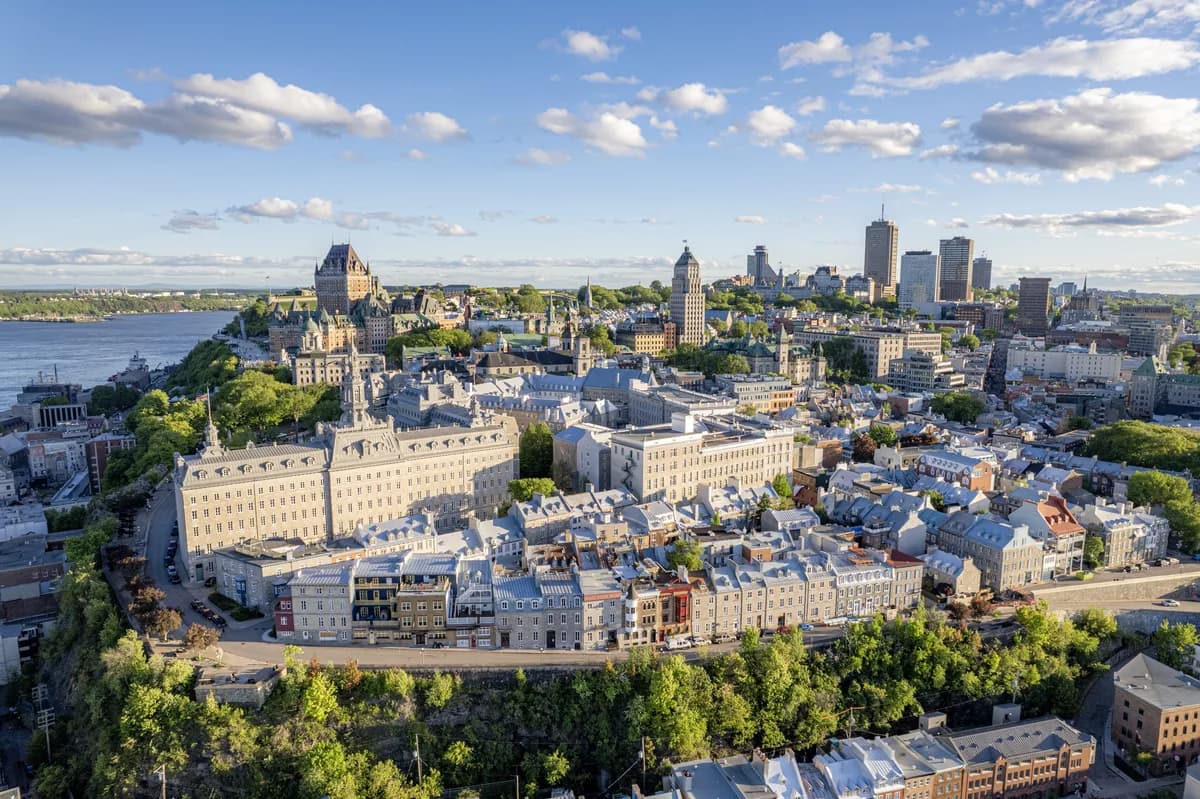
Old Québec (Historic District, UNESCO World Heritage Site)
The only fortified city north of Mexico, Old Québec invites exploration of its small cobblestone streets, blending French, British, and Indigenous influences in a setting that has inspired many filmmakers.
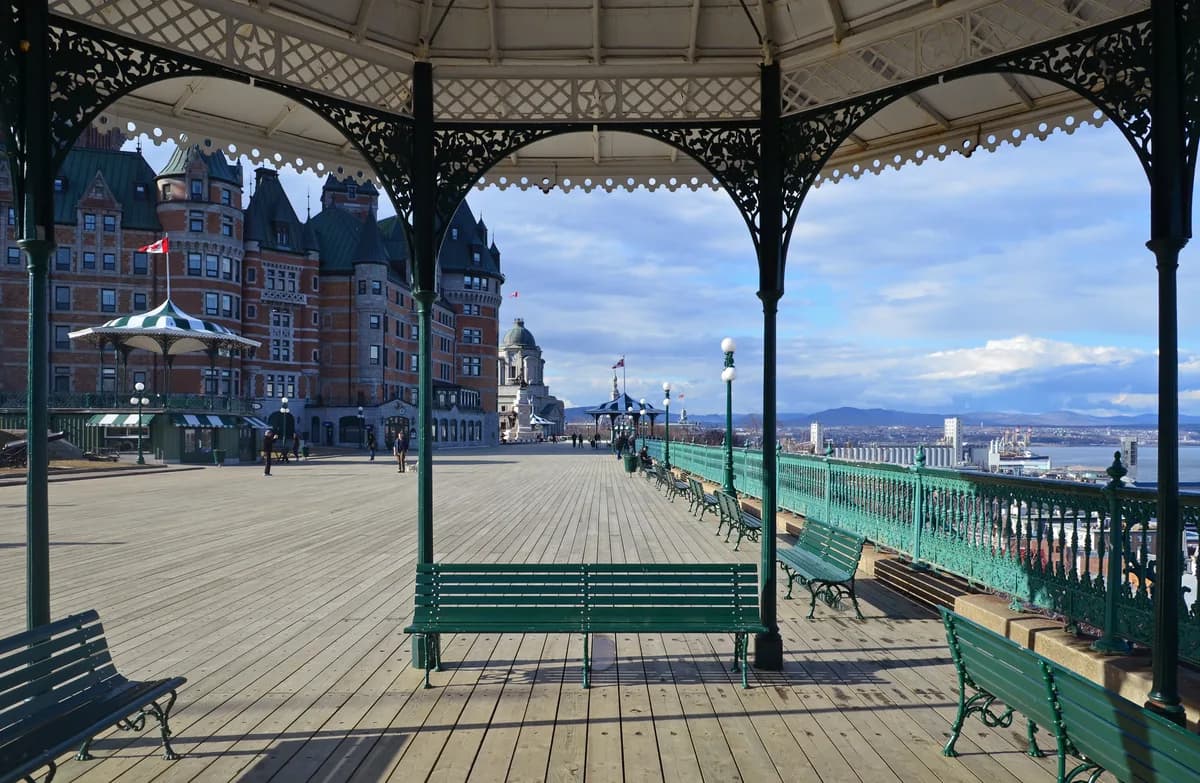
Château Frontenac and Dufferin Terrace
Said by enduring tourist legend to be the most photographed hotel in the world, Château Frontenac crowns Cap Diamant and remains the most immediate visual symbol of Québec City.
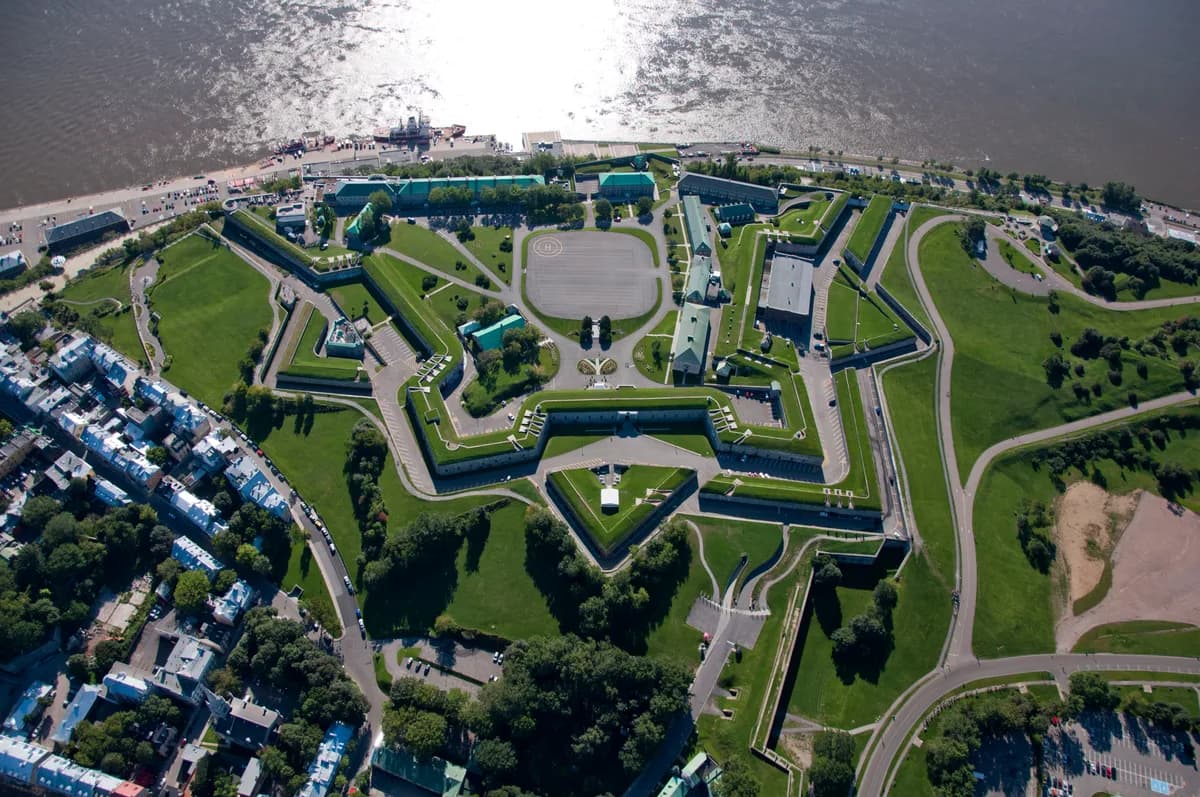
Citadelle of Québec
The largest British military structure in North America, nicknamed the "Gibraltar of America," the Citadelle remains an active military base, home to the Royal 22e Régiment, the only French-speaking unit of the Canadian Armed Forces.
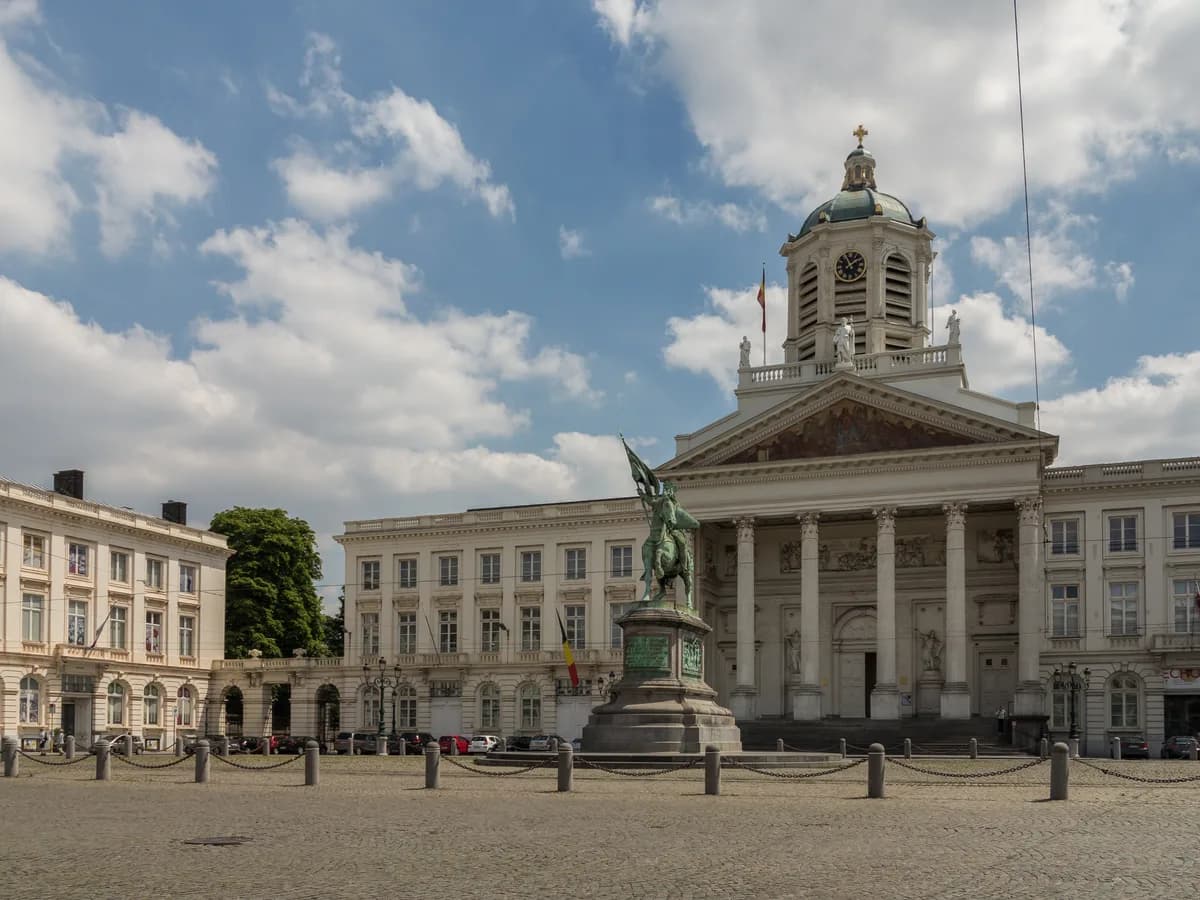
Place Royale
The exact site where Champlain founded Québec City in 1608, Place Royale preserves restored stone houses from the French regime, forming a remarkably well-preserved setting from New France.
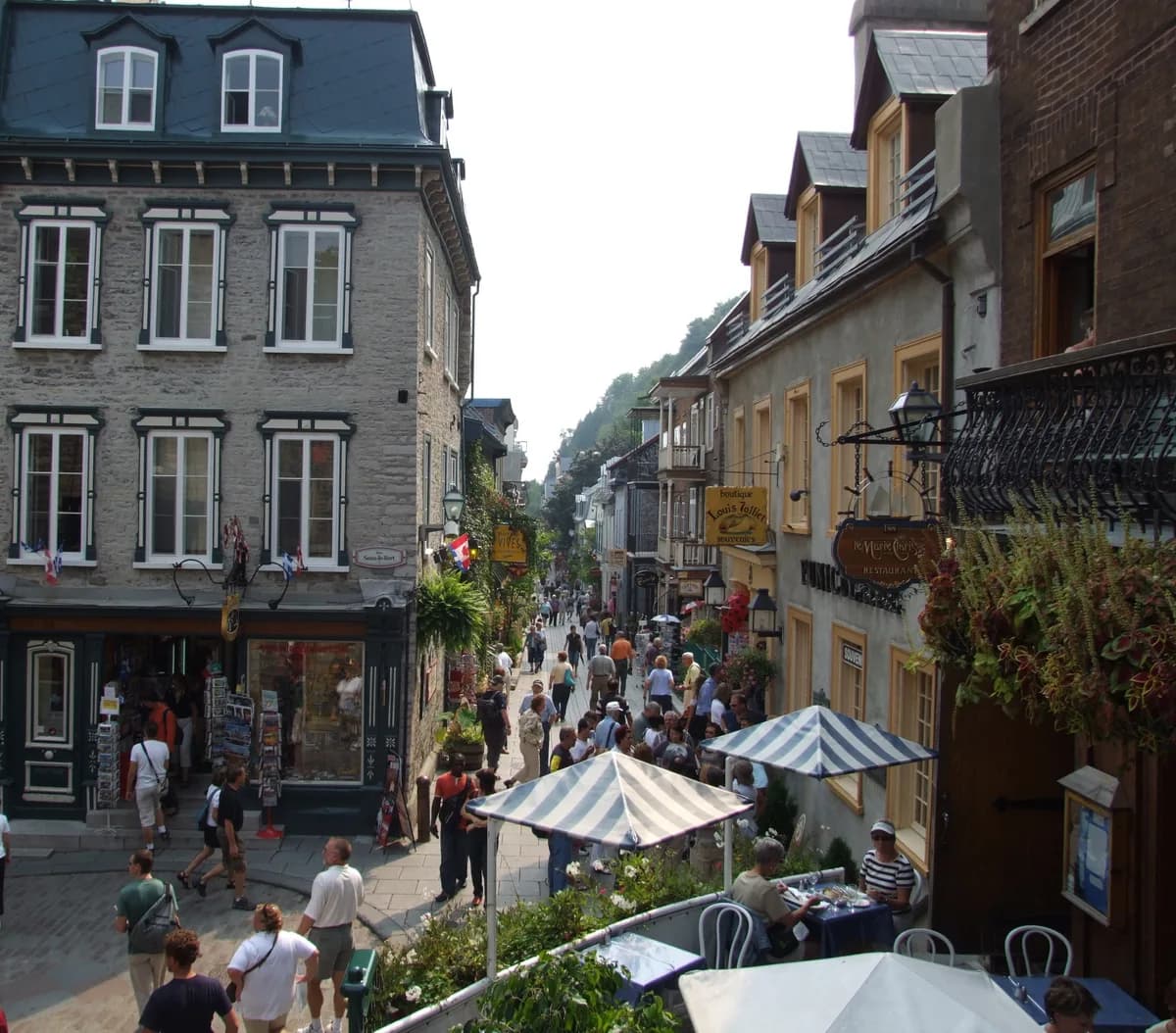
Petit-Champlain District
One of the oldest commercial streets in North America, lined with artisan boutiques and reached via the Casse-Cou stairway or the Old Québec funicular.
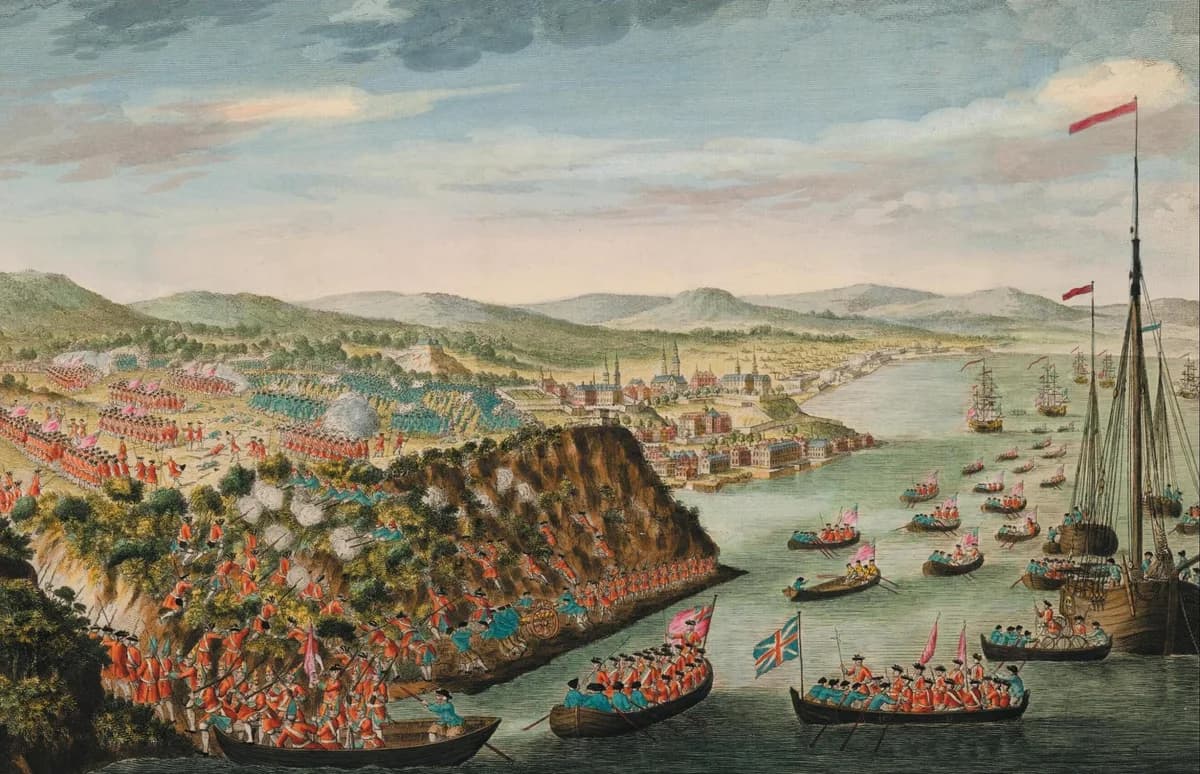
Battlefields Park (Plains of Abraham)
Canada's first national historic park, the site of the decisive 1759 battle, the Plains of Abraham today form one of the most prestigious urban parks in the world, often compared to Central Park or Hyde Park.
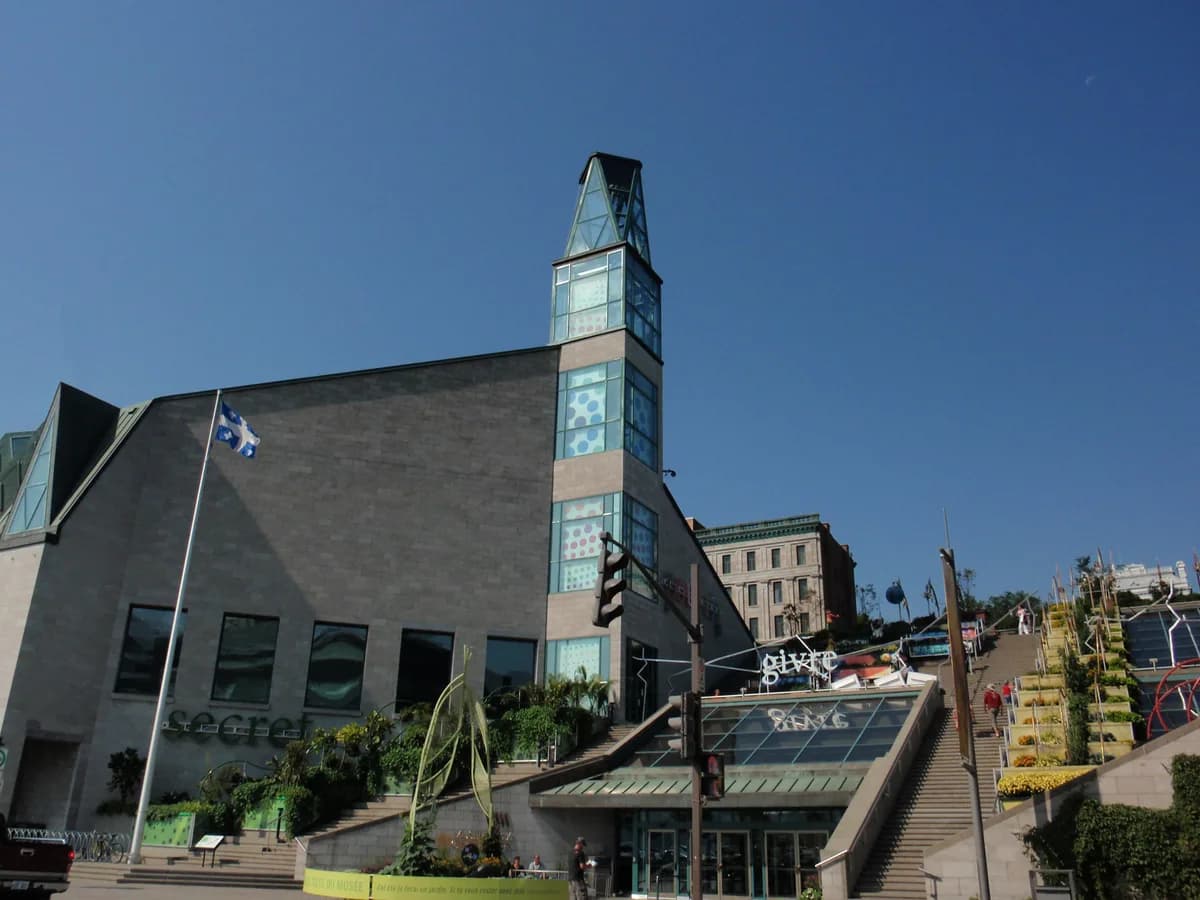
Musée de la civilisation
A state museum known for its bold museology, designed by internationally renowned architect Moshe Safdie, offering fresh and often unexpected perspectives on the human experience.
Musée national des beaux-arts du Québec
Home to the world's most important collection of Québec art (more than 42,000 works from the 17th century to today), the MNBAQ occupies an exceptional site at the heart of the Plains of Abraham.
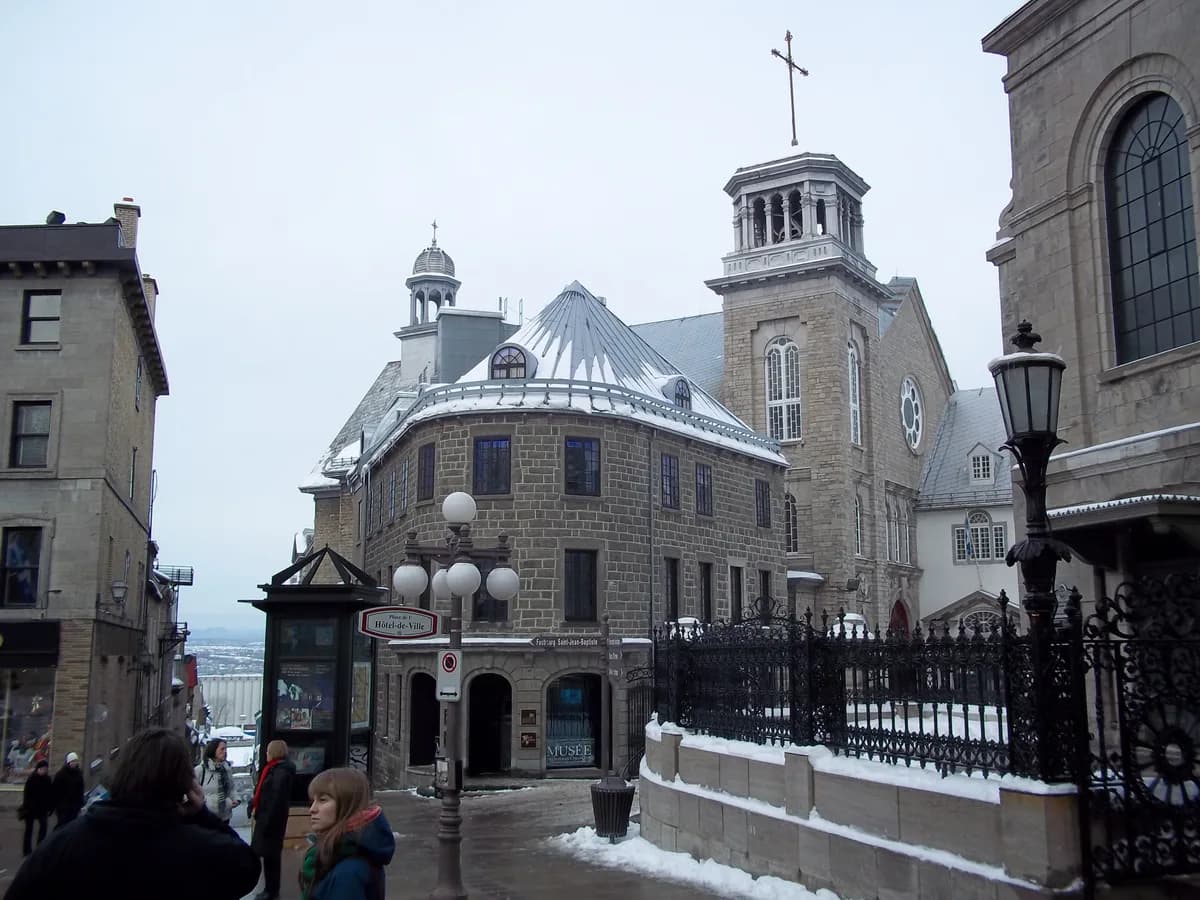
Museum of French America (Séminaire de Québec)
Housed within the walls of the Séminaire de Québec, founded in 1663 by Bishop de Laval, this museum traces the history of the French presence in North America through an exceptional collection of religious, scientific, and artistic objects.
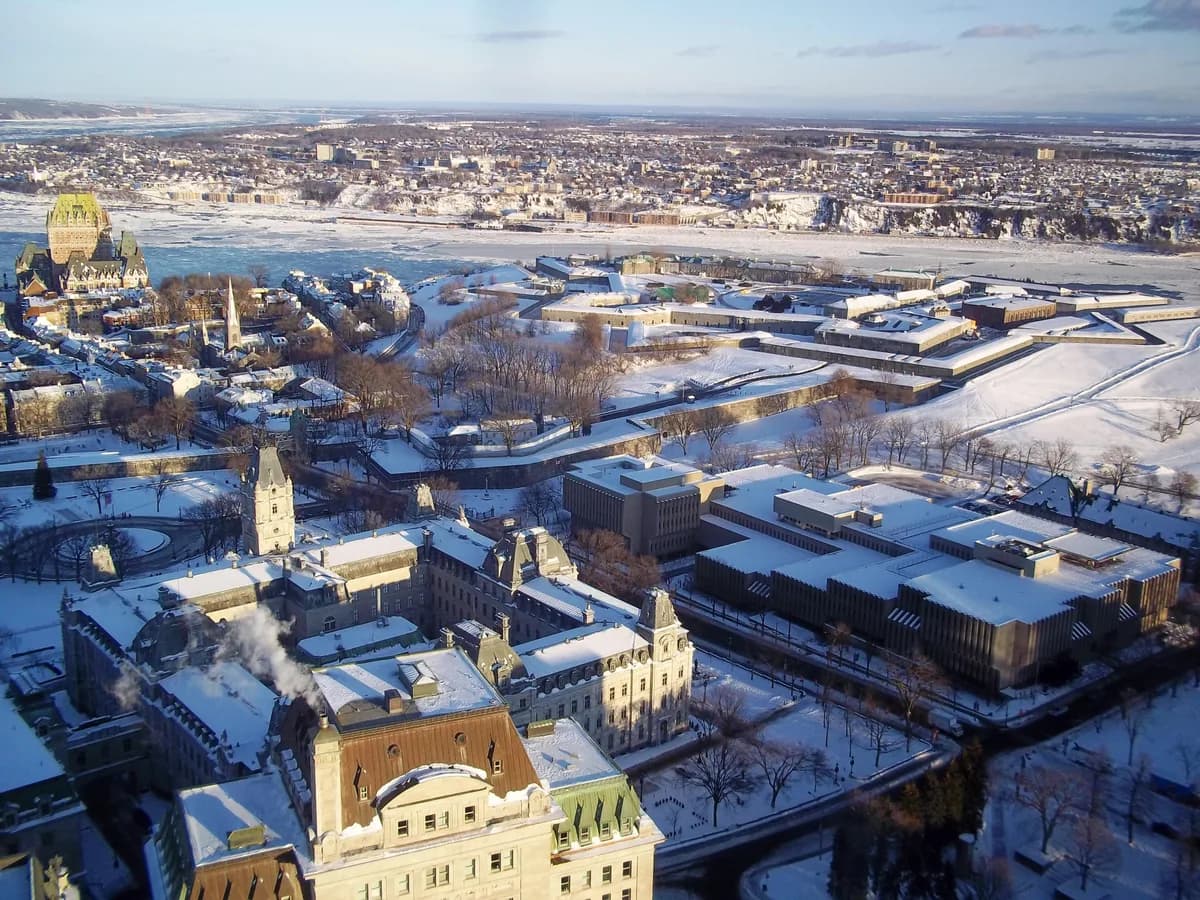
Observatoire de la Capitale
Located atop the Marie-Guyart building, the city's tallest, the Observatoire offers the only 360-degree view of Québec City, 221 metres above the river.
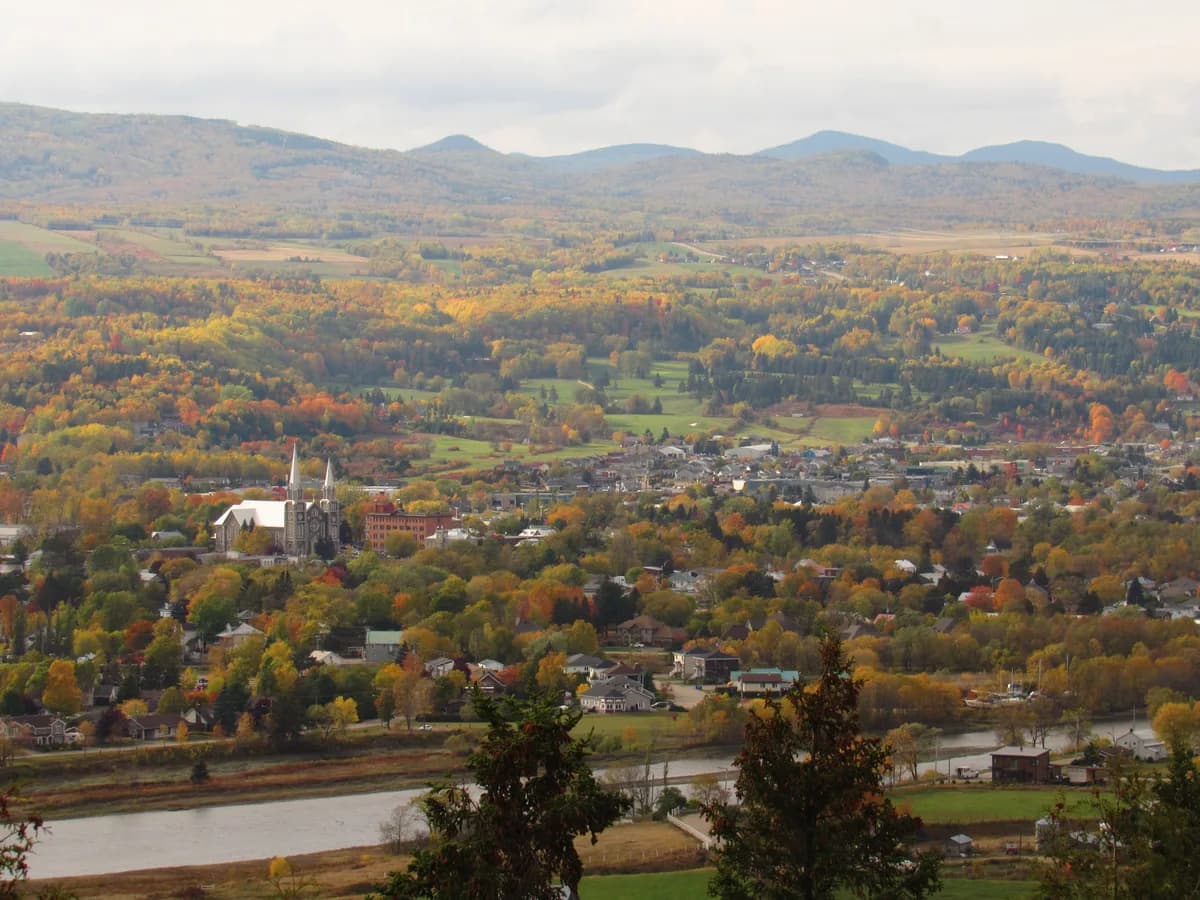
Baie-Saint-Paul and Rue Saint-Jean-Baptiste
An artistic cradle nestled in a picturesque valley, Baie-Saint-Paul concentrates an exceptional density of art galleries along its main street, making this village the historic starting point of Cirque du Soleil.
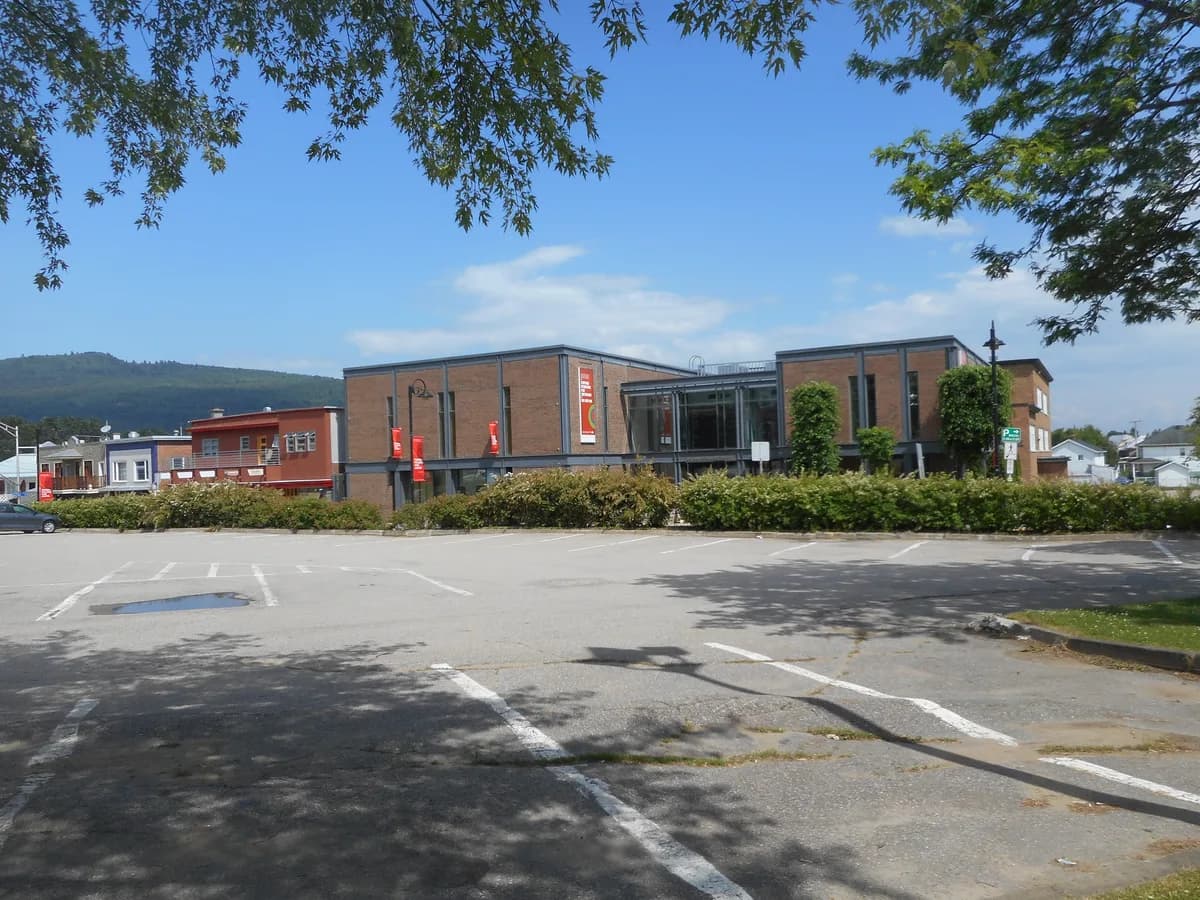
Musée d'art contemporain de Baie-Saint-Paul
Charlevoix's only museum entirely devoted to Québec contemporary art, this institution has organized the International Symposium of Contemporary Art since 1982, a flagship event where artists create live before the public.
Musée de Charlevoix
Preserving nearly 9,000 objects and 6,000 archival documents, this art, ethnology, and history museum traces Charlevoix's distinctive identity, from its folk-art tradition to the artistic ferment that marked the region throughout the 20th century.
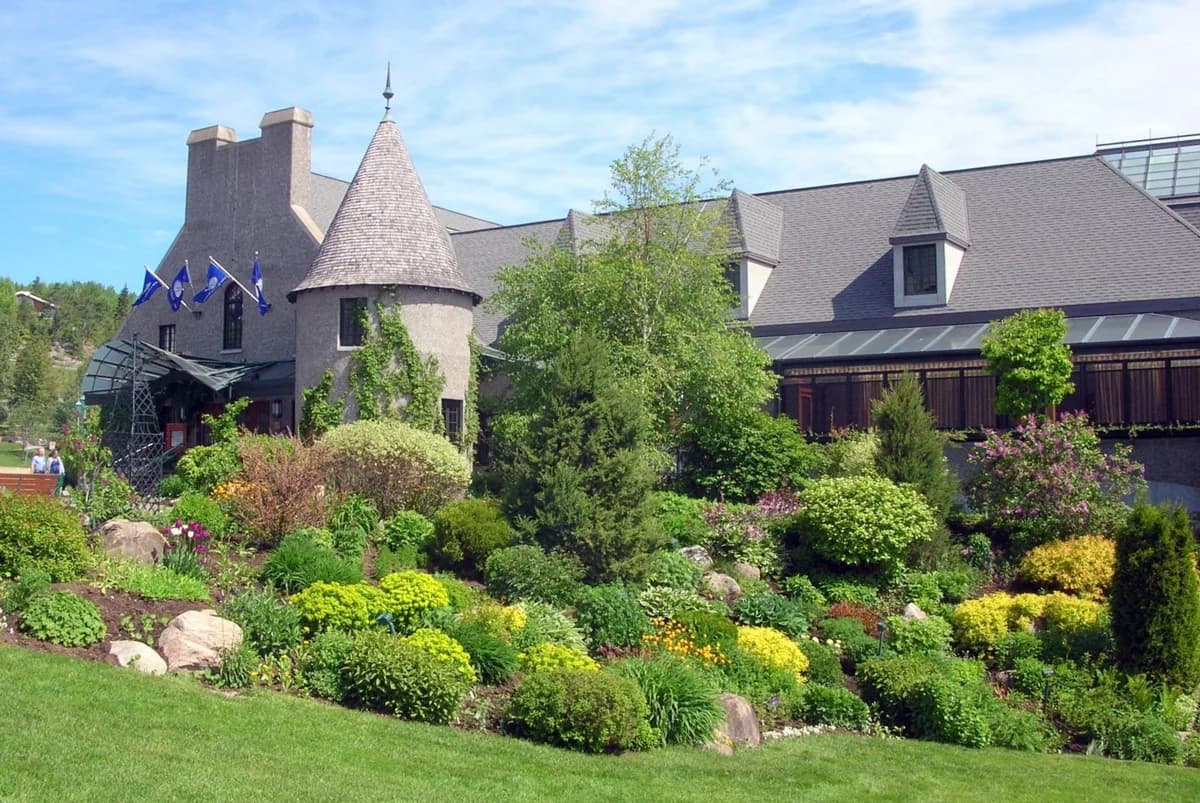
Casino de Charlevoix
Right next door to the Fairmont Le Manoir Richelieu, this regional casino offers table games and slot machines in an intimate setting, rounding out the upscale entertainment offering that has defined the Pointe-au-Pic area for more than a century.
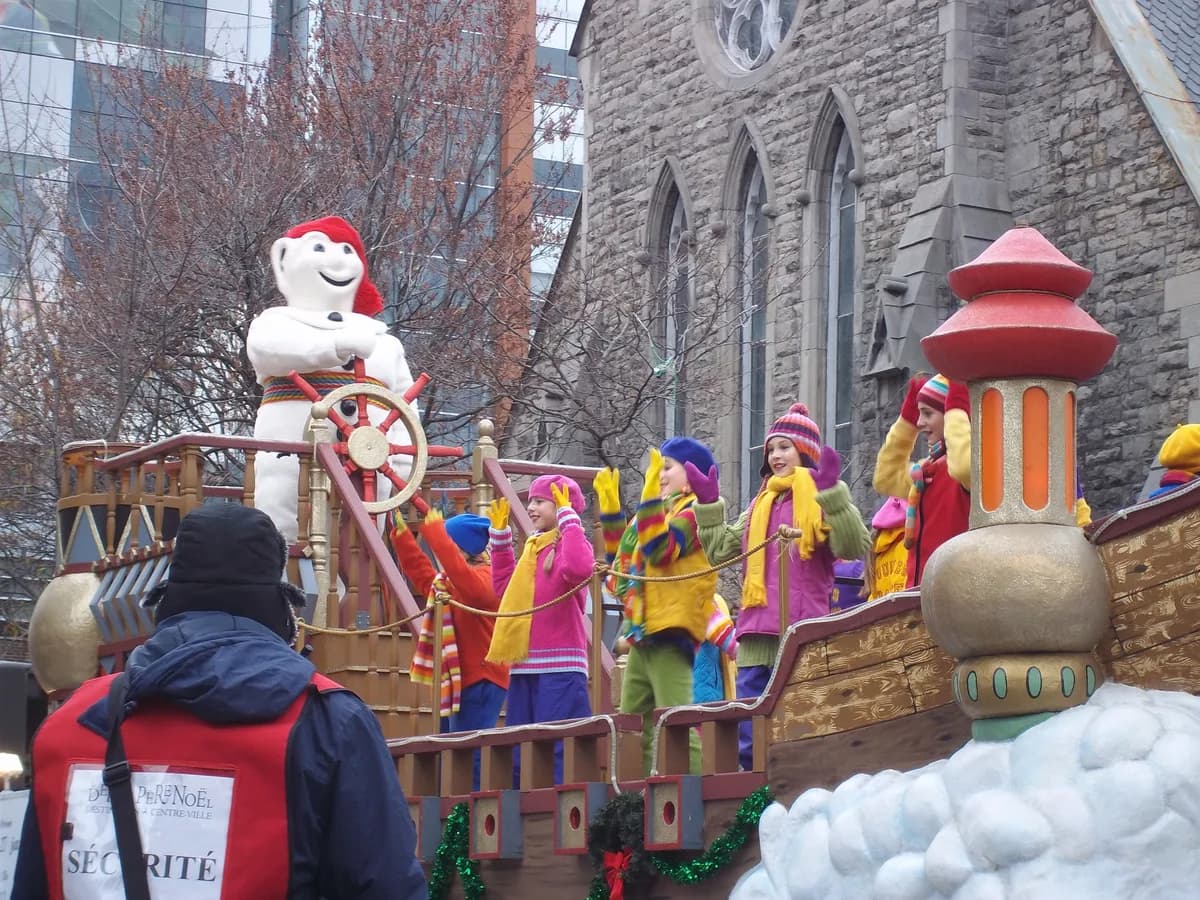
Charlevoix Flavour Trail
Bringing together more than forty producers and restaurateurs between Baie-Saint-Paul and La Malbaie, this gourmet trail, rooted in Charlevoix's distinctive agriculture, lets visitors discover cheeses, ciders, chocolates, and other local specialties directly from their makers.
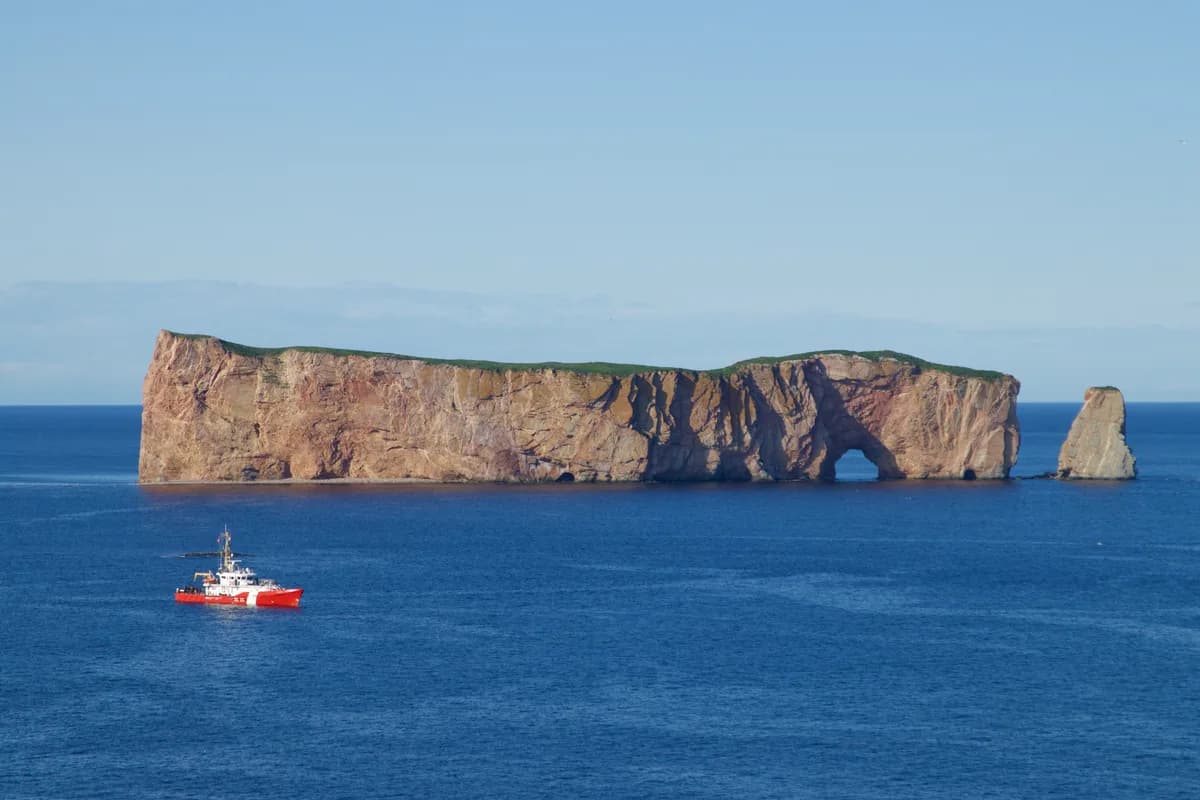
Percé Rock
Gaspésie's most recognizable symbol, this massive limestone rock pierced by a natural arch rises just a few hundred metres offshore, formed roughly 400 million years ago.
Paspébiac Fishing Bank National Historic Site
A witness to the golden age of cod fishing in Gaspésie, this site preserves a unique set of commercial buildings erected between the 18th and 20th centuries by major Jersey fishing companies that dominated the regional economy for nearly two centuries.
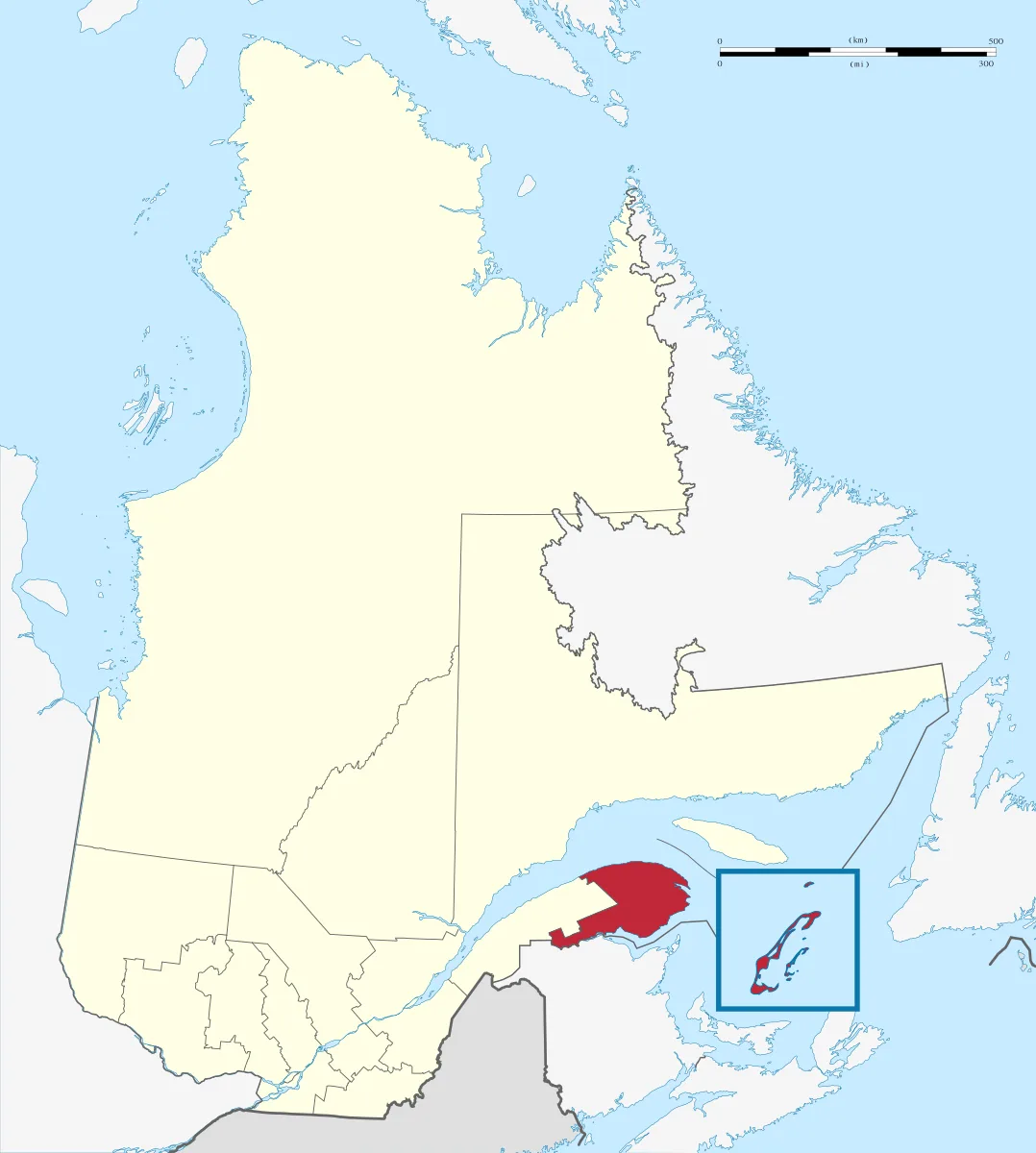
Anse-Blanchette Historic Site (Forillon sector)
A living recreation of an early-20th-century fishing and farming family operation, this sector of Forillon Park lets visitors, through the Dolbel-Roberts House and the exhibition "These Gaspesians from the Ends of the Earth," discover the daily life of the multicultural communities that shaped the coastline.
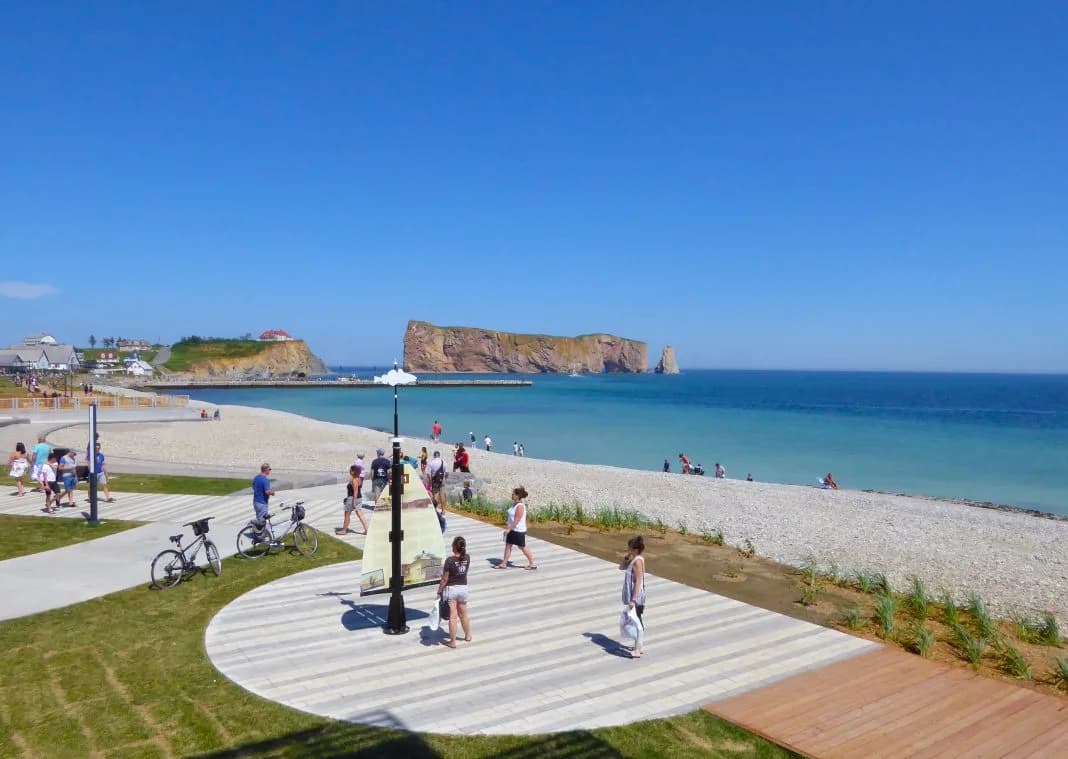
Percé Geopark (Geosite)
Designated a UNESCO Global Geopark, the Percé territory features an exceptional concentration of remarkable geological formations, from Percé Rock to fossil-bearing cliffs, recounting more than 500 million years of Earth's history.
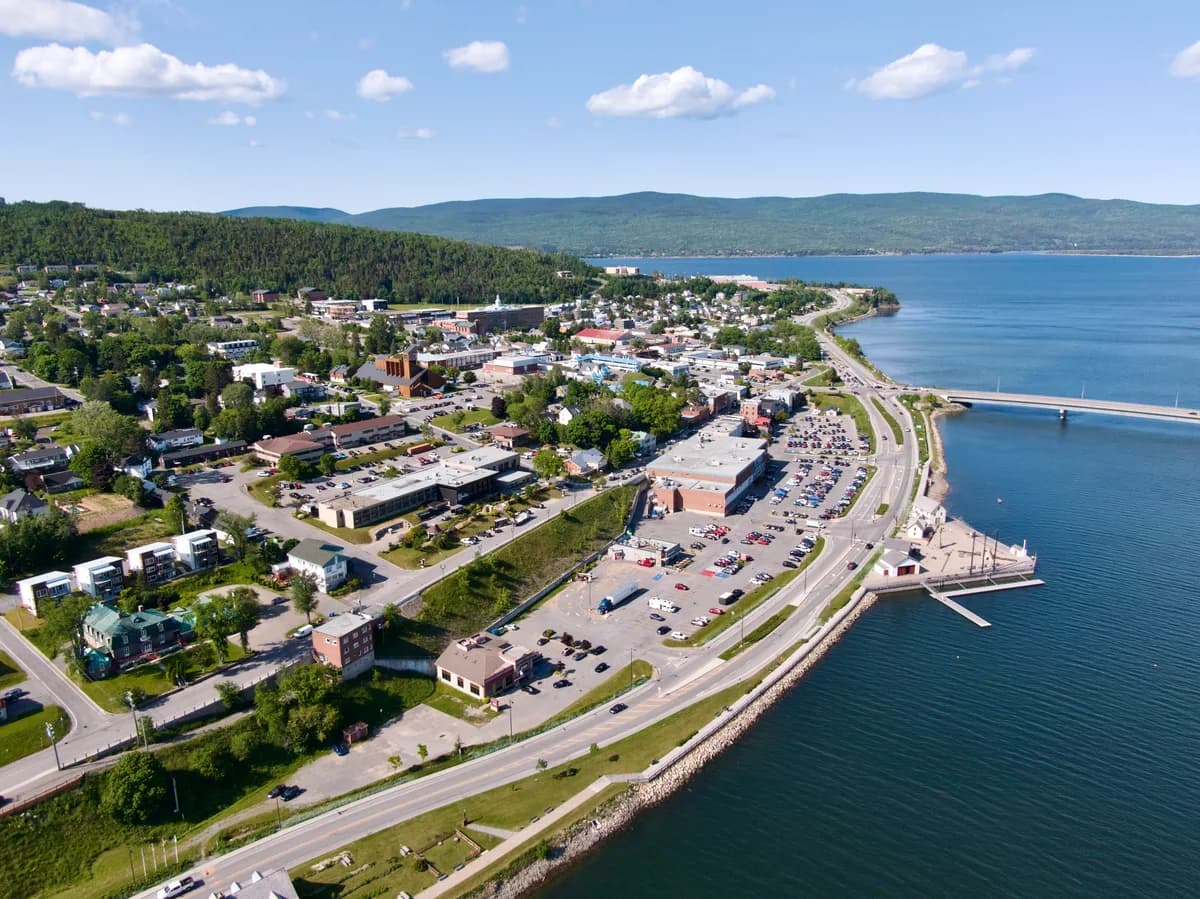
Gaspé and the Musée de la Gaspésie
A founding town where Jacques Cartier took possession of the territory in the name of the King of France in 1534, Gaspé pairs this founding heritage with its regional museum, which traces five centuries of history of the First Nations, fishers, and settlers who shaped the peninsula's identity.
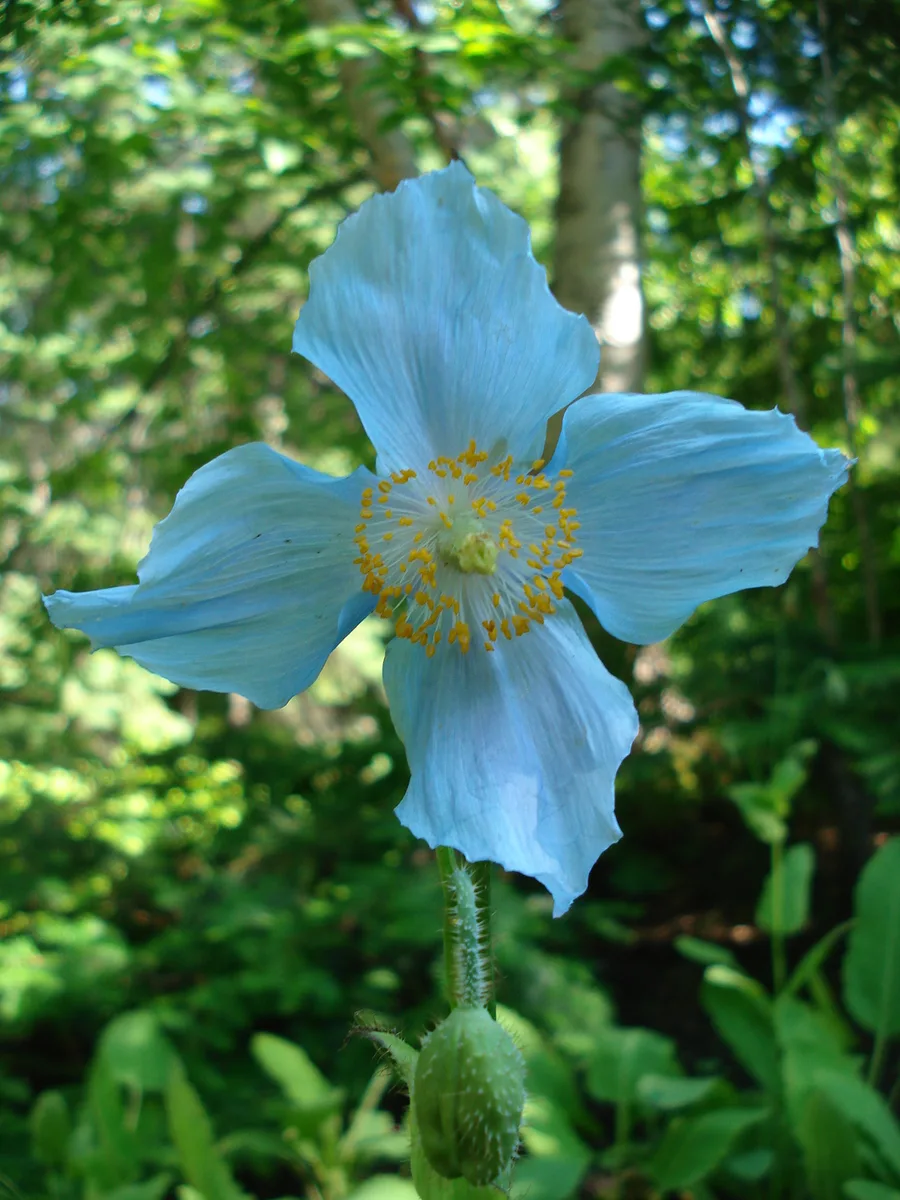
Reford Gardens (Jardins de Métis)
A Canadian national historic site, Reford Gardens rank among the northernmost gardens in North America, where Elsie Reford managed, thanks to a unique microclimate, to grow species as rare as the Himalayan blue poppy.
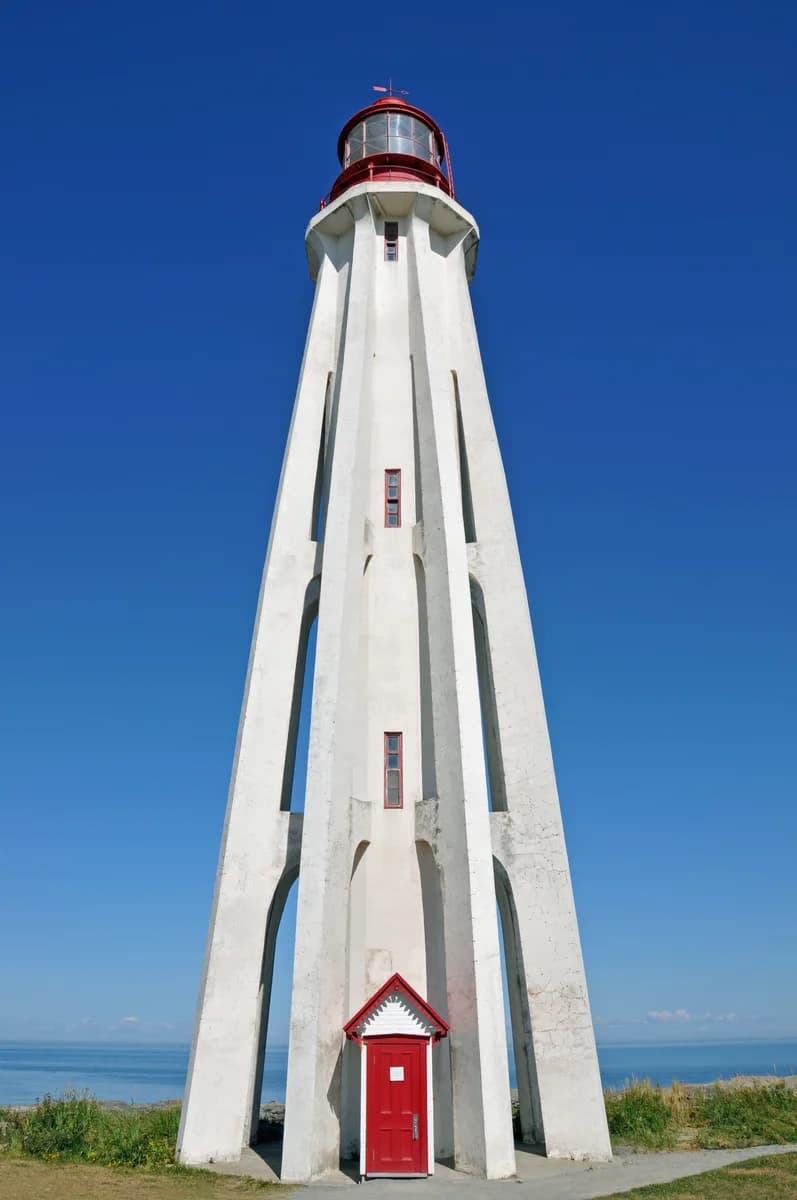
Pointe-au-Père Maritime Historic Site
Combining Canada's second-tallest lighthouse, a Cold War submarine open for tours, and a museum devoted to the tragic sinking of the Empress of Ireland, this site offers one of Québec's most complete maritime history experiences.
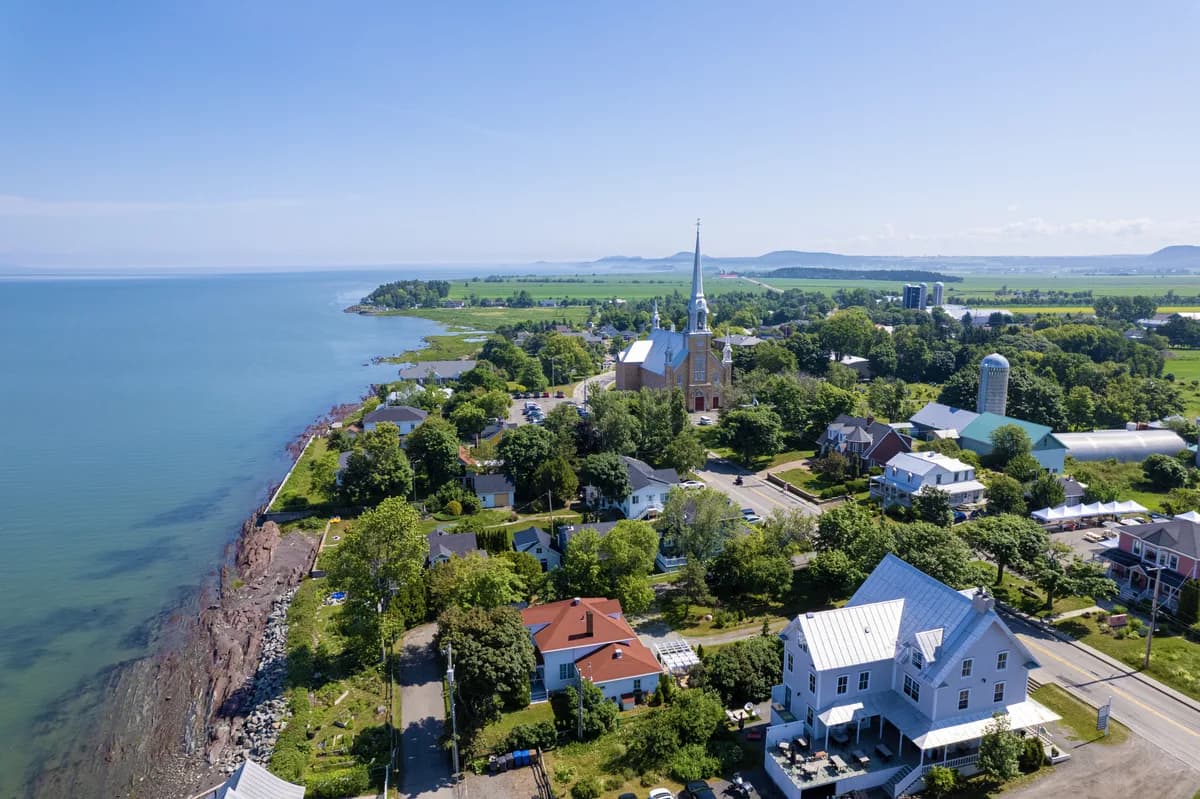
Kamouraska
Renowned for the beauty of its coastal landscapes, ancestral homes, and sunsets over the estuary, the village of Kamouraska lends its name to an entire region known for agritourism and distinctive built heritage.
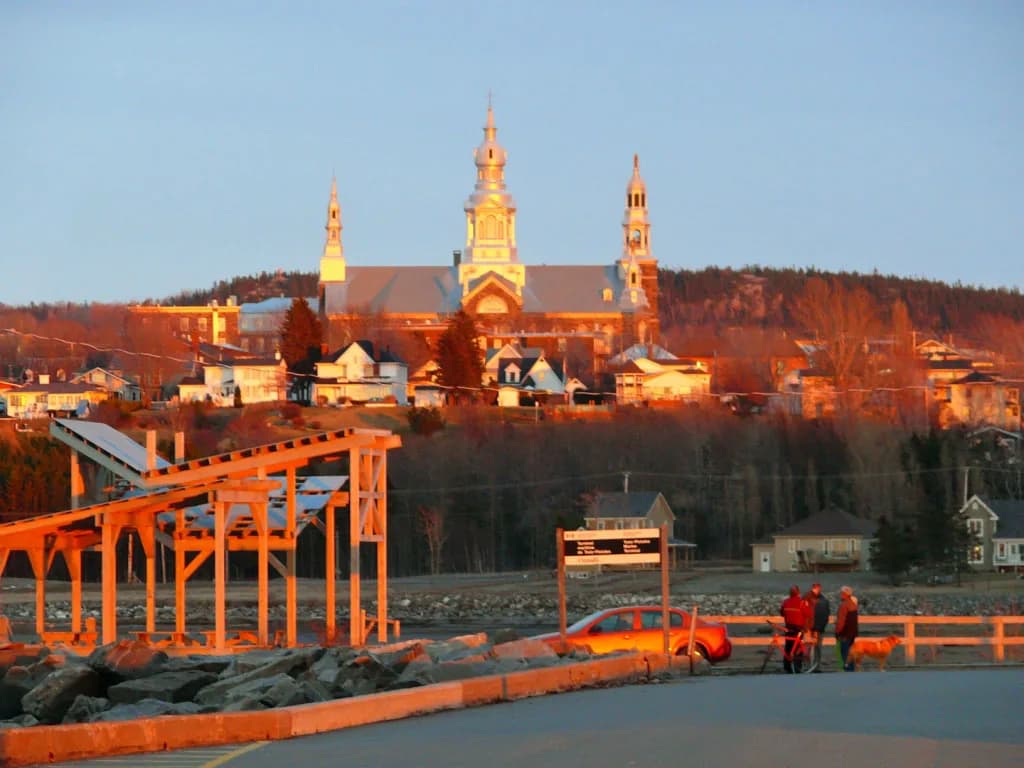
Trois-Pistoles and Its Church
Closely tied to the imagination of writer Victor-Lévy Beaulieu, who was born there, the village of Trois-Pistoles is notably known for its imposing five-steeple Notre-Dame-des-Neiges church, rich in local legends told via an audio-guided tour.
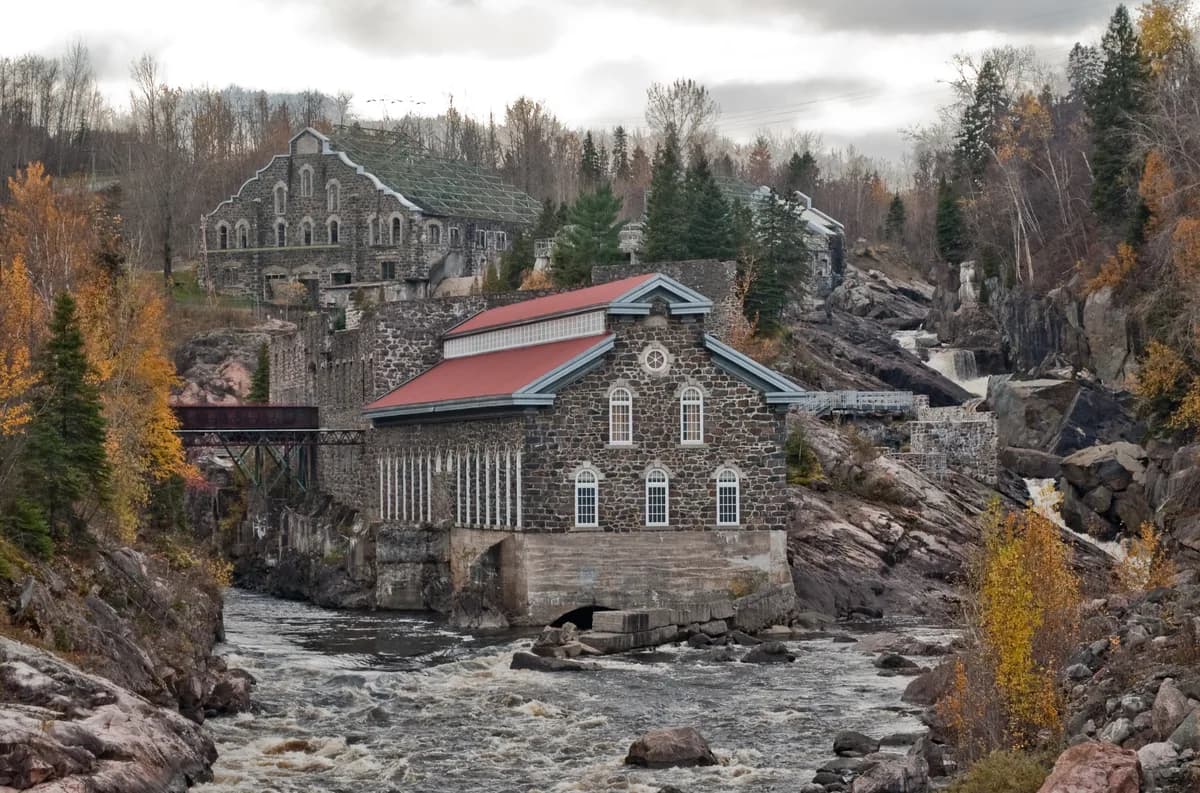
La Pulperie de Chicoutimi — Regional Museum
Set within the industrial remains of a former pulp mill built between 1897 and 1921, this cultural and museum complex tells the story of Saguenay–Lac-Saint-Jean's industrialization.
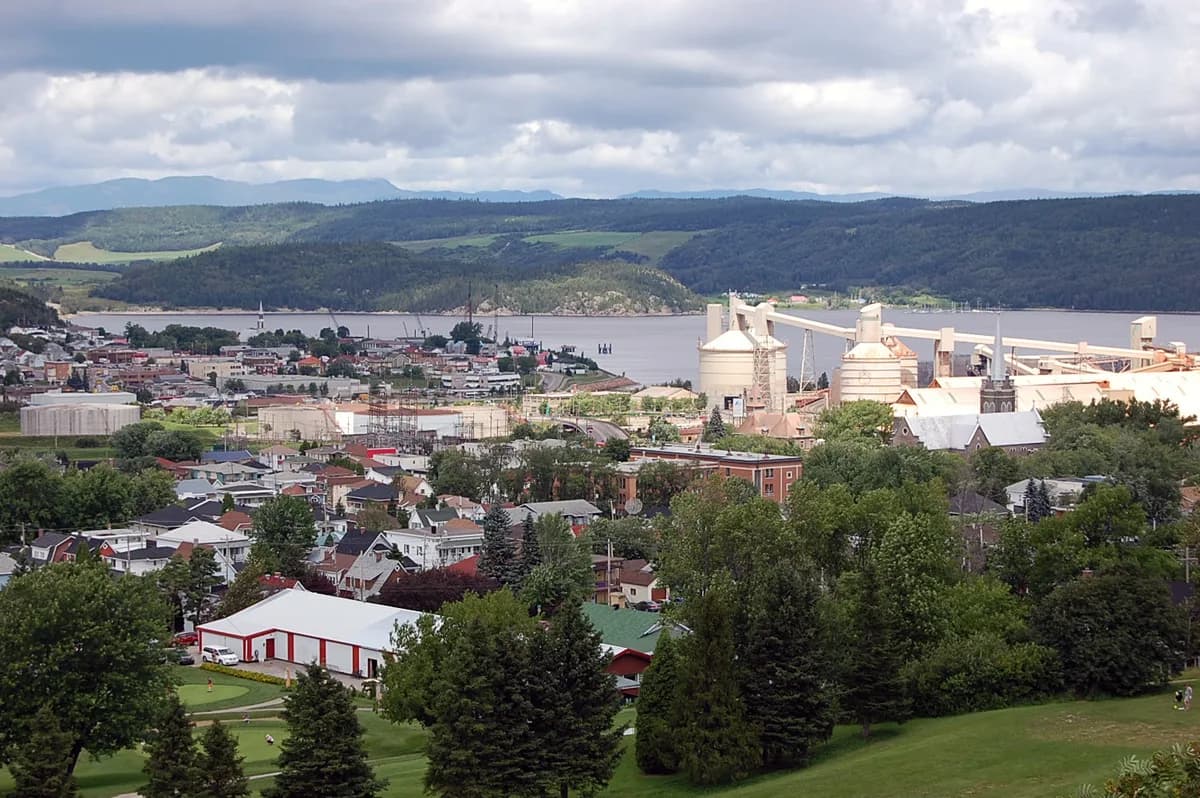
Musée du Fjord
Featuring a 53,000-litre saltwater aquarium, this interactive science museum introduces visitors of all ages to the ecosystems of the Saguenay Fjord and Ha! Ha! Bay through an immersive exhibition.
Musée ilnu de Mashteuiatsh
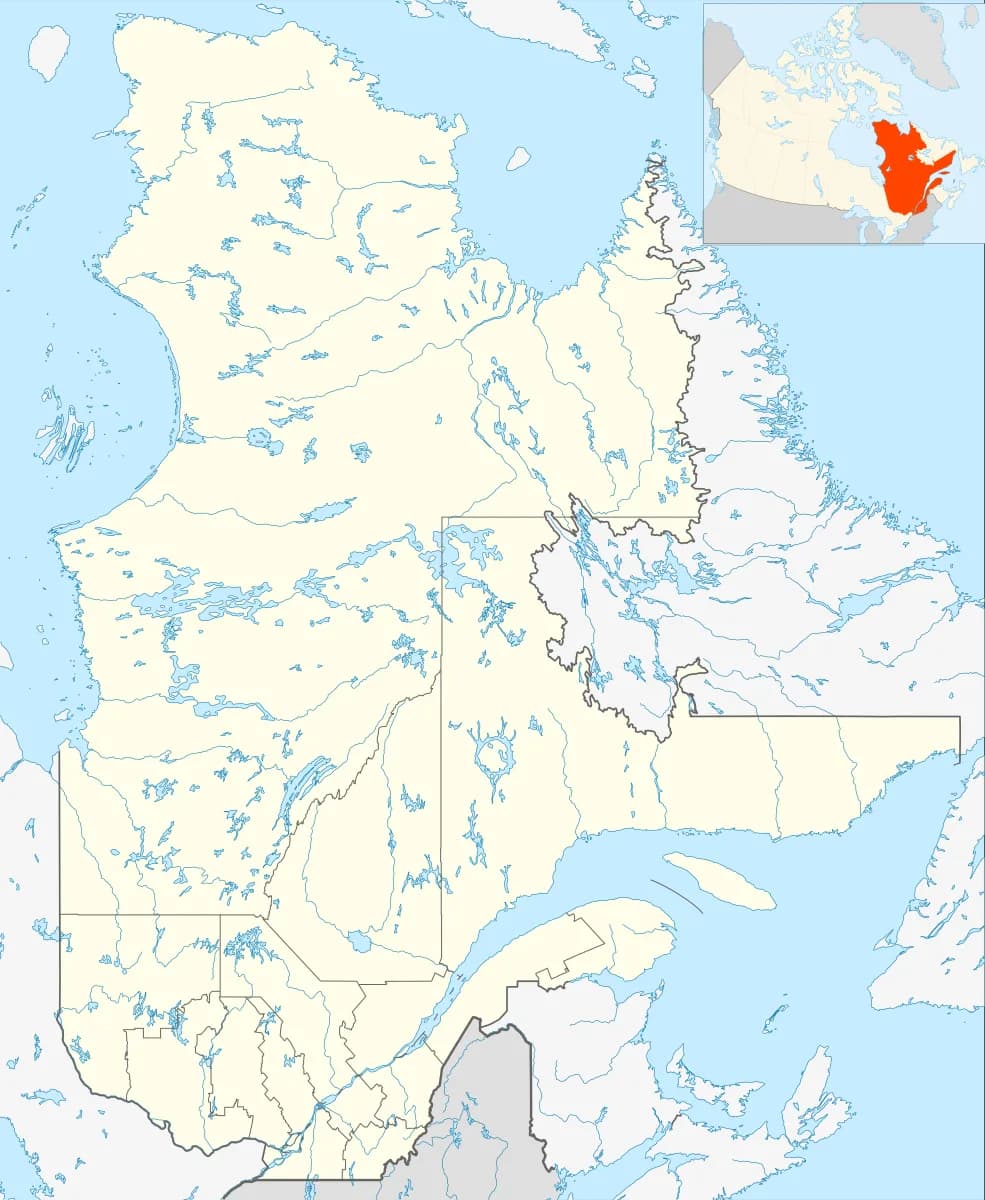
Located at the heart of the Ilnu community of Mashteuiatsh on the western shore of Lac Saint-Jean, this museum presents the history, material culture, and living traditions of the Pekuakamiulnuatsh First Nation.
Sainte-Rose-du-Nord
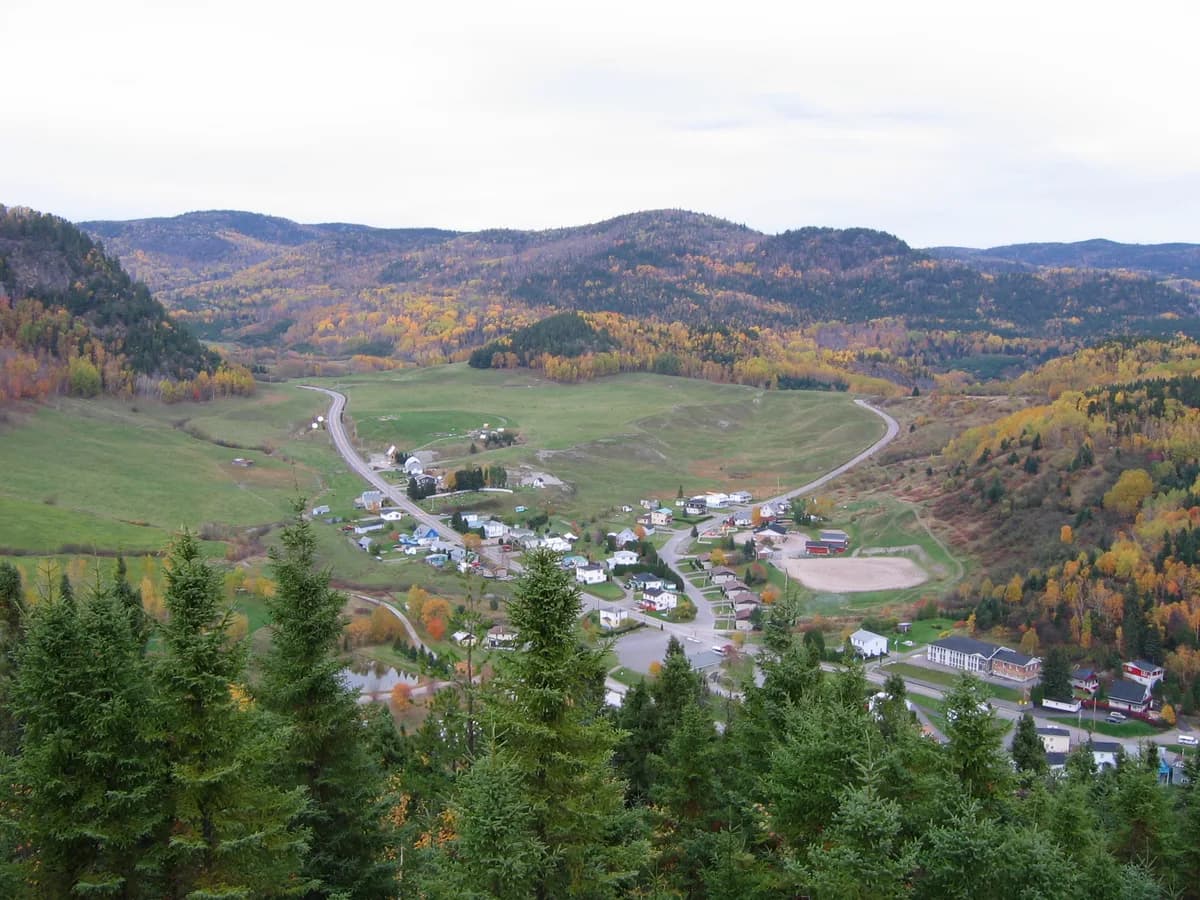
Nestled between the steep cliffs of the fjord's north shore, this picturesque village offers one of the finest road-accessible viewpoints over the Saguenay, especially prized at sunset.
Le Vieux-Poste de Sept-Îles
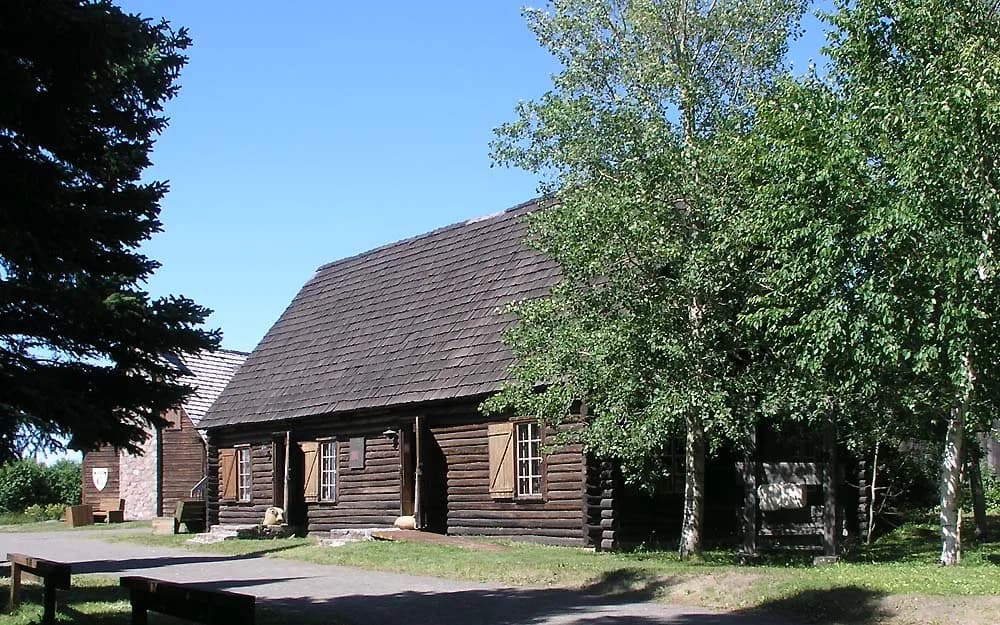
A recreation of a 19th-century fur-trading post, built on the very site of a former Hudson's Bay Company establishment, this historic site traces the daily commercial relations between Europeans and First Nations on the Côte-Nord.
Gilles Vigneault's Birthplace and Heritage Site
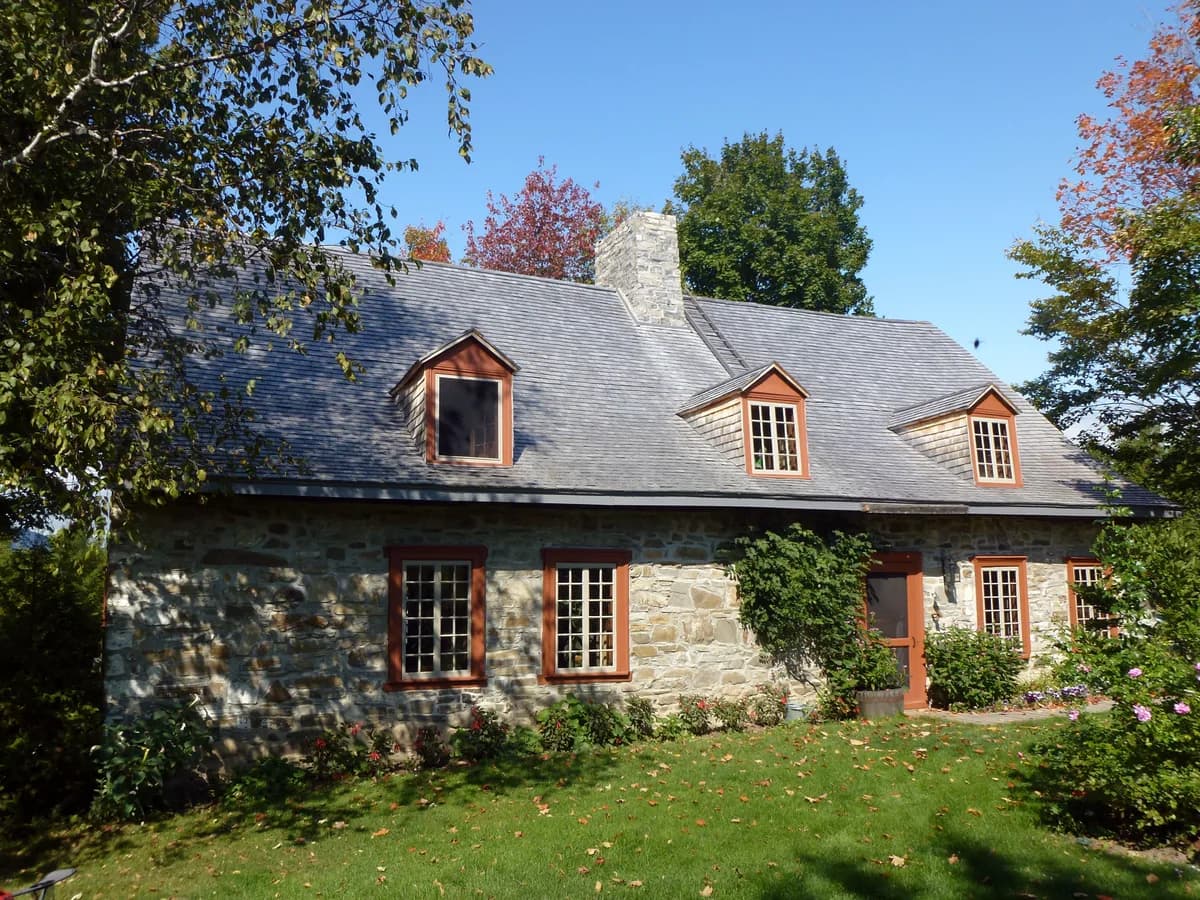
In this remote village of Acadian and Innu fishers at the end of Route 138, the birthplace of poet and songwriter Gilles Vigneault, along with the old school restored by village volunteers, tells the origins of one of Québec song's greatest artists.
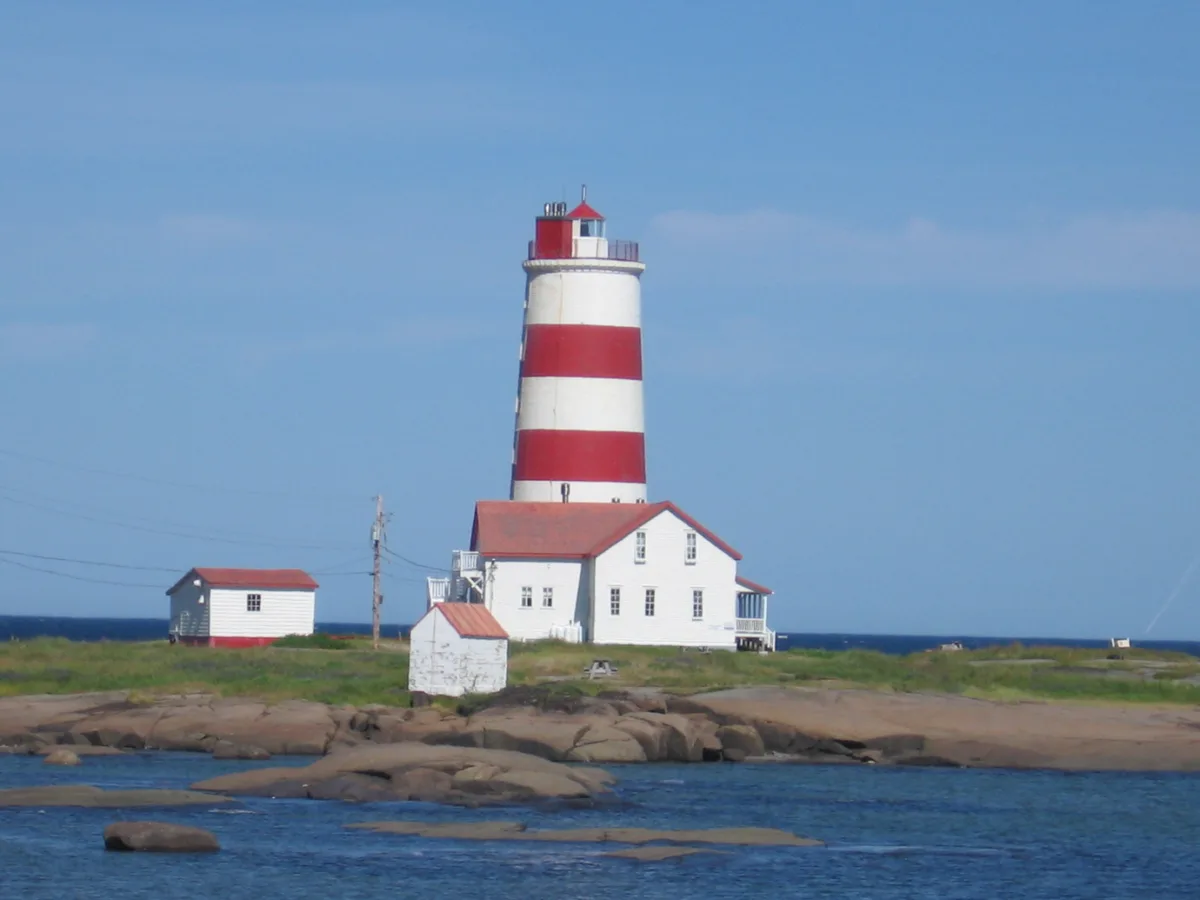
Pointe-des-Monts Lighthouse
Québec's second-oldest still-active lighthouse, built in 1830 to secure the entrance to the Gulf of St. Lawrence, this octagonal lighthouse now houses a museum devoted to navigation and the history of Côte-Nord shipwrecks.
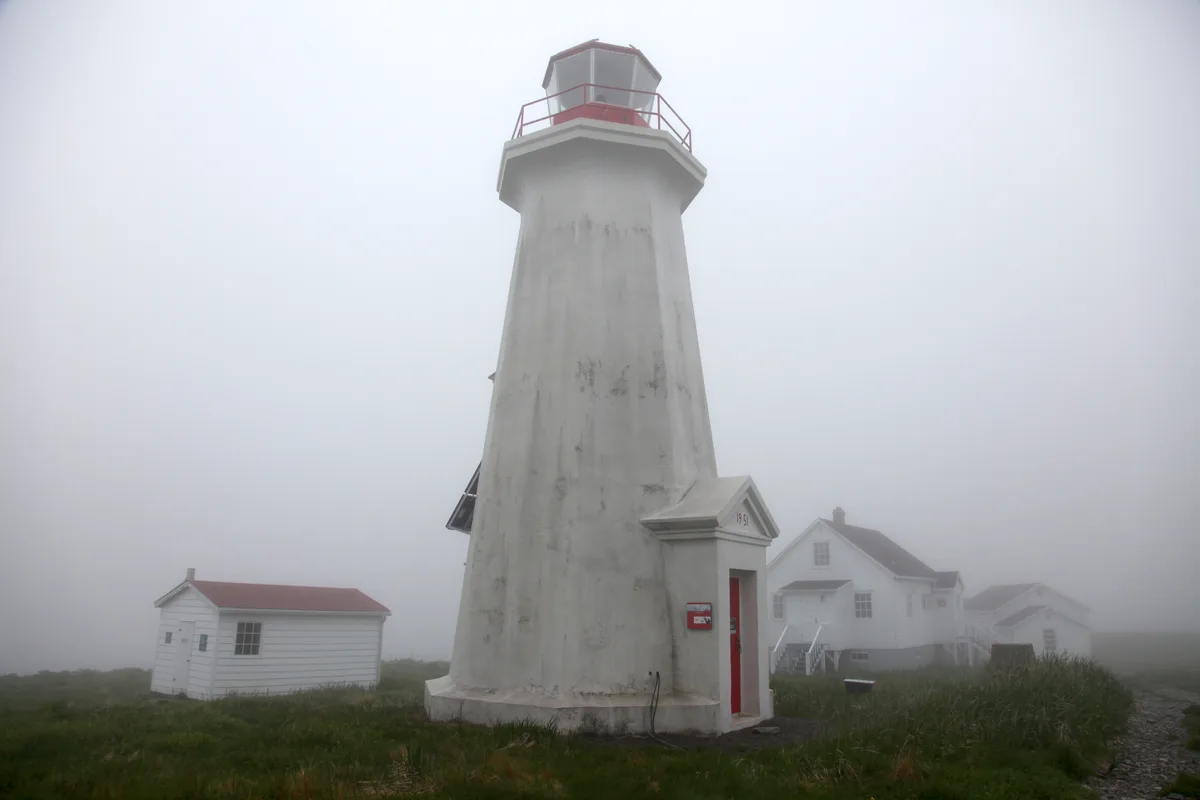
Île aux Perroquets and the Mingan Archipelago Lighthouse Stations
A seabird sanctuary nestled at the western tip of the Mingan Archipelago, Île aux Perroquets owes its name to the Atlantic puffin colonies that frequent it, and offers unique heritage lodging in the former lighthouse keeper's house.
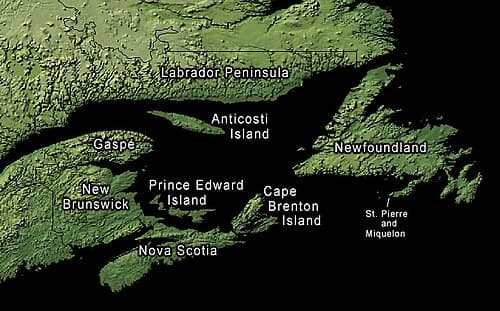
Anticosti Ecomuseum and the Menier Chocolate Heritage
Devoted to the island's singular history, this Port-Menier ecomuseum traces the adventure of French chocolate magnate Henri Menier, sole owner of the island in the late 19th century, as well as the territory's exceptional paleontology.
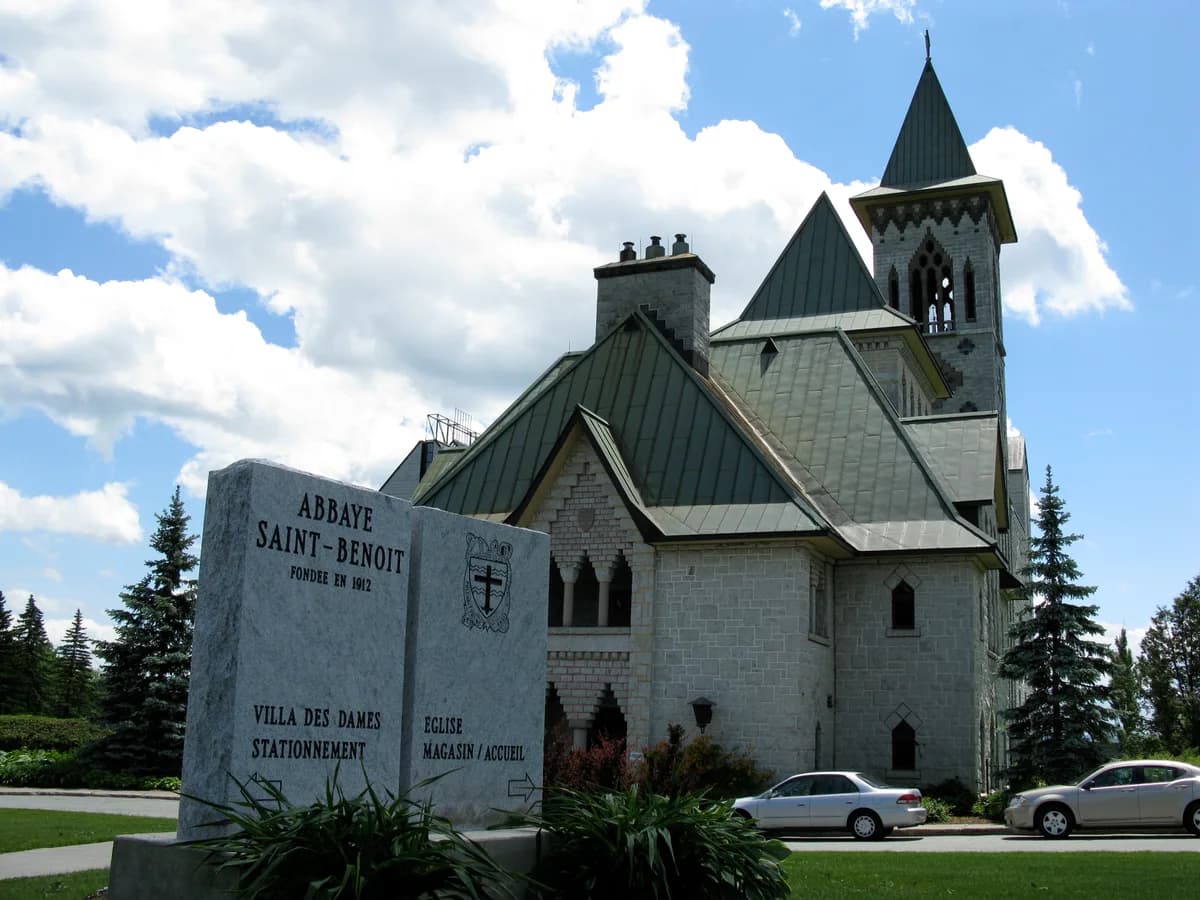
Saint-Benoît-du-Lac Abbey
Located on the shore of Lake Memphrémagog, this Benedictine abbey with flamboyant Art Deco styling offers guided tours, an artisan cheese and cider shop, and a prayer trail dotted with meditative texts deep in the forest.
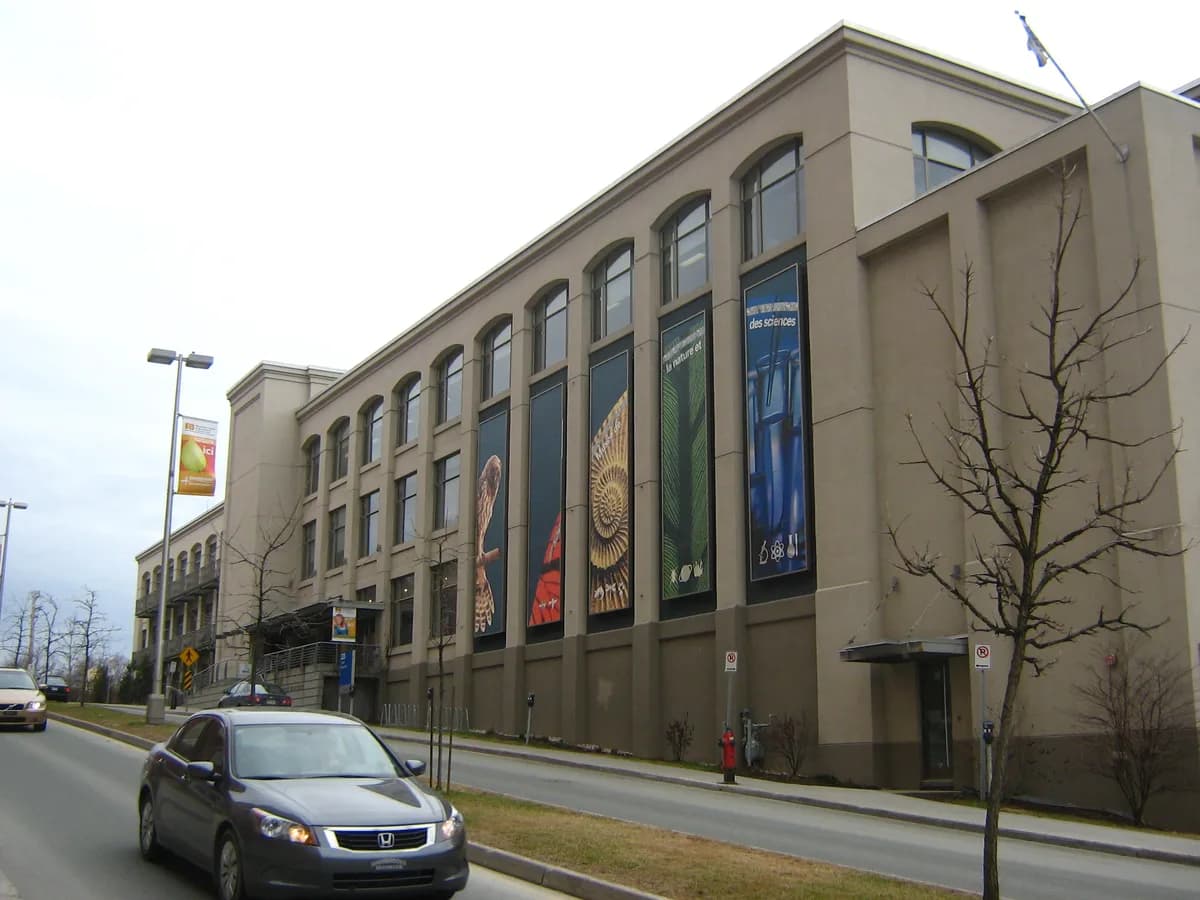
Musée de la nature et des sciences de Sherbrooke
Housed since 2002 in a former silk-stocking factory in downtown Sherbrooke, this science museum showcases a collection of more than 65,000 natural history specimens, including the immersive AlterAnima exhibit featuring hundreds of taxidermied animals.
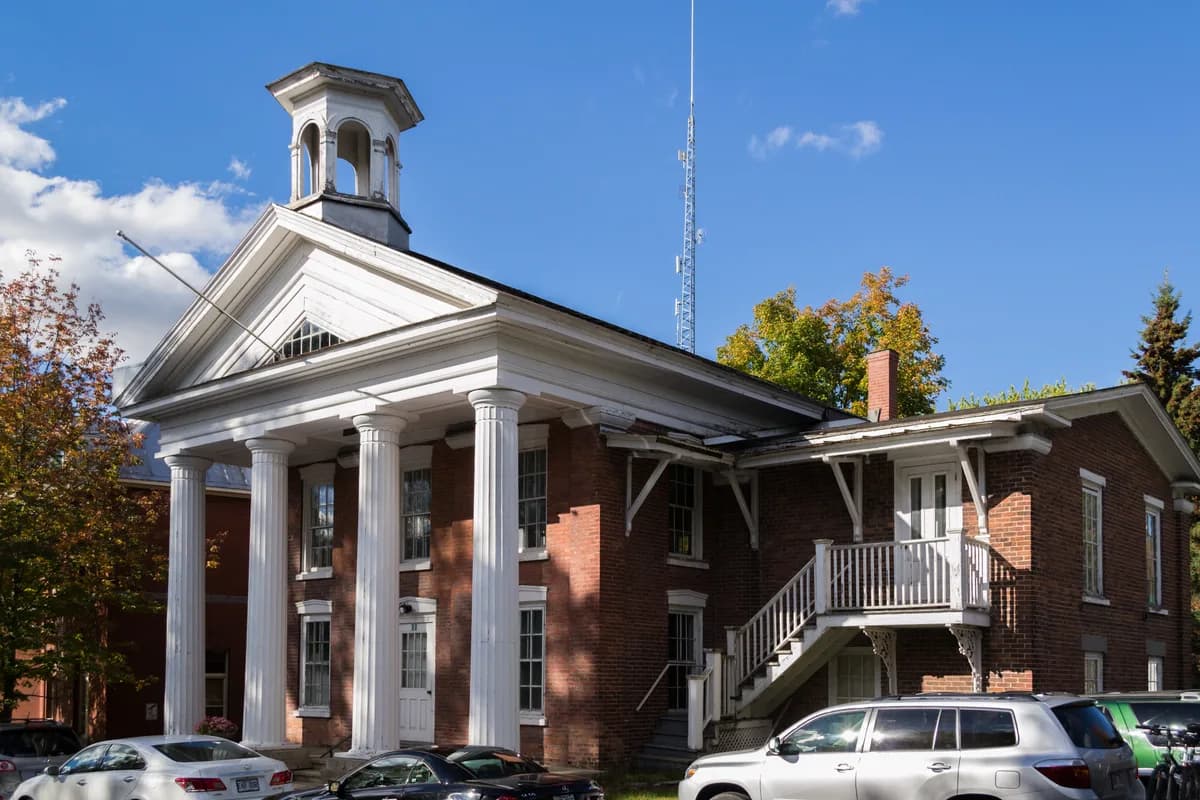
Knowlton Heritage Village (Lac-Brome)
Founded in 1855, this village with exceptionally well-preserved built heritage features a succession of Victorian homes, municipal buildings, and places of worship reflecting the economic and cultural prosperity of the former Lac-Brome municipality.
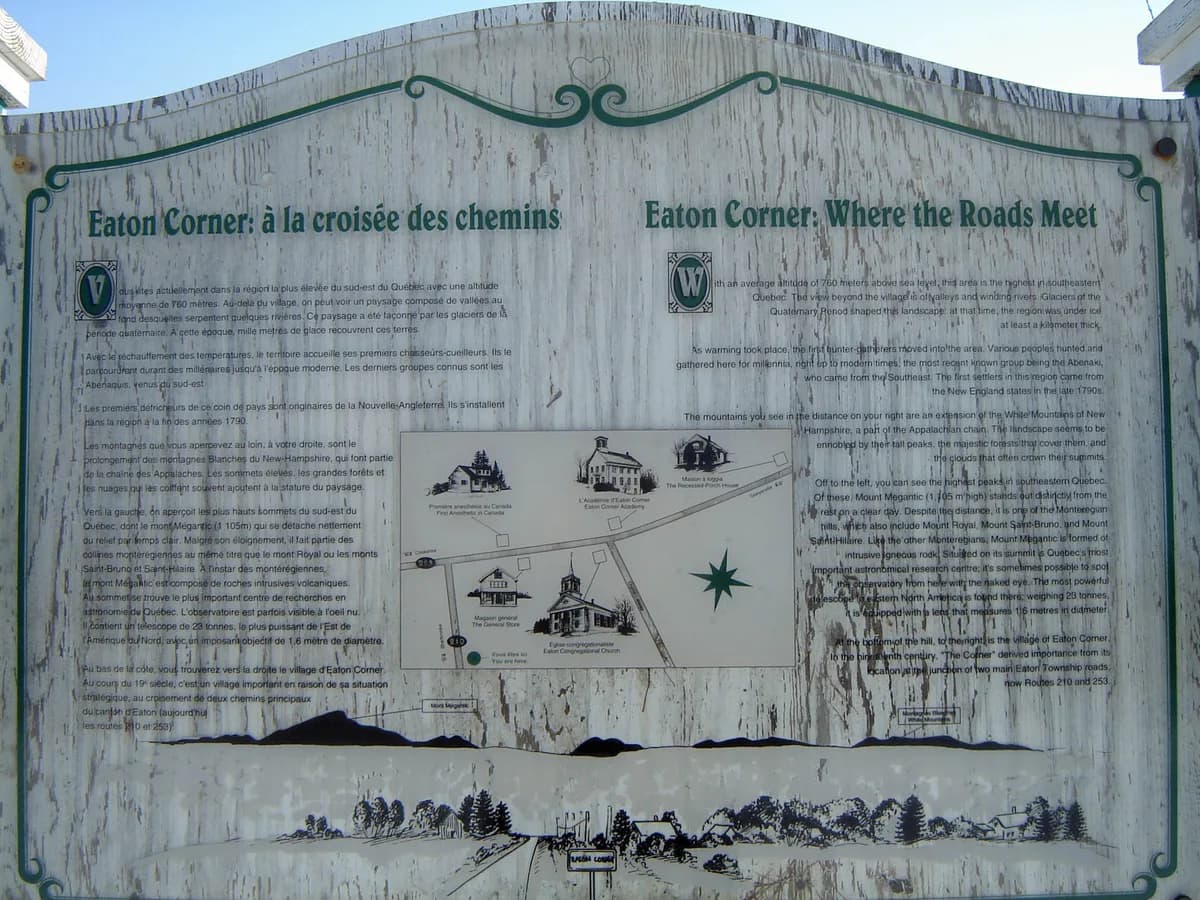
Eaton Corner Historic Site
A must for history enthusiasts, this 19th-century site brings together a former 1840–1841 Congregational church, a heritage-designated academy, and several wood and brick residences typical of Eastern Townships architecture.
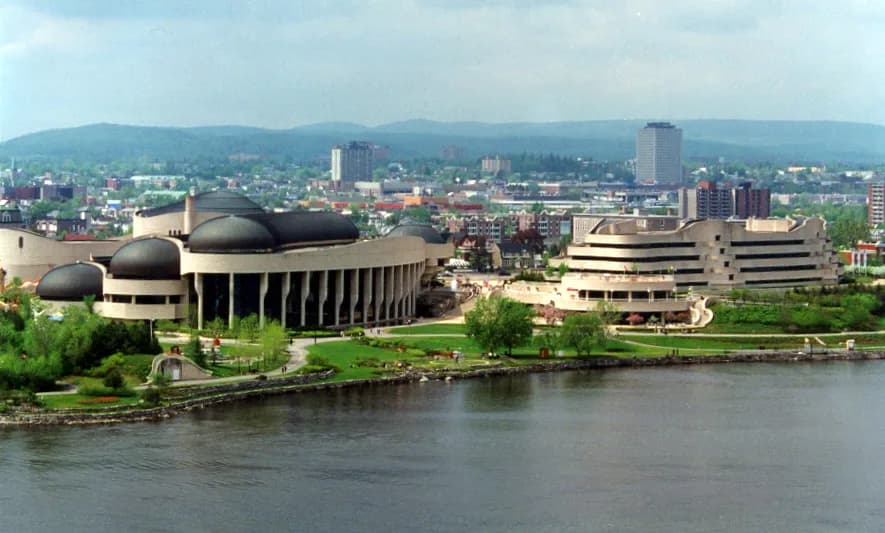
Canadian Museum of History
Canada's most-visited museum institution, this national museum of social history is housed in an iconic building designed by Indigenous architect Douglas Cardinal and features the world's largest indoor exhibit of monumental totem poles.
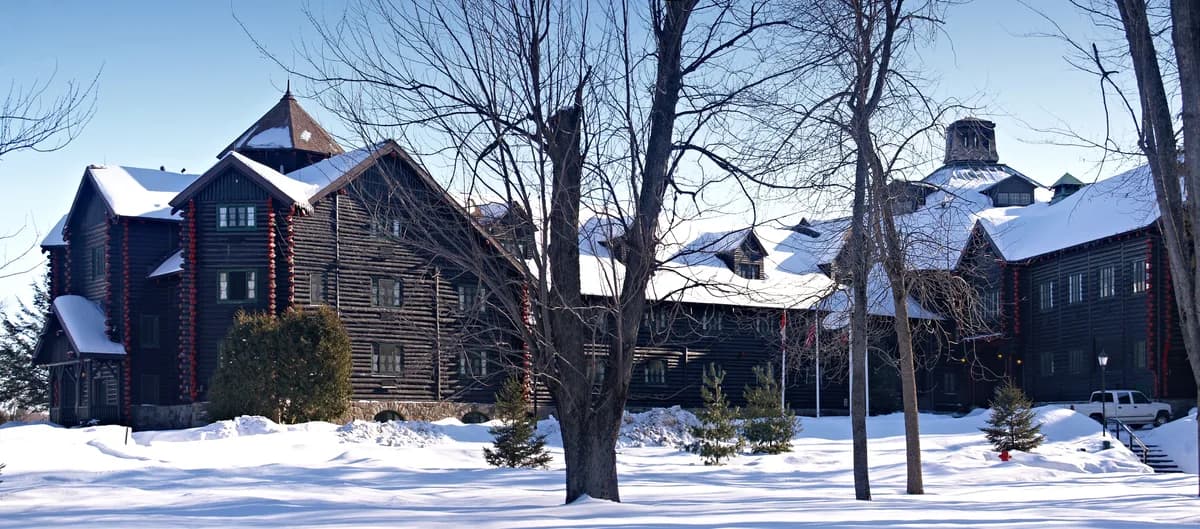
Fairmont Le Château Montebello
Built in just four months in 1930 as a private club for a North American elite, this log château—the largest of its kind in the world—remains an emblematic symbol of rustic Québec hospitality.
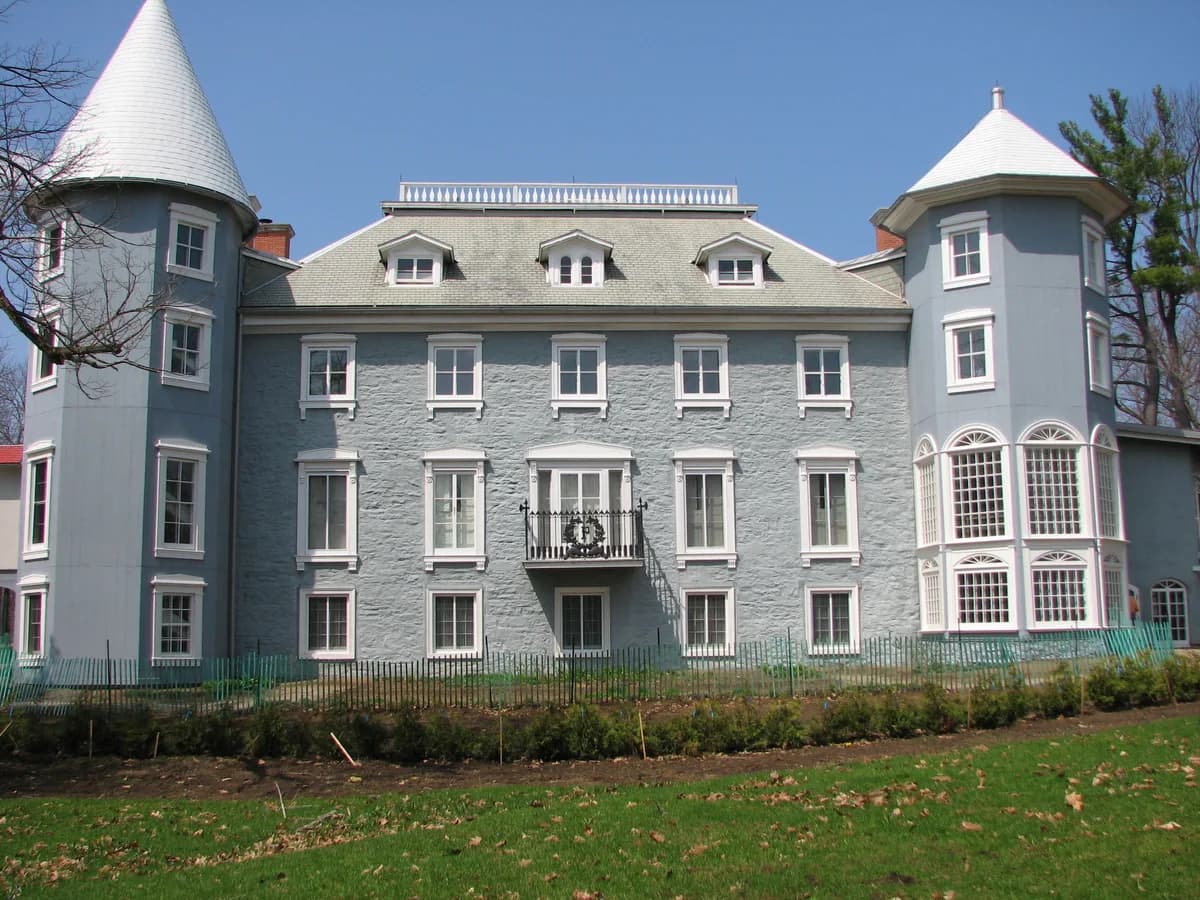
Manoir-Papineau National Historic Site
The former seigneurial residence of Louis-Joseph Papineau, undisputed leader of the 1830s Patriote movement, this manor and its estate bear witness to the landed aristocracy that marked Lower Canada's political history.
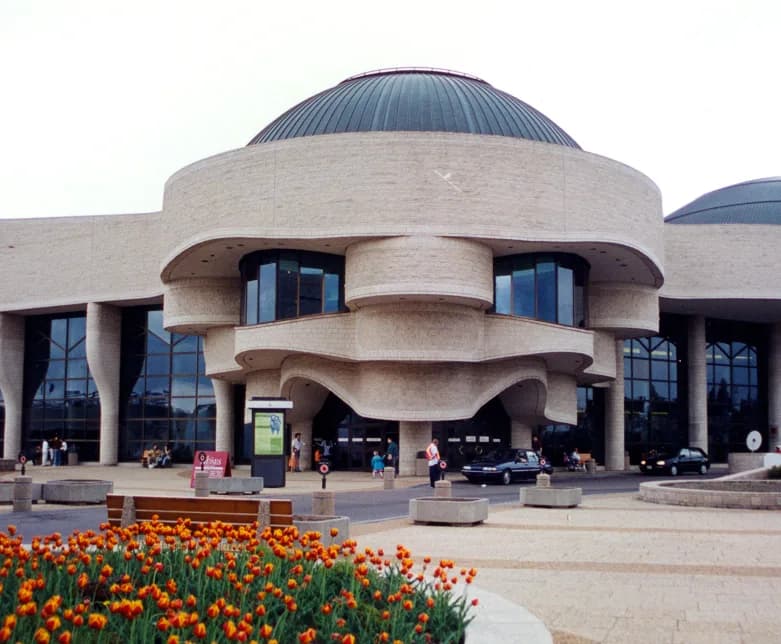
Canadian Children's Museum
Part of the Canadian Museum of History, this interactive museum space invites children to explore world cultures through play and sensory discovery, in an educational setting designed specifically for young audiences.
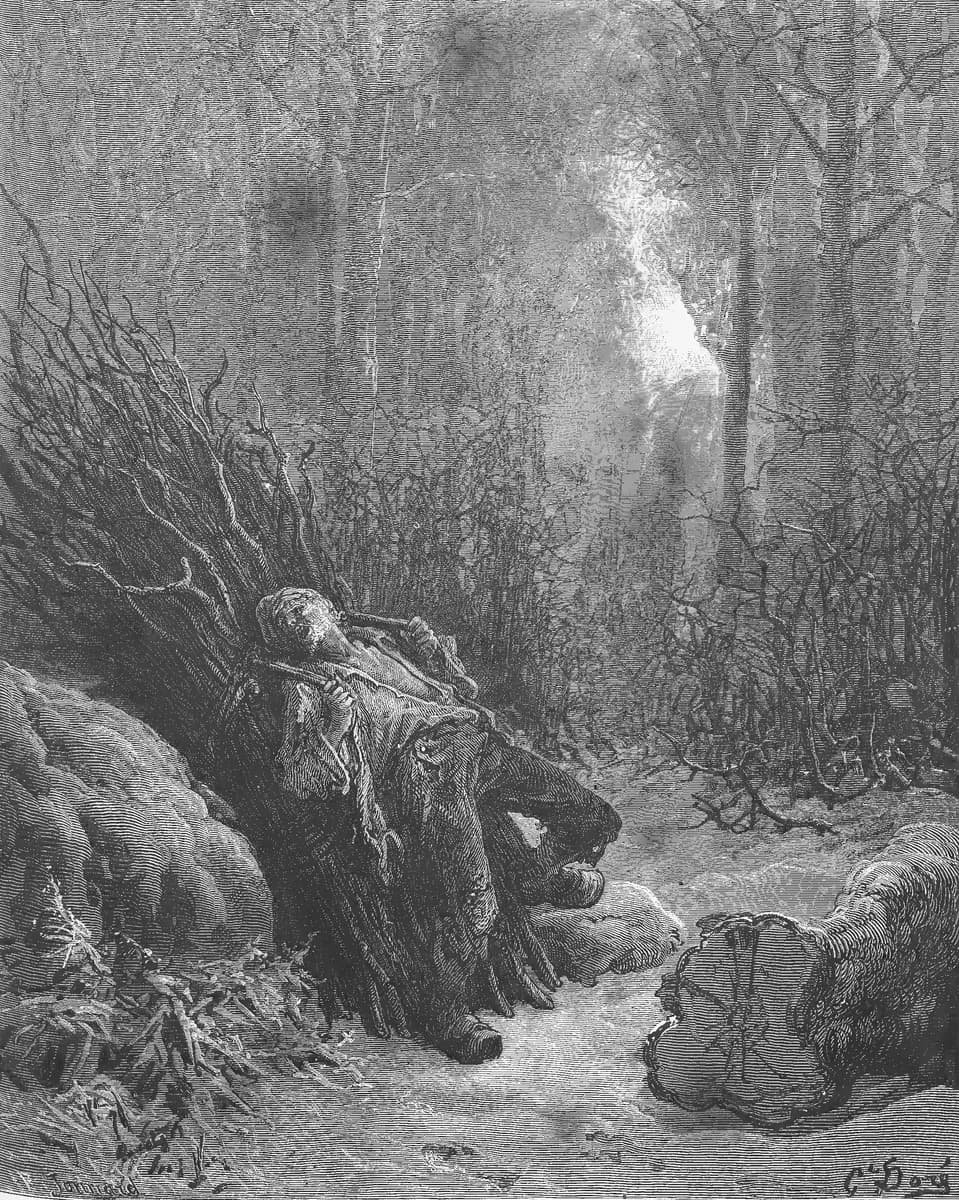
Village du Bûcheron
A living replica of an early-20th-century Québec logging camp, this site of more than 25 log buildings brings to life, with musician guides and storytellers, the lifestyle of the forestry workers who shaped the Mauricie economy.
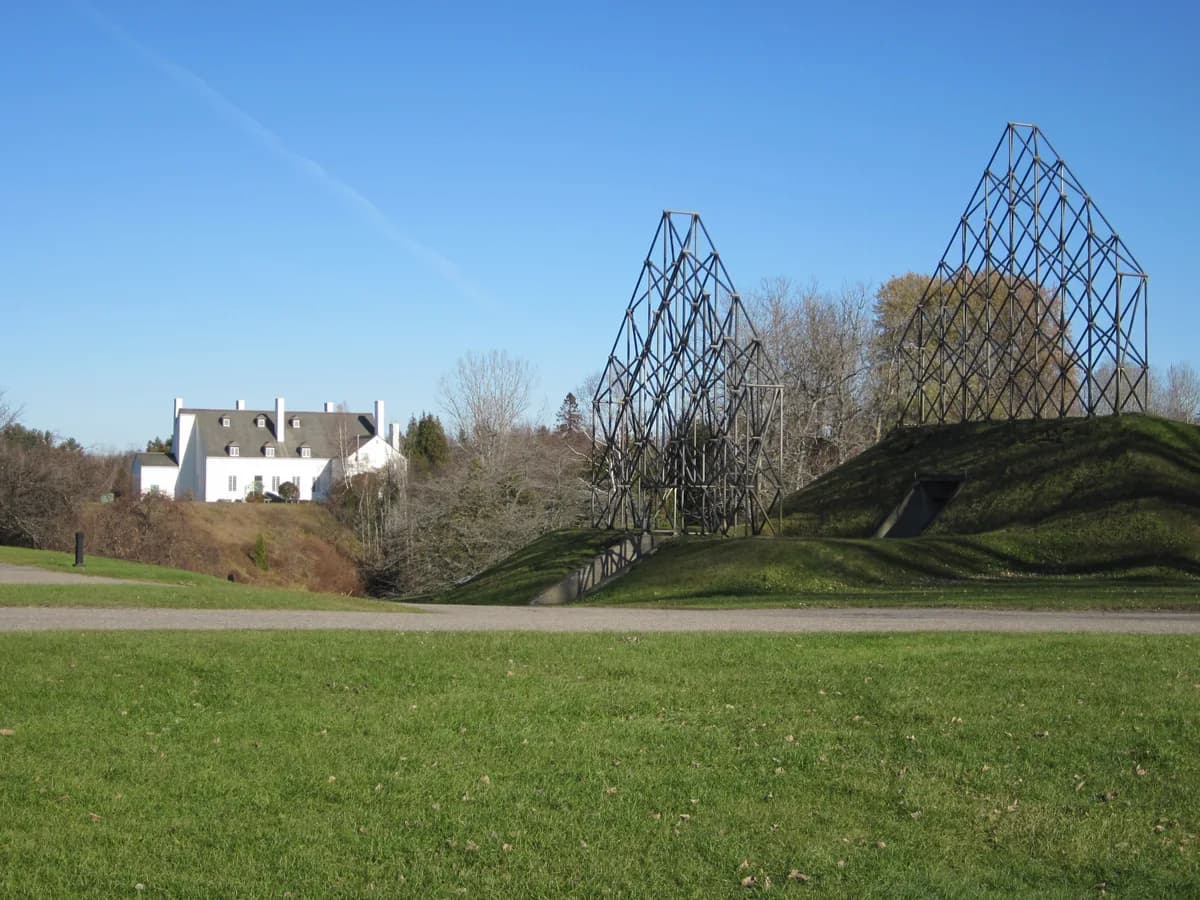
Forges du Saint-Maurice National Historic Site
The birthplace of Canadian steelmaking, founded in 1730, this national site preserves the archaeological remains of North America's first blast furnaces, where iron and cast iron were produced from ore mined in the surrounding marshes.
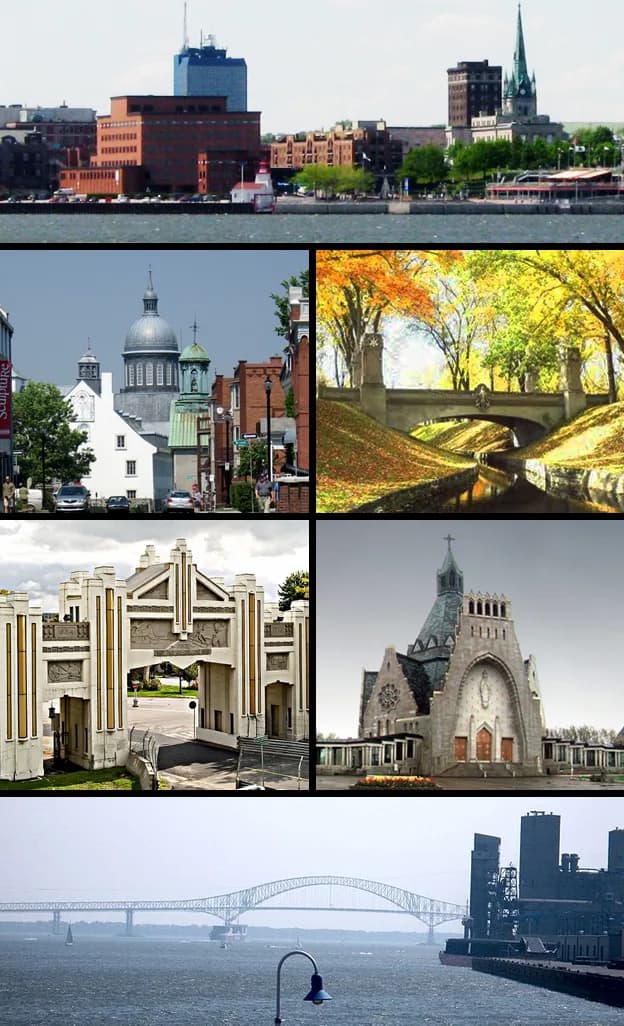
Old Trois-Rivières
Canada's second-oldest city, founded in 1634, Trois-Rivières' historic district combines a riverside promenade along the St. Lawrence, a Neo-Gothic cathedral with Florentine stained glass, and a 19th-century former prison turned interactive museum.
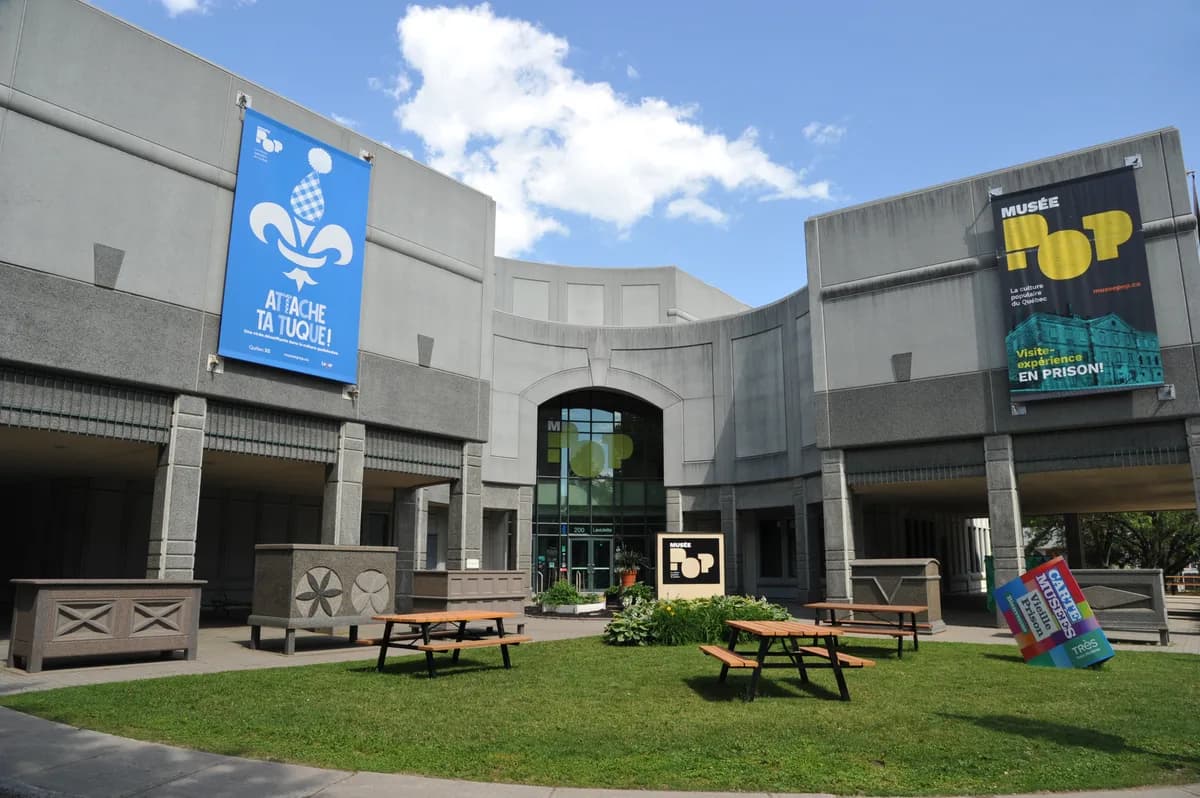
Musée Pop (Québec Museum of Popular Culture)
Housed in a museum complex including the adjacent Old Prison, Musée Pop explores Québec's social and cultural history through a thoroughly contemporary lens, blending folk art, mass culture, and ever-renewed themed exhibitions.
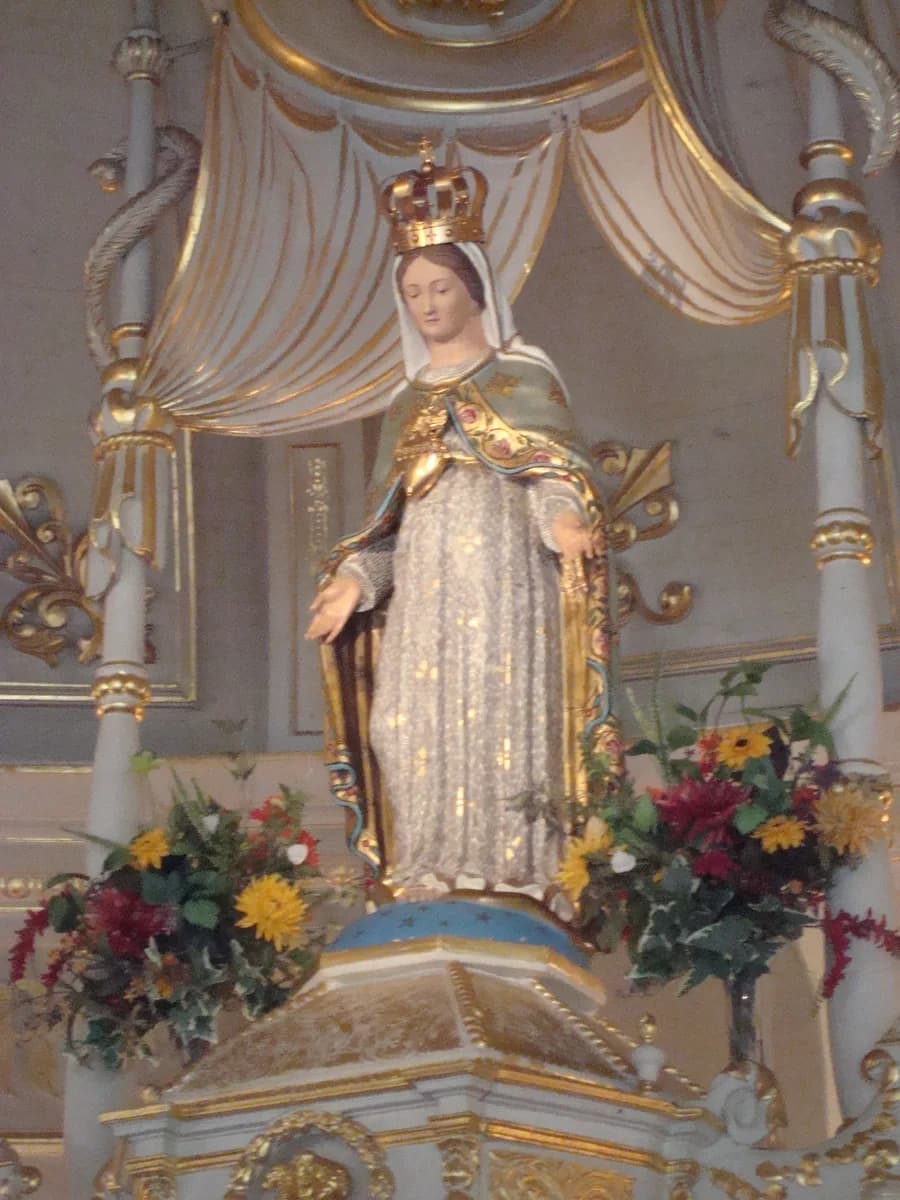
Our Lady of the Cape Shrine
The second most important Marian shrine in North America after Our Lady of Guadalupe, this pilgrimage site welcomes more than 500,000 visitors annually around a 1717 votive chapel and a futuristic-looking modern basilica.
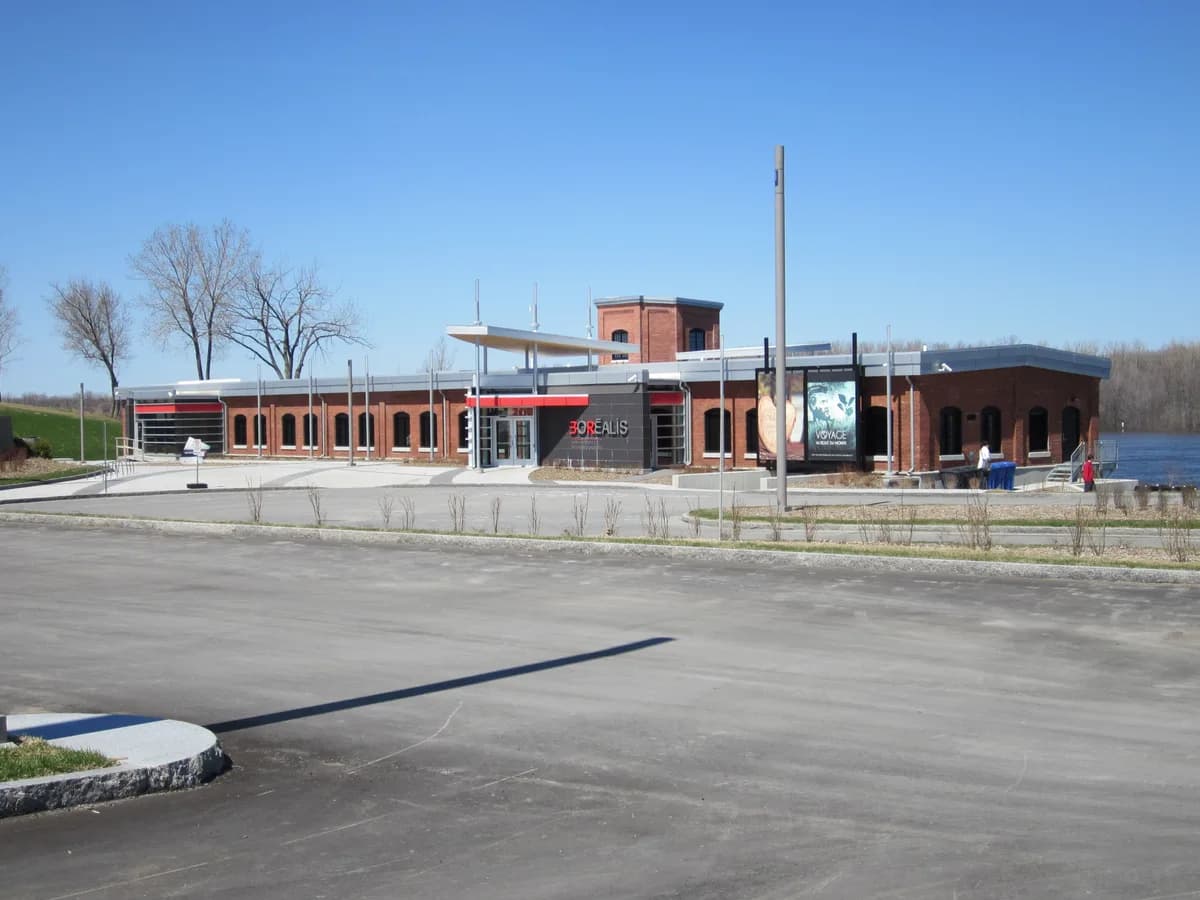
Boréalis — Paper Industry History Centre
Housed in a former Canadian International Paper water filtration plant, this interpretation centre traces the golden age of the paper industry that long earned Trois-Rivières the title of world newsprint capital.
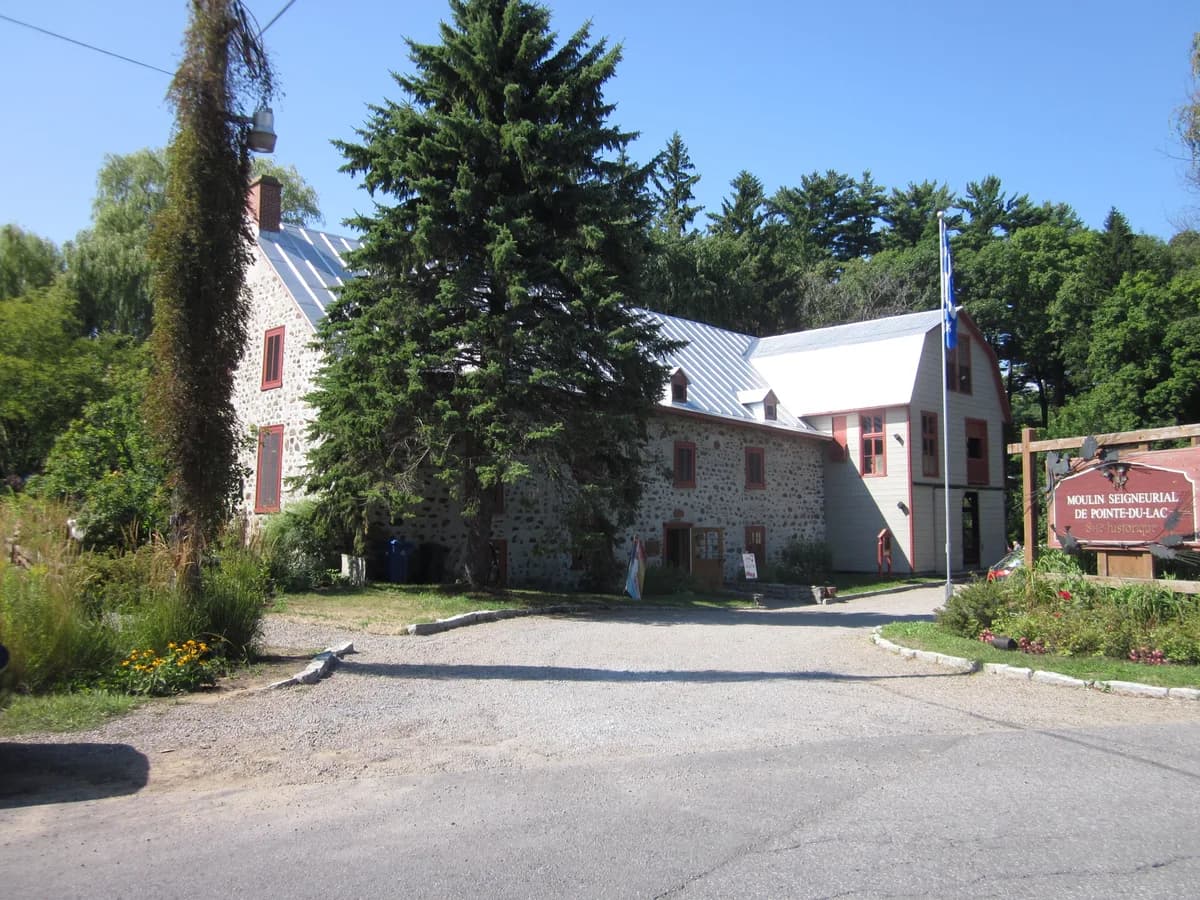
Pointe-du-Lac Seigneurial Mill
Built in 1721 by seigneur René Godefroy de Tonnancour, this flour mill bears witness to the seigneurial system that structured economic and social life in New France, where every tenant had to mill their grain at the local communal mill.
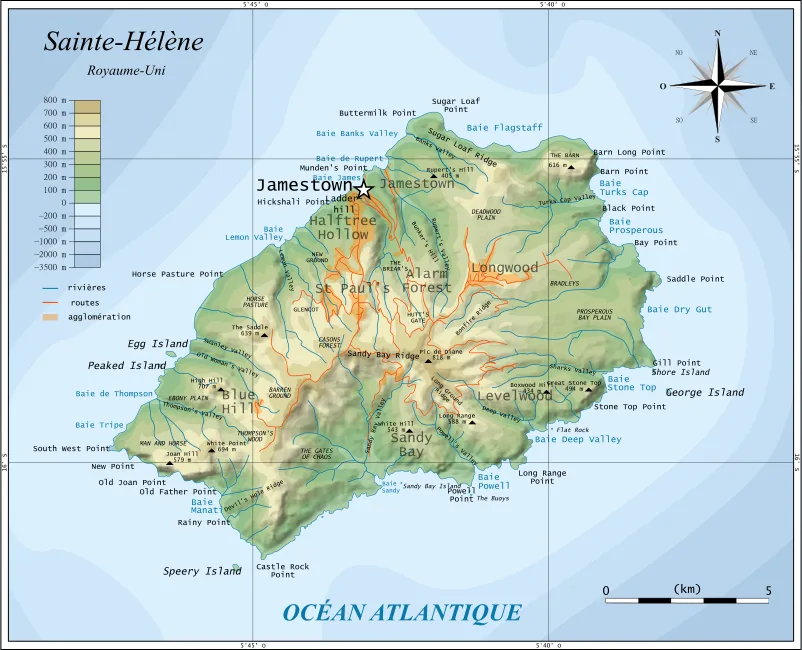
Île-des-Moulins Historic Site
Québec's second-most-important historic reconstruction site after Place-Royale in Québec City, this complex of five restored 18th-century buildings reflects the seigneurial system established as early as 1721 by Louis Lepage de Sainte-Claire.
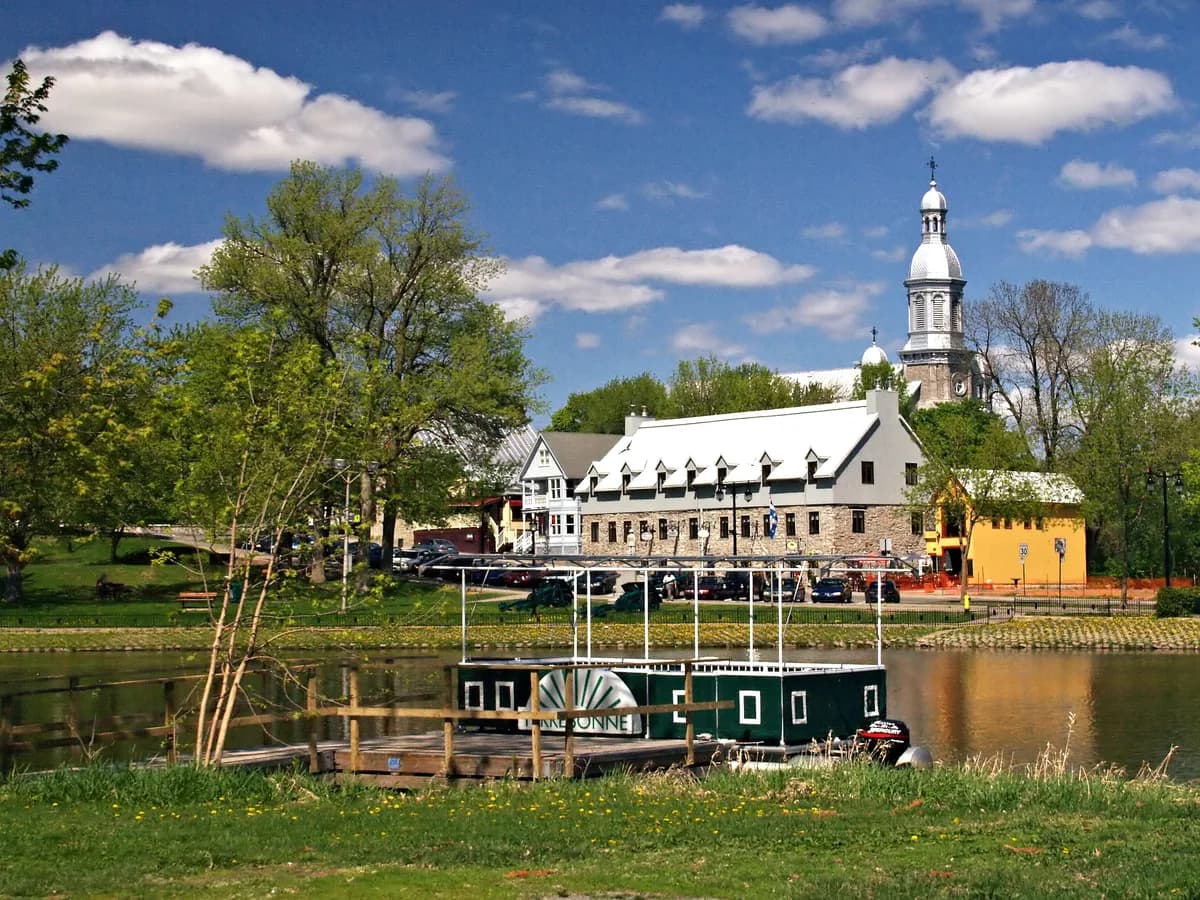
Old Terrebonne
Considered one of Québec's richest collections of built heritage, this historic district along the Mille Îles River brings together several 18th- and 19th-century architectural gems in a thoroughly lively atmosphere.
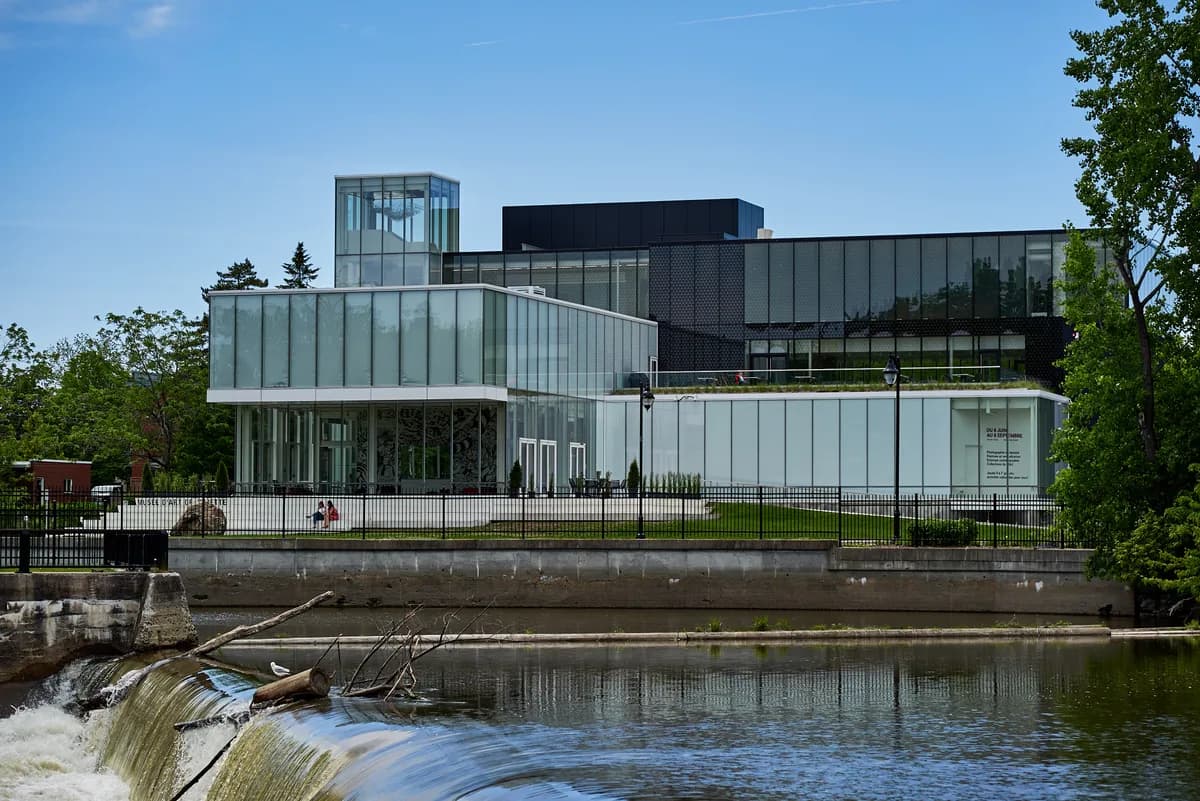
Musée d'art de Joliette
Québec's third-most-important art museum, with a collection of nearly 9,000 works spanning eight centuries of art history, this light-filled museum occupies a prime spot facing the Assomption River.
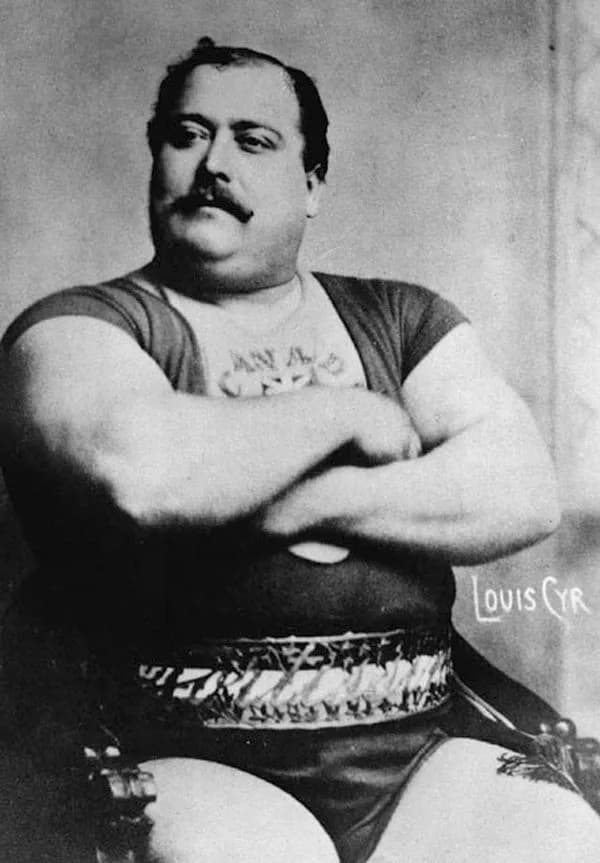
Maison Louis-Cyr
Set in the actual residence once owned by legendary strongman Louis Cyr, this restored house-museum traces the childhood, rise, feats, and circus life of the man considered the strongest in history.
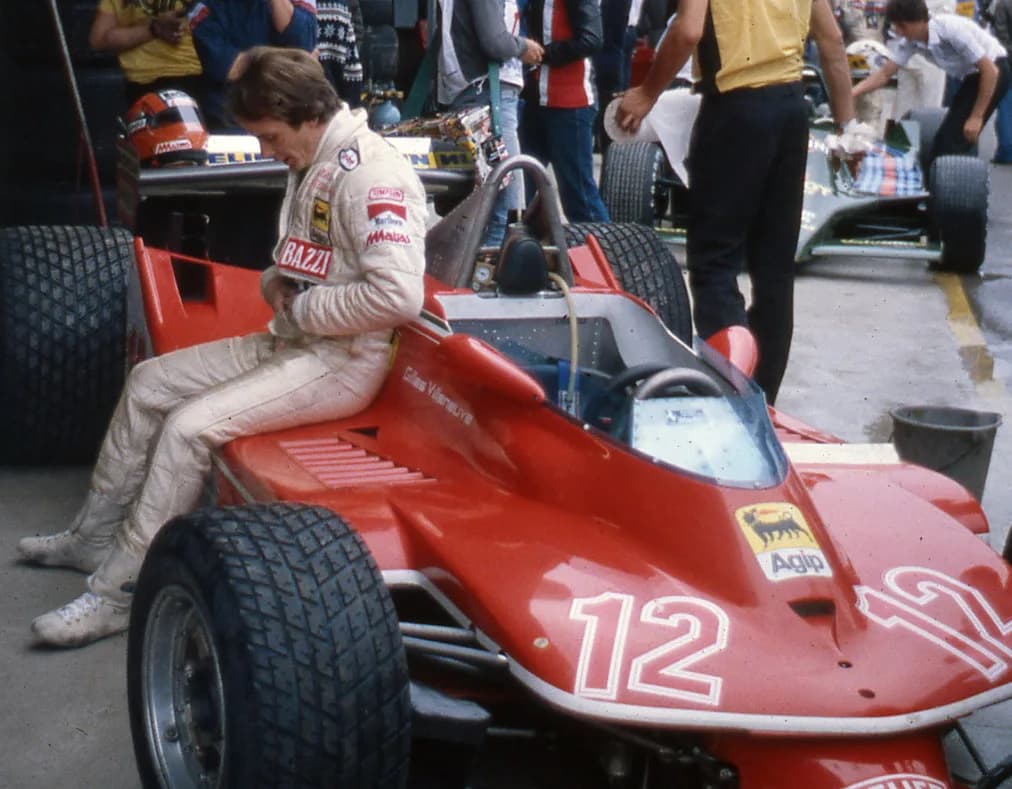
Musée Gilles-Villeneuve
Paying tribute to the Formula 1 driver many experts consider the fastest in history, this Berthierville museum displays race cars and snowmobiles, driving simulators, and a vast collection of objects tracing the meteoric career of this local-born star.
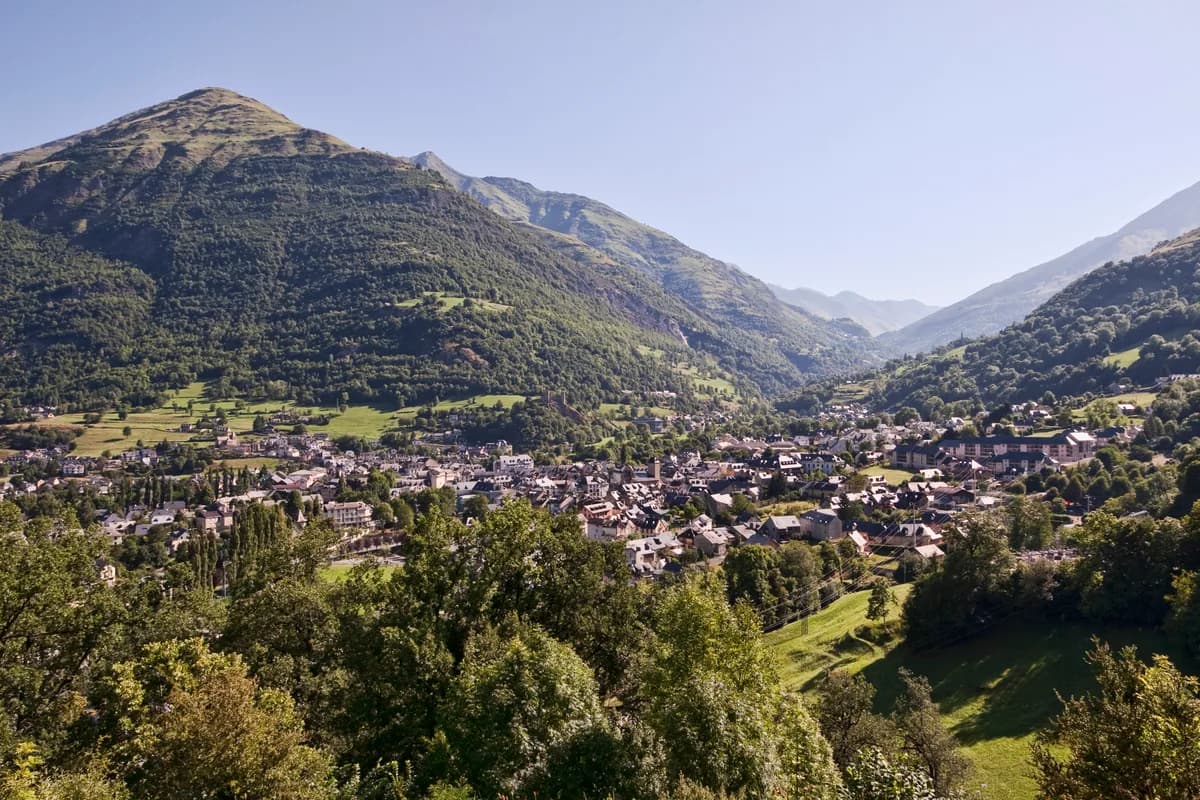
Sommet Saint-Sauveur and the Village of Saint-Sauveur
Québec's busiest close-to-home ski resort thanks to its proximity to Montréal, Saint-Sauveur turns into a lively water park each summer, while its neighbouring village remains one of the Laurentians' most popular dining and shopping destinations.
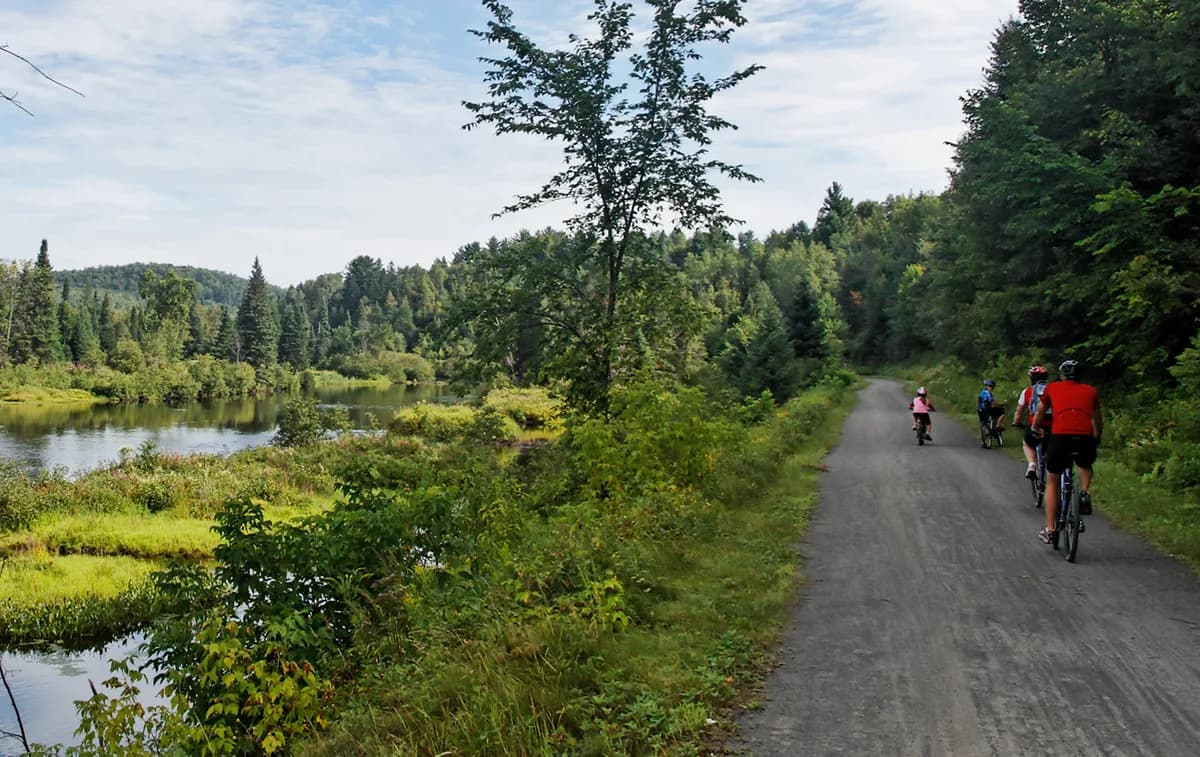
Le P'tit Train du Nord Linear Park
Canada's longest linear park at 234 kilometres, this trail built on a former railway line crosses the entire Laurentian territory from Montréal's northern suburbs to Mont-Laurier, dotted with heritage stations converted into tourist rest stops.
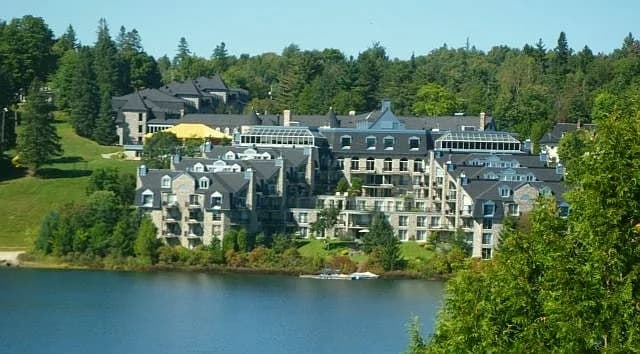
Sainte-Adèle and Le Chantecler
One of the Laurentians' oldest resort destinations, Sainte-Adèle is home to Le Chantecler, an iconic resort hotel founded in the early 20th century, plus a particularly popular stretch of the P'tit Train du Nord linear park along Lac Rond.
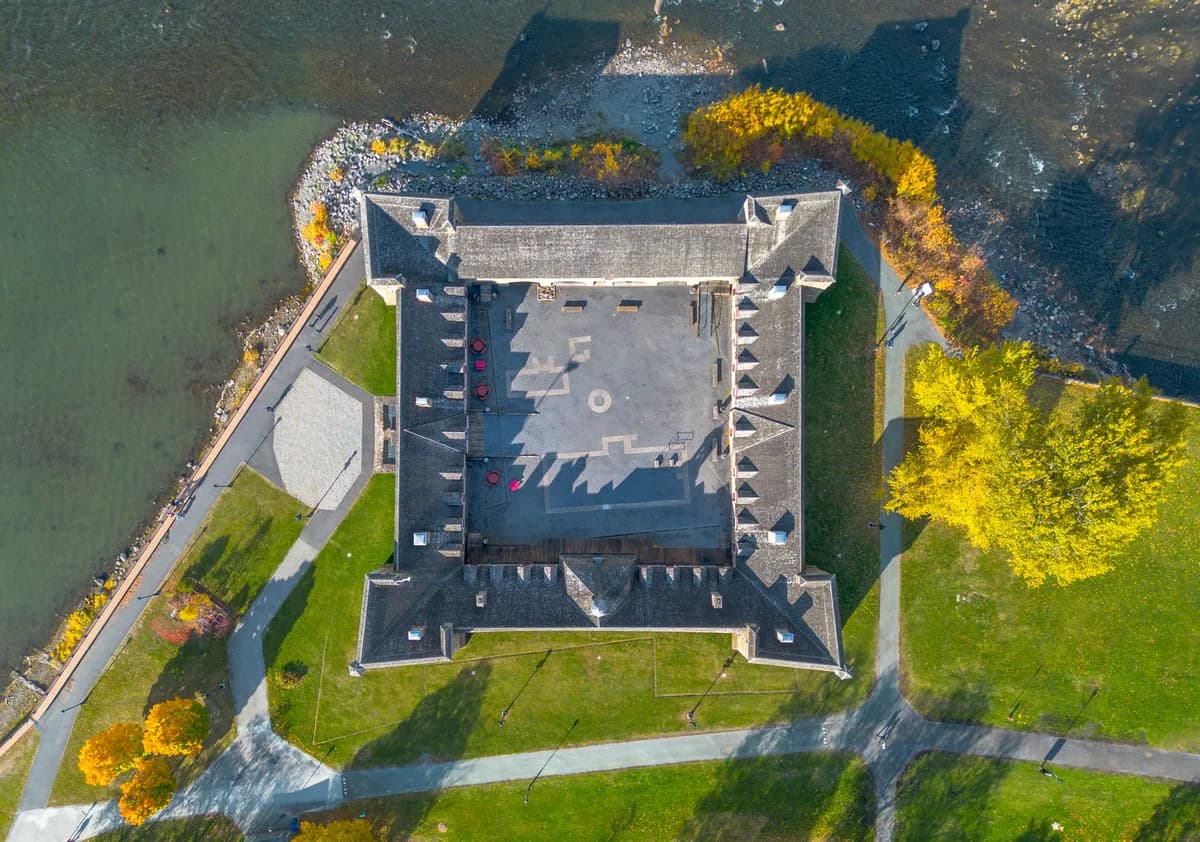
Fort Chambly National Historic Site
Built of stone in 1711 at the foot of the Richelieu rapids, after three successive wooden forts, this fortification was a pillar of New France's defence against British invasions coming from Lake Champlain.
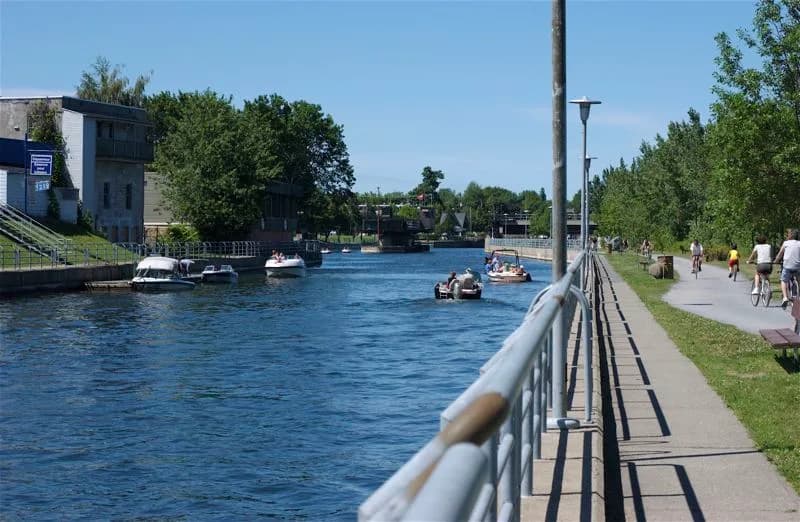
Chambly Canal National Historic Site
North America's first fortified lock structure and a direct ancestor of the St. Lawrence Seaway, this 20 km canal with nine locks links Chambly to Saint-Jean-sur-Richelieu, bypassing the river's historic rapids.
Maison nationale des Patriotes
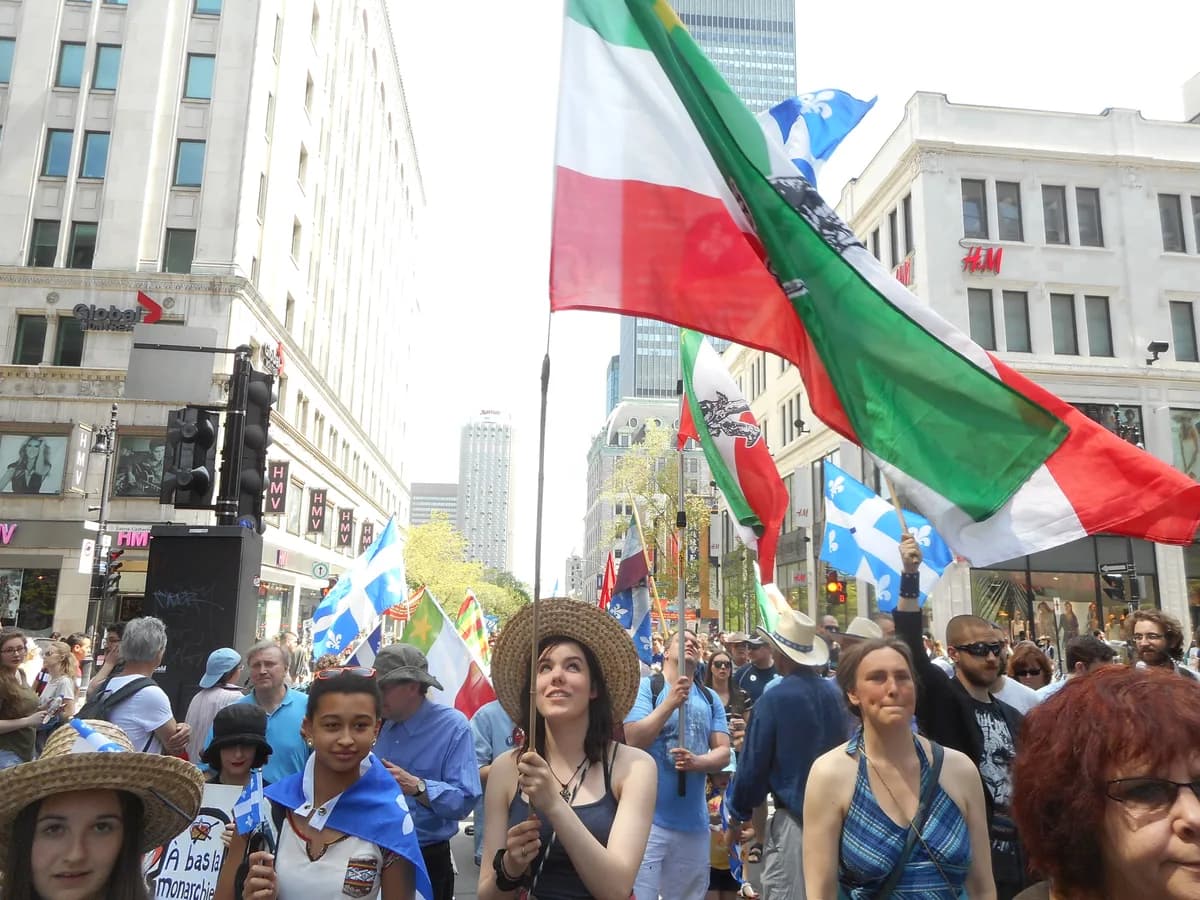
Québec's only museum entirely devoted to the history of the 1837–1838 Patriotes, this designated historic house stands in the very village where the insurgents won their sole victory against the British army, making it a symbol of the cradle of Canadian democracy.
Brome-Missisquoi and Richelieu Valley Wine Route
A network of vineyards, cideries, orchards, and chocolate makers spread along marked agritourism circuits, this gourmet route builds on Montérégie's historic farming vocation to offer a discovery of local terroirs through tastings and bucolic landscapes.
Old Boucherville and Seigneurial Heritage
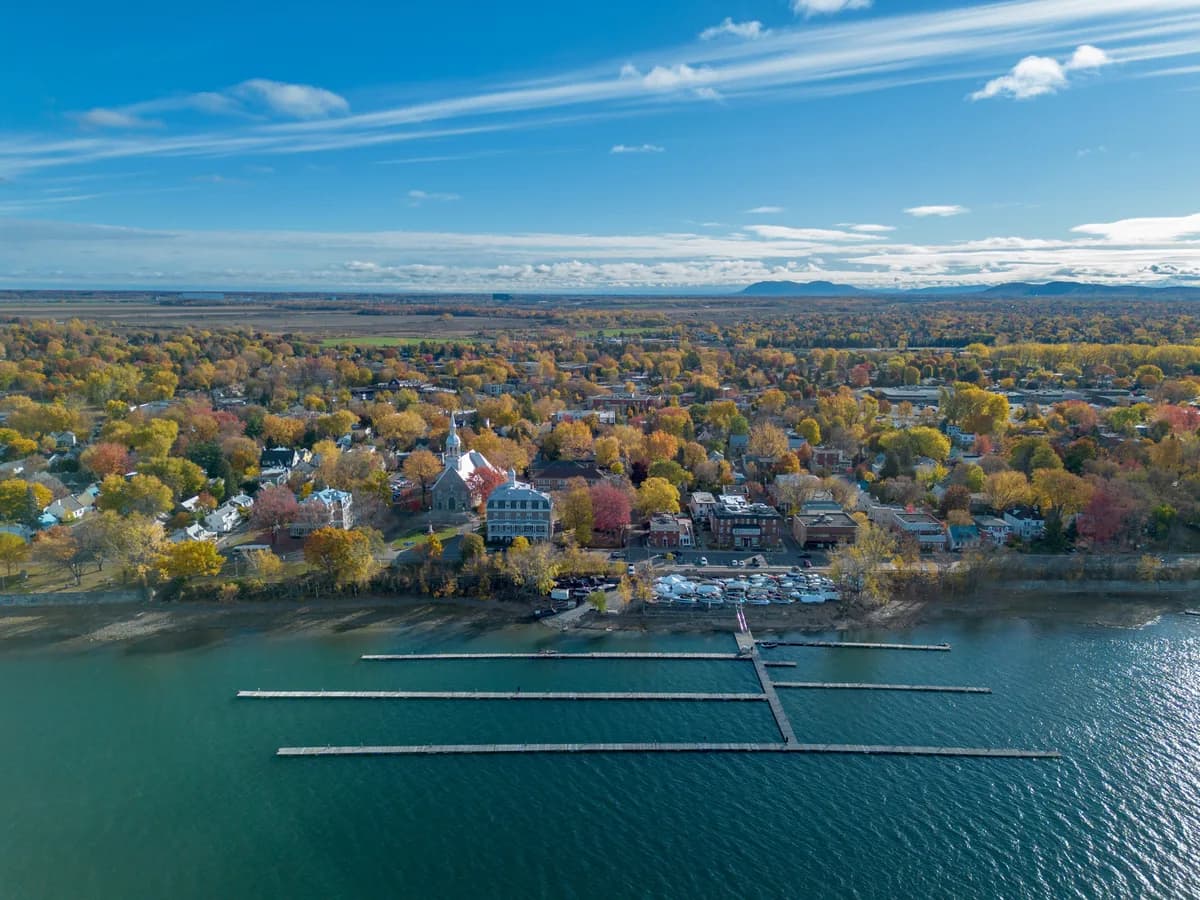
Founded in 1667 at the initiative of Pierre Boucher, one of the oldest village cores on the south shore of the St. Lawrence preserves a remarkable seigneurial architecture, a direct witness to the early settlement of this part of the Montérégie territory.
Québec City–Lévis Ferry
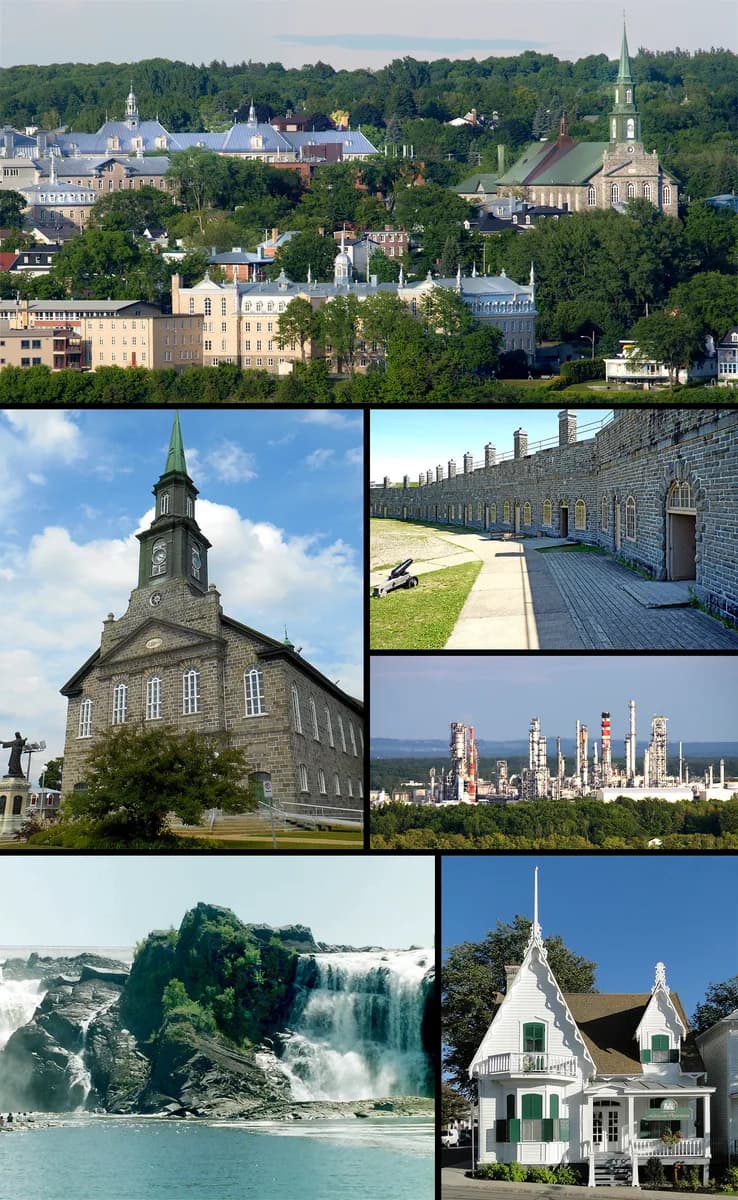
Linking Old Québec to Lévis's Quai Paquet for generations, this ferry offers one of the most spectacular perspectives on the capital, gliding right past the Château Frontenac and the fortifications of Old Québec.
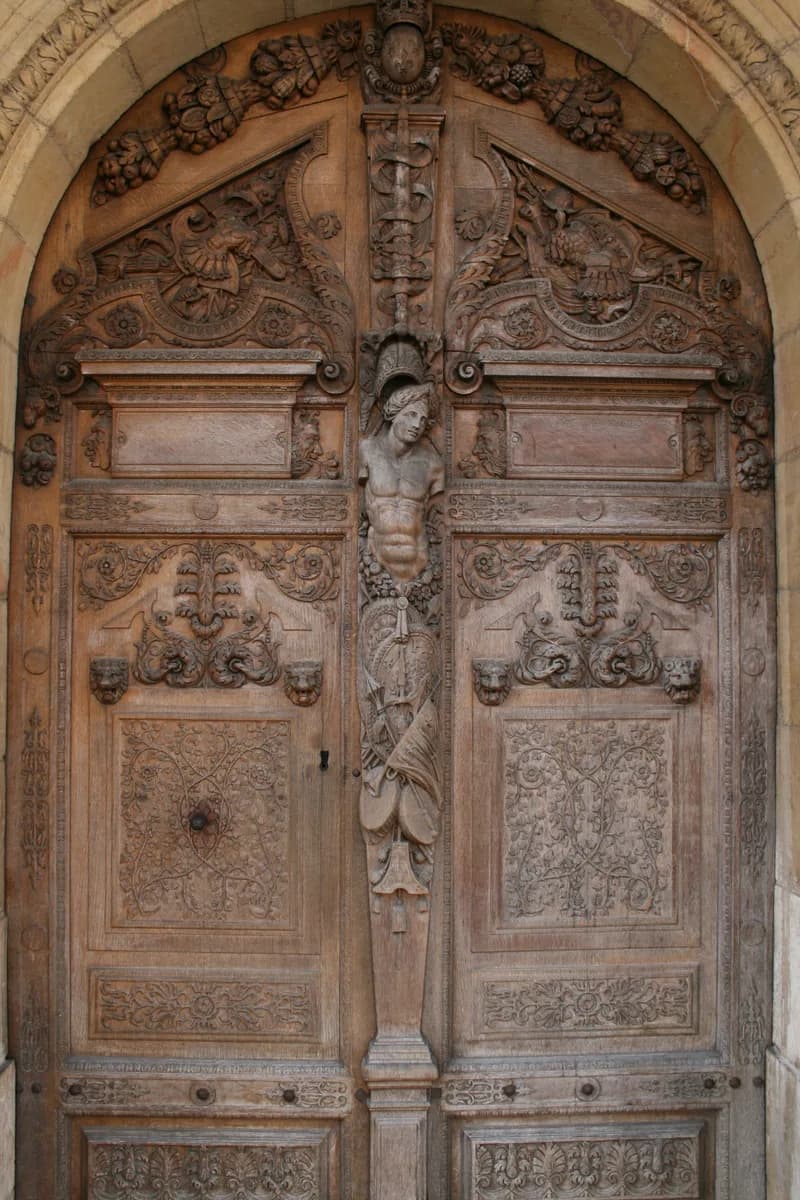
Musée de la sculpture sur bois
North America's most prestigious museum and interpretation centre devoted to wood carving, this institution, marking its fiftieth anniversary, displays more than 250 works tracing the artistic legacy of the legendary Bourgault brothers.
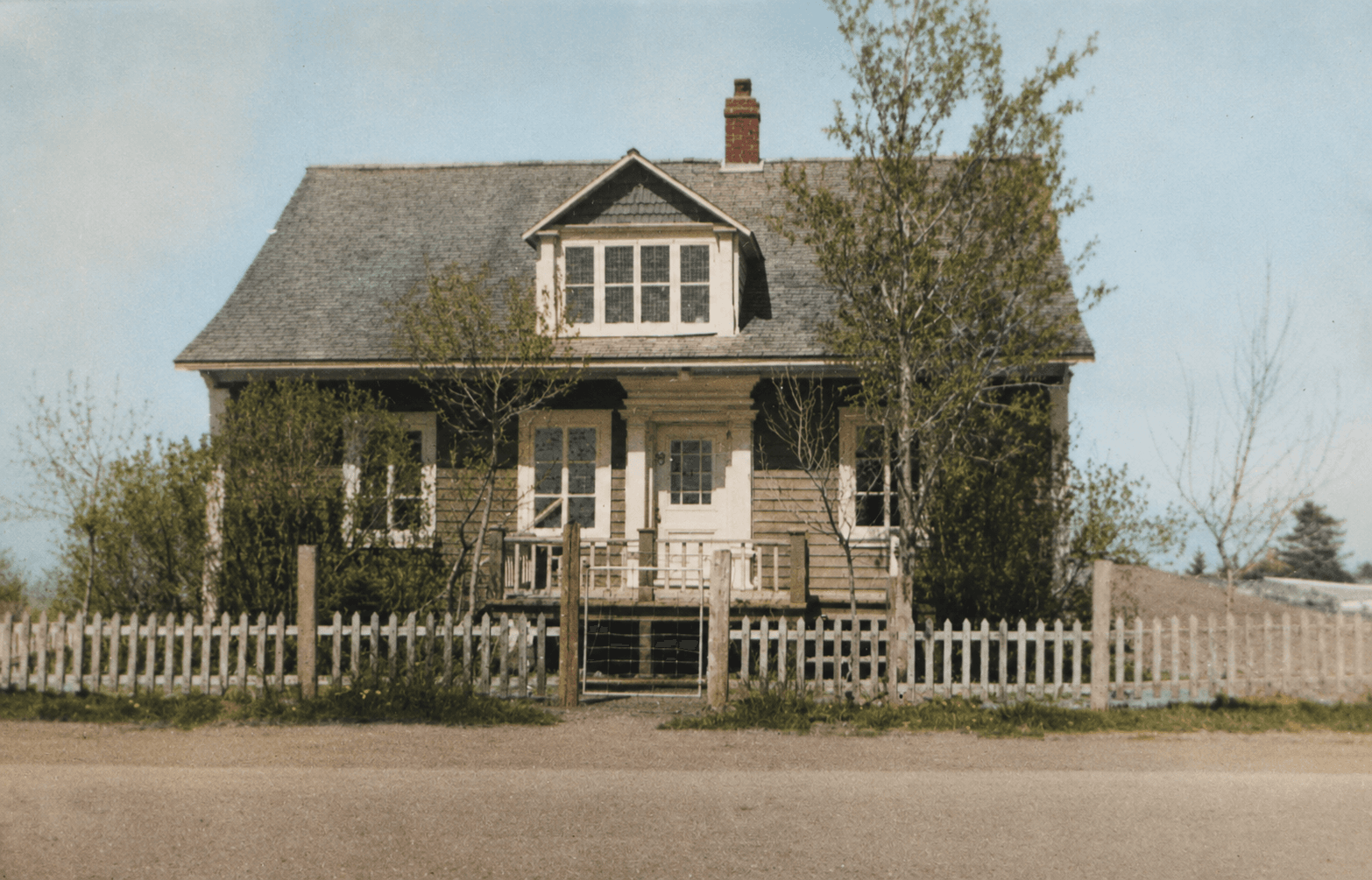
Domaine Médard-Bourgault
A home that truly belonged to sculptor Médard Bourgault, this house-museum holds nearly 260 works created by the artist himself as well as by his children, brothers, students, and fellow artisans, forming an intimate testimony to the passing down of a family craft.
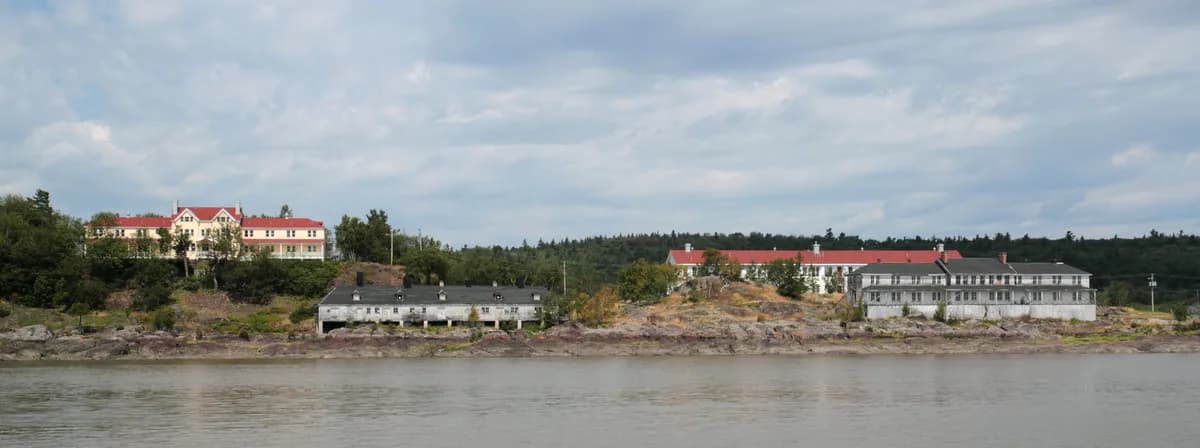
Grosse Île and the Irish Memorial National Historic Site
A former quarantine station where thousands of Irish immigrants fleeing the Great Famine perished in the 19th century, this commemorative site, reachable by cruise from Berthier-sur-Mer, keeps alive the moving memory of this migratory tragedy through a memorial and a Celtic cross.
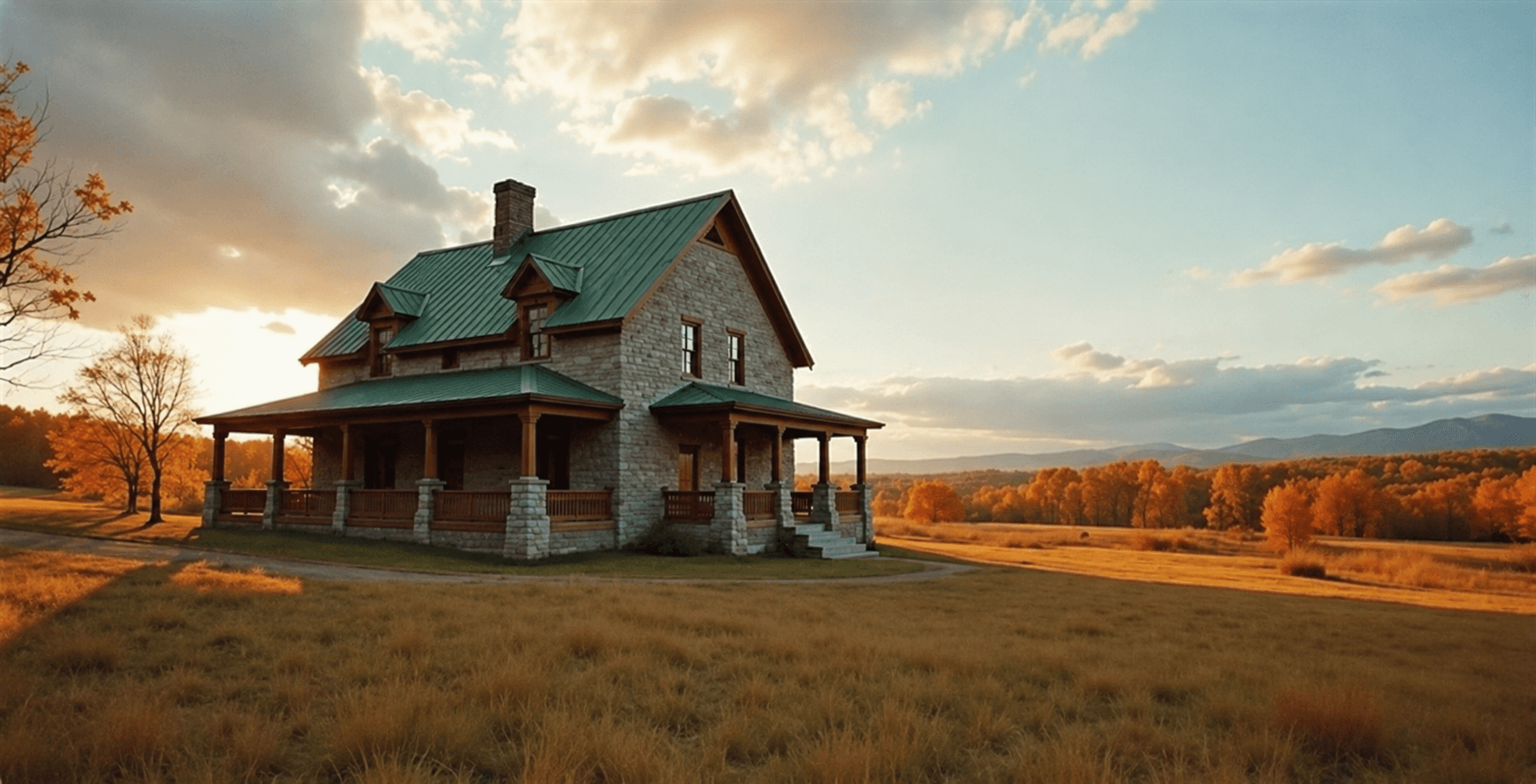
Beauce Orchard and Agritourism Trail
Building on Beauce's centuries-old farming tradition, this themed circuit links orchards, cideries, distilleries, and maple groves offering a gourmet discovery of local terroir, rounded out by original experiences blending agriculture and family entertainment.
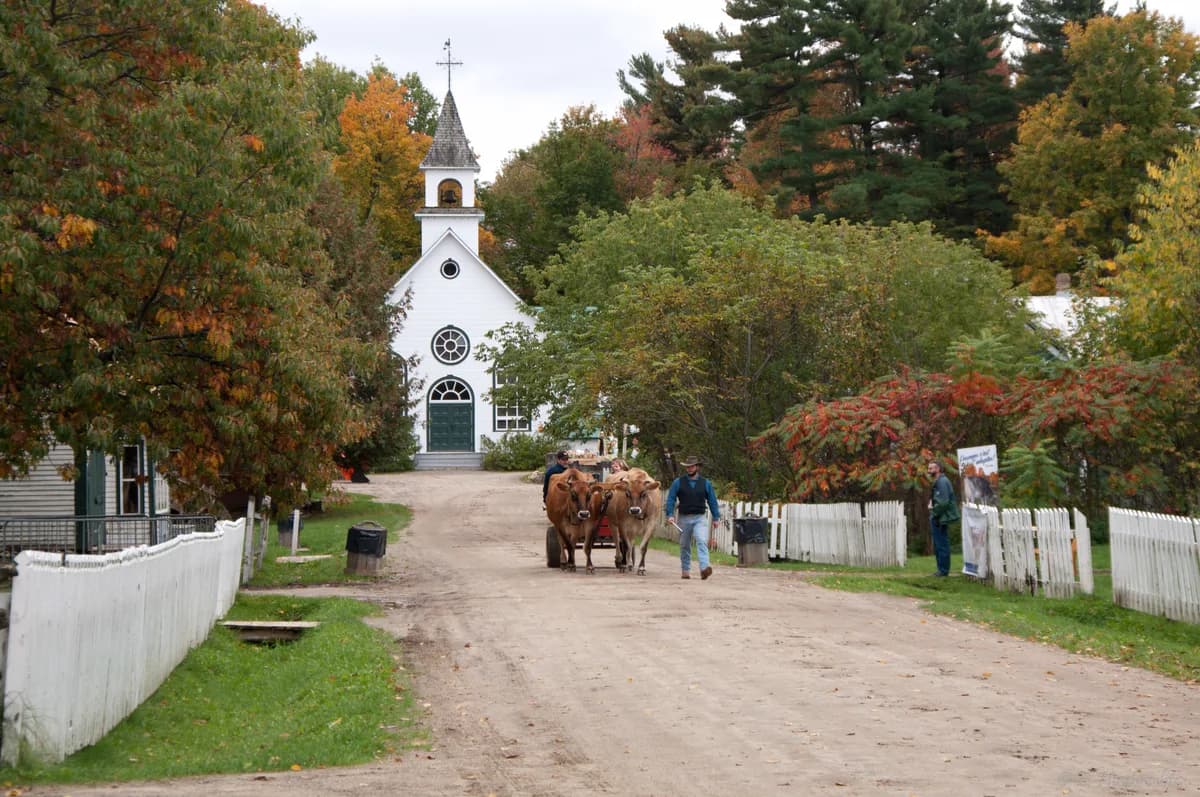
Village québécois d'antan
Québec's first historic-tourism site of its kind, designed in 1977, this reconstructed village of more than 70 authentic buildings from the 1810s to the 1930s offers a costumed daytime immersion and, after dark, an original multimedia experience called the Parallel Village.
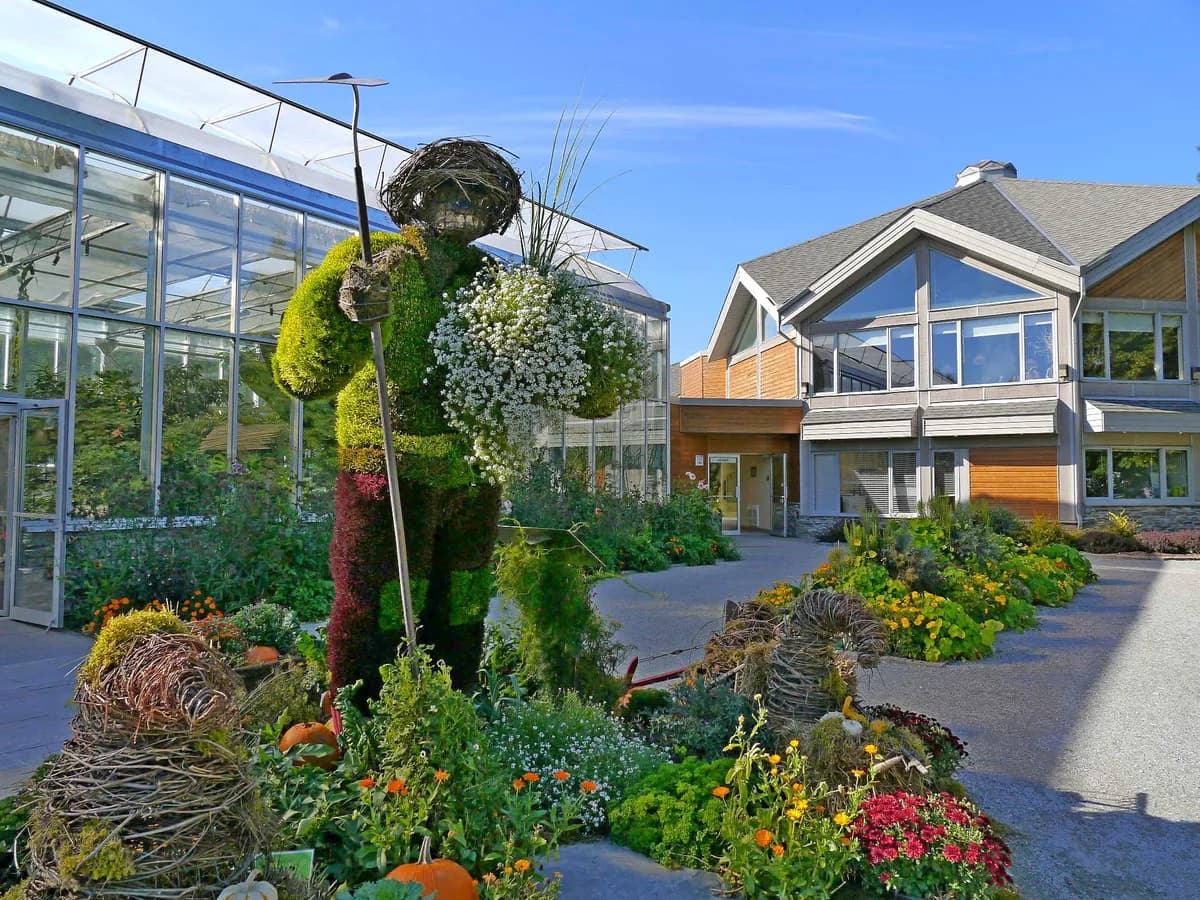
Parc Marie-Victorin
Created in 1985 in tribute to the father of modern Québec botany, a native of Kingsey Falls, this garden-museum stands out for its spectacular three-dimensional mosaiculture sculptures and its collection of 1,200 carnivorous plants, complemented since 2025 by a new museum devoted to Québec heritage.
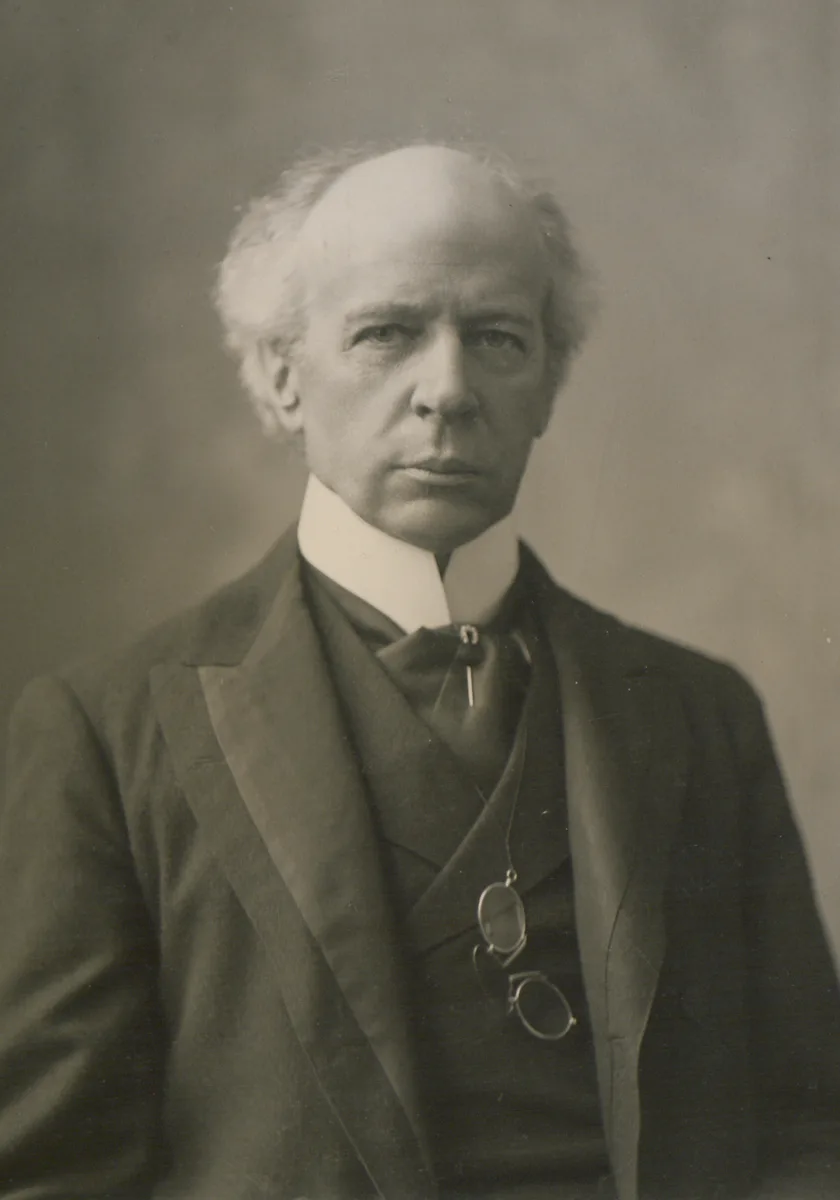
Musée Laurier — Wilfrid-Laurier House National Historic Site
The personal residence of Sir Wilfrid Laurier, the first French-Canadian to lead Canada's government, this elegant Italianate house, built in 1876, has housed since 1929 a museum devoted to the career of this statesman, the longest-serving prime minister in Canadian history.
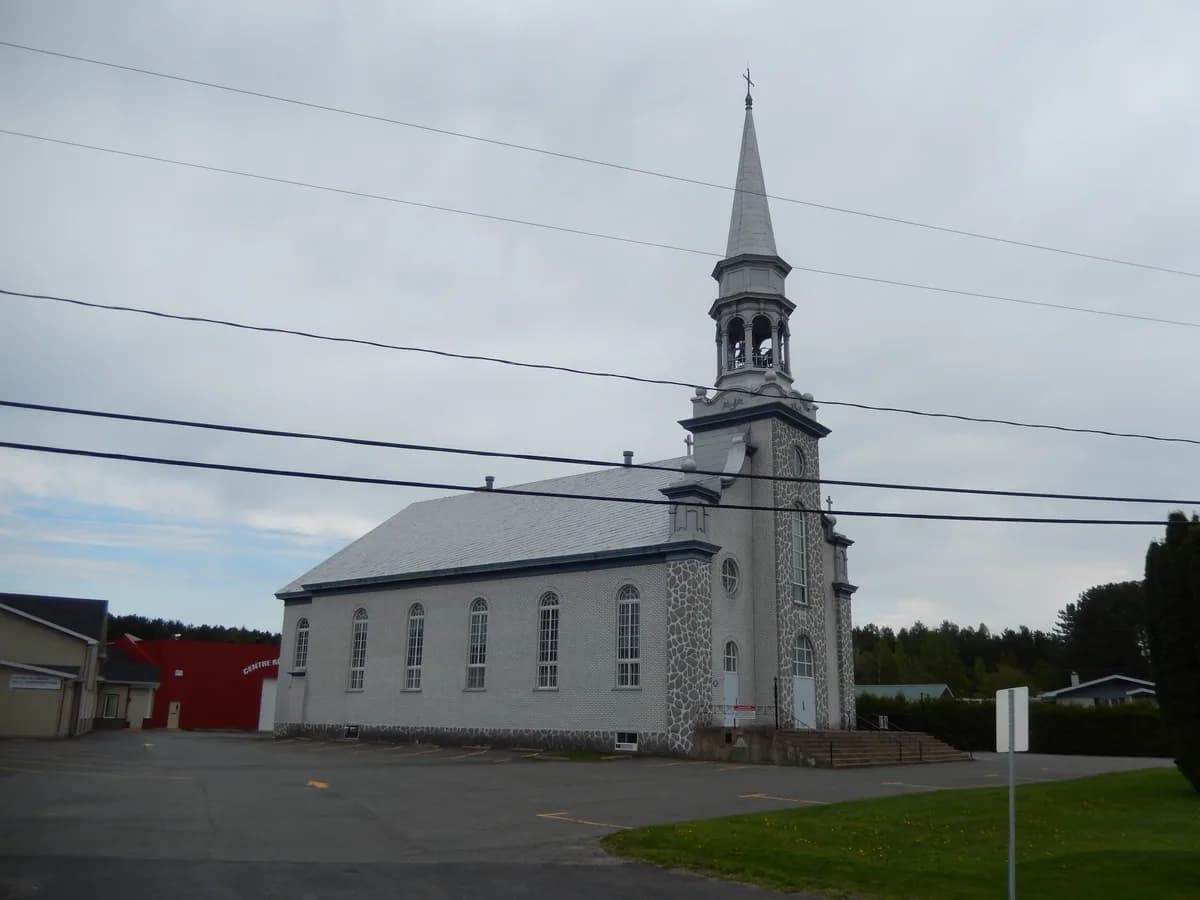
Cranberry Interpretation Centre
Opened in 1996 in Québec's cranberry capital, this seasonal centre welcomes visitors during the spectacular harvest period, from mid-September to mid-October, for a complete exploration of this little red fruit from cultivation to processing.
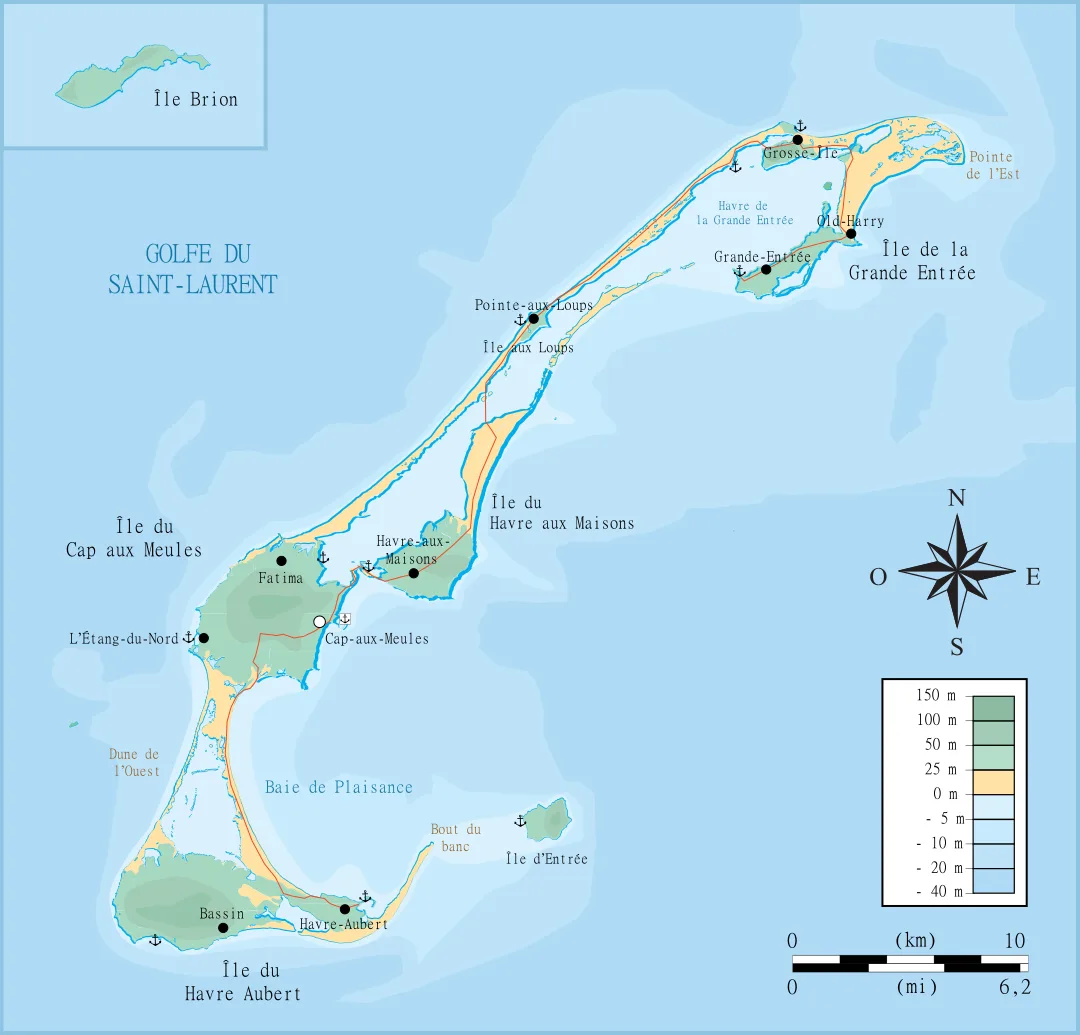
La Grave Historic Site
The cradle of the archipelago's settlement, designated a historic site in 1983, this hamlet of traditional cedar-shingled buildings, once devoted to fishing and trade, today houses artisan boutiques, cafés, and the Vieux Treuil performance hall.
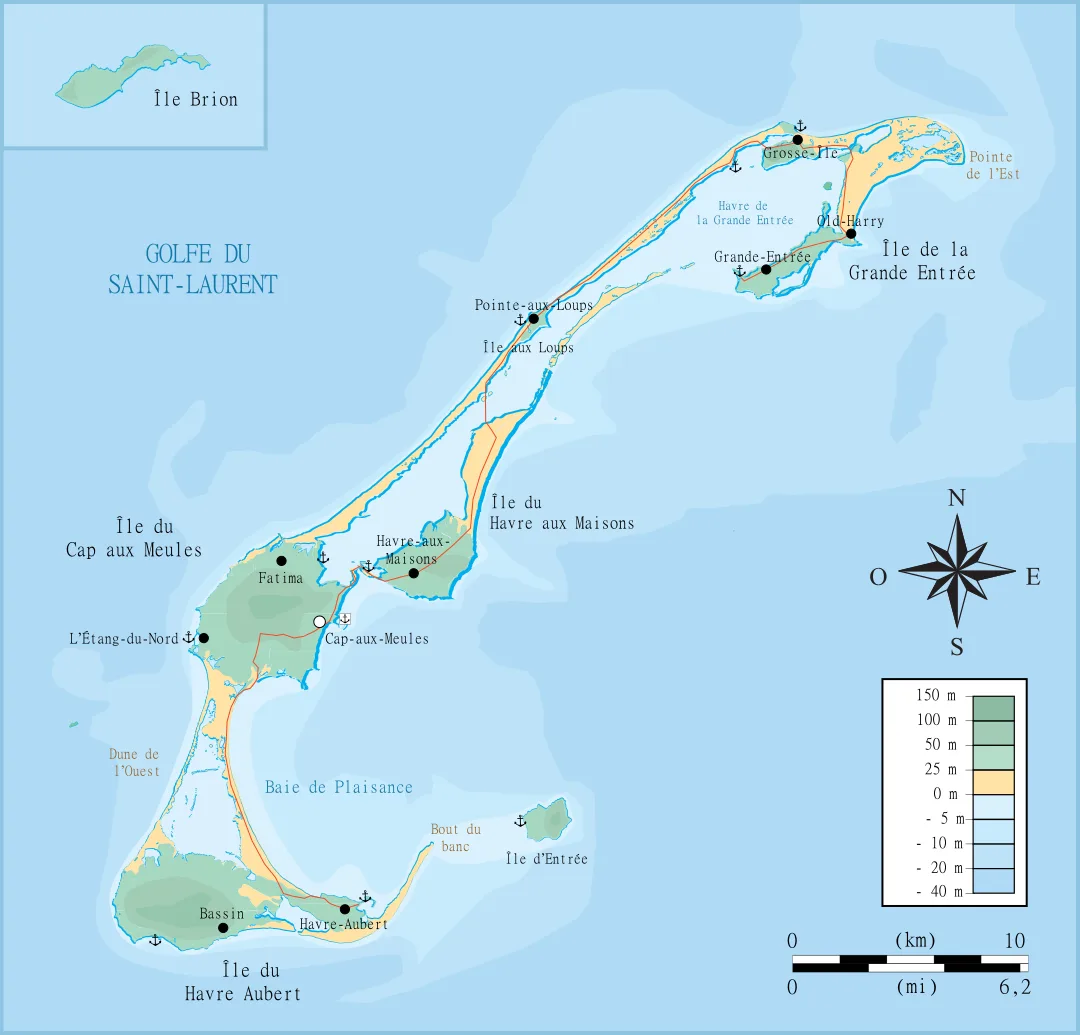
Musée de la Mer des Îles de la Madeleine
Overlooking the La Grave heritage site from Cap Gridley, this ethno-historical museum, founded in 1969, has spent more than half a century tracing the archipelago's maritime history and heritage, including the skeleton of a young sperm whale stranded in 2008.

La Cité de l'Or
Canada's only historic site offering a genuine underground descent into a former gold mine, this complex offers a day-as-a-miner experience 91 metres underground, complemented by a visit to the still-inhabited mining village of Bourlamaque.
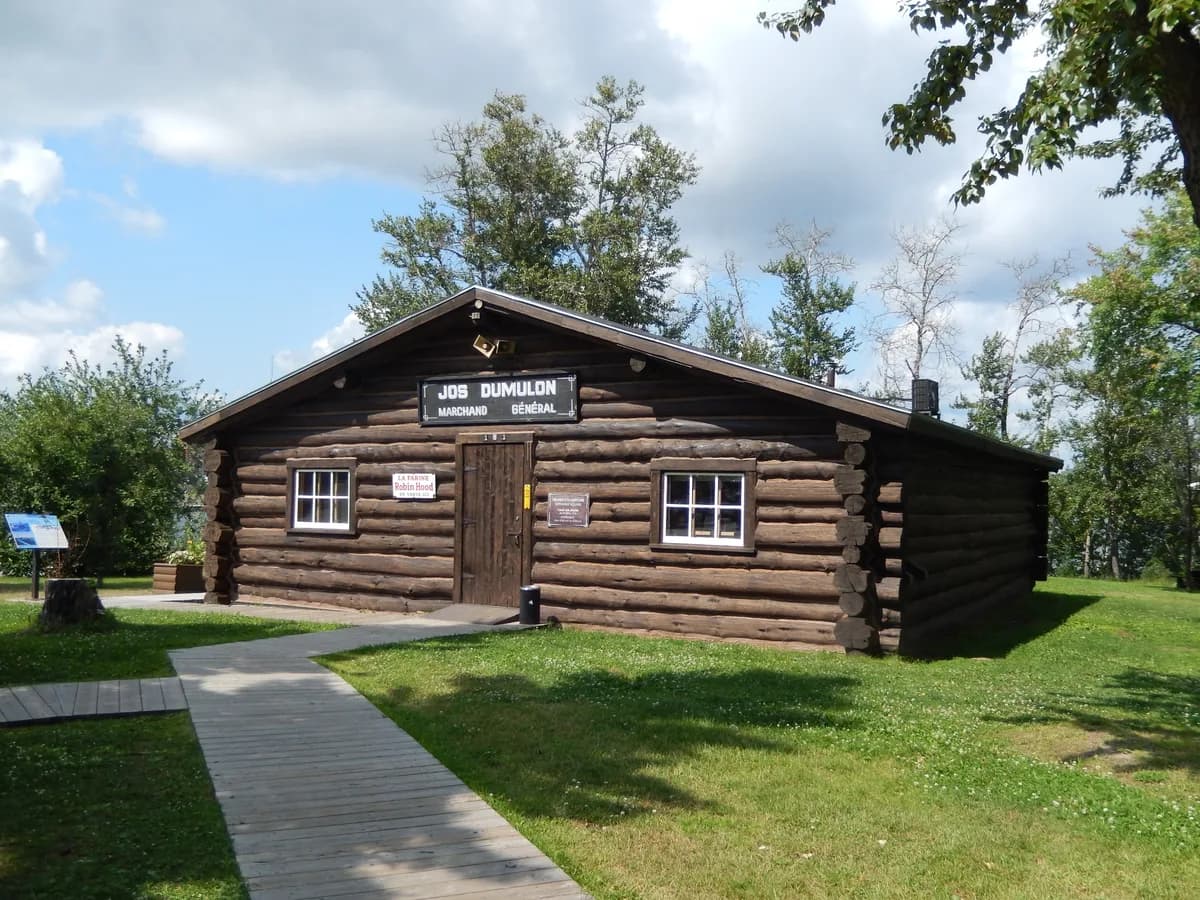
Magasin général Dumulon
The township's first general store, founded in 1924 by the Dumulon family on the shore of Lac Osisko, this authentic store and post office comes back to life today through costumed characters who humorously recount the origins of Rouyn-Noranda's founding.
Sainte-Thérèse-d'Avila Cathedral
North America's only Romano-Byzantine-style cathedral, this circular structure, built in 1922–1923, stands out for its copper-clad reinforced-concrete dome, its French stained glass from Rennes, and its Venetian mosaics, the fruit of a founding journey by settlers who arrived by canoe along the Harricana River.
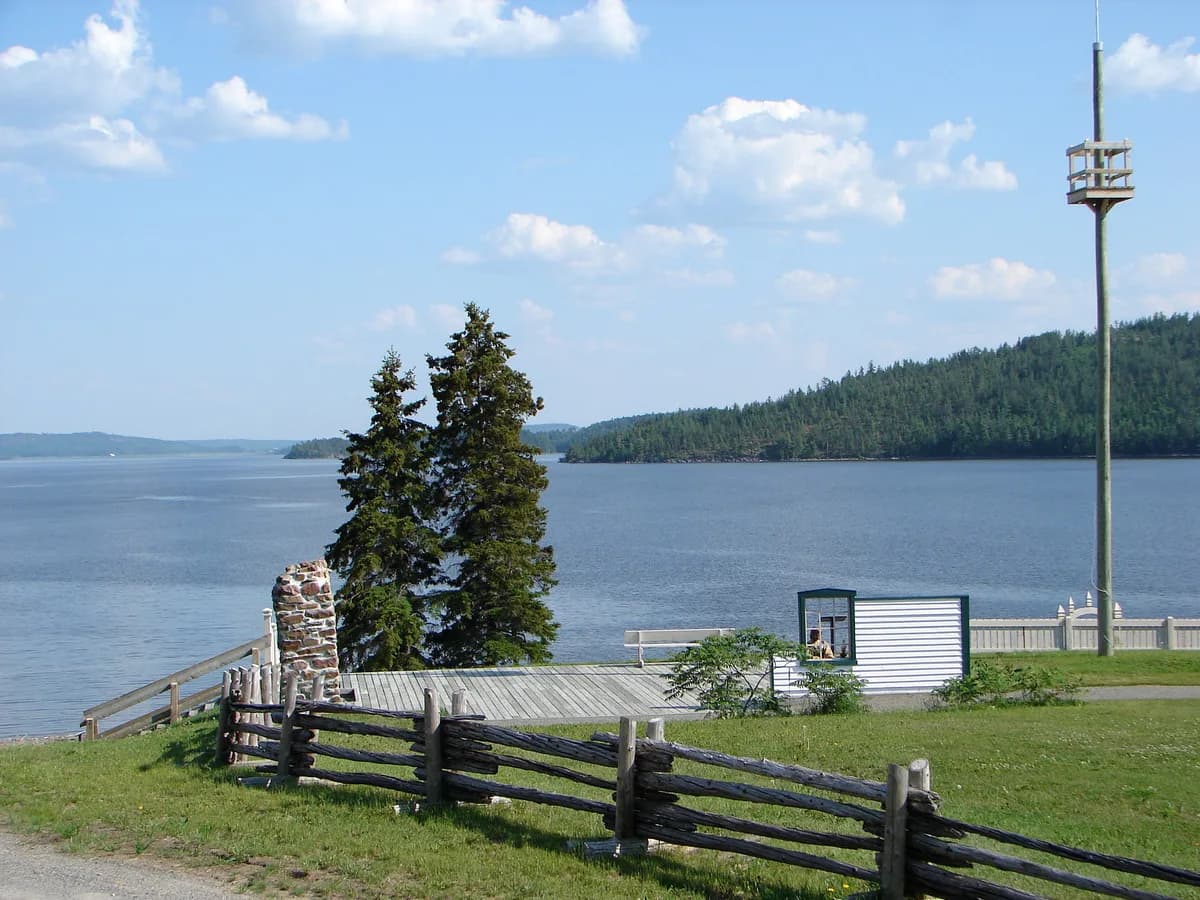
Fort-Témiscamingue–Obadjiwan National Historic Site
A fur-trading post frequented by the Algonquin for centuries, this historic site on the shore of Lake Témiscamingue traces more than two centuries of French, then British, occupation, built around a strategic location at the crossroads of northern trade routes.
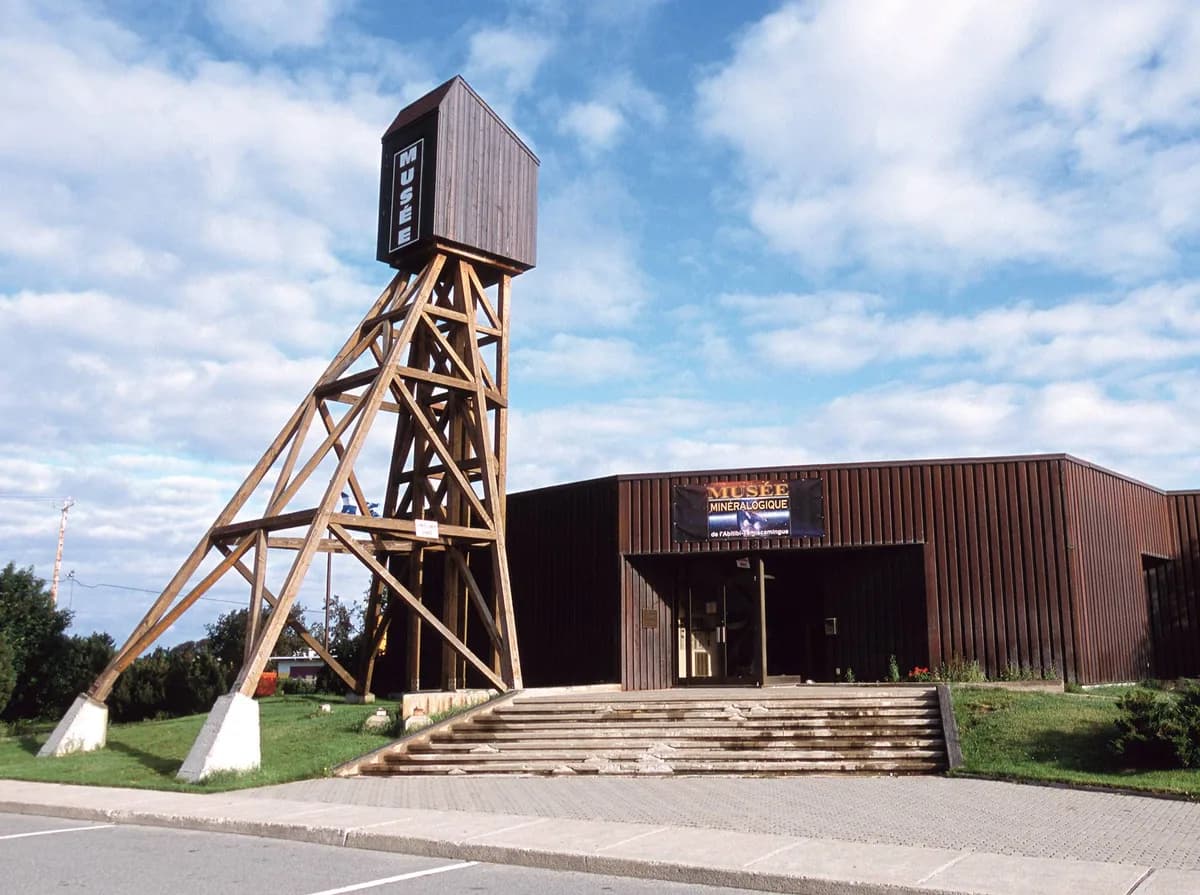
Abitibi-Témiscamingue Mineralogy Museum
The only museum of its kind in Québec, this institution offers an immersive family exhibition on the fascinating world of minerals and rocks hidden beneath the Earth's surface, highlighting the geological wealth that founded the region's mining economy.
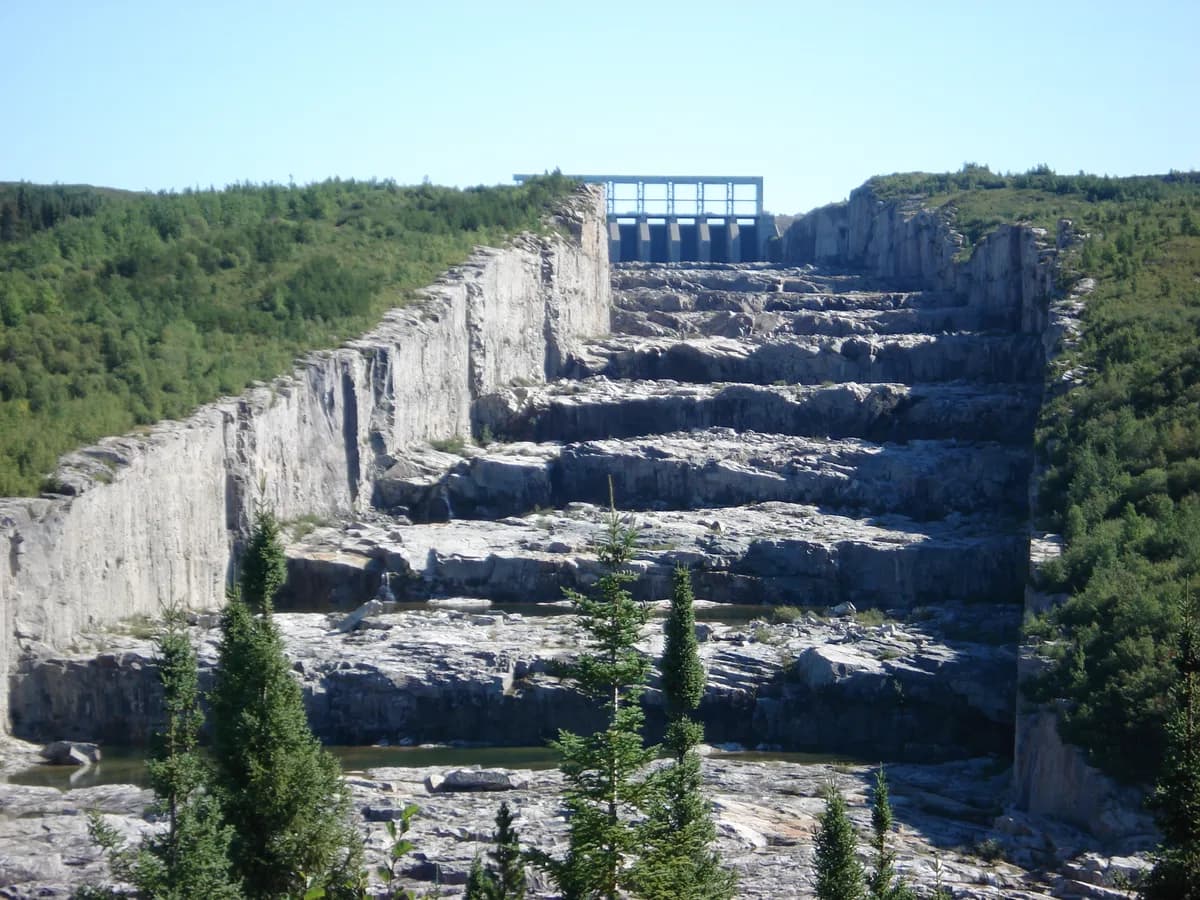
Robert-Bourassa Generating Station
Formerly known as La Grande-2, this hydroelectric power station, buried more than 140 metres underground, is the world's largest underground power station and North America's largest single energy production site.
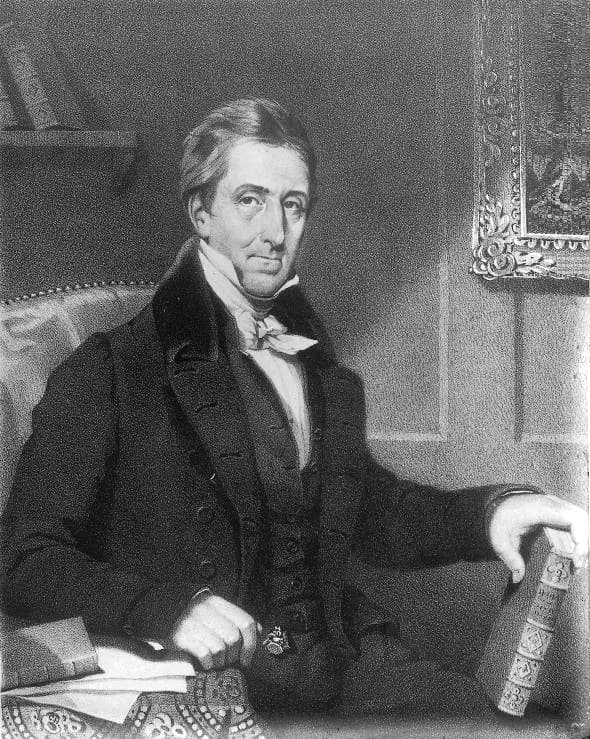
Maison André-Benjamin-Papineau
A French-Québécois-style residence built in 1820 for the cousin of Patriote leader Louis-Joseph Papineau, this restored and expanded farmhouse now presents an immersive permanent exhibition on 19th-century daily life in Laval, enriched with artifacts and interactive elements.
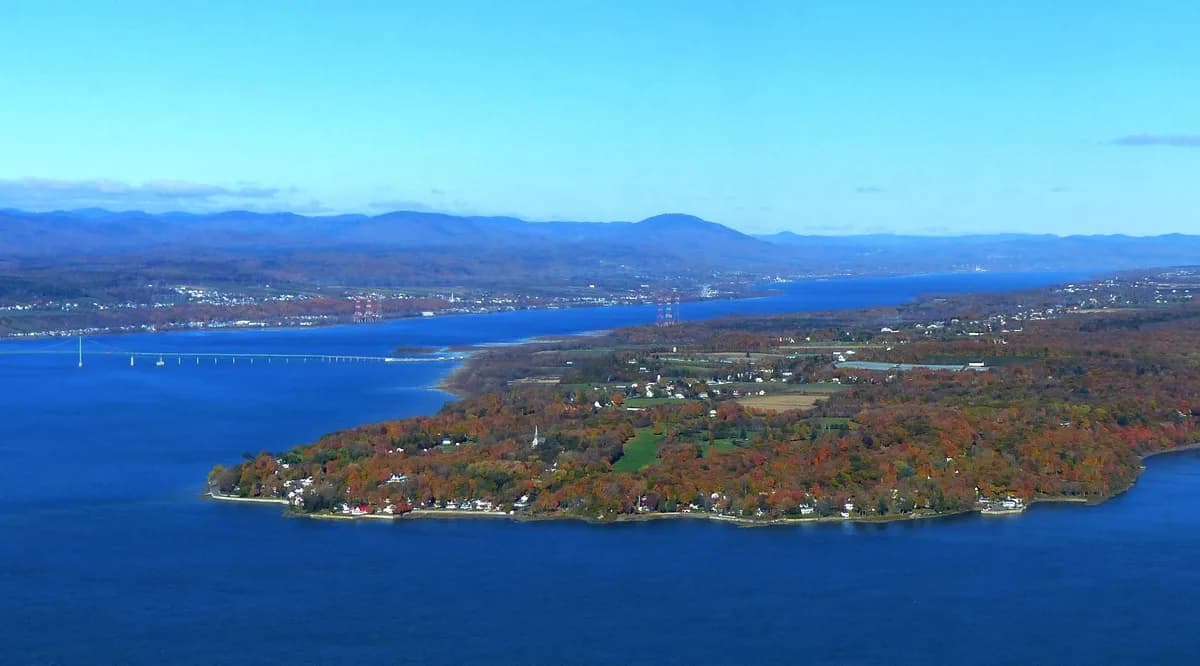
Île d'Orléans and Its Heritage Tour
Nicknamed the cradle of French America, this farming island, with a 67 km road loop facing Québec City, preserves one of the highest concentrations of pre-1850 rural houses in North America, surrounded by orchards, vineyards, and strawberry fields.
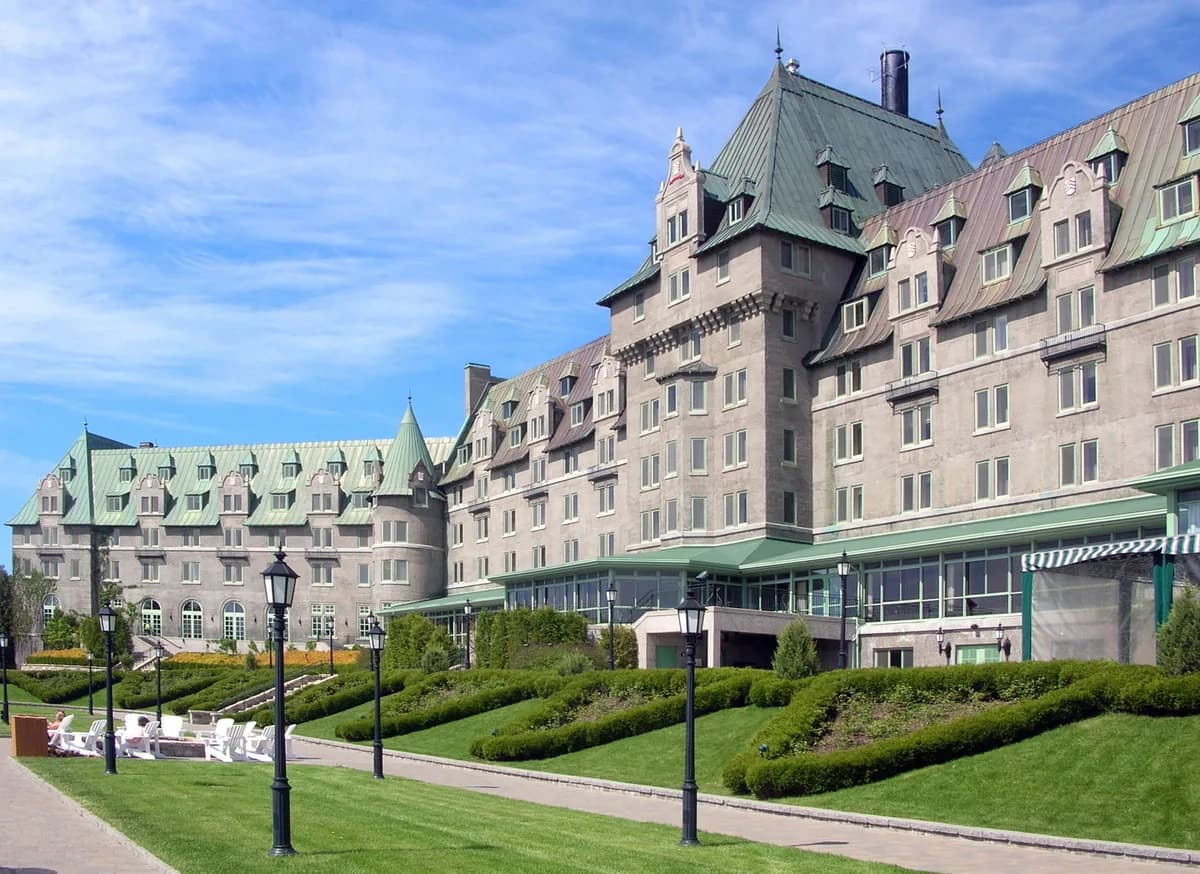
Fairmont Le Manoir Richelieu
Perched on a cliff overlooking the St. Lawrence for more than 125 years, this iconic Charlevoix château hotel, next door to the Casino de Charlevoix, remains one of Québec's most prestigious and photographed properties.
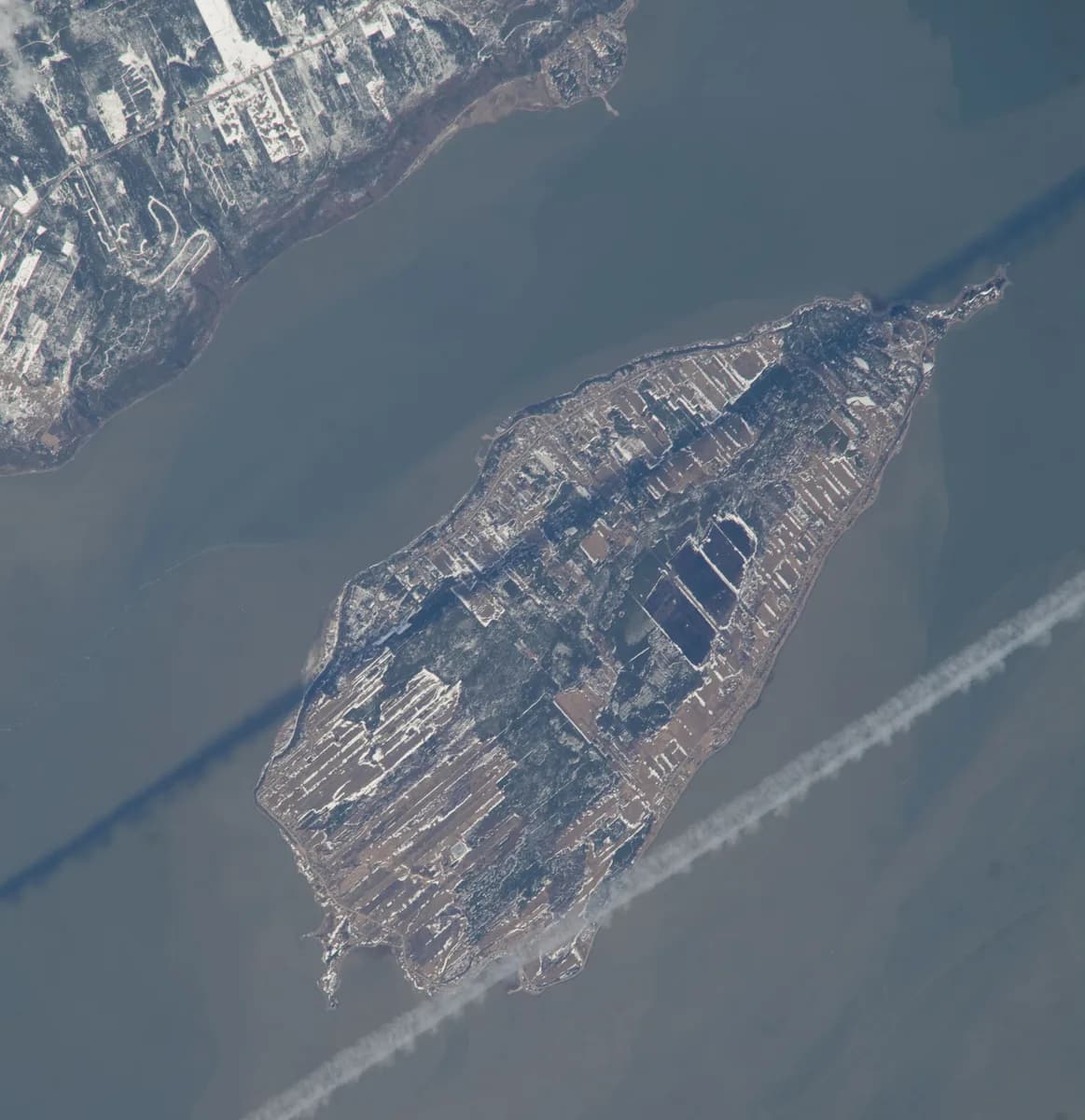
Île aux Coudres
Named by Jacques Cartier himself in 1535 for the hazelnut trees growing there, this St. Lawrence River island, reachable by free ferry, preserves a strong tradition of artisanal shipbuilding, celebrated at its Musée des Voitures d'eau.
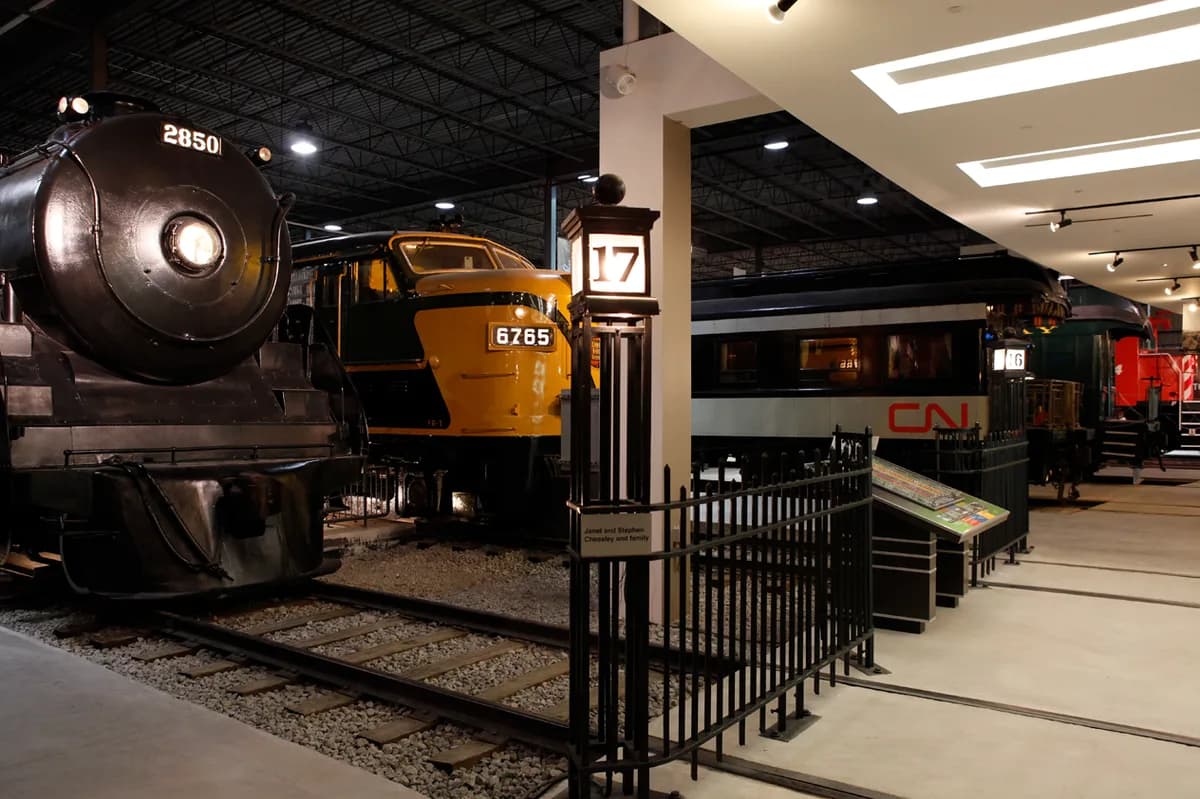
Exporail, the Canadian Railway Museum
Home to Canada's most important railway collection, with more than 160 full-size vehicles, this Montérégie museum lets visitors ride aboard a vintage streetcar, a passenger train, and a miniature railway.
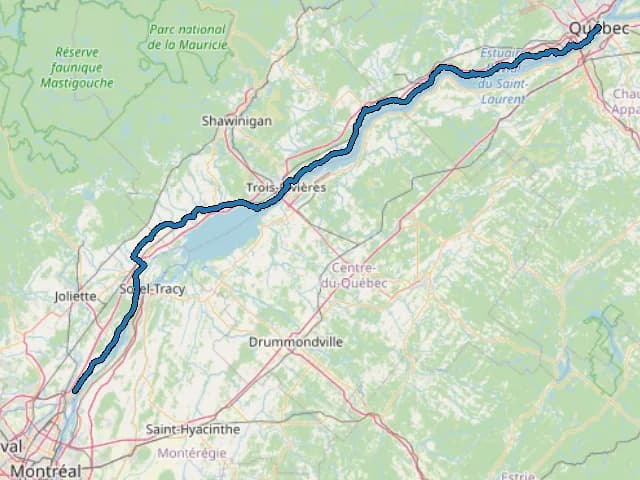
Chemin du Roy
North America's first carriage road, opened in 1737 between Montréal and Québec City, this historic route, now Route 138, remains a popular tourist itinerary linking riverside villages, seigneurial manors, and viewpoints over the St. Lawrence River.
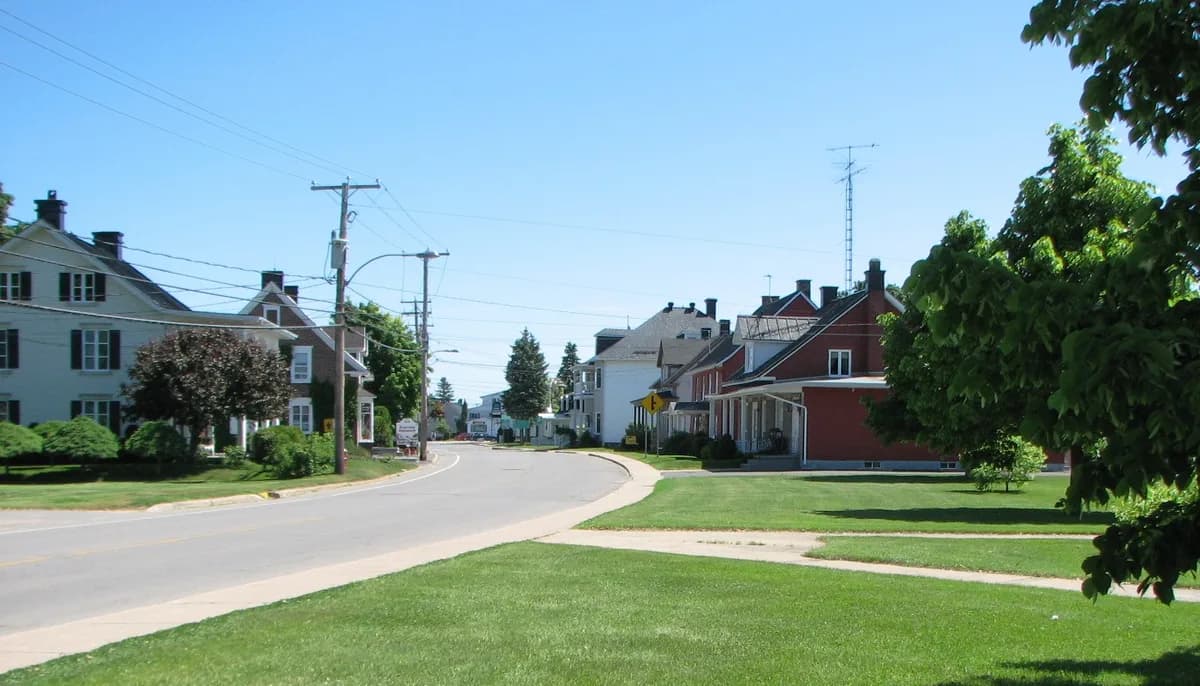
Route des Navigateurs
Running along the south shore of the St. Lawrence River from the Lévis area all the way to Gaspésie, this scenic route reveals maritime villages, historic ferries, and exceptional estuary viewpoints, in direct continuation of Route 132.
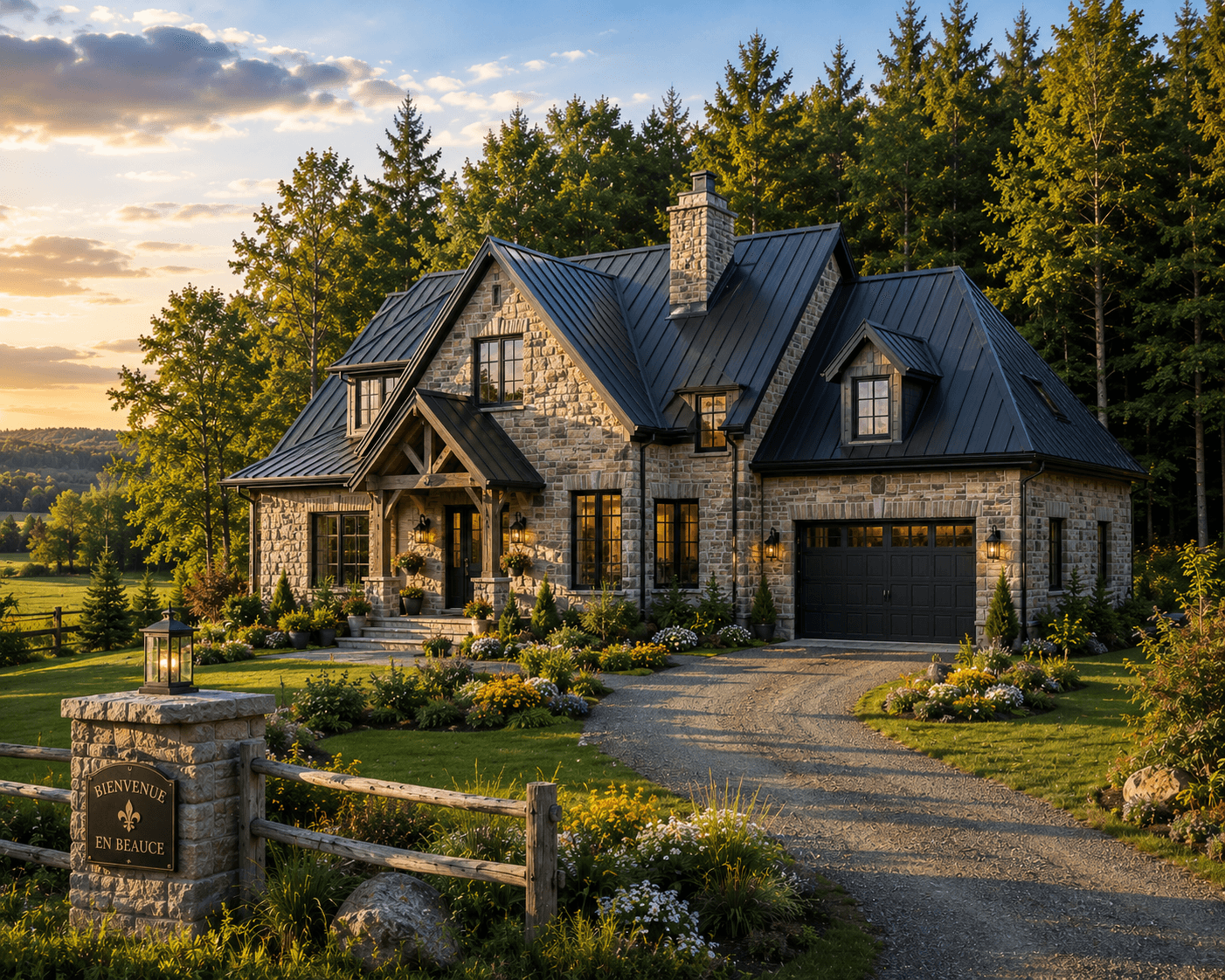
Maison J.A. Vachon and Québec's Industrial Pastry Heritage
The birthplace of the Vachon family business, founded in 1923 by Joseph-Arcade and Rose-Anna Vachon, this site traces the history of this industrial bakery that became an icon of Québec snack treats, from the Jos Louis to the Ah Caramel!
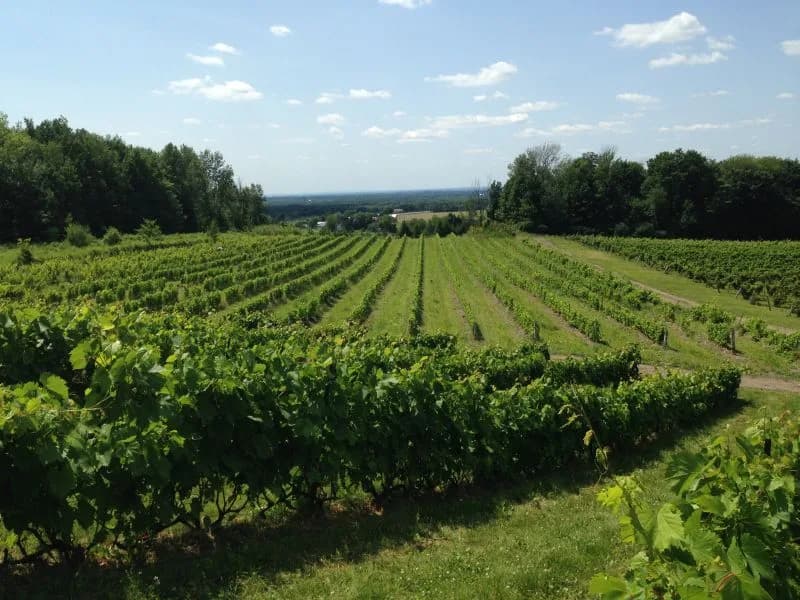
Québec Wine Route
Bringing together nearly thirty vineyards spread mainly across Montérégie, the Eastern Townships, and the Québec City region, this themed circuit showcases the province's booming wine industry, the fruit of grape varieties adapted to its northern climate.
Looking for a guided tour?
Explore Québec with a local guide
Guided tours, excursions and unforgettable experiences — book easily via Viator.
Browse guided tours →