♿Partially accessible (Kéroul certified)↗Search accommodation → 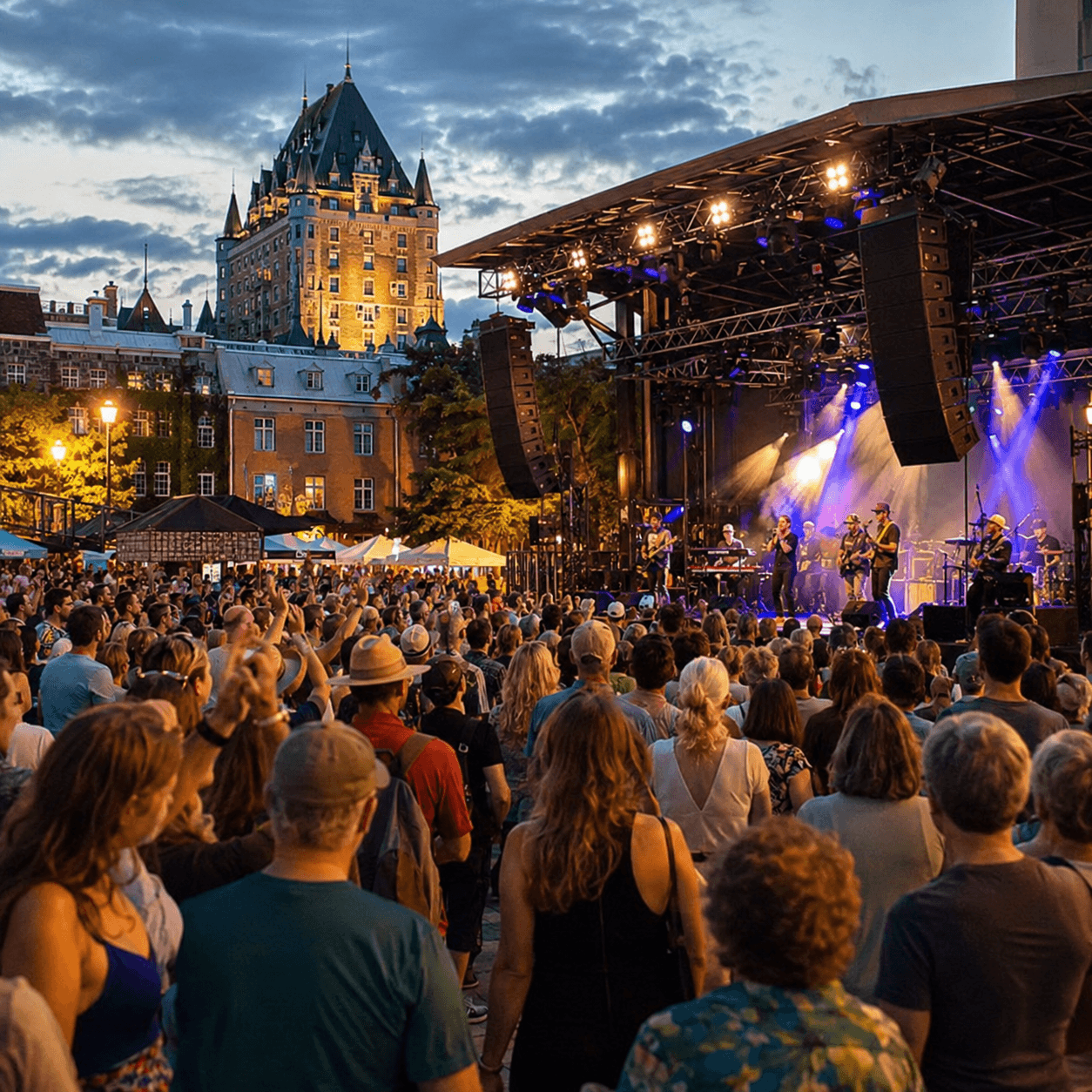 🌟Casino / hippodrome📍 0.2 km
 🏕️Centre récréatif / sportif📍 0.4 km
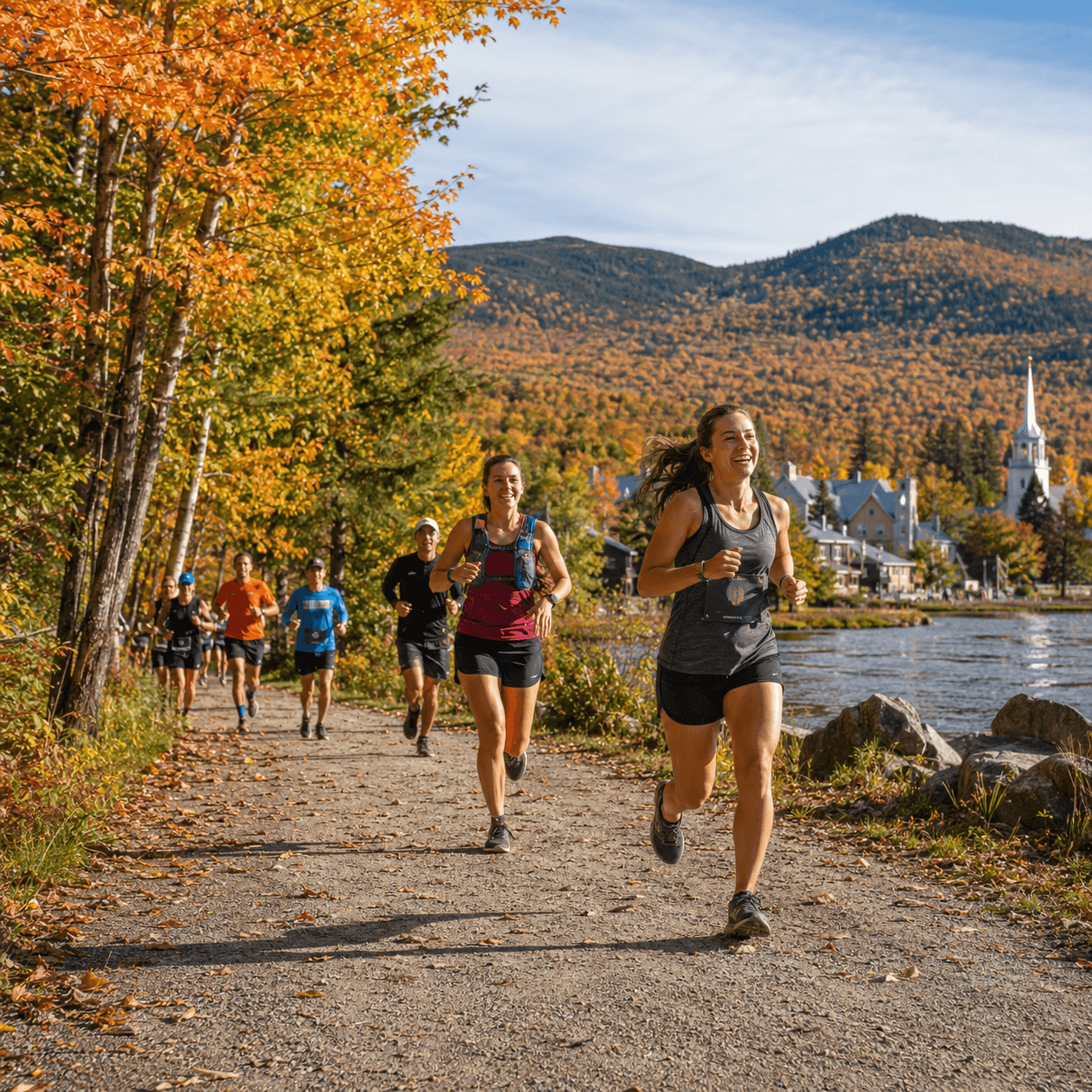
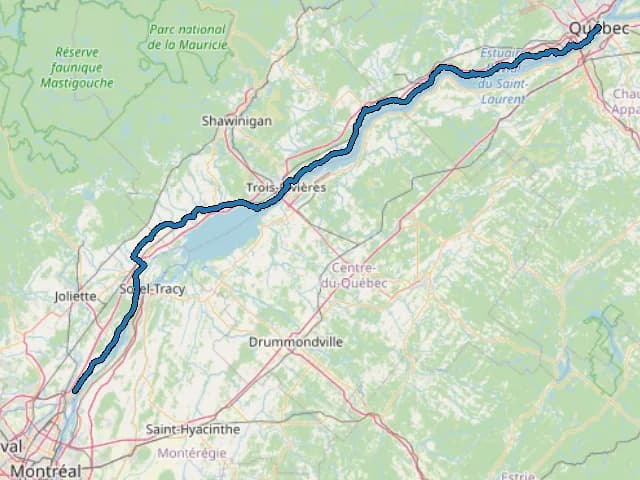
North America's first carriage road, opened in 1737 between Montréal and Québec City, this historic route, now Route 138, remains a popular tourist itinerary linking riverside villages, seigneurial manors, and viewpoints over the St. Lawrence River.
The Chemin du Roy, whose construction was completed and officially opened to traffic in 1737 under the authority of the New France government, stands as North America's very first drivable road, connecting Montreal to Quebec City while following as closely as possible the north shore of the St. Lawrence River. Before this landmark achievement, travel between the colony's two principal cities depended almost entirely on river navigation, rendered perilous and impossible during winter by ice floes, making this road a strategic infrastructure project of considerable importance to the colonial administration, economic development, and military security of French territory in America. Today largely integrated into the modern Route 138 corridor, the historic Chemin du Roy remains a particularly cherished tourist route for those wishing to explore in depth the riverside villages of the St. Lawrence between Quebec's two major cities, passing through municipalities with remarkable architectural and religious heritage, dotted with seigneurial manors, historic mills, and sweeping views of the river. This journey, which allows visitors to symbolically trace the very origins of Quebec's road network, offers a picturesque and historic counterpoint to the modern highway that today connects the two principal urban centers of the St. Lawrence Valley more quickly, but with far less character.
Indirizzo
Route 138, de Montréal à Québec (QC)
🏨 Nearby accommodations
Budget
LE SAINT-VALLIER
Hôtel · 0.3 km
Comfort
Luxury
Accommodation nearby
Find a hotel in de Montréal à Québec
Compare and book via Booking.com
☀️ Attività — Estate
5 opzioni nelle vicinanze · in linea d'aria da questo sito🌟Casino / hippodrome📍 0.2 kmHippodrome 3R
Casino / hippodrome · Concert, spectacle · Course / démonstration hippique · Dégustation · Visite guidée
🌐 WebsiteLEARN MORE
 🏕️Centre récréatif / sportif📍 0.4 km
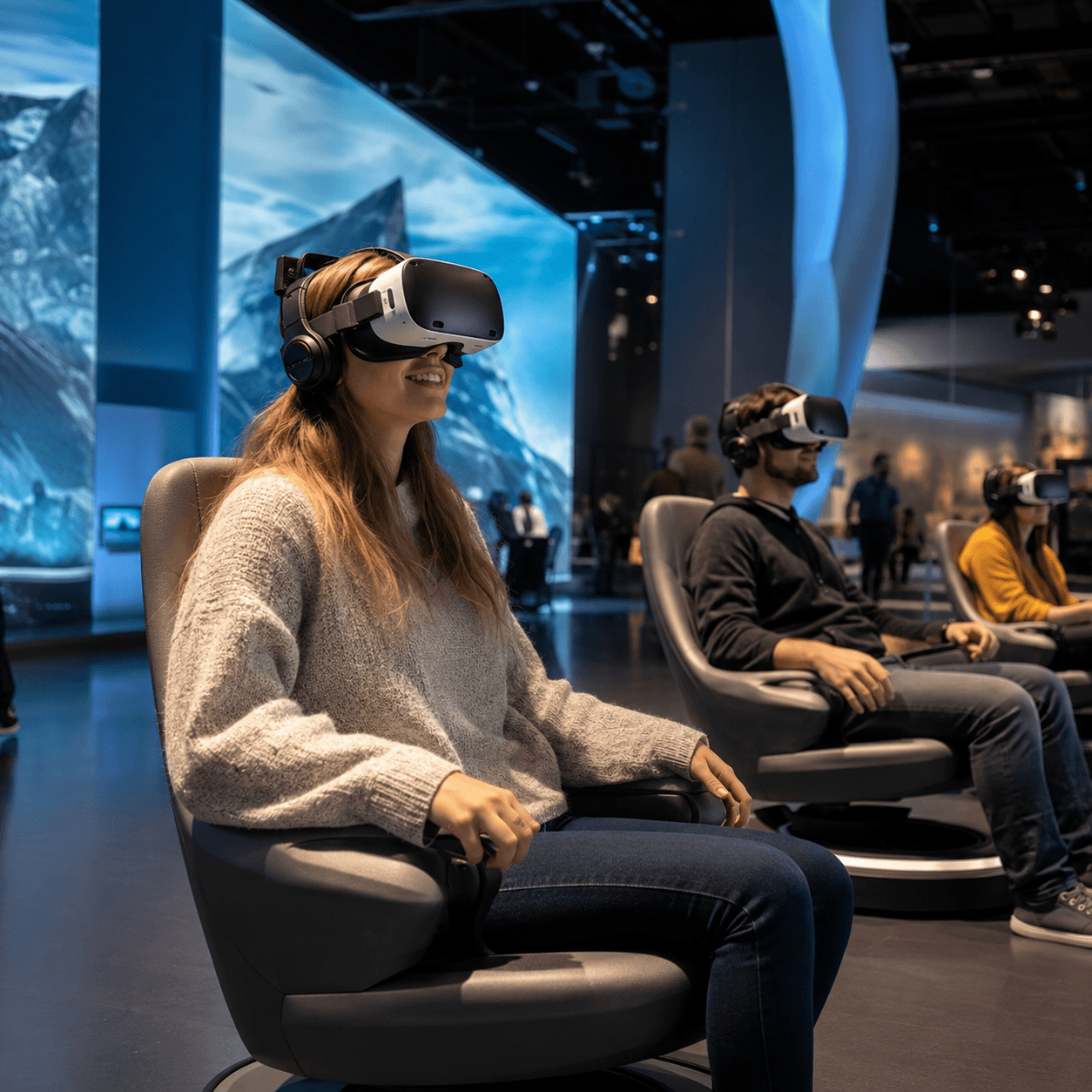
Vortex Montréal - Plateau
Centre récréatif / sportif · Expérience en réalité virtuelle · Jeu de rôle · Jeu d'évasion
🌐 WebsiteLEARN MORE
❄️ Attività — Inverno
4 opzioni nelle vicinanze · in linea d'aria da questo sito