
Grande Guida del Québec
Guida turistica
Scoprite una selezione di quasi 200 luoghi imperdibili da visitare in Québec.
Browse by activity
45 risultati
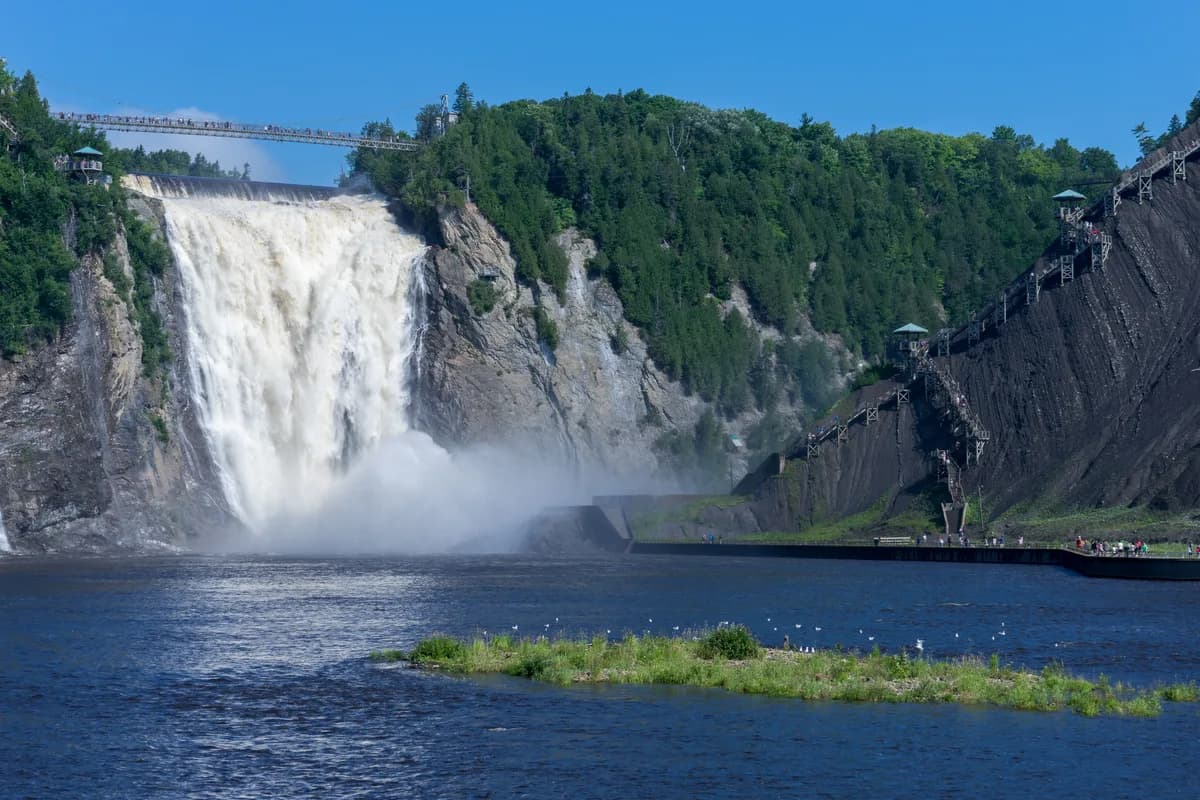
Montmorency Falls Park
At 83 metres, Montmorency Falls is higher than the famous Niagara Falls, and its cable car, suspension bridge, and panoramic staircase make it one of the most accessible natural sites in Québec.
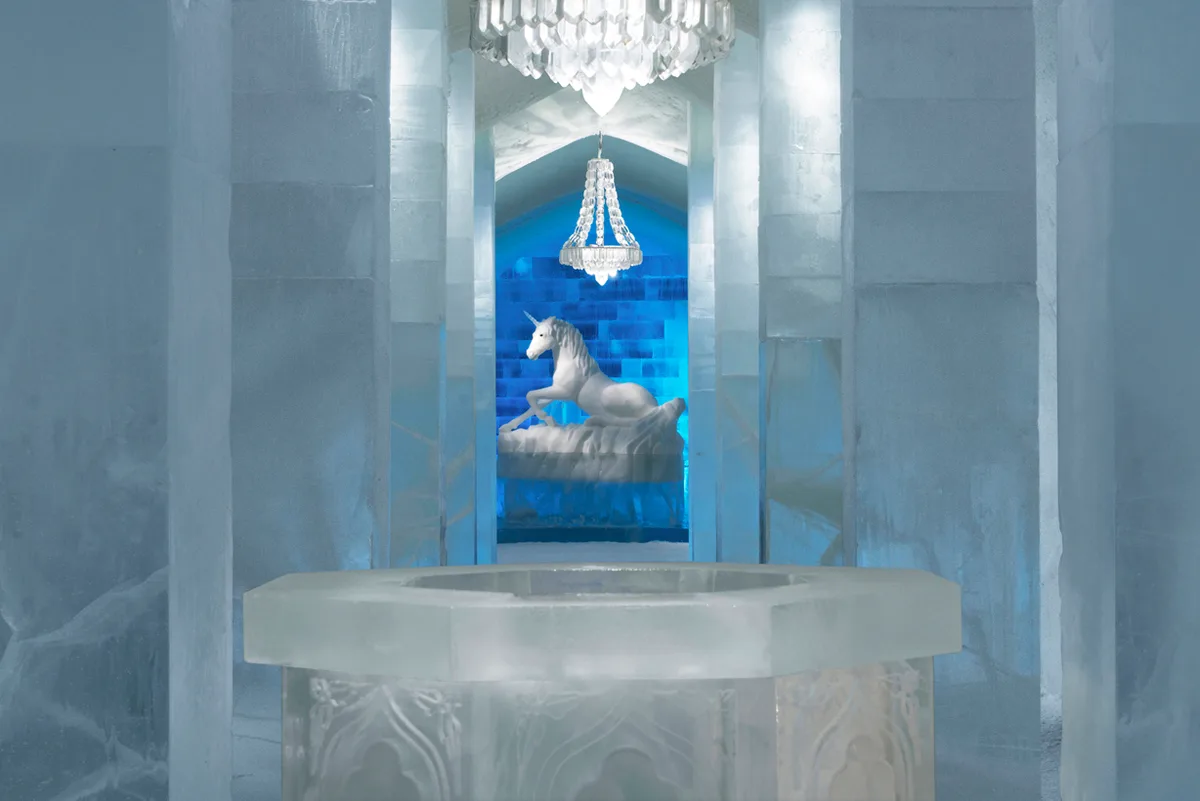
Ice Hotel (Hôtel de Glace)
North America's first ice hotel, entirely rebuilt each year from snow and ice, the property features themed rooms, an ice bar, and a chapel, for an overnight stay or simply an extraordinary visit.
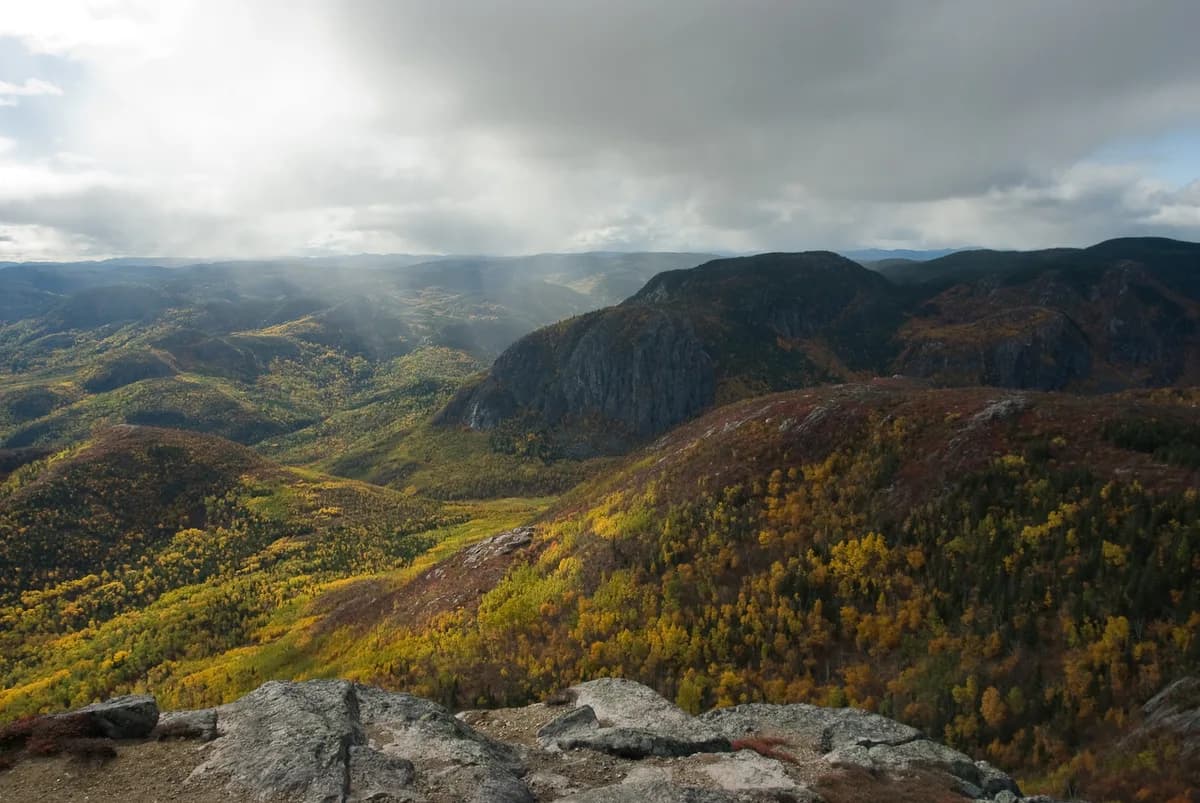
Grands-Jardins National Park
Unique in Québec for its preserved taiga landscape at the heart of the Charlevoix crater, this park lets visitors, from the summit of Mont du Lac-des-Cygnes, observe both the outline of the astrobleme and a population of woodland caribou isolated from the rest of the species.
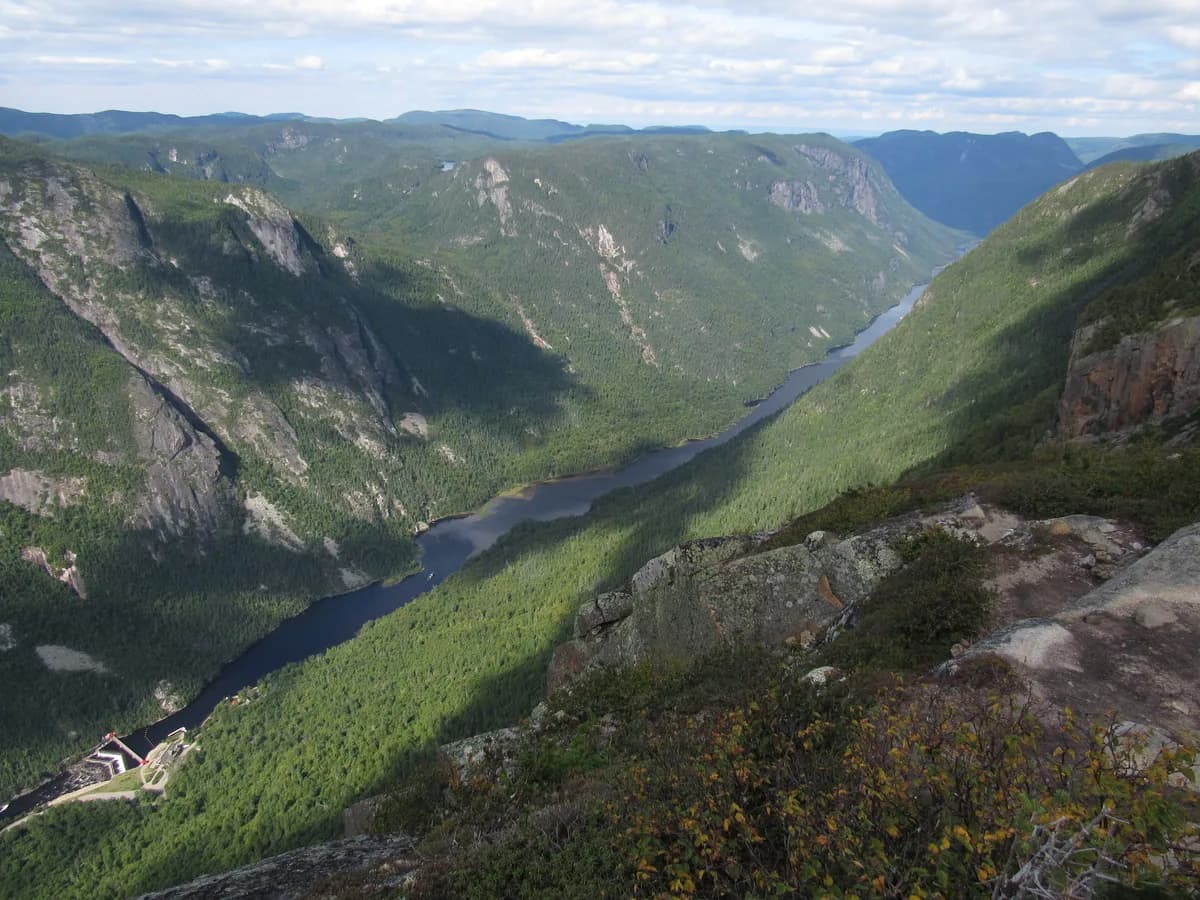
Hautes-Gorges-de-la-Rivière-Malbaie National Park
Home to the highest rock walls east of the Canadian Rockies, some exceeding 800 metres in elevation, this park, created in 2000, is best discovered aboard a riverboat cruise up the steep valley of the Malbaie River.
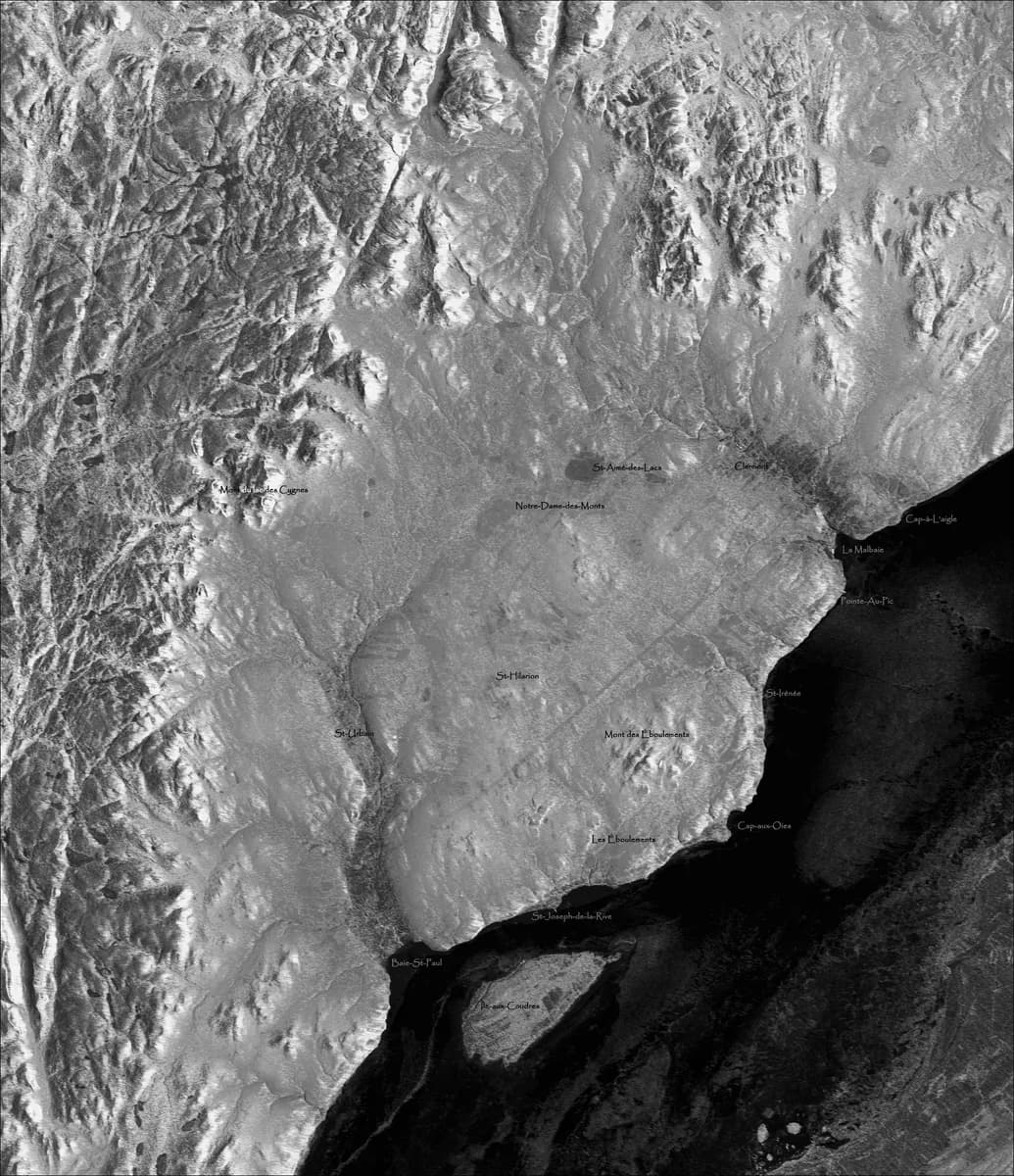
Charlevoix Astrobleme Observatory
Dedicated to understanding the meteorite crater that shaped the entire Charlevoix landscape, this centre offers guided tours exploring the geology, origin, and human consequences of an impact that occurred 350 million years ago.
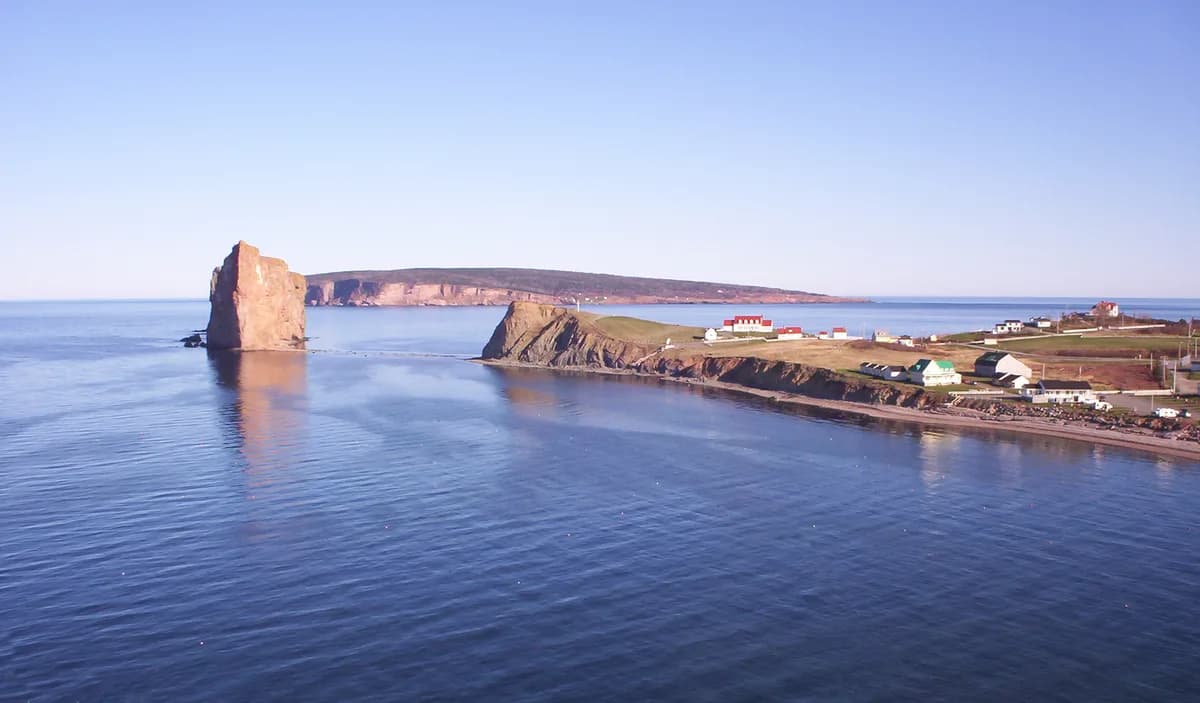
Île-Bonaventure-et-du-Rocher-Percé National Park
Accessible only by boat from the Percé wharf, Bonaventure Island is home to the largest and most accessible Northern gannet colony in the world, with more than 100,000 nesting birds.
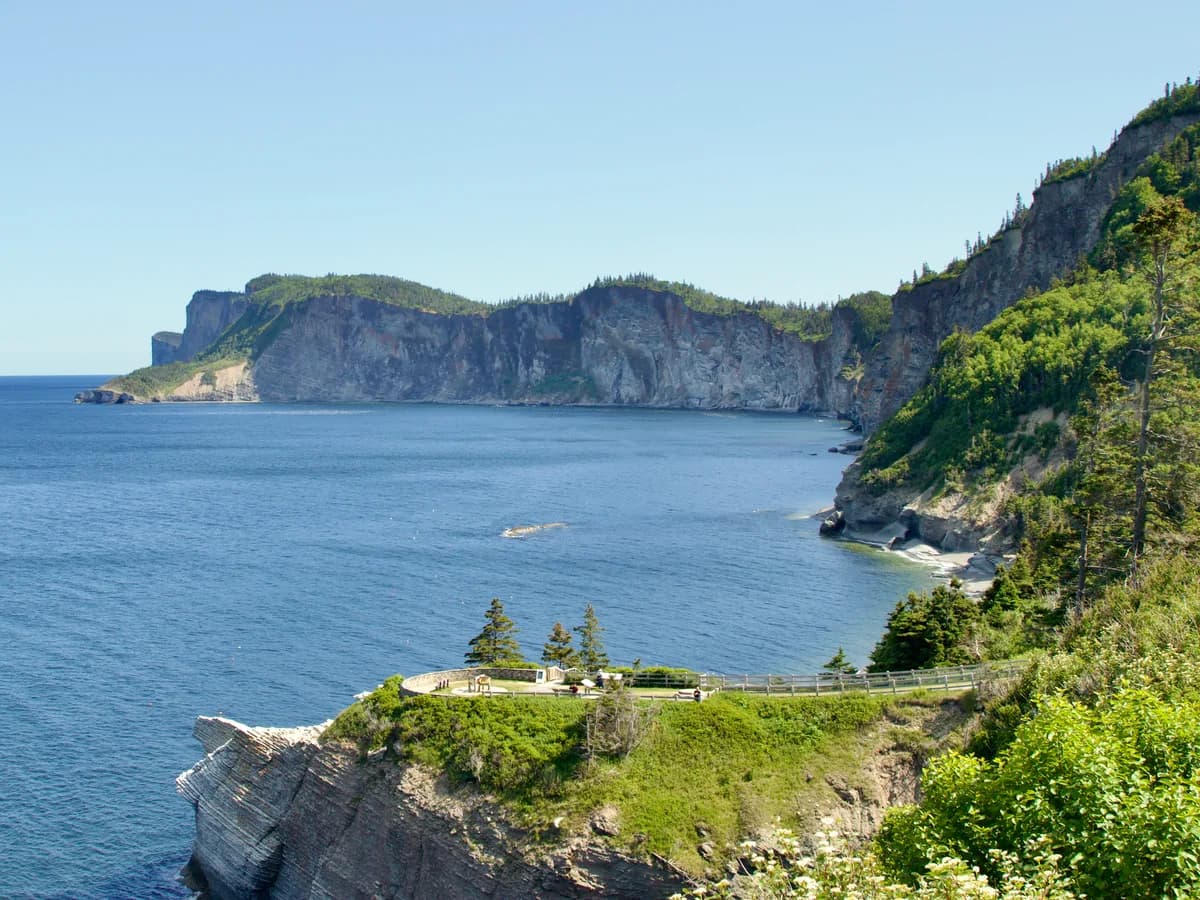
Forillon National Park
At the peninsula's northeastern tip, where sea meets mountain, Forillon combines limestone cliffs, beaches, spectacular trails, and a rich fishing heritage across nearly 245 km².
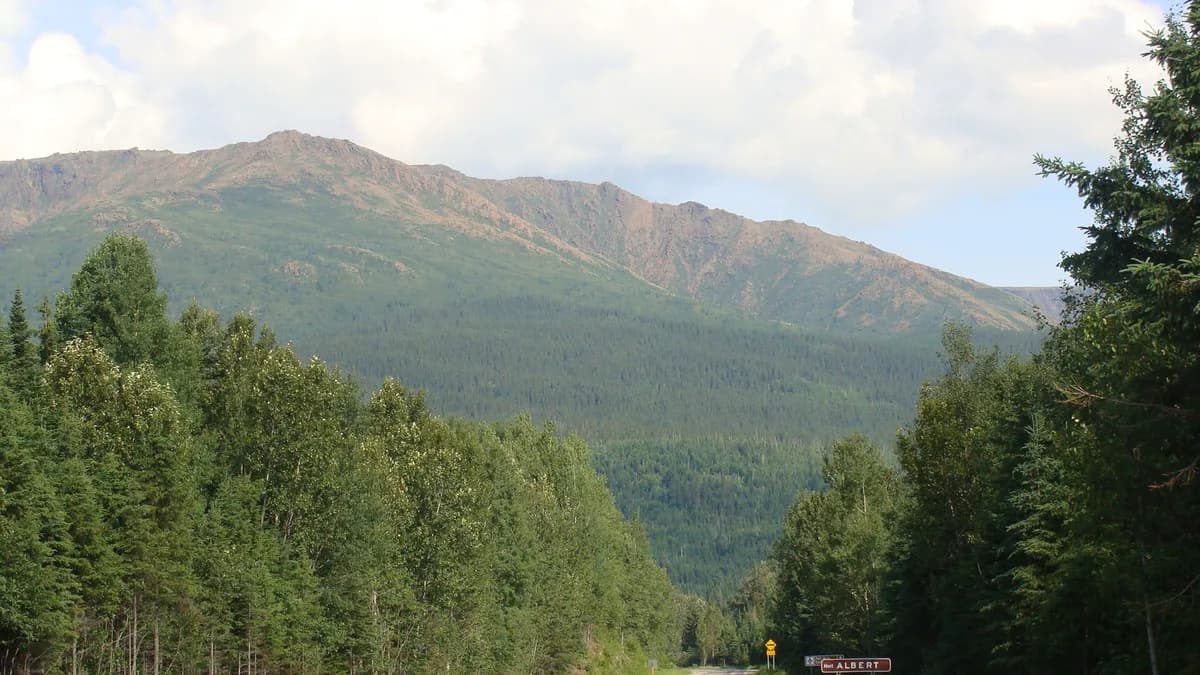
Gaspésie National Park
A true sea of mountains at the heart of the peninsula, this park protects 25 summits over 1,000 metres, including Mont Jacques-Cartier, Québec's second-highest peak, and shelters the only woodland caribou herd south of the St. Lawrence River.
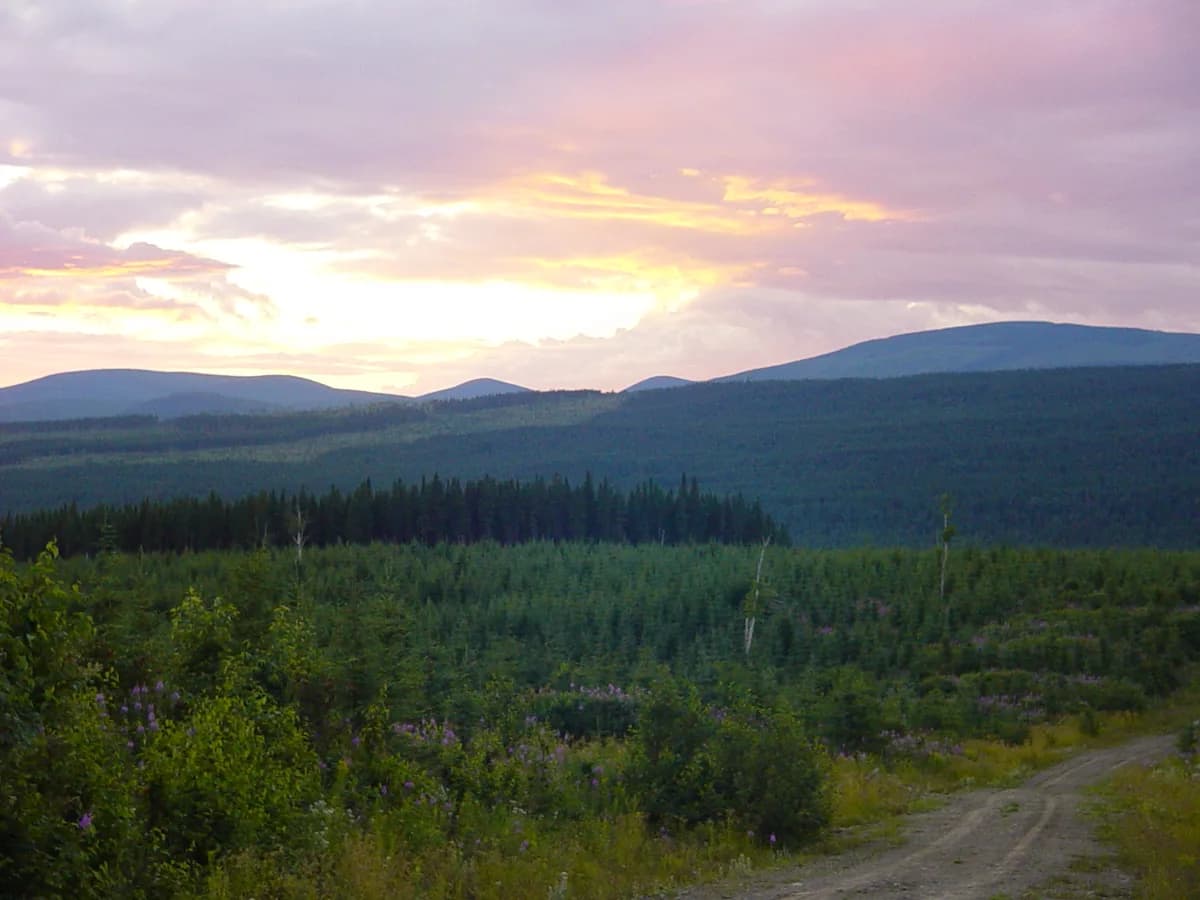
Matane Wildlife Reserve and Salmon Watching
Known for hosting one of the province's largest concentrations of Atlantic salmon, the Matane wildlife reserve lets visitors watch these fish climb the rapids from an interpretation centre built right along the riverbank.
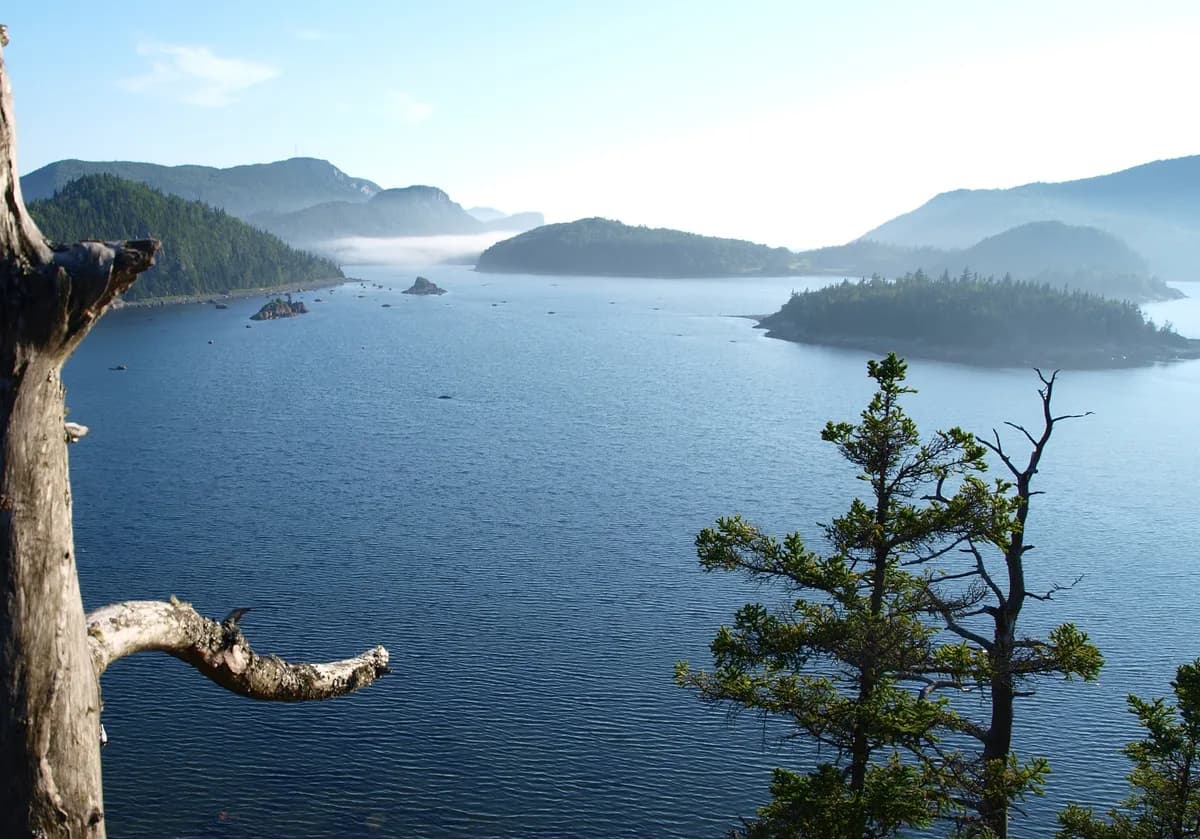
Bic National Park
With its capes, coves, bays, and islands carving up the St. Lawrence maritime estuary, Bic National Park offers sunsets regularly ranked among the most beautiful in the world, along with remarkably accessible wildlife.
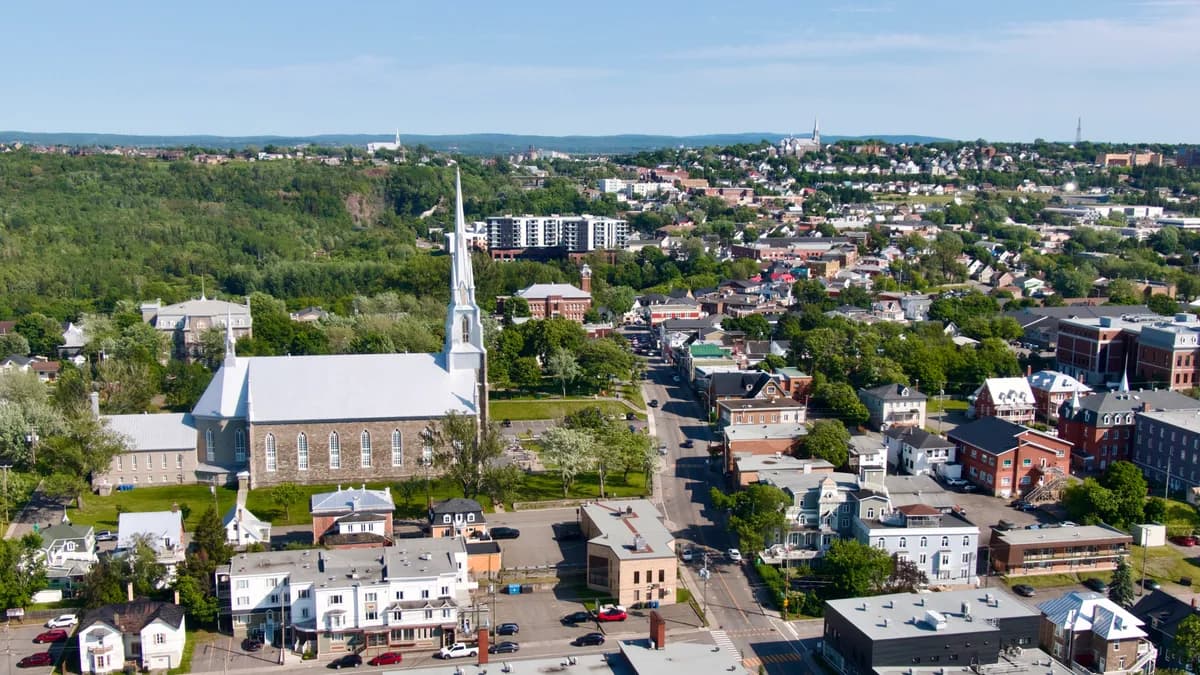
Parc des Chutes (Rivière-du-Loup)
An urban park offering more than ten kilometres of forest trails, the Rivière-du-Loup Parc des Chutes stands out for its 33-metre waterfall and a still-operating former hydroelectric power station.
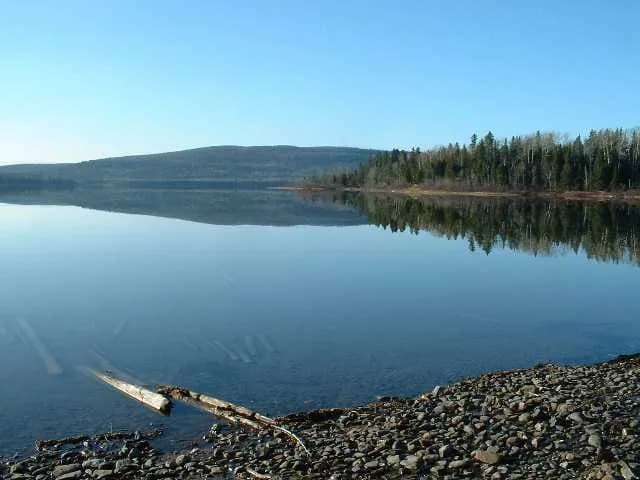
Lac-Témiscouata National Park
The newest of the Bas-Saint-Laurent national parks, it protects 175 km² of forests, lakes, and rivers at the heart of the Notre-Dame mountains, and reveals traces of continuous human occupation dating back nearly 10,000 years.
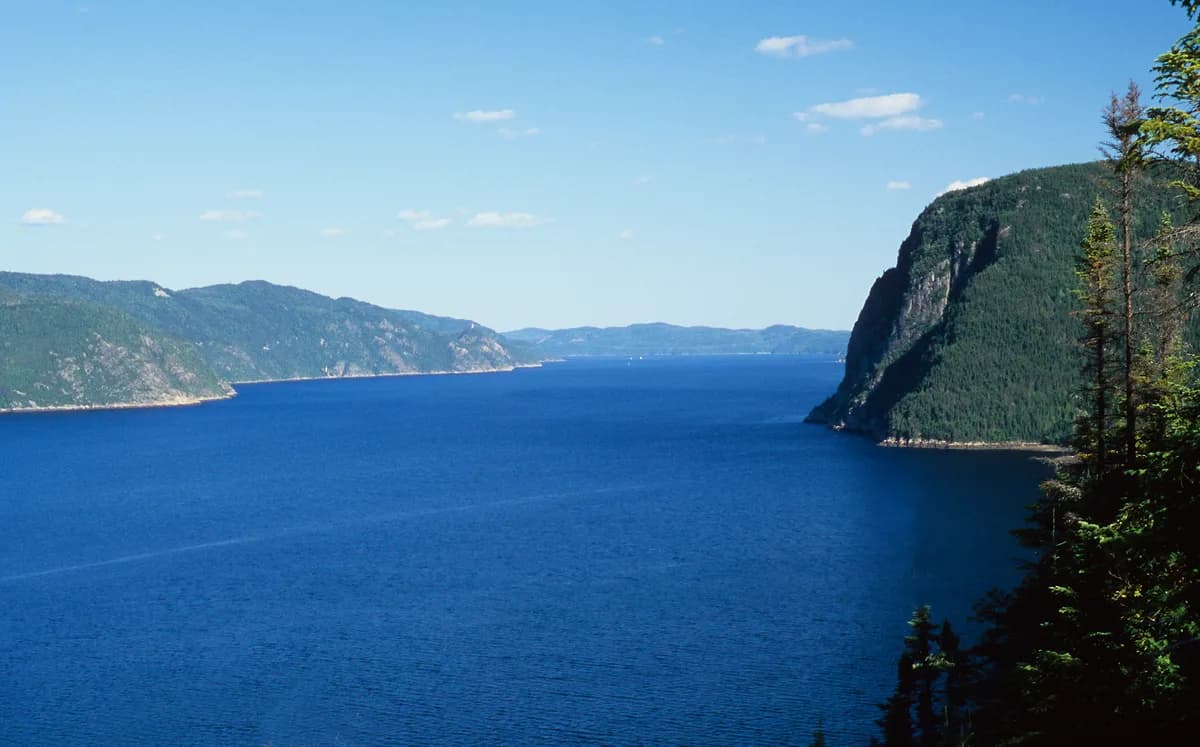
Saguenay Fjord National Park
Set along both shores of the Saguenay Fjord, this 326.7 km² park protects cliffs reaching up to 412 metres at Cap Trinité and offers some of Québec's most spectacular panoramas.
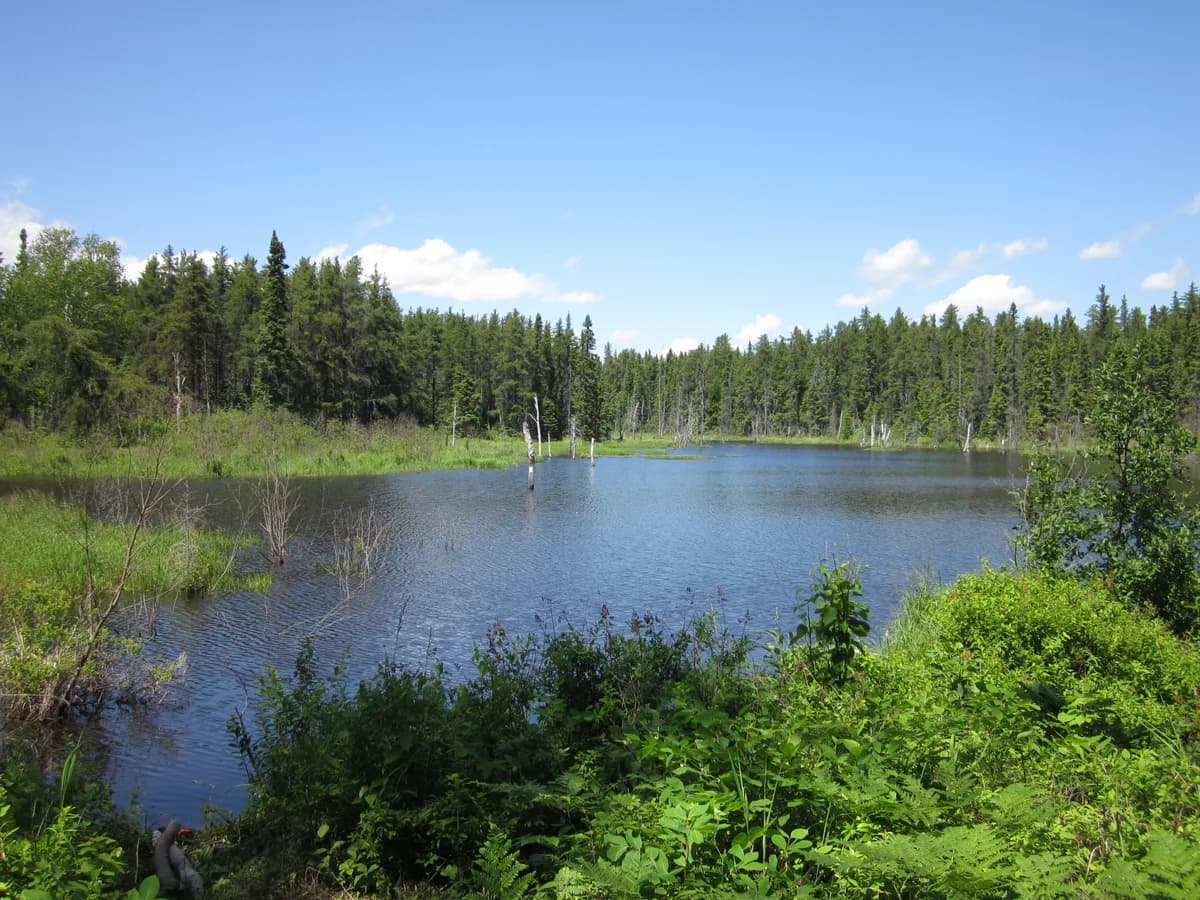
Pointe-Taillon National Park
Forming a vast sandy peninsula between Lac Saint-Jean and the Péribonka River, this 92 km² park offers more than 15 km of beaches and 45 km of bike paths, including an iconic stretch of the Véloroute des Bleuets.
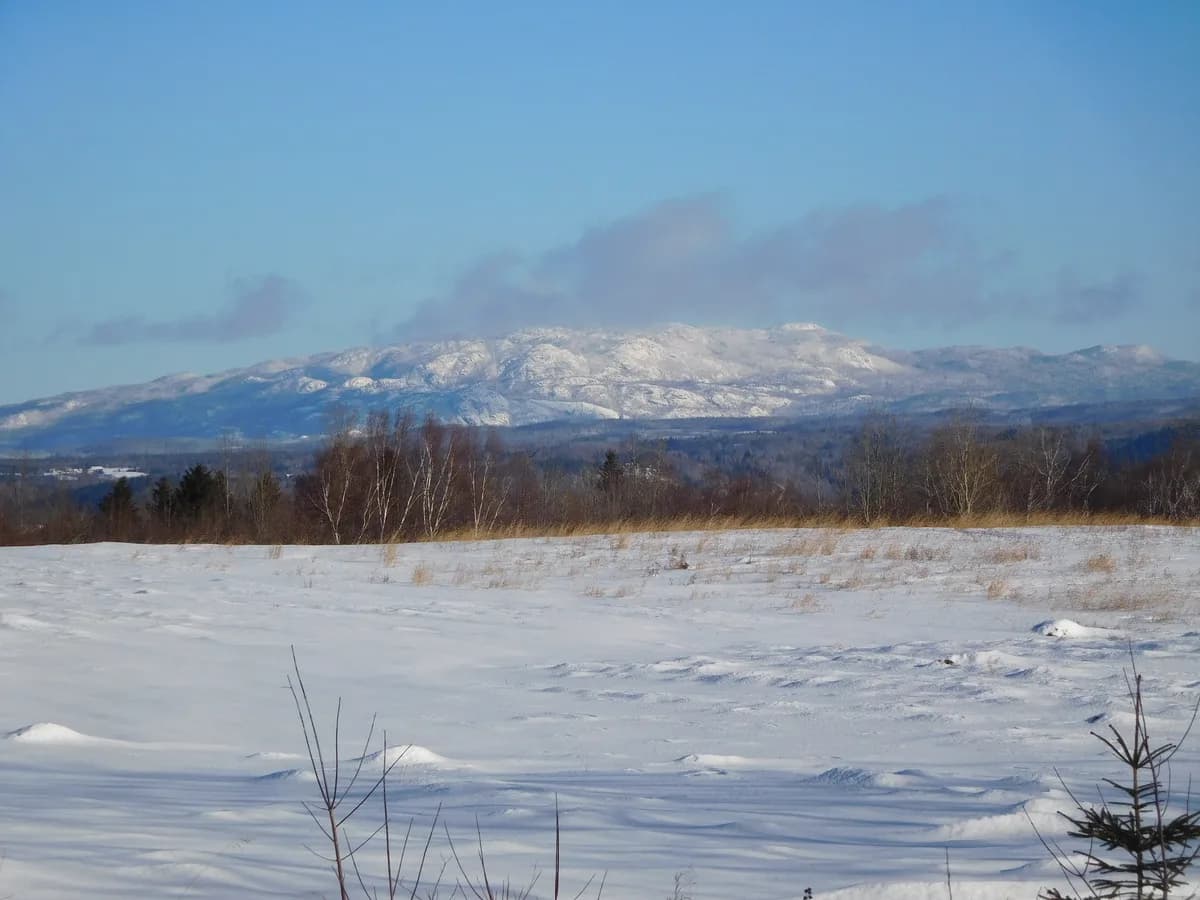
Monts-Valin National Park
Home to the highest accessible peaks in the Saguenay–Lac-Saint-Jean region, this park is famous for its Valley of Ghosts, where frost-coated conifers take on spectral shapes in winter.
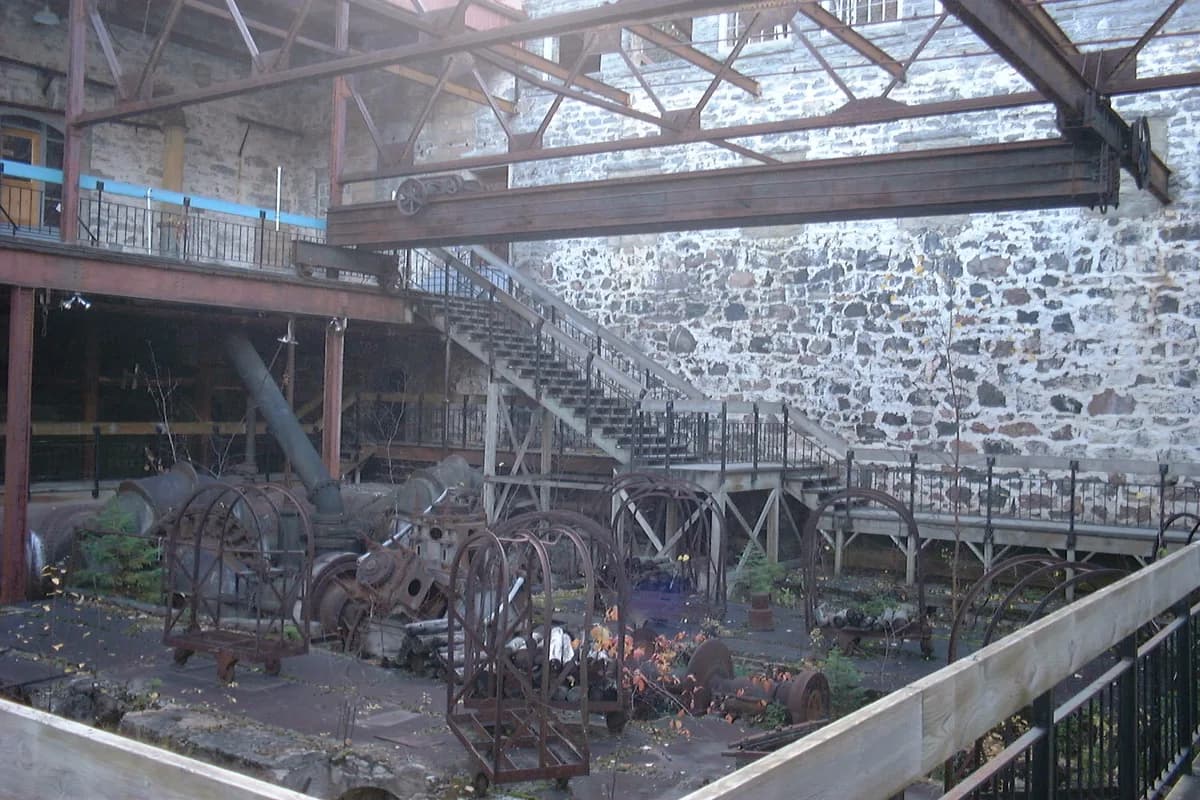
Val-Jalbert Historic Village
Frozen in time since 1927 when its pulp mill closed, this former company town has some forty preserved original buildings, dominated by the towering Ouiatchouan Falls, higher than Niagara Falls.
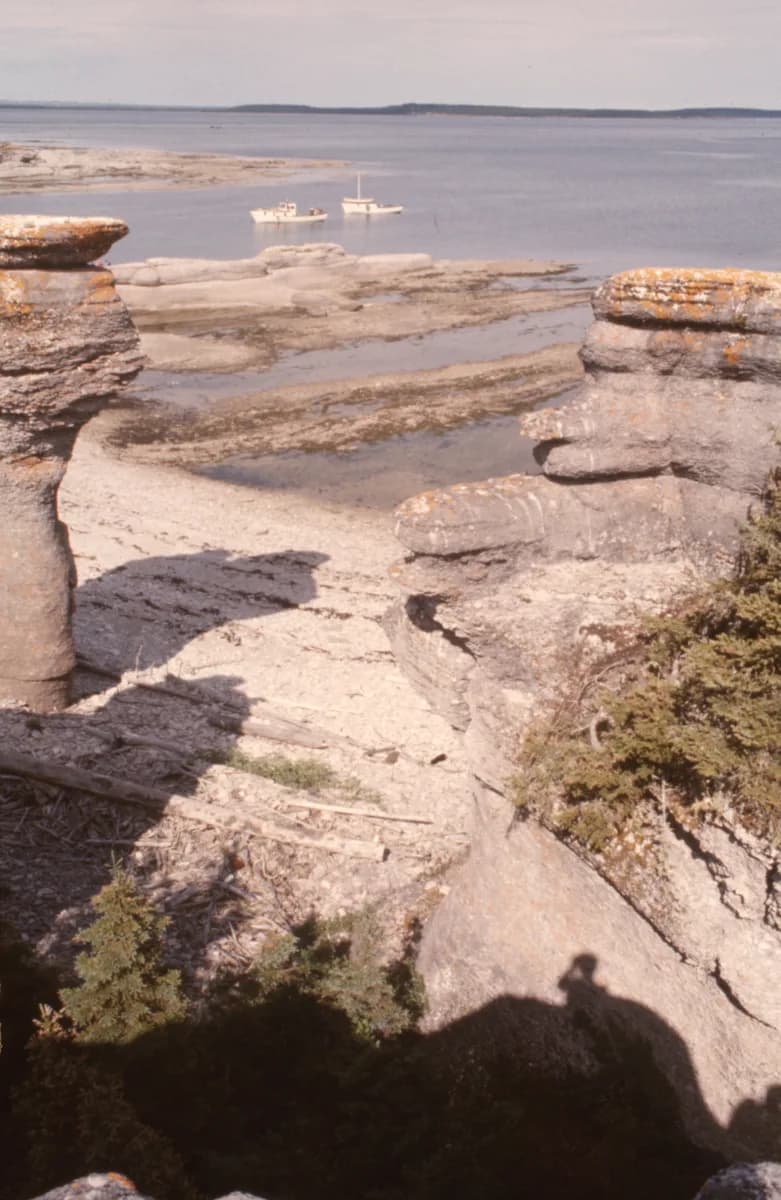
Mingan Archipelago National Park Reserve
Home to the largest concentration of limestone monoliths in Canada, this archipelago of nearly 1,000 islands and islets sculpted by marine erosion is Québec's best site for spotting Atlantic puffins.
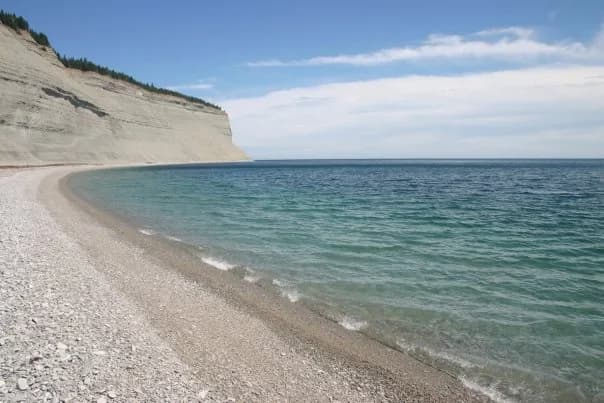
Anticosti National Park
Québec's largest island, comparable in area to Corsica, Anticosti is home to Vauréal Falls, 76 metres high, as well as Québec's longest known cave, in a territory shaped by the legacy of a fabulously wealthy French chocolate magnate.
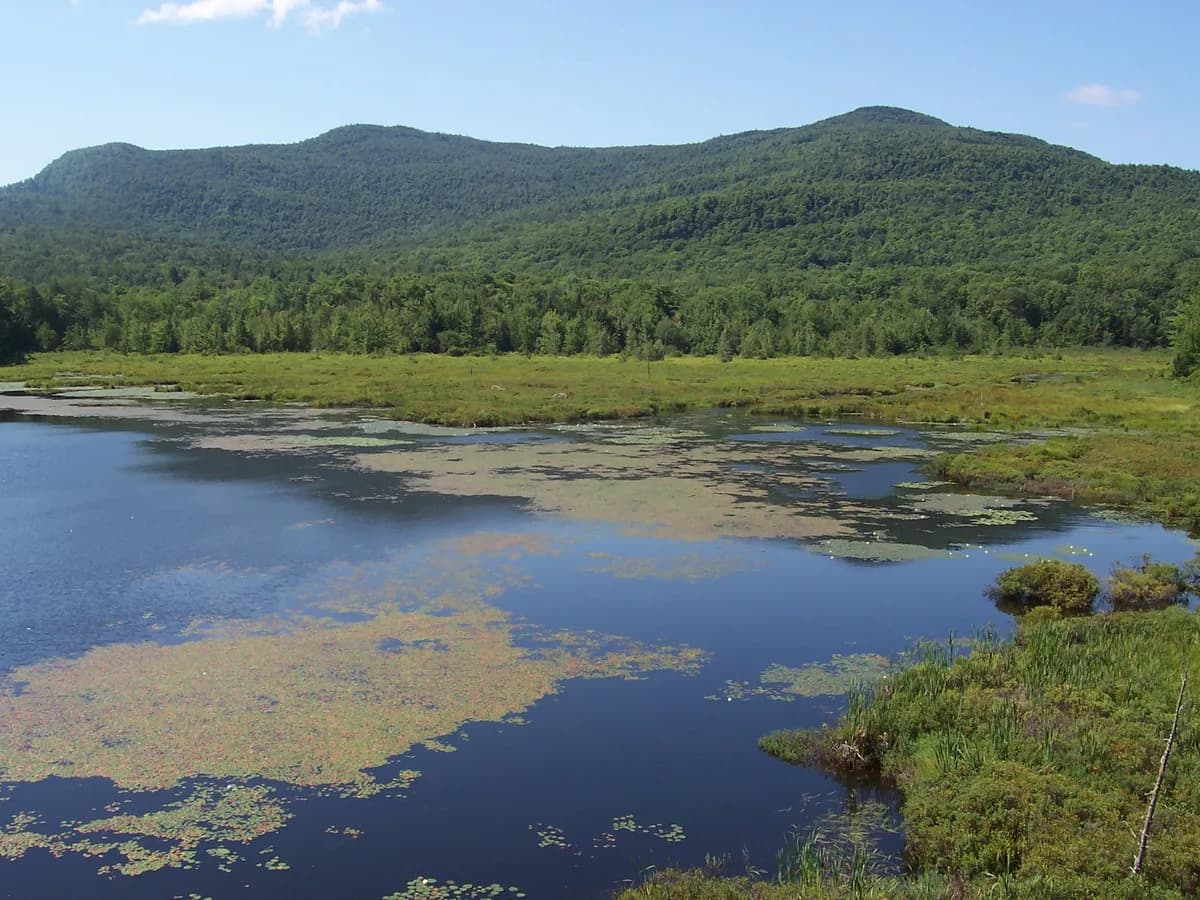
Mont-Orford National Park
Dominated by Mont Orford (853 m) and Mont Chauve, this park, created in 1938 through an intermunicipal agreement, combines 25 km of hiking trails, two swimming-friendly lakes, and an internationally renowned music arts centre.
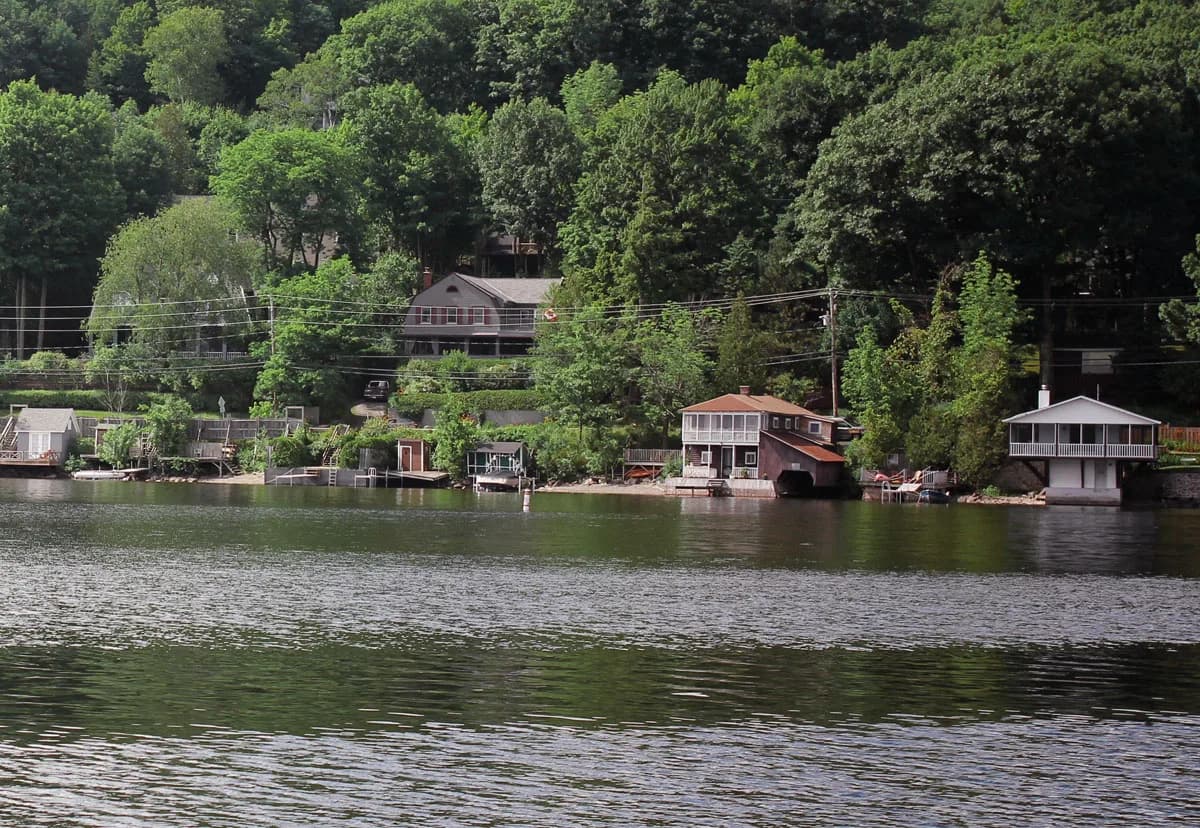
North Hatley and Lake Massawippi
Considered one of Québec's most beautiful villages, North Hatley combines an exceptional density of restaurants and vineyards, an enchanting setting on the shores of Lake Massawippi, and a thoroughly village-like atmosphere despite a population of just 700.
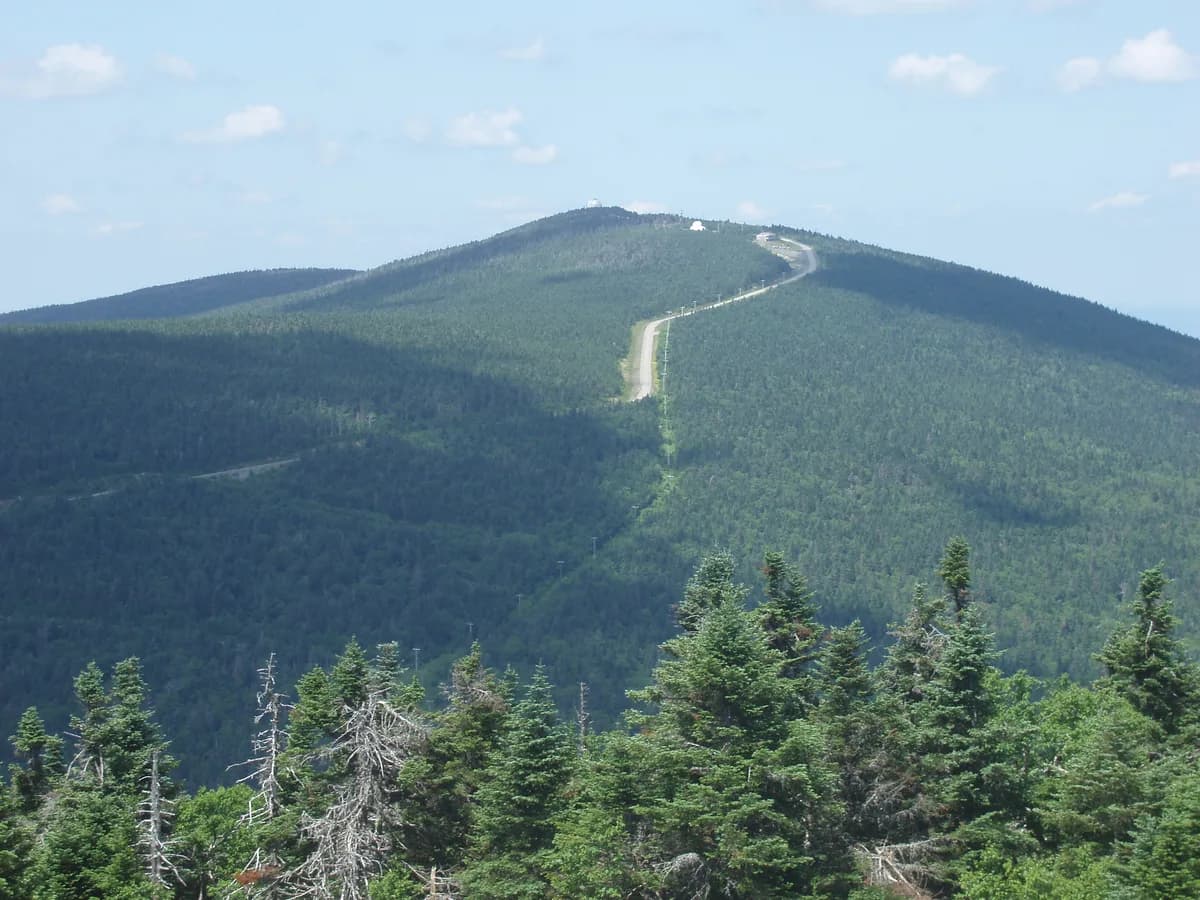
ASTROLab and Observatory of Mont-Mégantic National Park
At the heart of the world's first internationally recognized dark-sky reserve, this interpretation centre combines immersive exhibits, 4K giant-screen projections, and access to a 1.6-metre telescope, the most powerful in Canada open to the public.
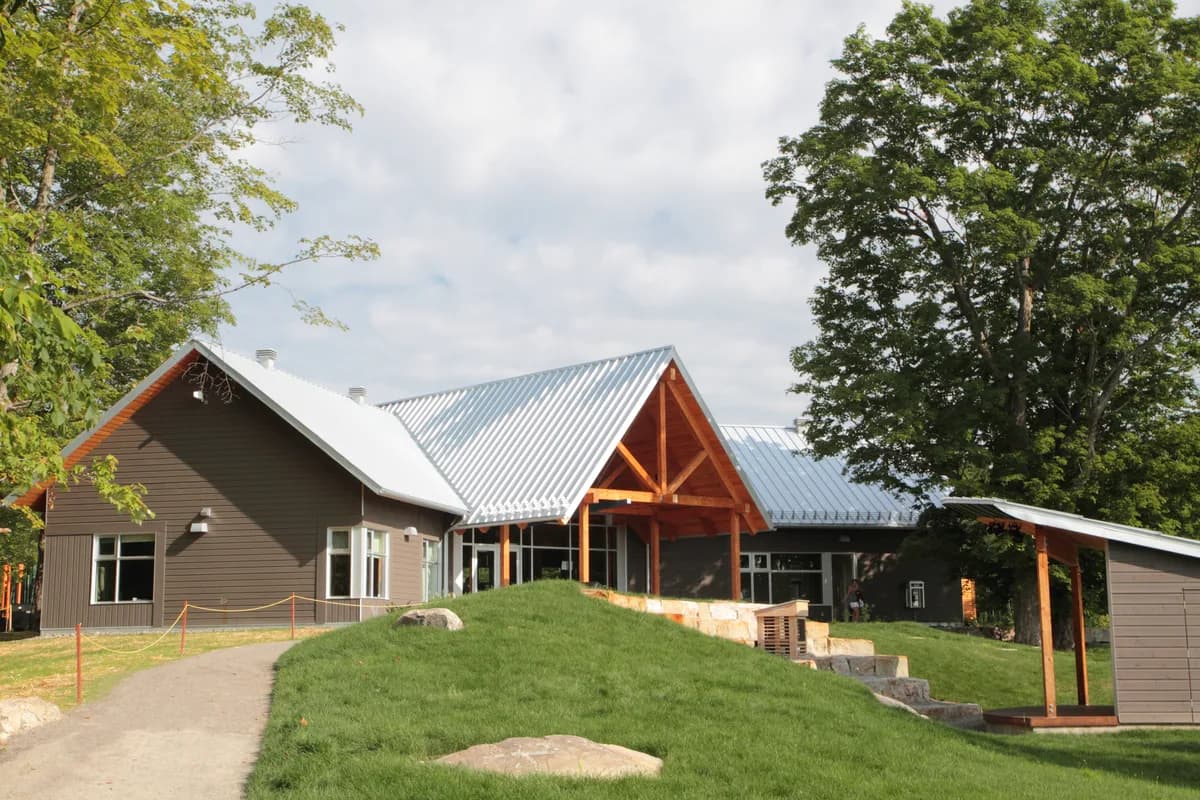
Yamaska National Park
Created in 1983 around the Choinière Reservoir, this Appalachian lowlands park offers a lifeguard-supervised beach popular with families, plus a network of hiking and biking trails crossing a forested valley typical of the region.
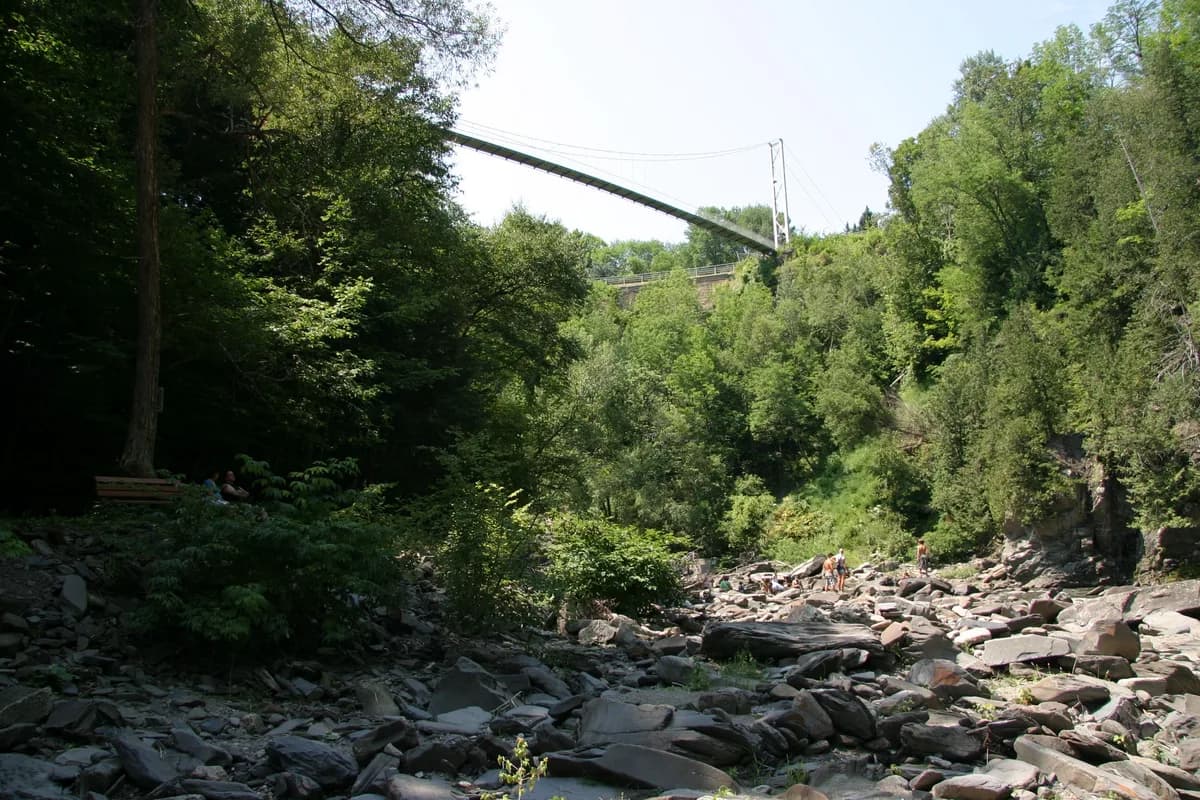
Coaticook Gorge Park and Suspension Bridge
Home to the world's longest pedestrian suspension bridge at the time of its opening, this regional park lets visitors look down into the spectacular gorge carved by the Coaticook River, some fifty metres deep.
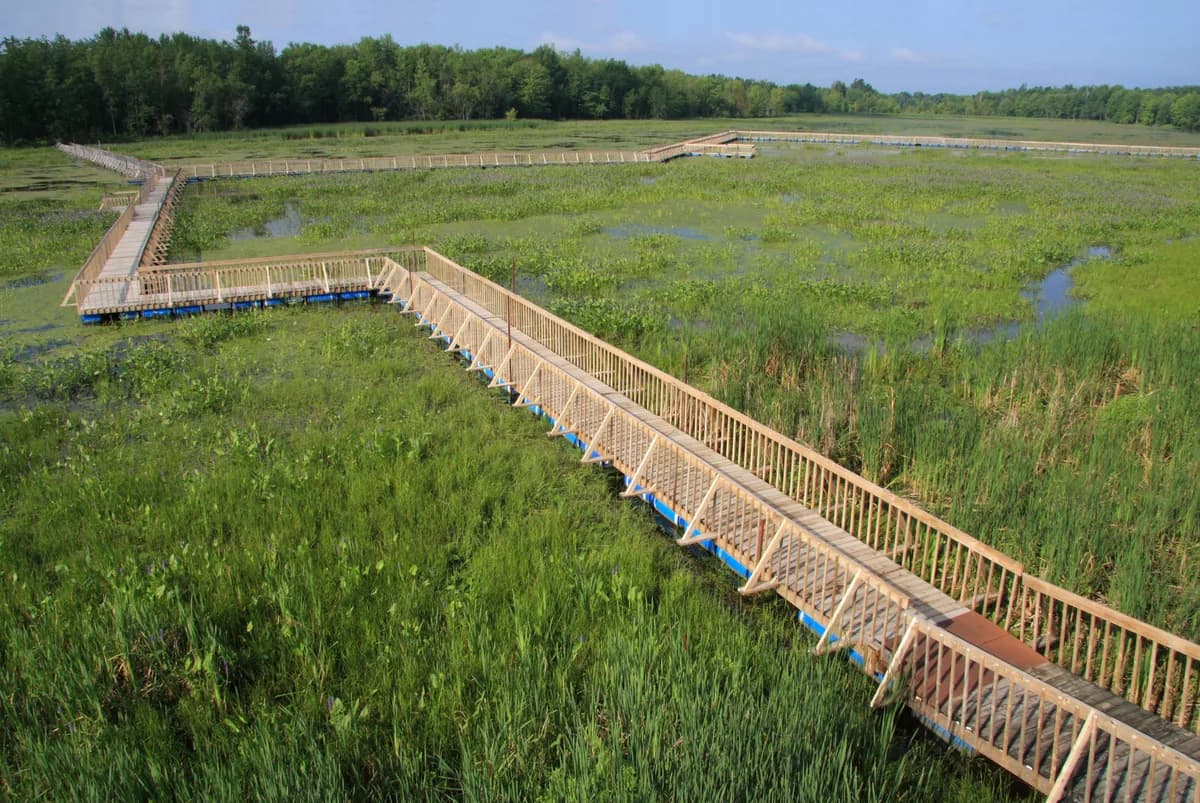
Plaisance National Park
Made up of marshes, ponds, and deciduous forests along the Ottawa River, this relatively recent park offers nearly 40 km of hiking and biking trails, including the popular Zizanie-des-Marais trail running through the wetlands.
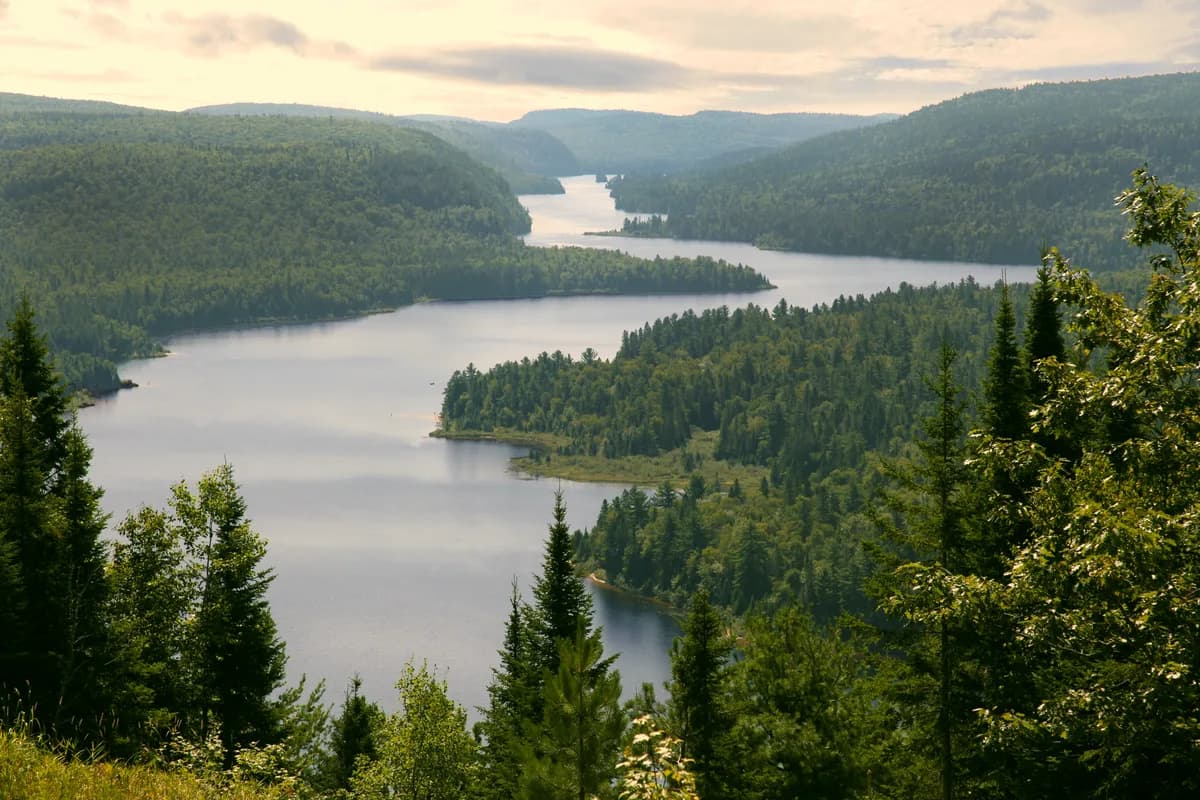
Mauricie National Park
Crossed by a horseshoe-shaped scenic road linking its two entrances over nearly 64 km, this Canadian Shield park offers crystal-clear lakes, spectacular lookouts, and one of central Québec's most renowned trail networks.
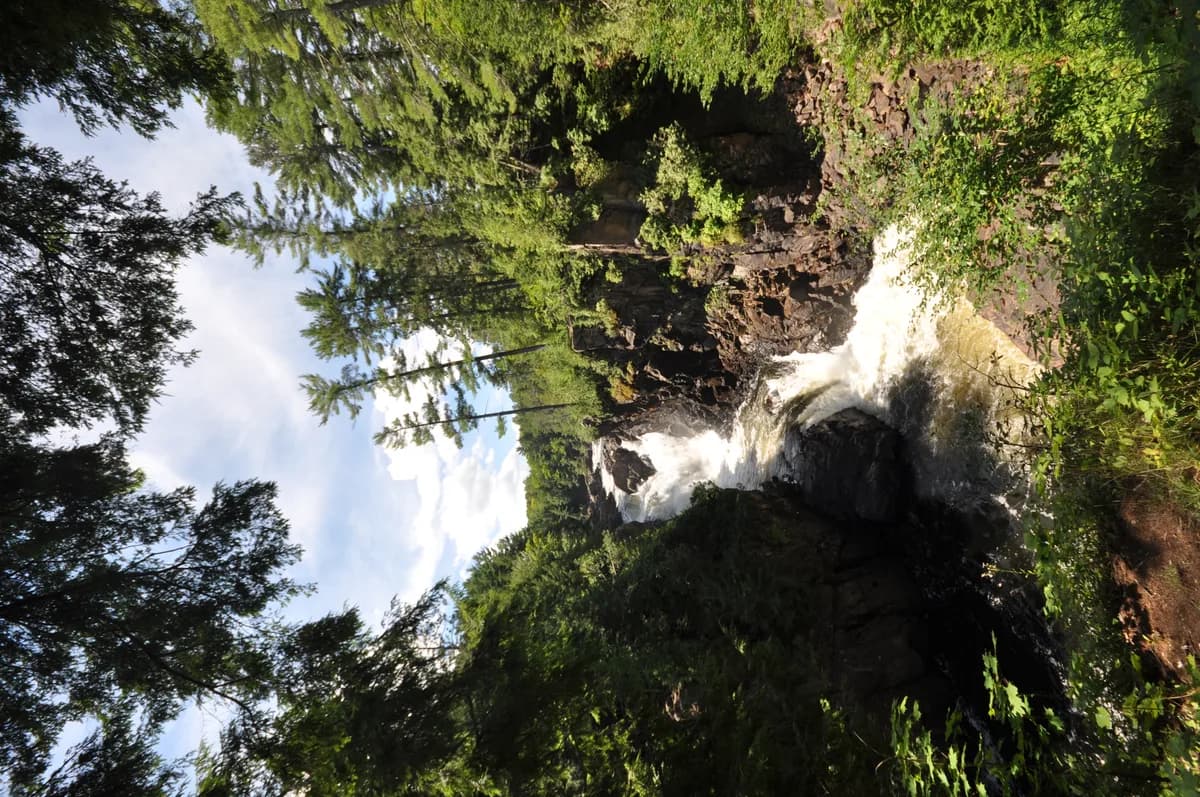
Chutes-Dorwin Park
Set along the Ouareau River, these spectacular 18-metre falls, surrounded by a maple grove and a century-old pine forest, rank among the most photographed natural sites in the Rawdon area.
Domaine de la forêt perdue and Forêt Ouareau Regional Park
At the heart of Haute-Matawinie, this vast forested territory with more than 120 kilometres of multi-use trails offers hiking, climbing, and canoeing in a setting representative of the transition between farmland lowlands and the Canadian Shield.
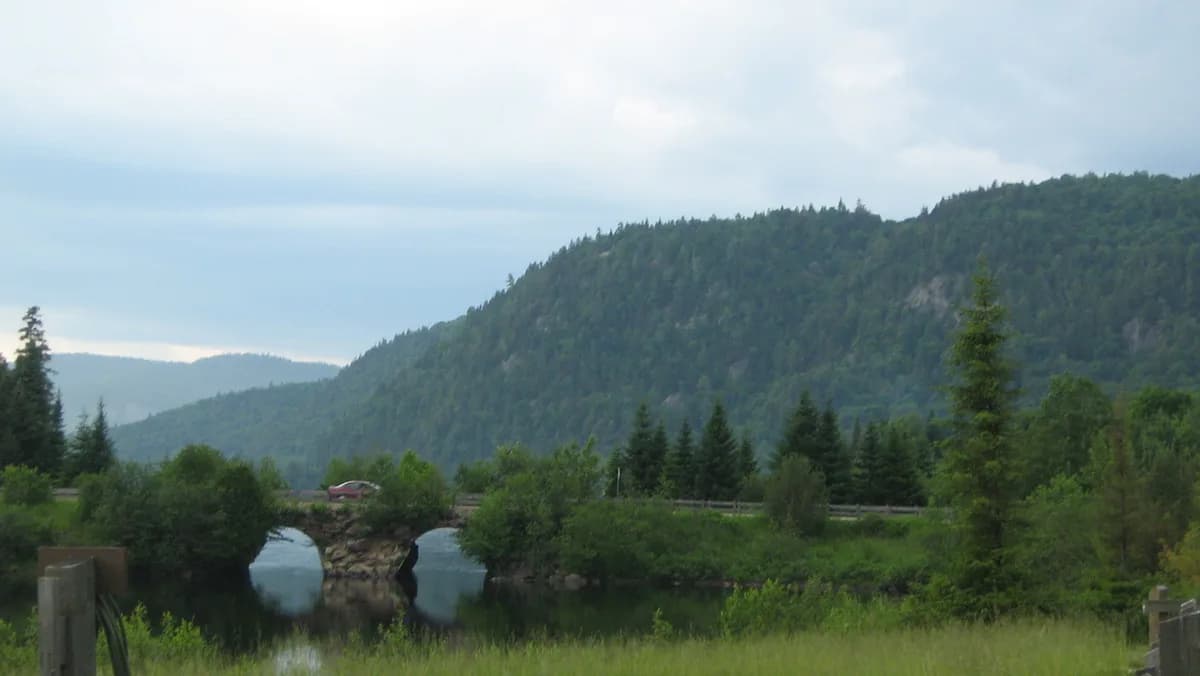
Mont-Tremblant National Park
The largest and oldest national park in the Québec network, this territory of more than 1,500 km² spans three distinct sectors rich in lakes, rivers, and peaks, offering one of Québec's most popular canoe-camping experiences.
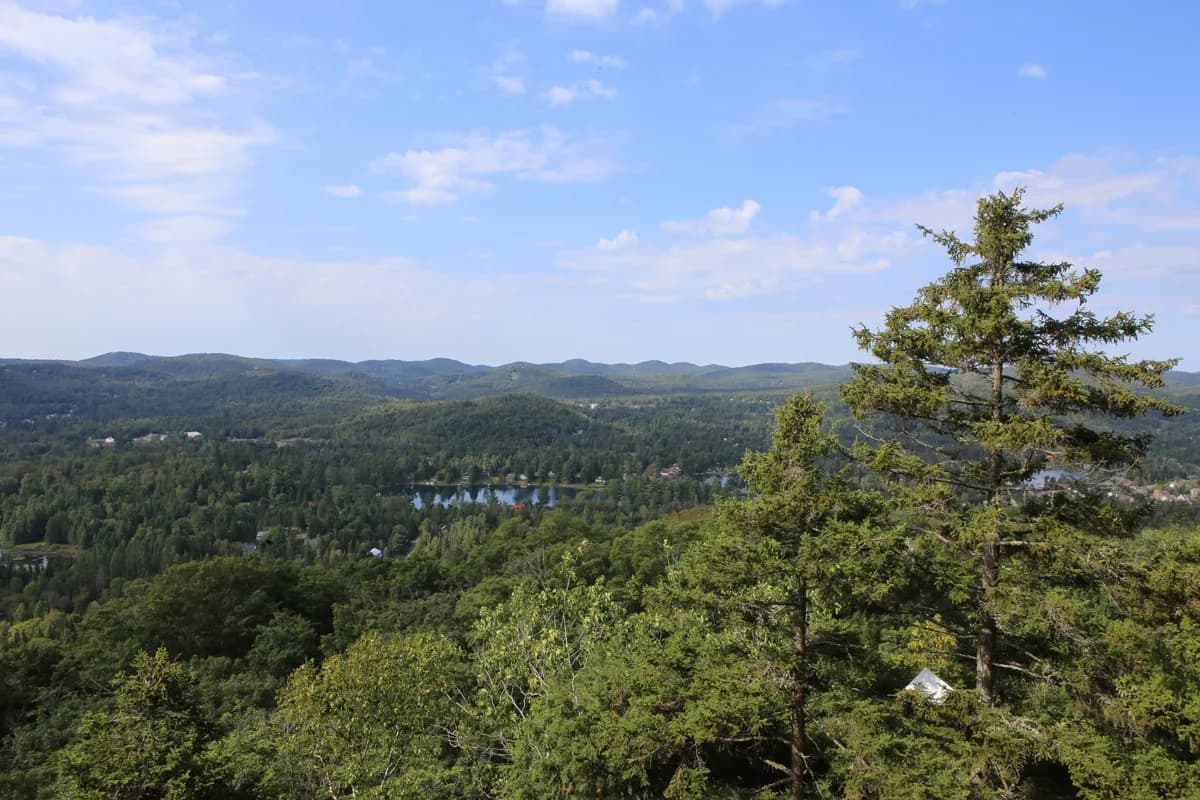
Village of Val-David
Known for its especially vibrant artistic community, this village on the P'tit Train du Nord linear park is full of art galleries, pottery studios, and public sculptures, with a bohemian atmosphere that makes it one of the region's most cherished stops.
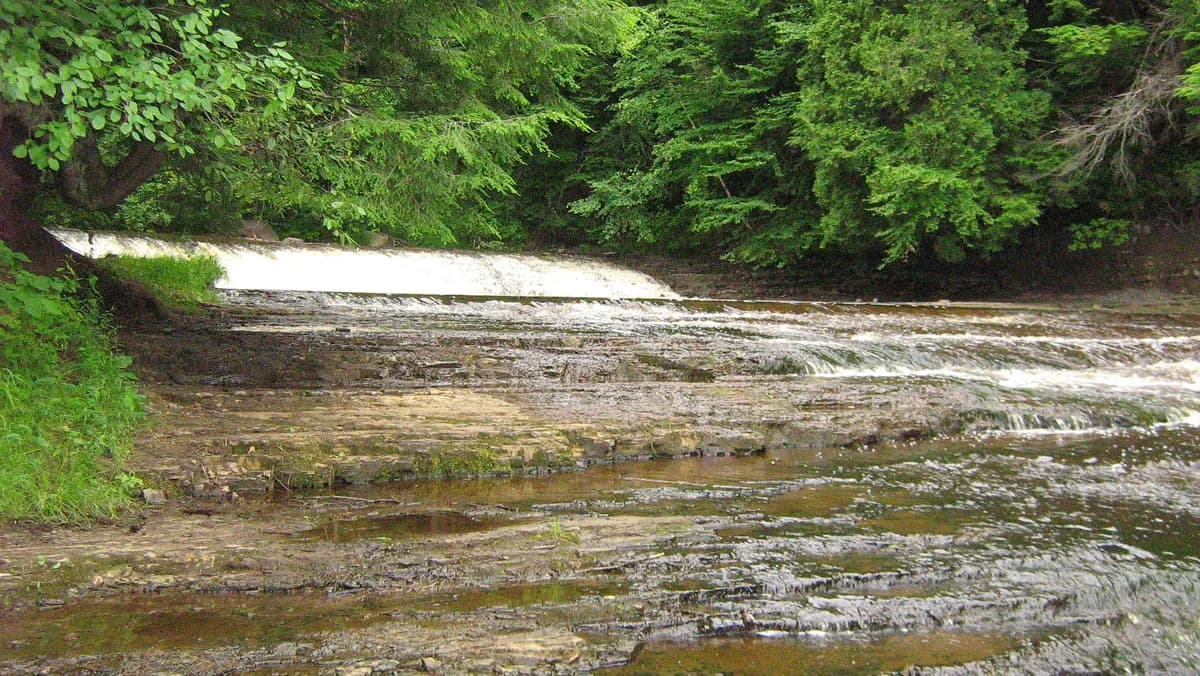
Rivière-du-Nord Regional Park
Recognized for its exceptional heritage cultural landscape, this regional park along the Rivière du Nord in Saint-Jérôme offers hiking, kayaking, and wildlife watching in a preserved natural setting right next to the urban centre.
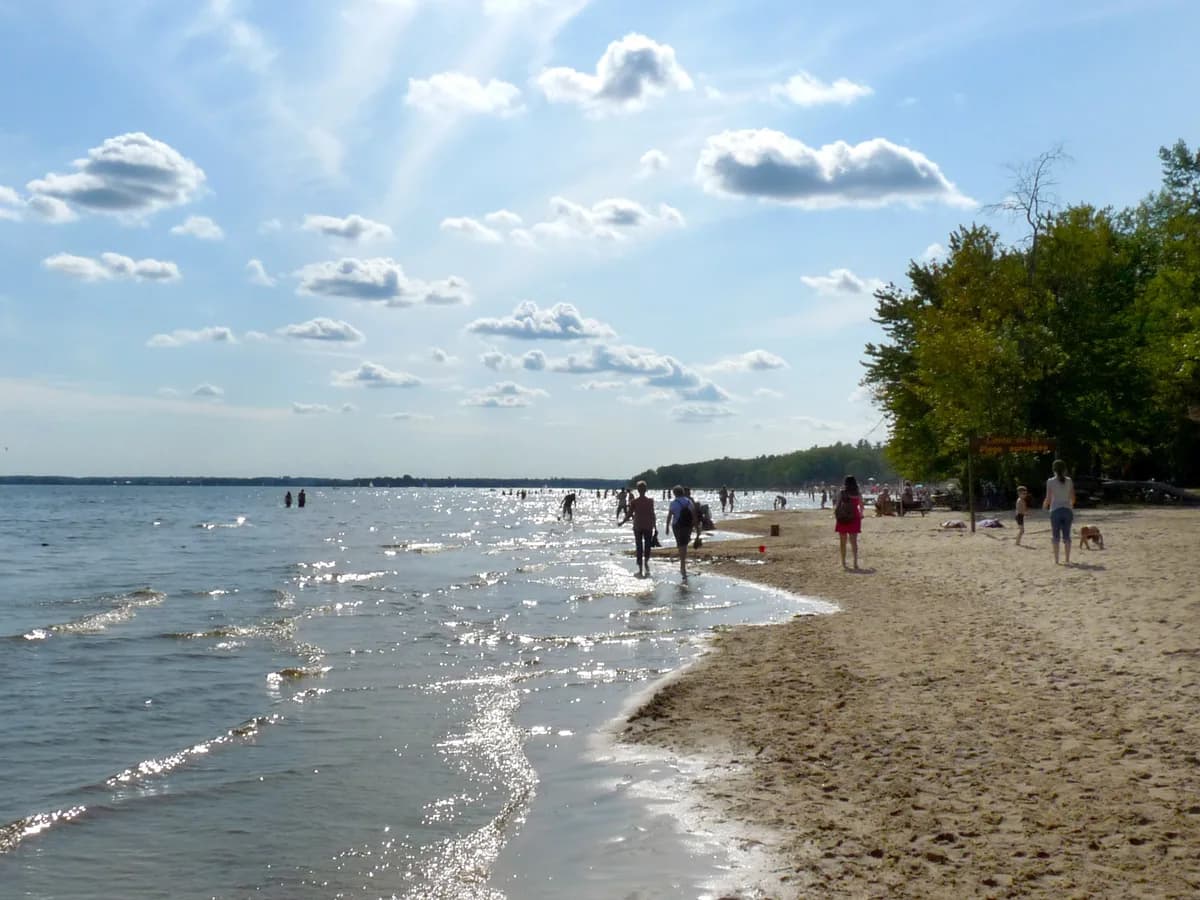
Oka National Park
Located just 35 minutes from Montréal, this park is home to one of Québec's largest heron colonies as well as the Oka Calvary, a Way of the Cross dating to 1742 and a historic structure unique in North America with its four oratories and three chapels.
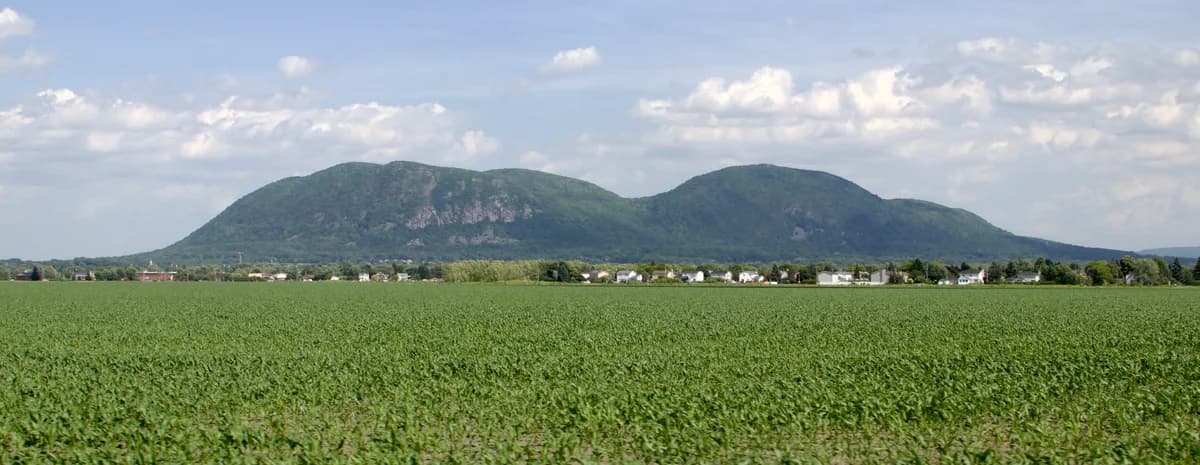
Gault Nature Reserve (Mont Saint-Hilaire)
Owned by McGill University since 1958 and Canada's first UNESCO-designated World Biosphere Reserve in 1978, this reserve protects more than 1,000 hectares of old-growth forest home to 500-year-old cedars and more than 185 bird species.
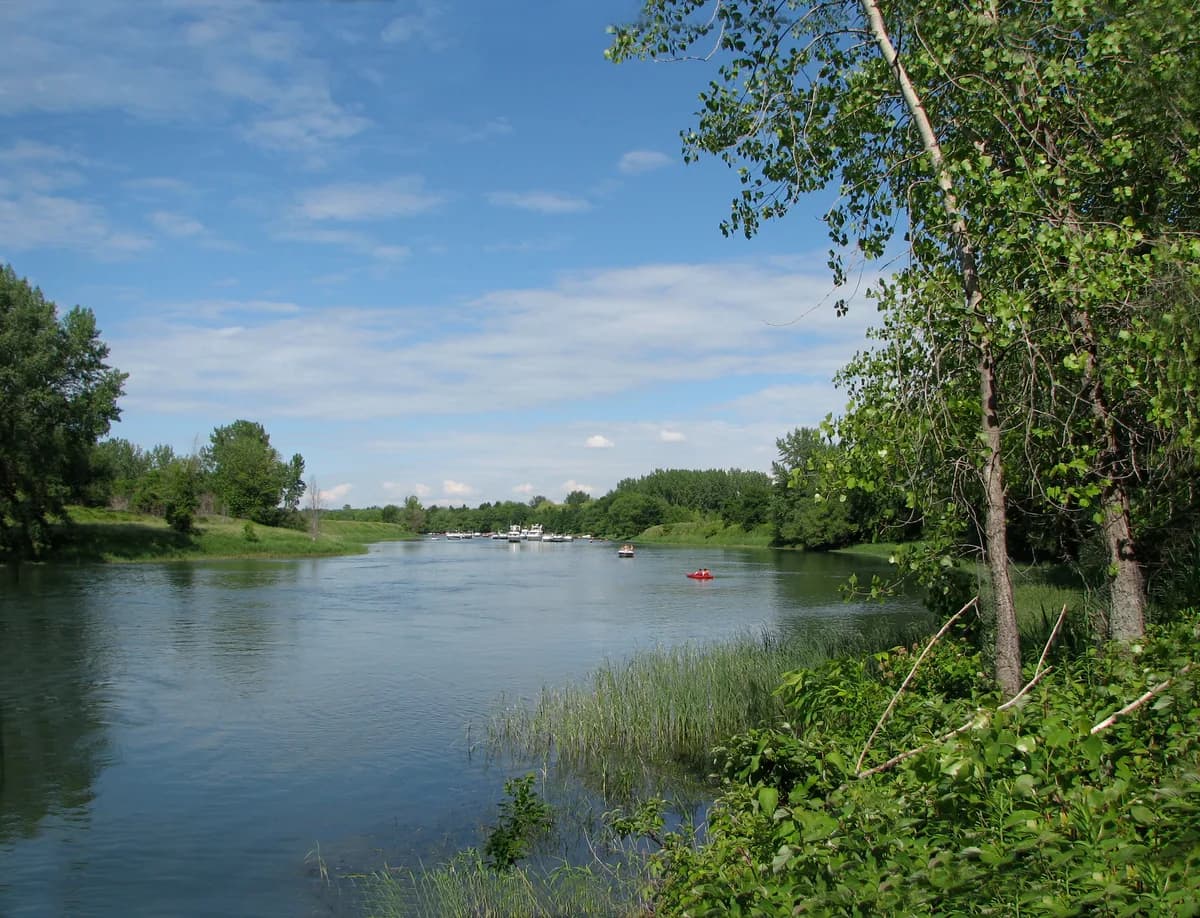
Îles-de-Boucherville National Park
An archipelago of five small islands right in the middle of the St. Lawrence River, just minutes from downtown Montréal, this park, reachable by river shuttle, combines wildlife channels, archaeological remains, and the site of one of Québec's earliest, now-vanished amusement parks.
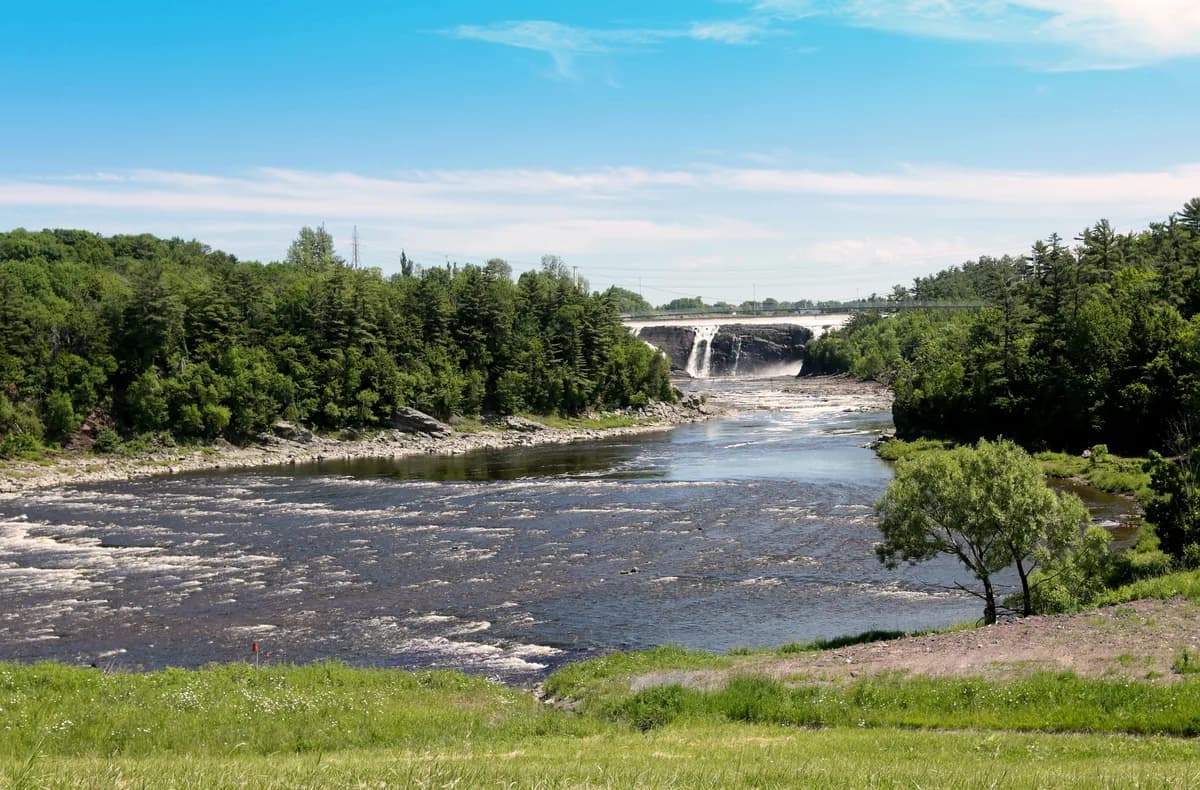
Chutes-de-la-Chaudière Park
An urban recreational jewel in Lévis, this park showcases spectacular 35-metre-high falls, crossable via a 113-metre suspension footbridge towering 23 metres above the Chaudière River.
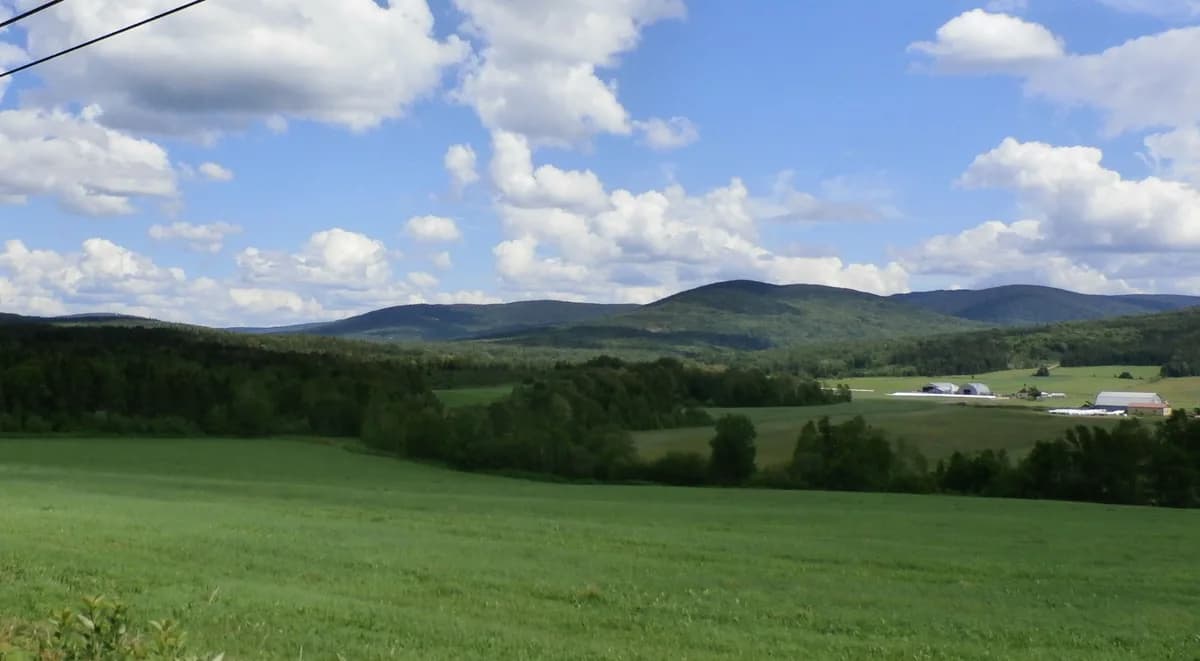
Massif du Sud Regional Park
Benefiting from an exceptional microclimate that brings an average of 750 centimetres of snow each year, this resort offers 35 ski runs including 17 through the woods, complemented by a vast network of hiking trails leading to unique rock formations and a forest ropes course.
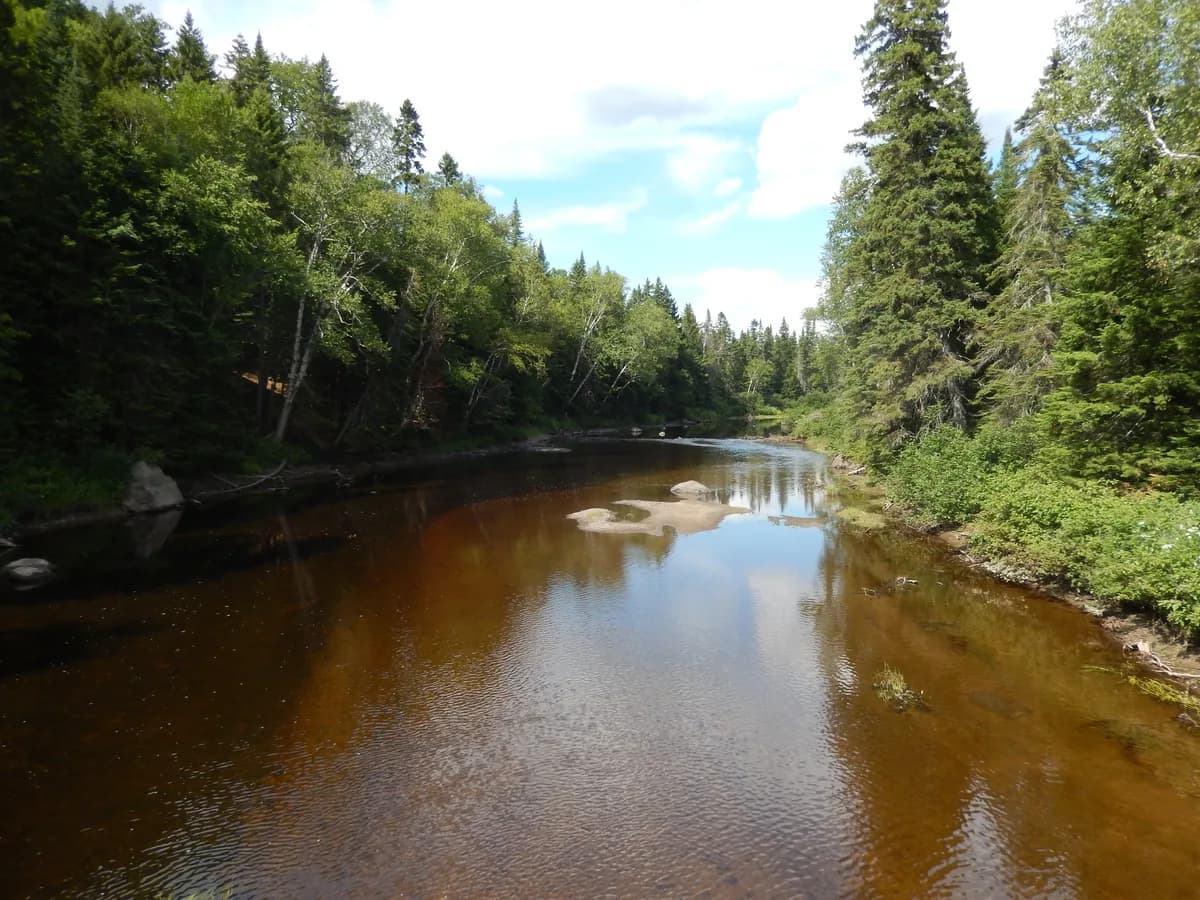
Parc des Appalaches
Spreading 140 kilometres of dog-friendly hiking trails through the mountainous foothills of southern Chaudière-Appalaches, this regional park offers canoeing, forest shelters, and the climb up Mont Sugar Loaf, the territory's highest point.
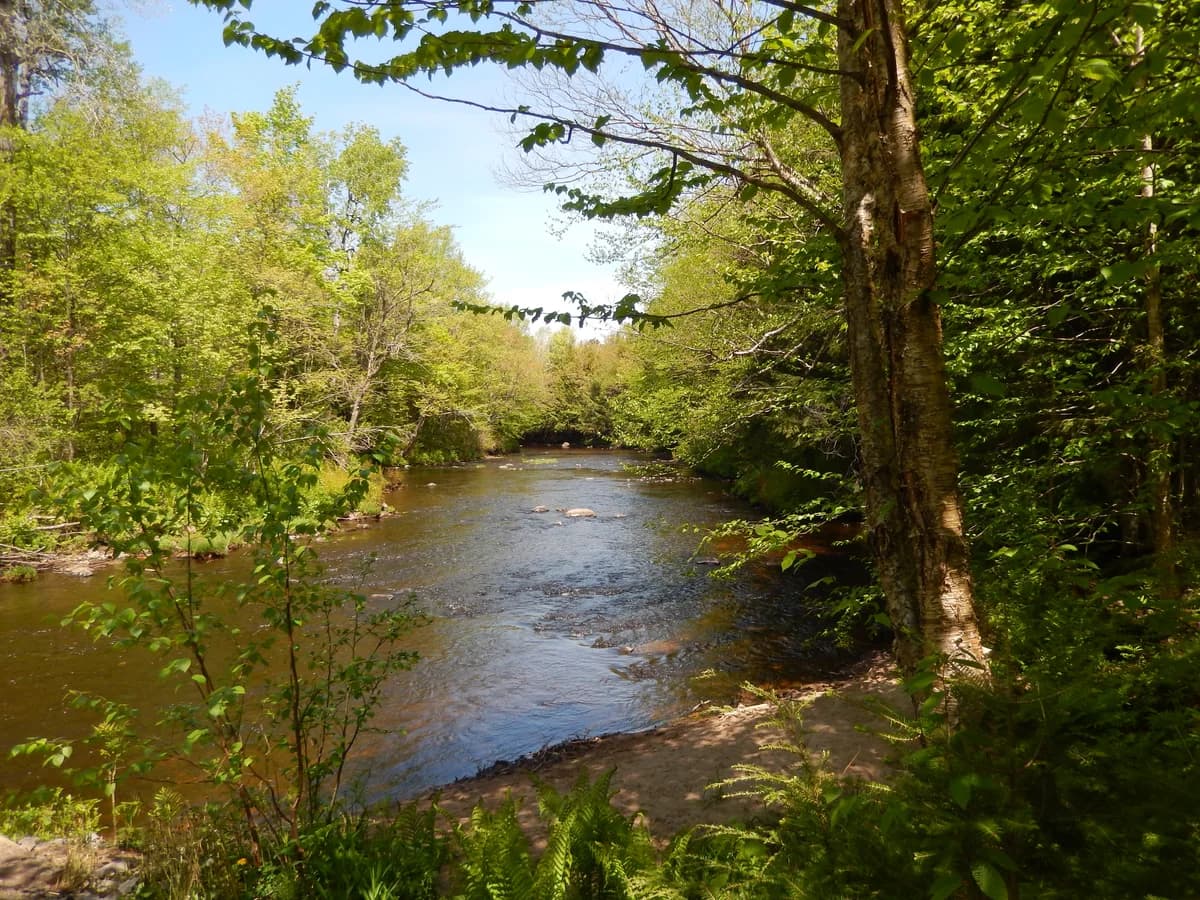
Grandes Coulées Regional Park
Set along the Rivière Noire in the Plessisville area, this regional park offers a network of gently graded trails, especially charming through its old-growth forest section, ideal for trout fishing, ropes courses, and wildlife watching.
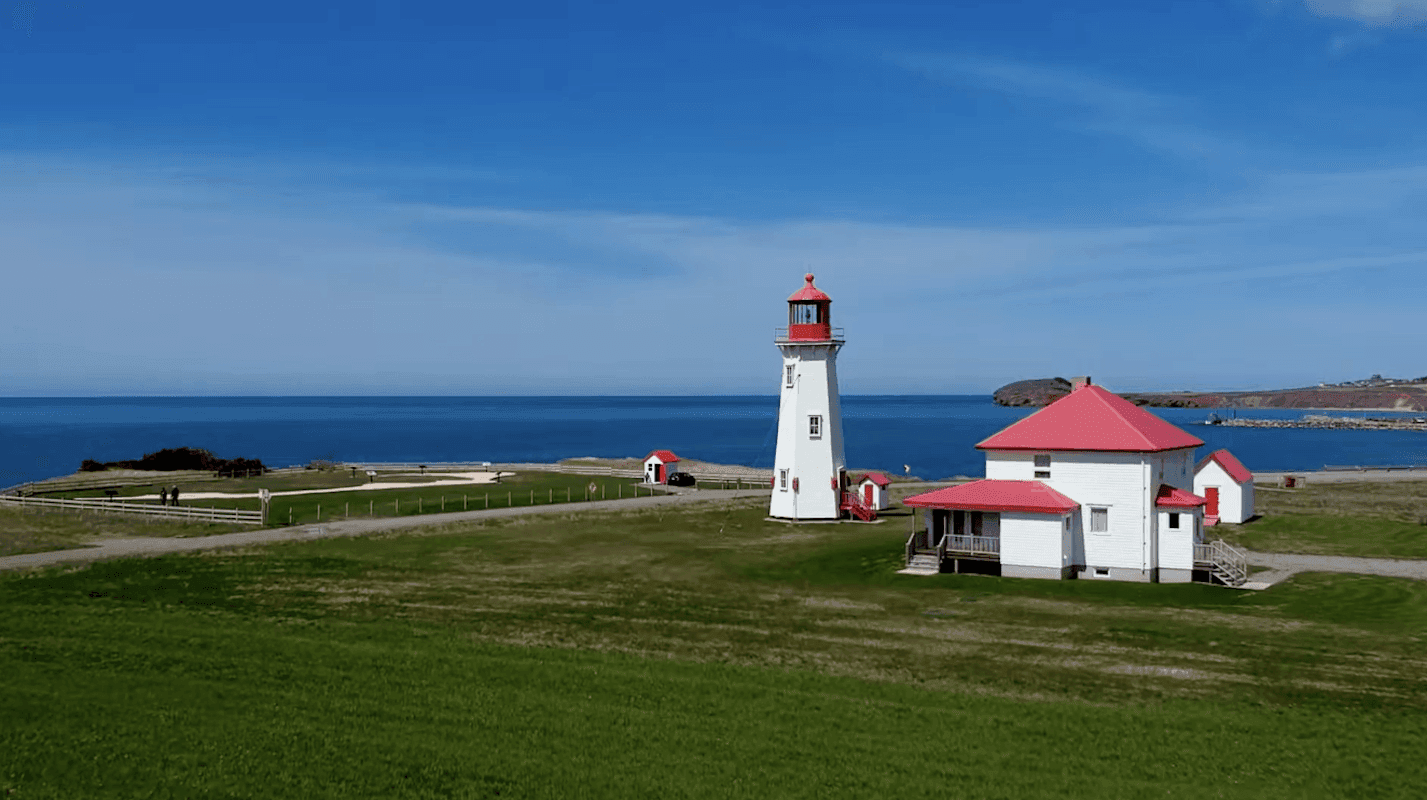
Réserve naturelle des Demoiselles and the Anse-à-la-Cabane Lighthouse
Acquired and protected by the Société de conservation des Îles-de-la-Madeleine, these gently rounded hills overlook one of the archipelago's oldest lighthouses, all framed by the scenic Chemin du Bassin road.
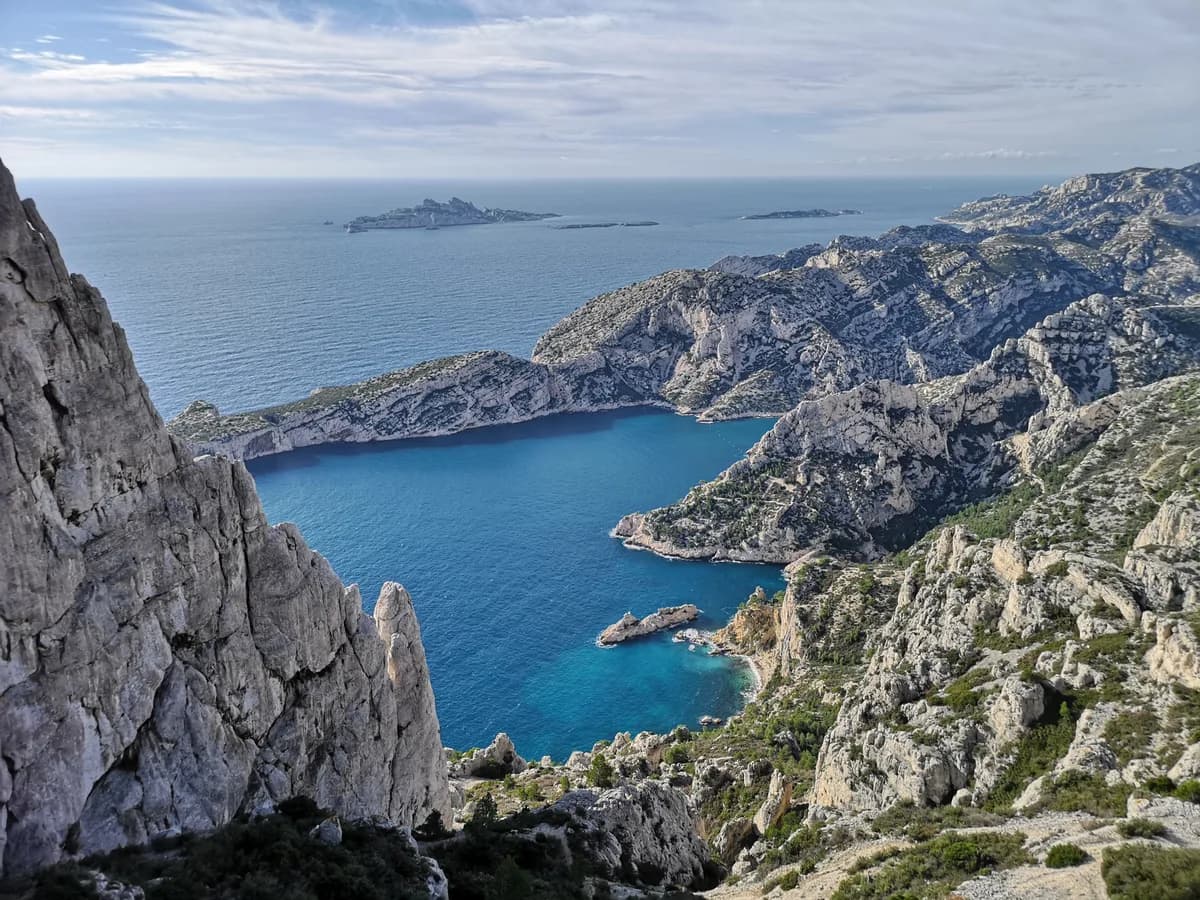
Gros-Cap Park and Its Sea Caves
Located on a peninsula at the entrance to Plaisance Bay, this park features a network of caves and tunnels endlessly carved by wave action, explorable by sea kayak in an area especially rich in seabird life.
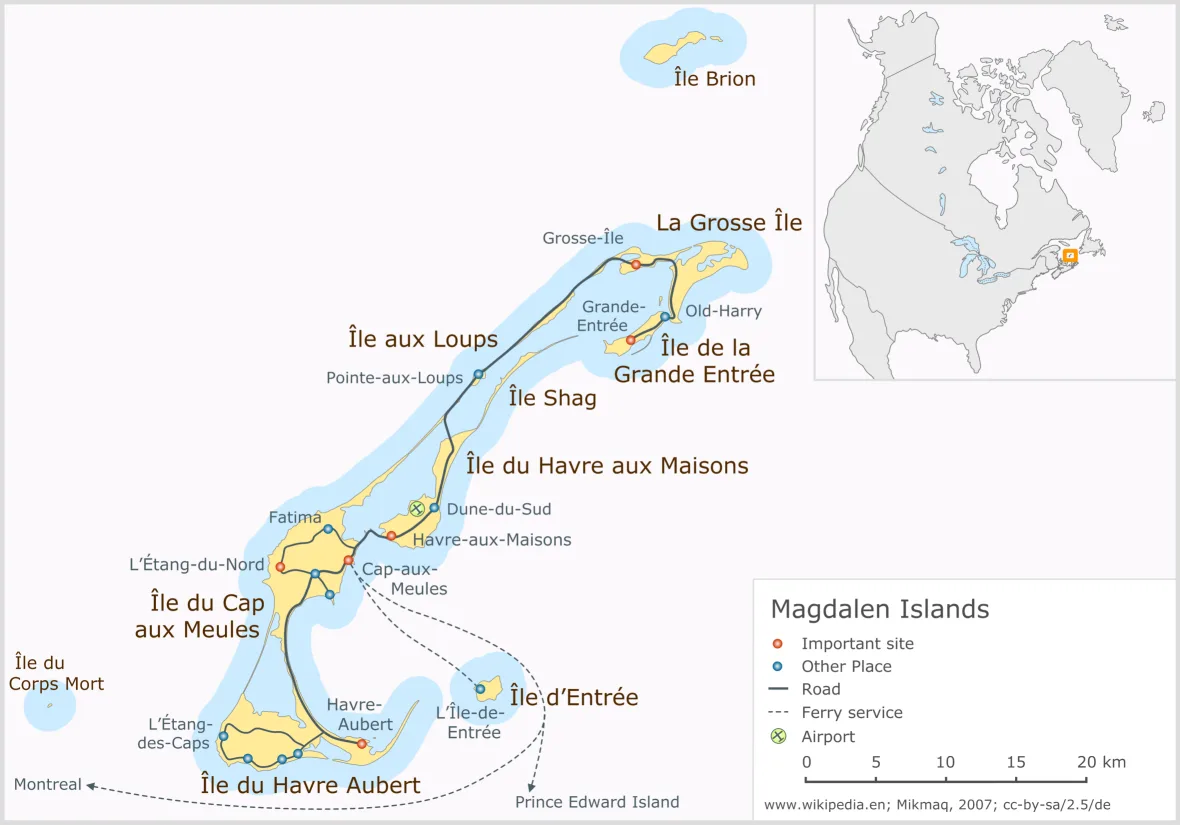
Dune du Sud and Cap Alright Lighthouse
Known for its spectacular red sandstone cliffs concealing caves accessible at low tide, this iconic beach on Havre aux Maisons island is paired with the view from the Cap Alright lighthouse, one of the archipelago's most photographed vantage points.
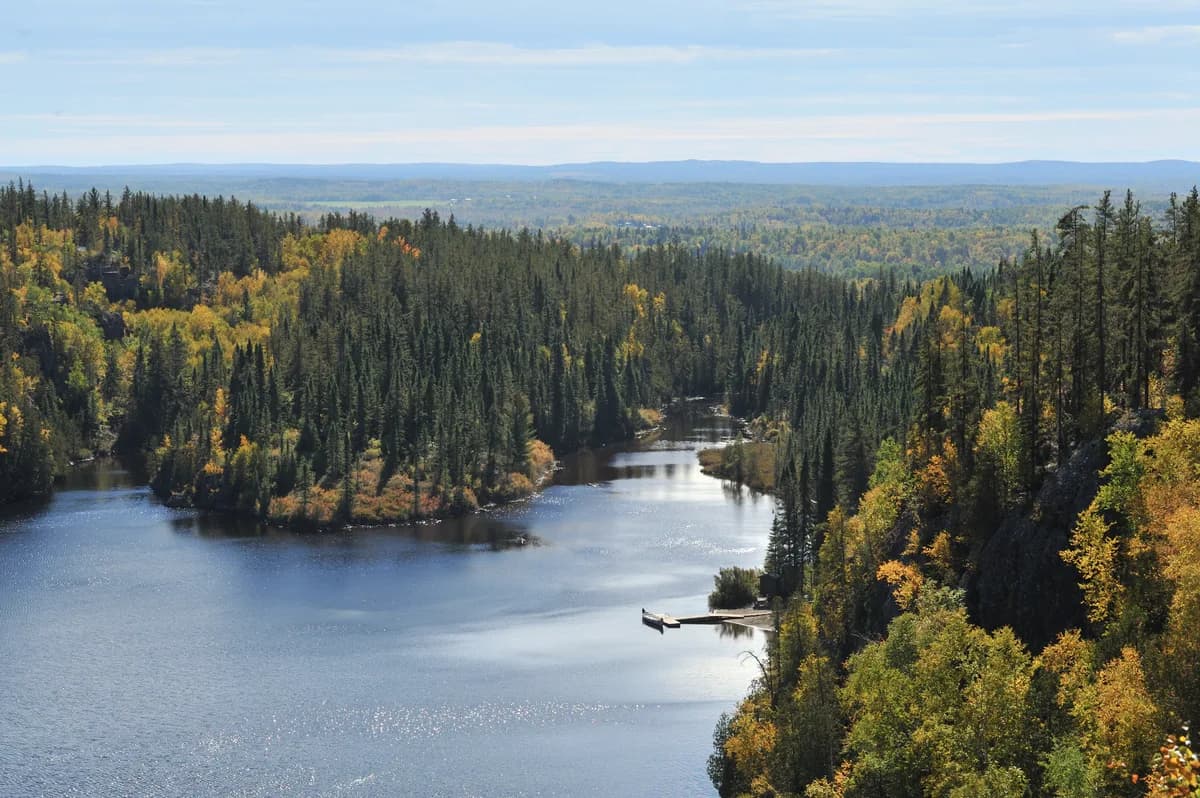
Aiguebelle National Park
Located at the geographic heart of the quadrilateral formed by Val-d'Or, Amos, Rouyn-Noranda, and La Sarre, this park, created in 1985, protects the Abitibi clay belt and the Abijévis hills, right along the watershed divide between Hudson Bay and the St. Lawrence.
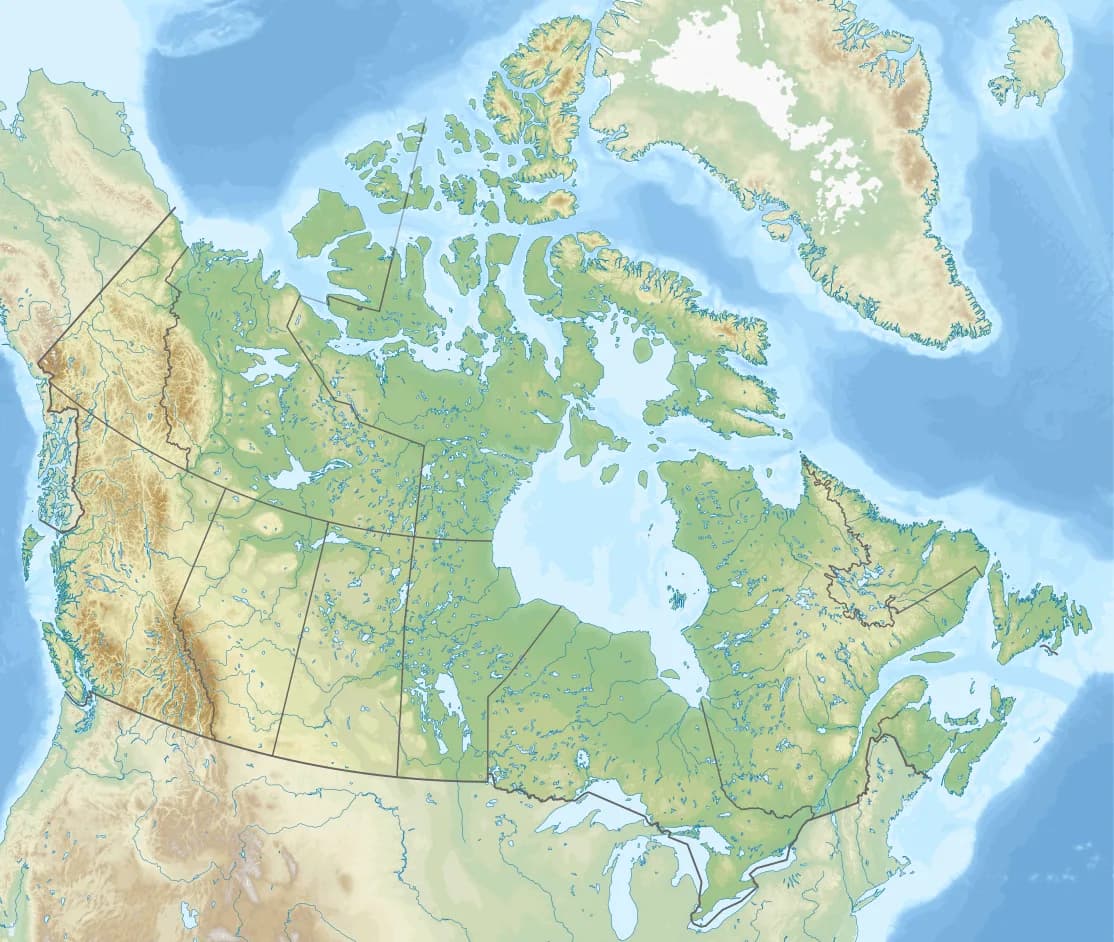
Lacs-Albanel-Mistassini-et-Waconichi Wildlife Reserve
Jointly managed and then fully delegated to the Cree Nation of Mistissini in 2017, this vast 16,400 km² reserve protects majestic Lake Mistassini, Québec's largest natural lake, renowned for its exceptional lake trout and northern pike catches.
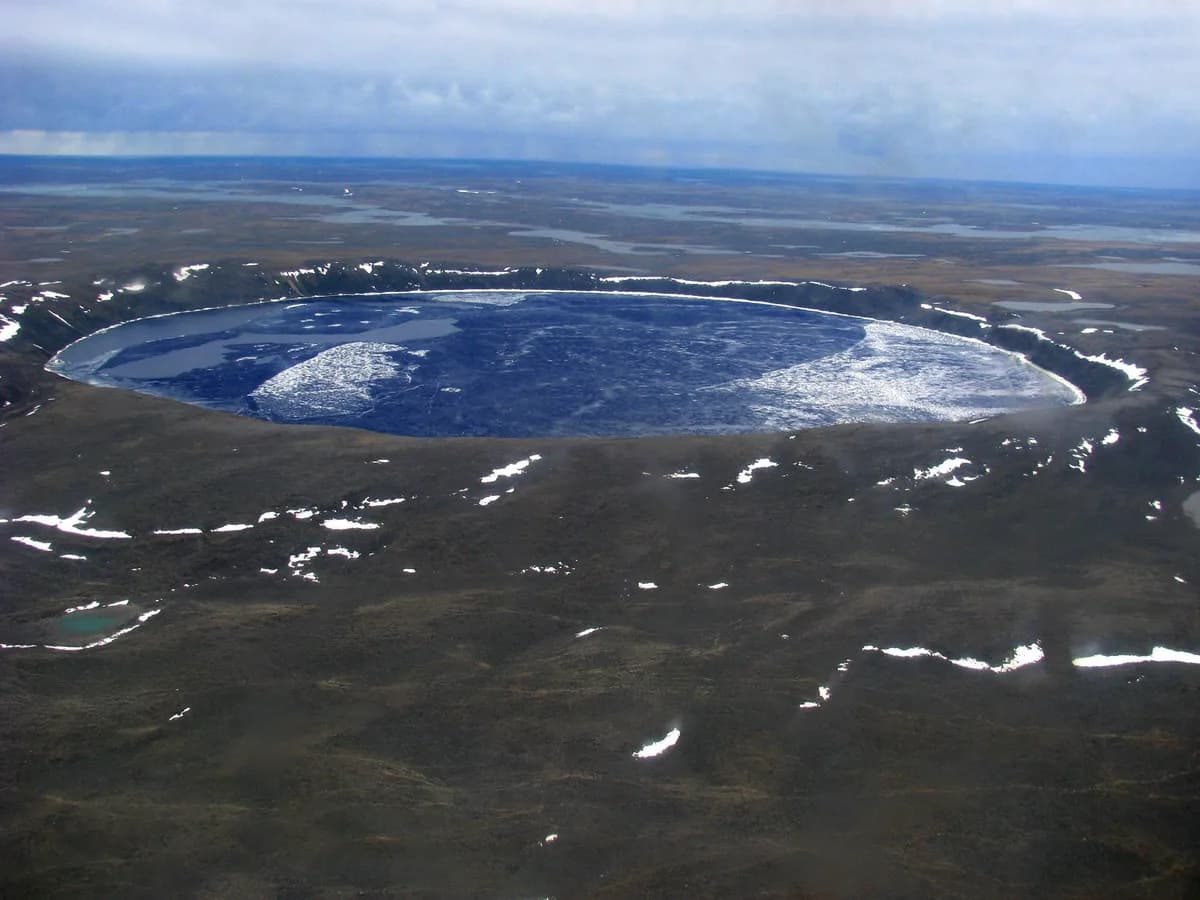
Pingualuit National Park
Home to one of the best-preserved meteorite craters on the planet, formed 1.4 million years ago, this northernmost park in the Québec network protects a circular lake of exceptional clarity, nicknamed by the Inuit "the remarkable place where one comes to find oneself."
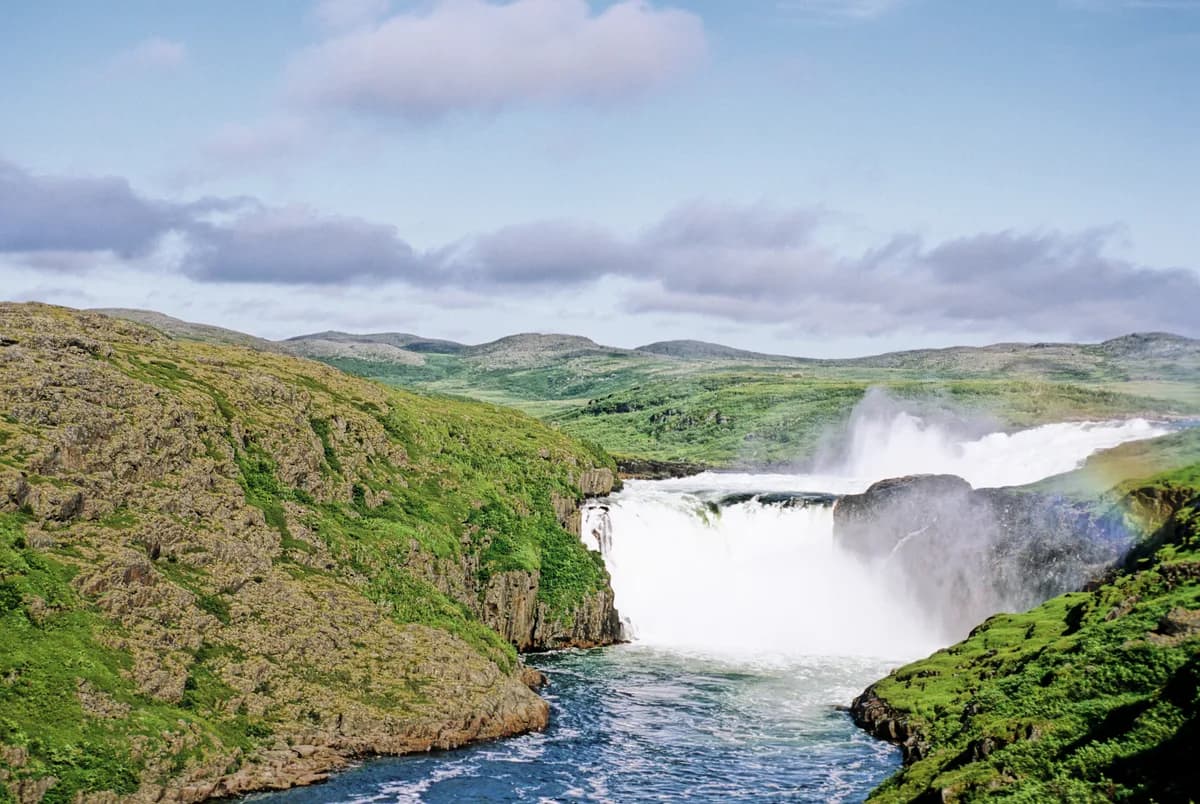
Tursujuq National Park
Québec's largest national park, this territory protects the Hudsonian cuestas and Lake Wiyâshâkimî, the province's second-largest natural lake, formed by a double meteorite impact roughly 287 million years ago.
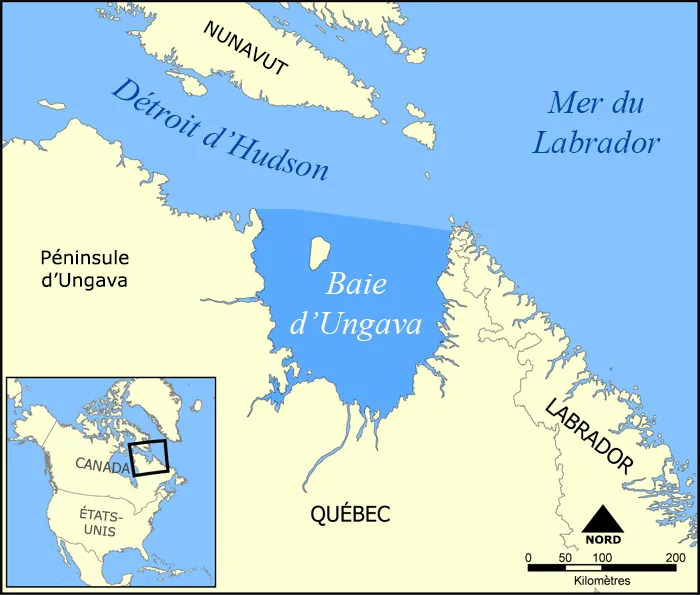
Kuujjuaq and Ungava Bay
Nunavik's largest community and the region's unofficial administrative capital, this town on the Koksoak River serves as the essential gateway to the entire Québec Arctic territory, offering an authentic glimpse of contemporary Inuit life.
Looking for a guided tour?
Explore Québec with a local guide
Guided tours, excursions and unforgettable experiences — book easily via Viator.
Browse guided tours →