
Grande Guia do Québec
Todos os locais
200 locais turísticos selecionados
Browse by activity
93 resultados
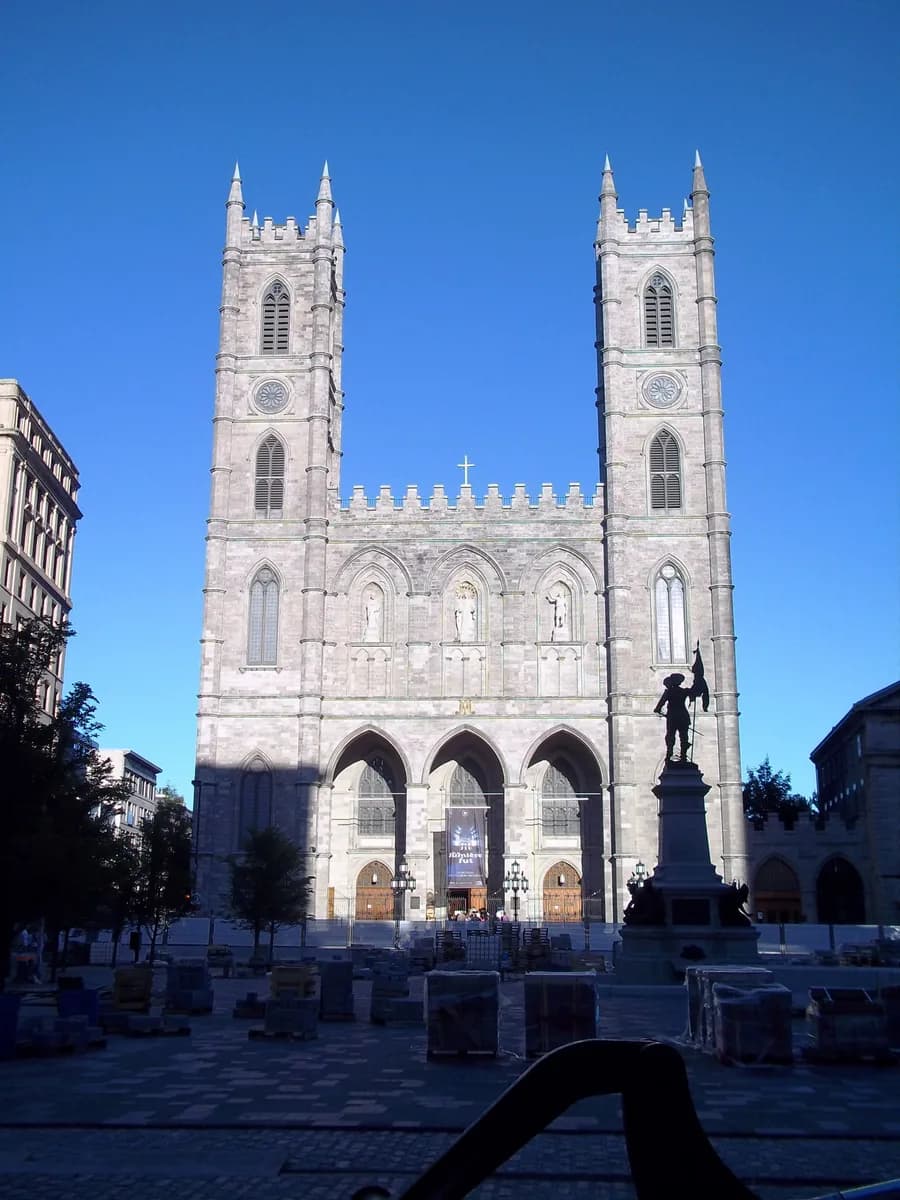
Notre-Dame Basilica of Montréal
Montréal's mother church and a Neo-Gothic masterpiece, Notre-Dame Basilica impresses with its richly carved wood interior, stained-glass windows, and monumental Casavant organ.
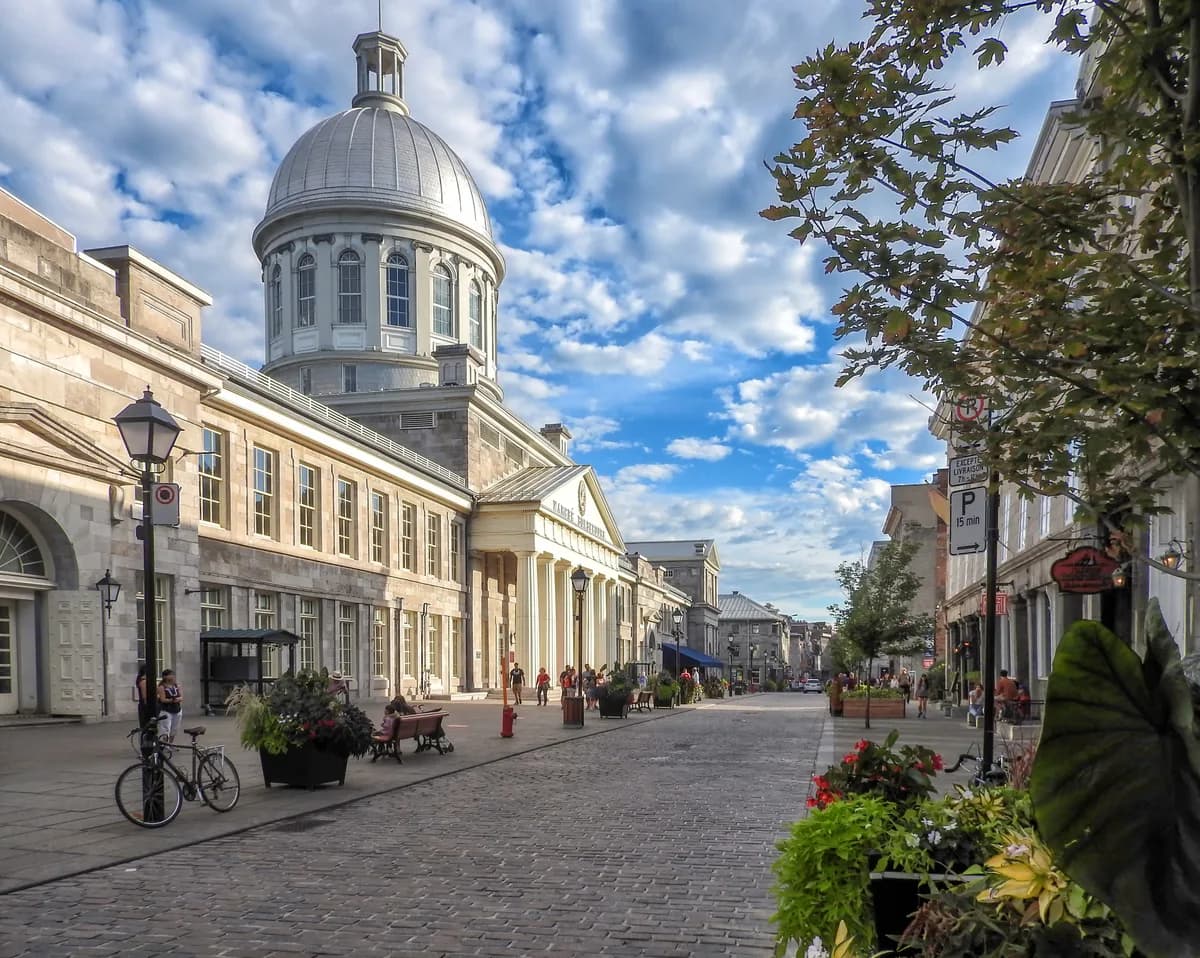
Bonsecours Market
An elegant Neoclassical building topped with a silver dome, Bonsecours Market today houses Québec craft boutiques, restaurants, and exhibition halls in the heart of Old Montréal.
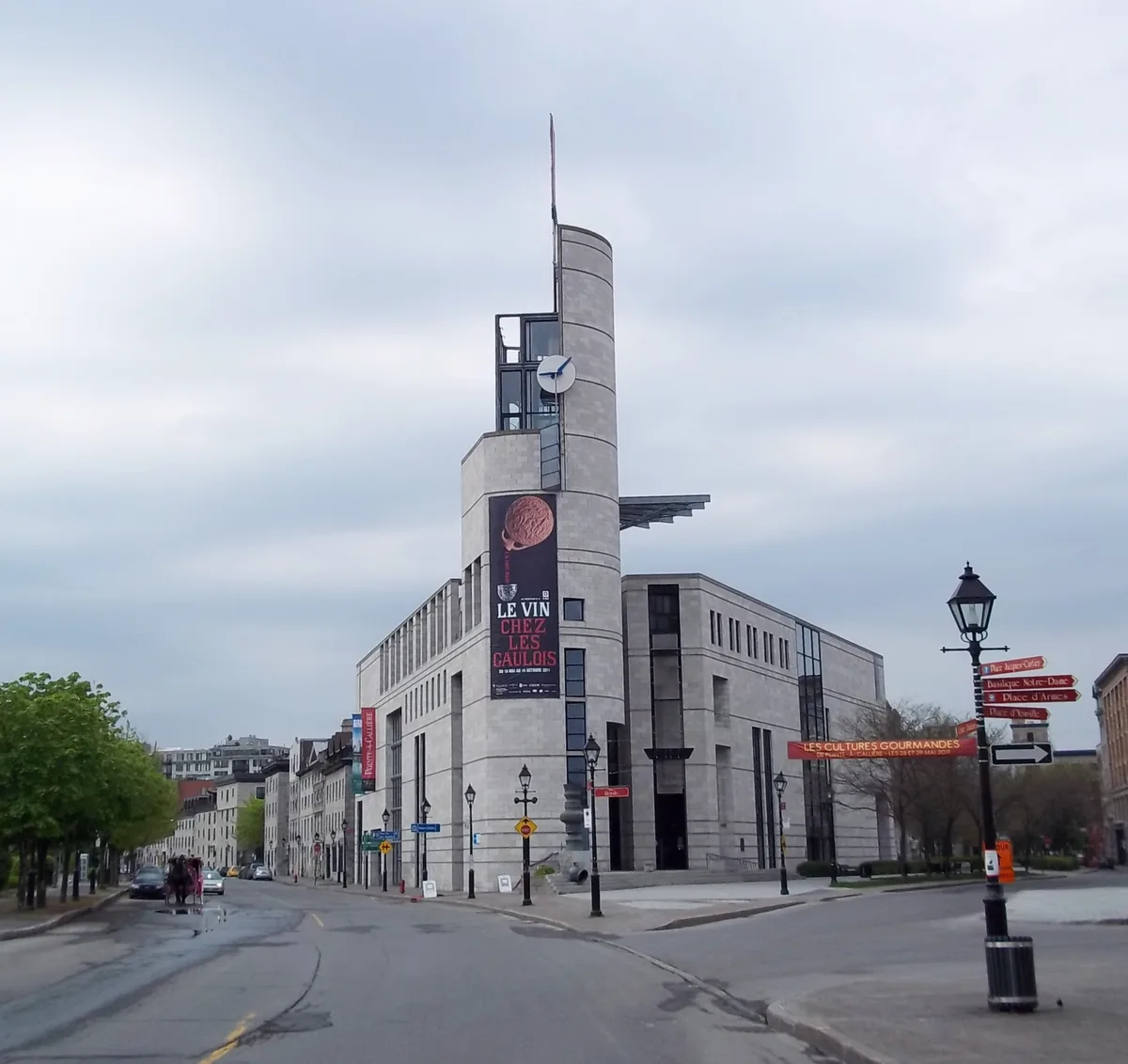
Pointe-à-Callière, Montréal Archaeology and History Complex
Built directly on the archaeological site where Montréal was founded in 1642, this museum—unique in Canada—lets visitors descend below street level to explore authentic remains.
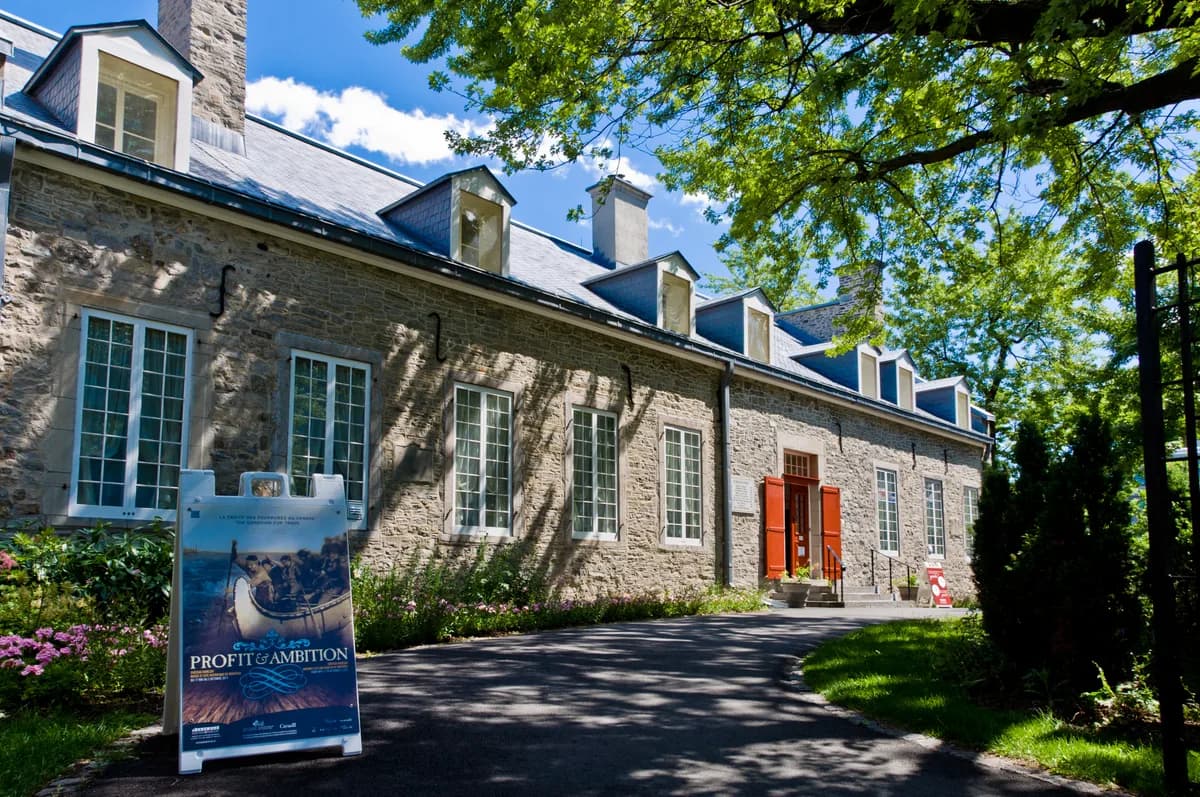
Château Ramezay — Montréal Museum and Historic Site
The first building in Québec to be designated a historic monument, Château Ramezay offers a journey through 500 years of Montréal history, complemented by a New France–style garden.
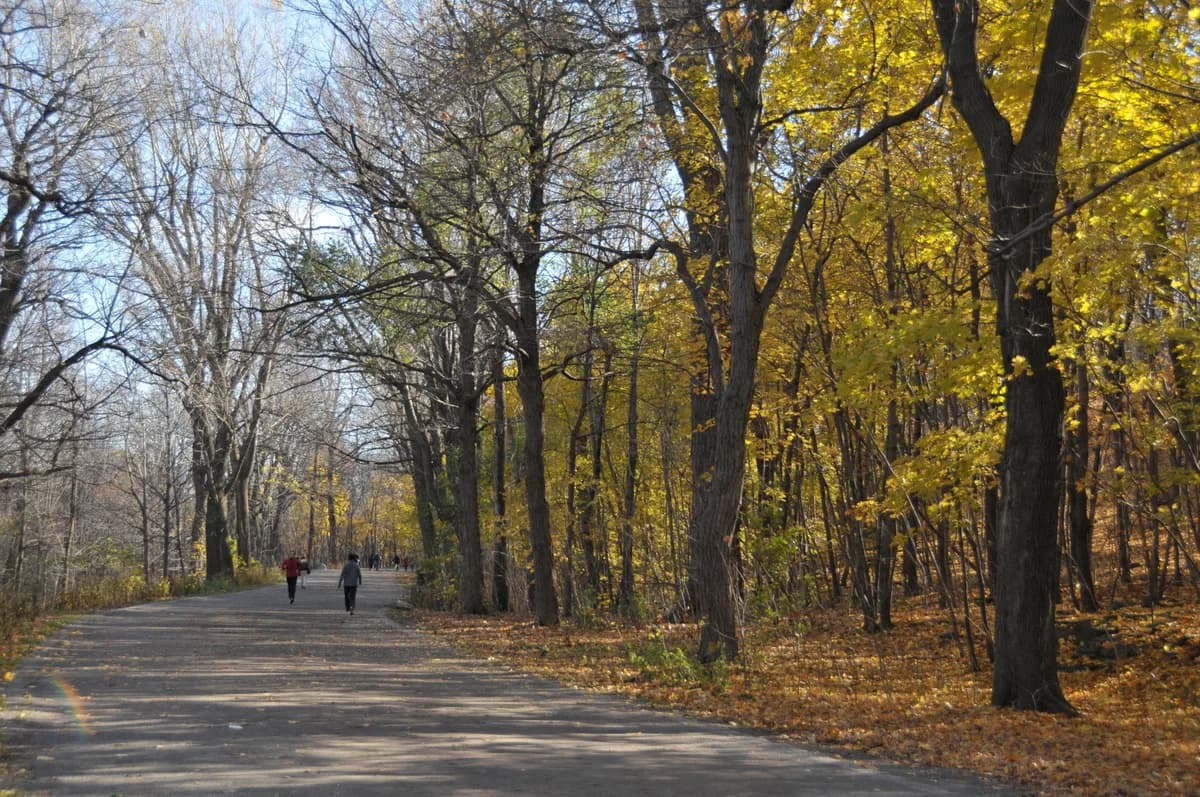
Mount Royal Park
A vast green space designed by famed landscape architect Frederick Law Olmsted (also the designer of New York's Central Park), Mount Royal offers spectacular views over the city and is home to the Kondiaronk lookout, the park's most visited spot.
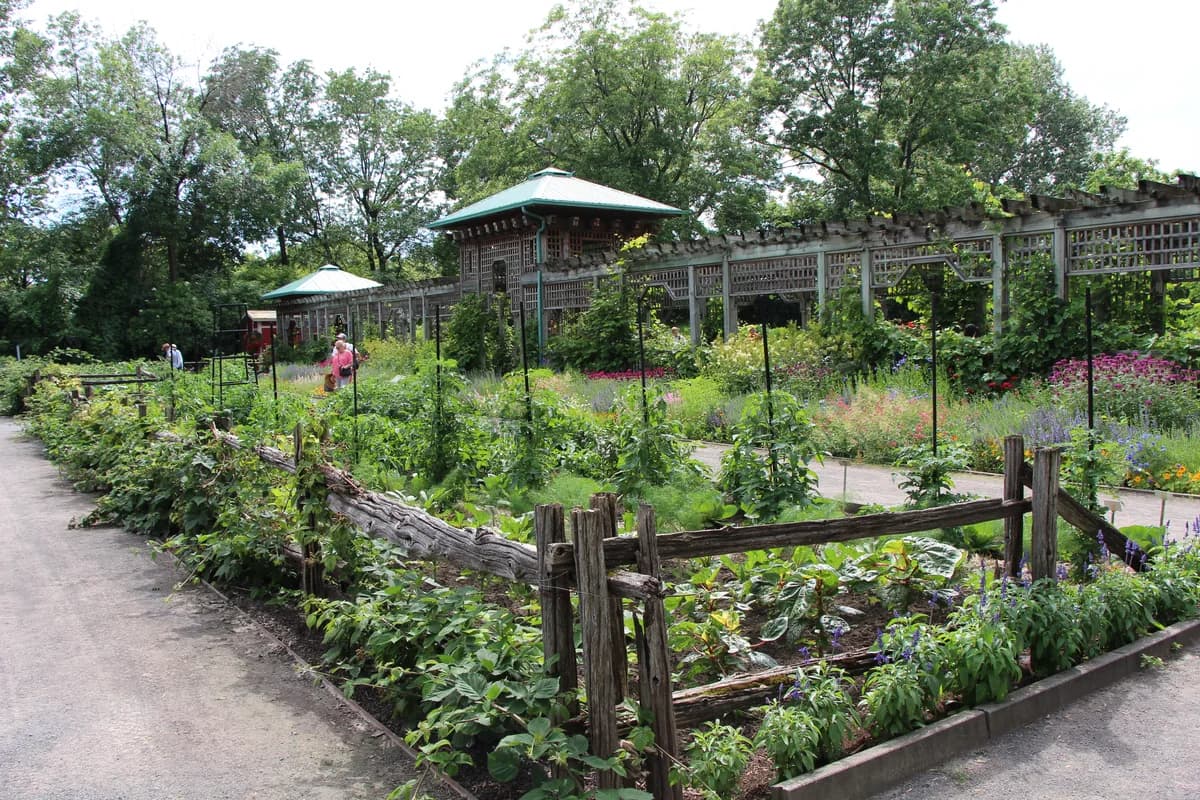
Montréal Botanical Garden
One of the world's leading botanical gardens, spanning 75 hectares with 22,000 plant species, 10 exhibition greenhouses, and some thirty themed gardens, including the renowned Chinese and Japanese gardens.
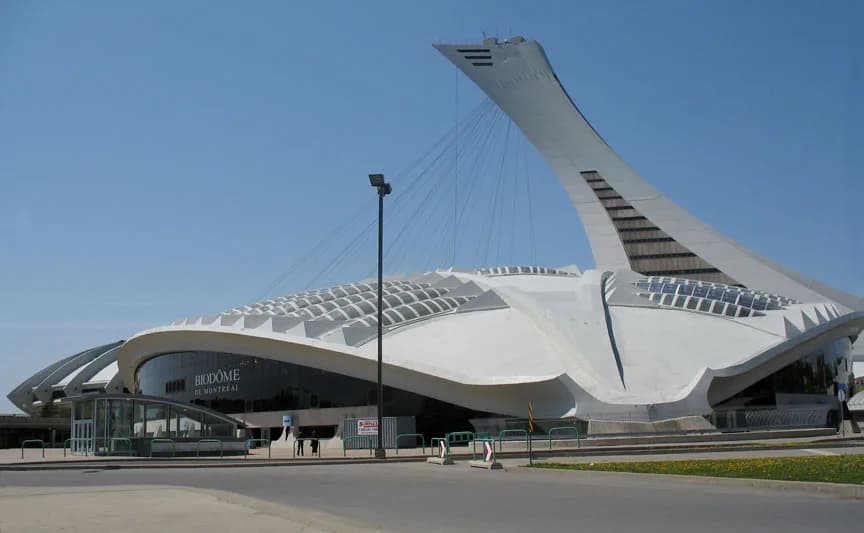
Montréal Biodôme
Housed in the former 1976 Olympic Velodrome, the Biodôme recreates four ecosystems of the Americas (tropical rainforest, maple forest, Gulf of St. Lawrence, and polar world) under a single roof.
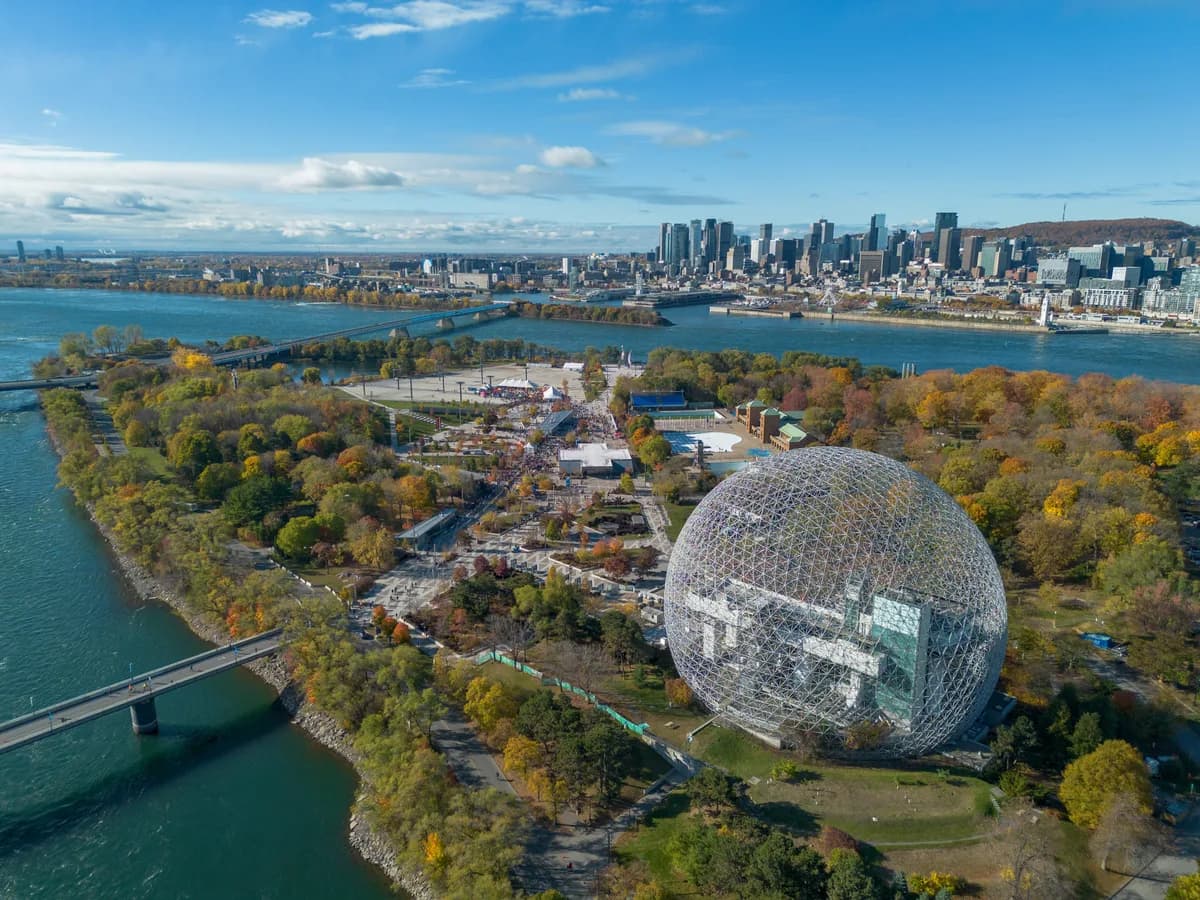
Jean-Drapeau Park (Saint Helen's Island and Notre Dame Island)
An archipelago of islands built up in the St. Lawrence, host of the 1967 World's Fair and today a public park home to the Biosphère, the Formula 1 racetrack, and La Ronde amusement park.
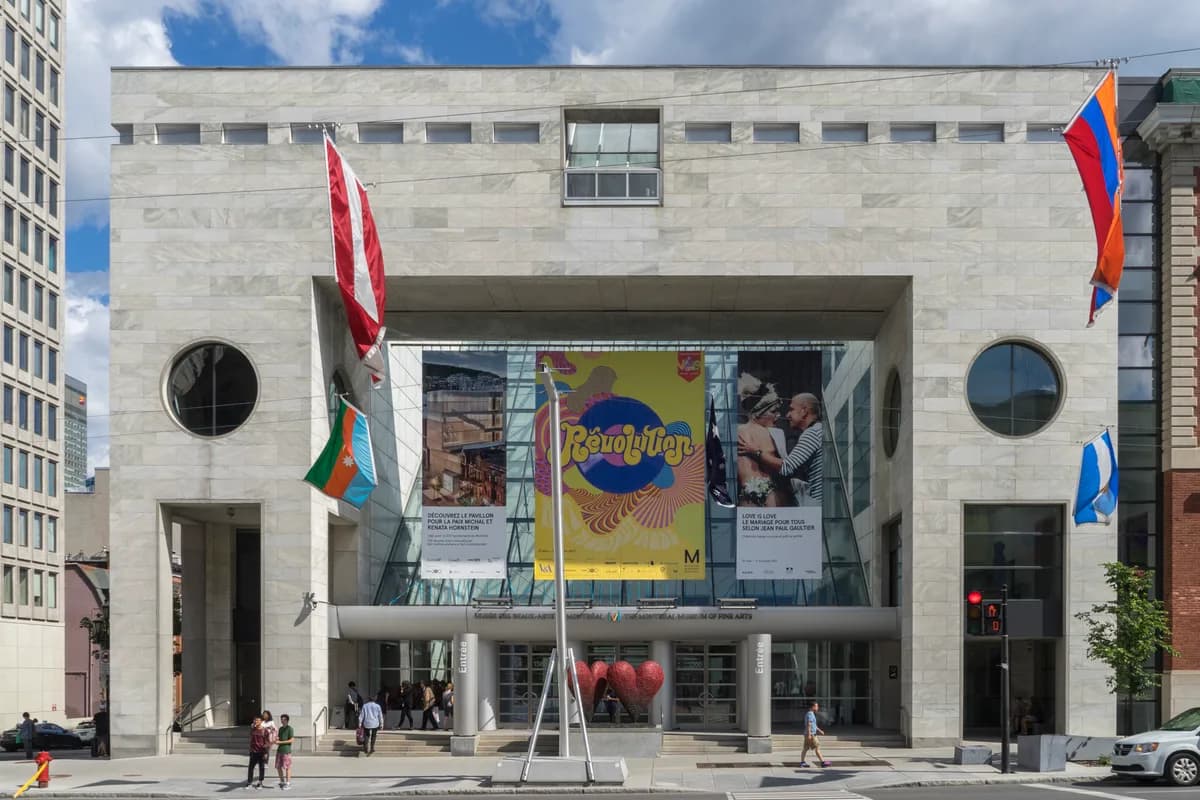
Montréal Museum of Fine Arts
Québec's oldest and largest art museum, the MMFA brings together nearly 47,000 works across five pavilions, including a former church converted into a Canadian art exhibition space.
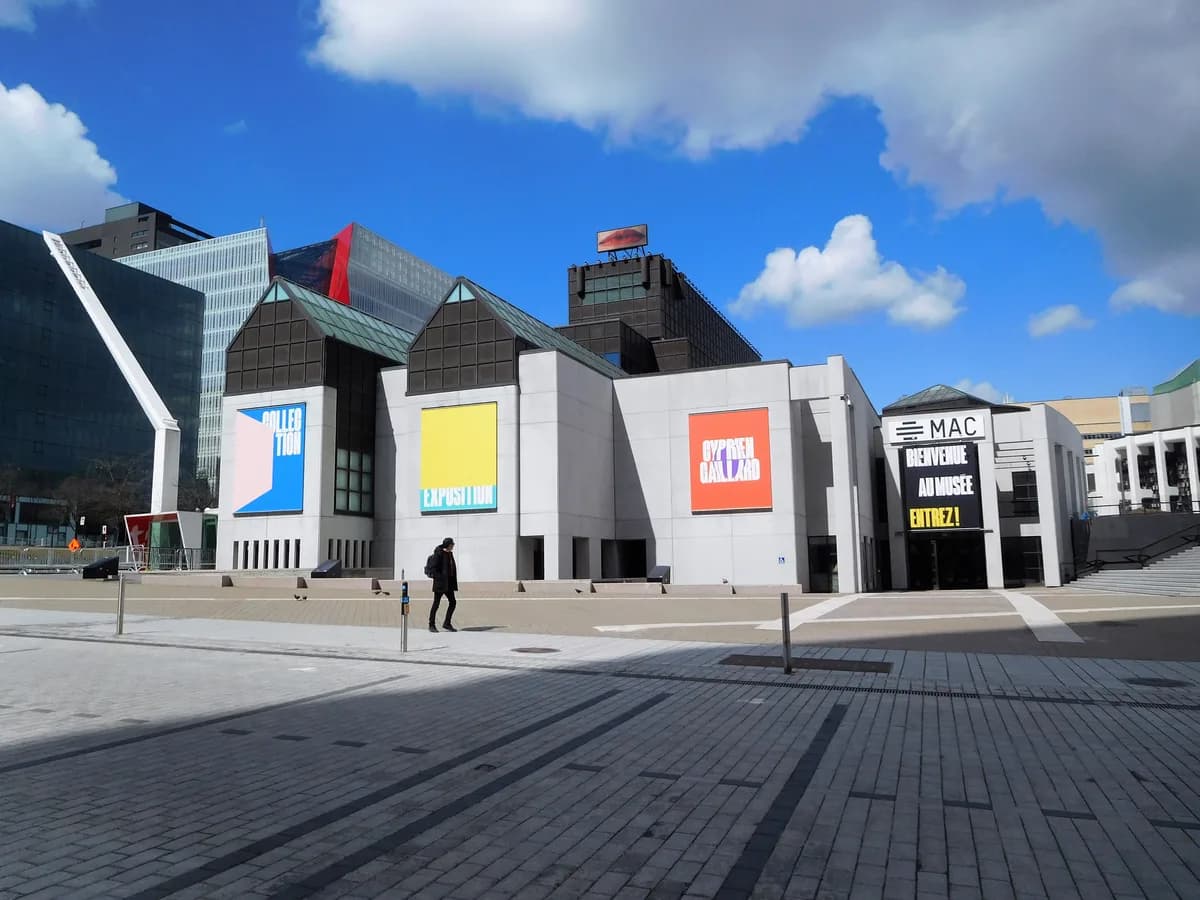
Montréal Museum of Contemporary Art
Canada's only museum entirely dedicated to contemporary art, featuring a permanent collection of more than 8,000 works alongside exhibitions by Québec and international artists.
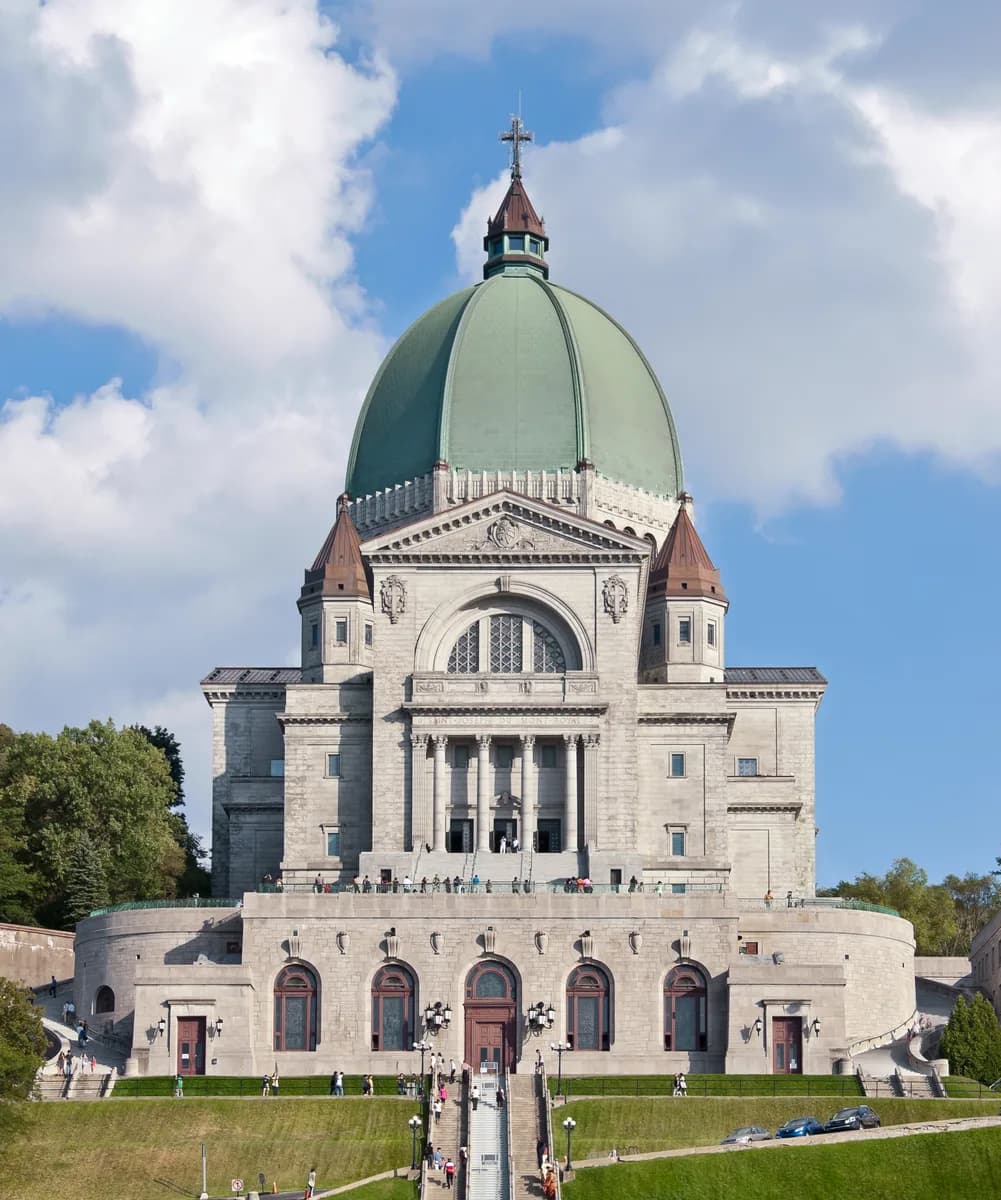
Saint Joseph's Oratory of Mount Royal
The world's largest sanctuary dedicated to Saint Joseph, founded by Brother André, the Oratory welcomes about two million pilgrims and visitors each year and forms the highest visible point on the Montréal skyline.
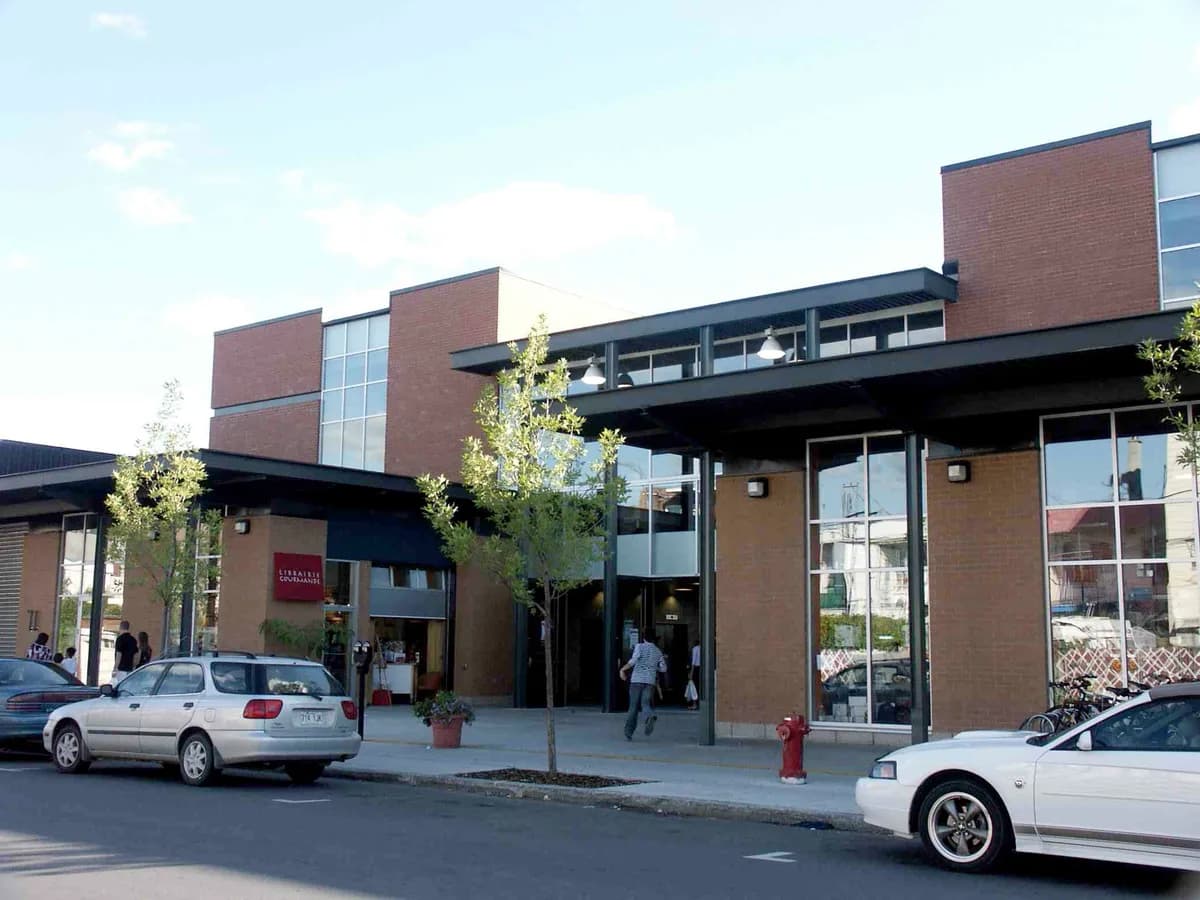
Jean-Talon Market
One of the largest open-air public markets in North America, at the heart of Little Italy, where market gardeners, cheesemakers, and culinary artisans have gathered since 1933.
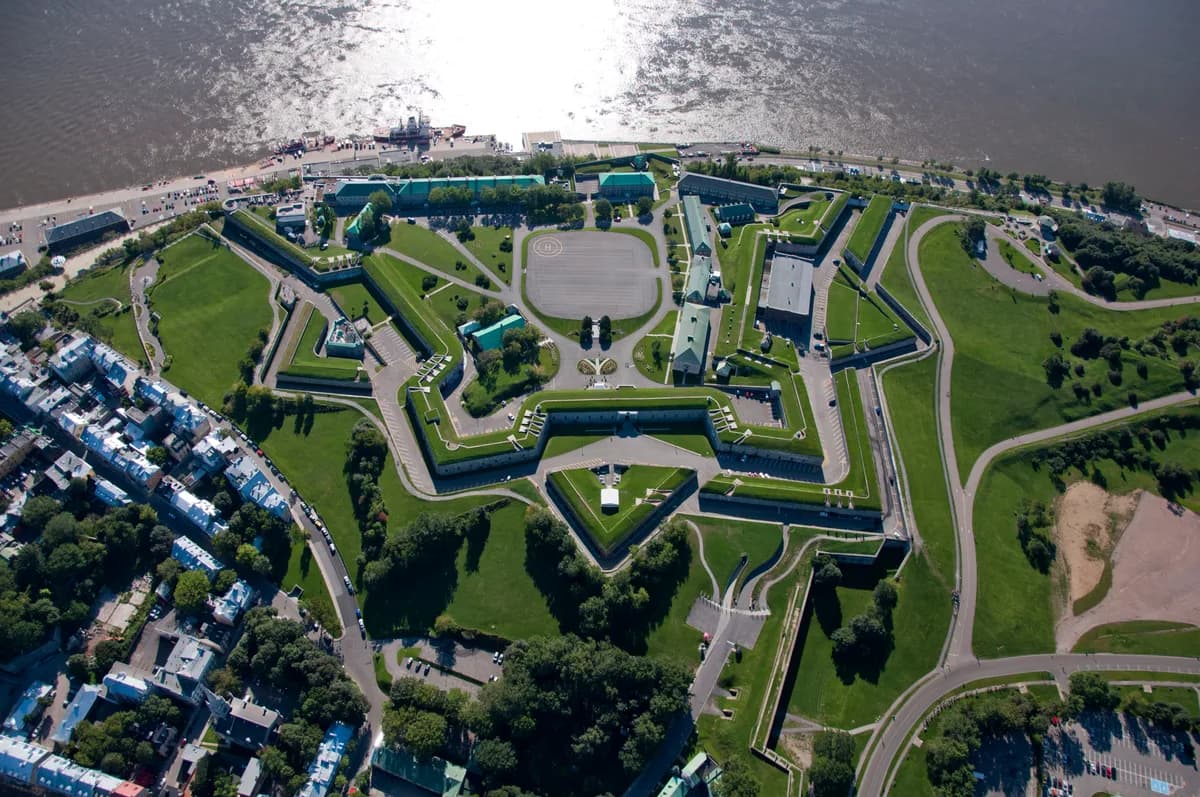
Citadelle of Québec
The largest British military structure in North America, nicknamed the "Gibraltar of America," the Citadelle remains an active military base, home to the Royal 22e Régiment, the only French-speaking unit of the Canadian Armed Forces.
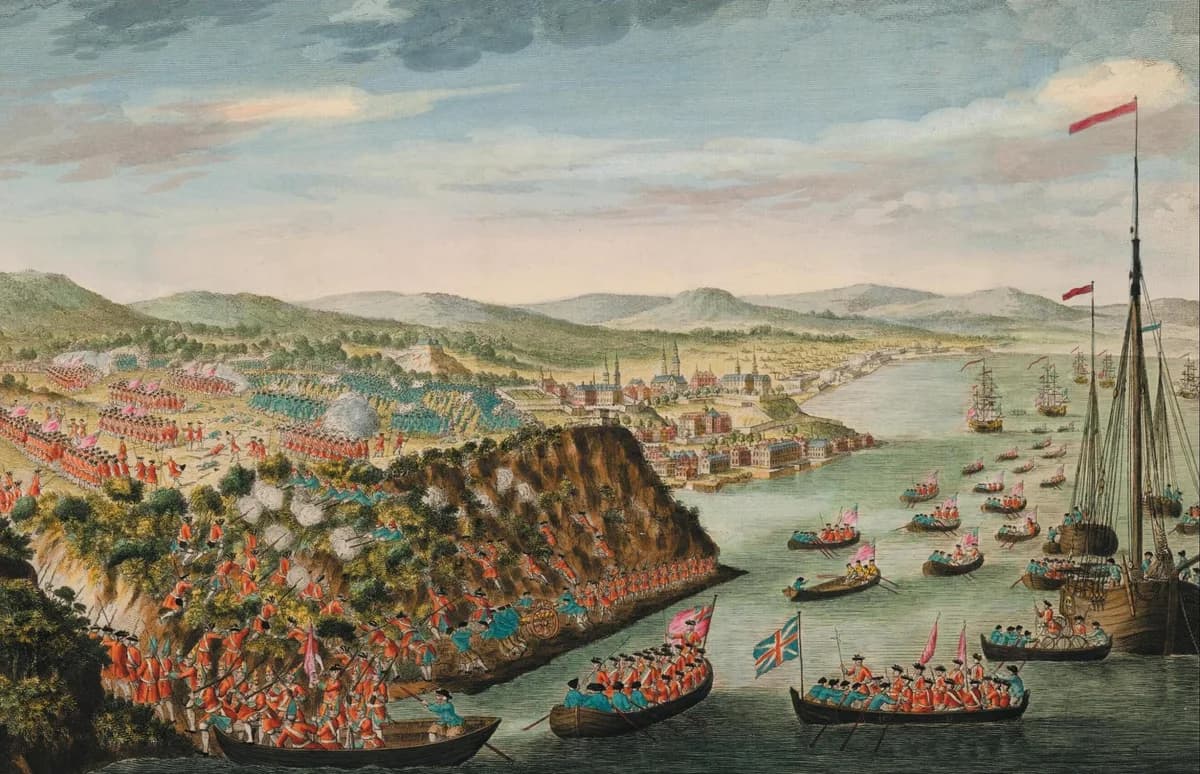
Battlefields Park (Plains of Abraham)
Canada's first national historic park, the site of the decisive 1759 battle, the Plains of Abraham today form one of the most prestigious urban parks in the world, often compared to Central Park or Hyde Park.
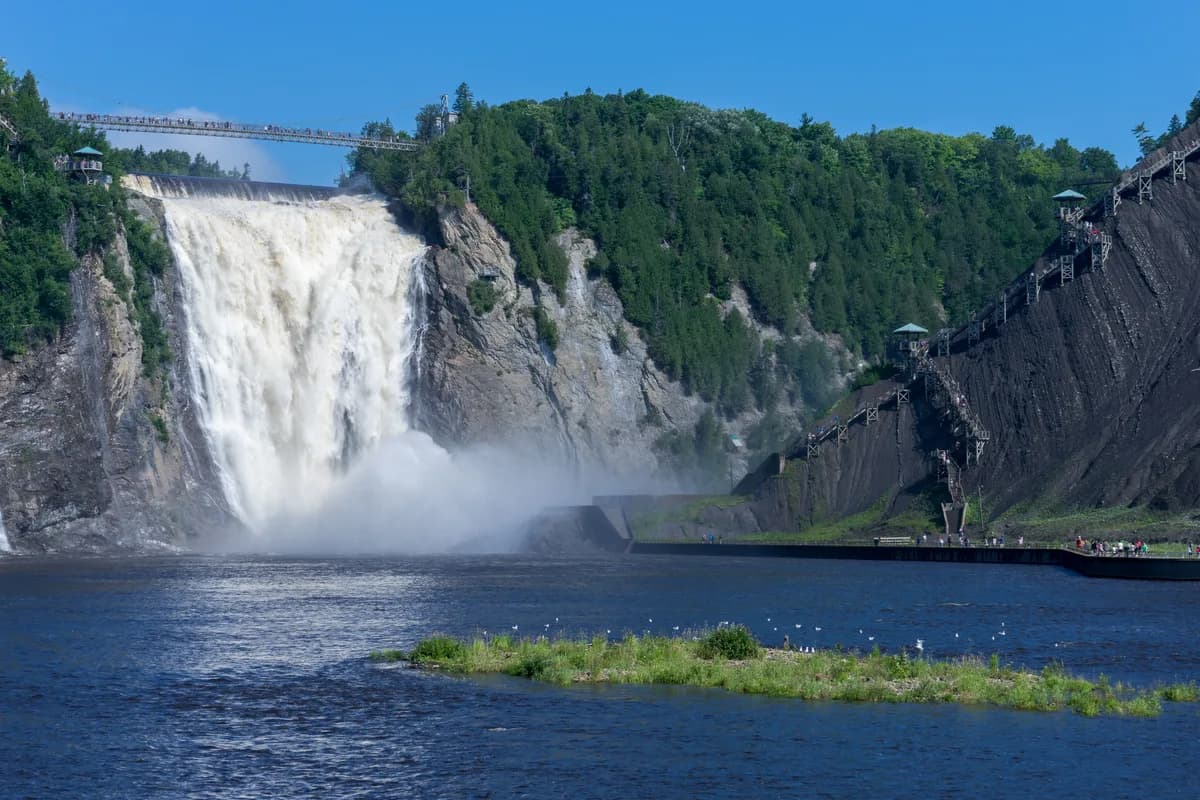
Montmorency Falls Park
At 83 metres, Montmorency Falls is higher than the famous Niagara Falls, and its cable car, suspension bridge, and panoramic staircase make it one of the most accessible natural sites in Québec.
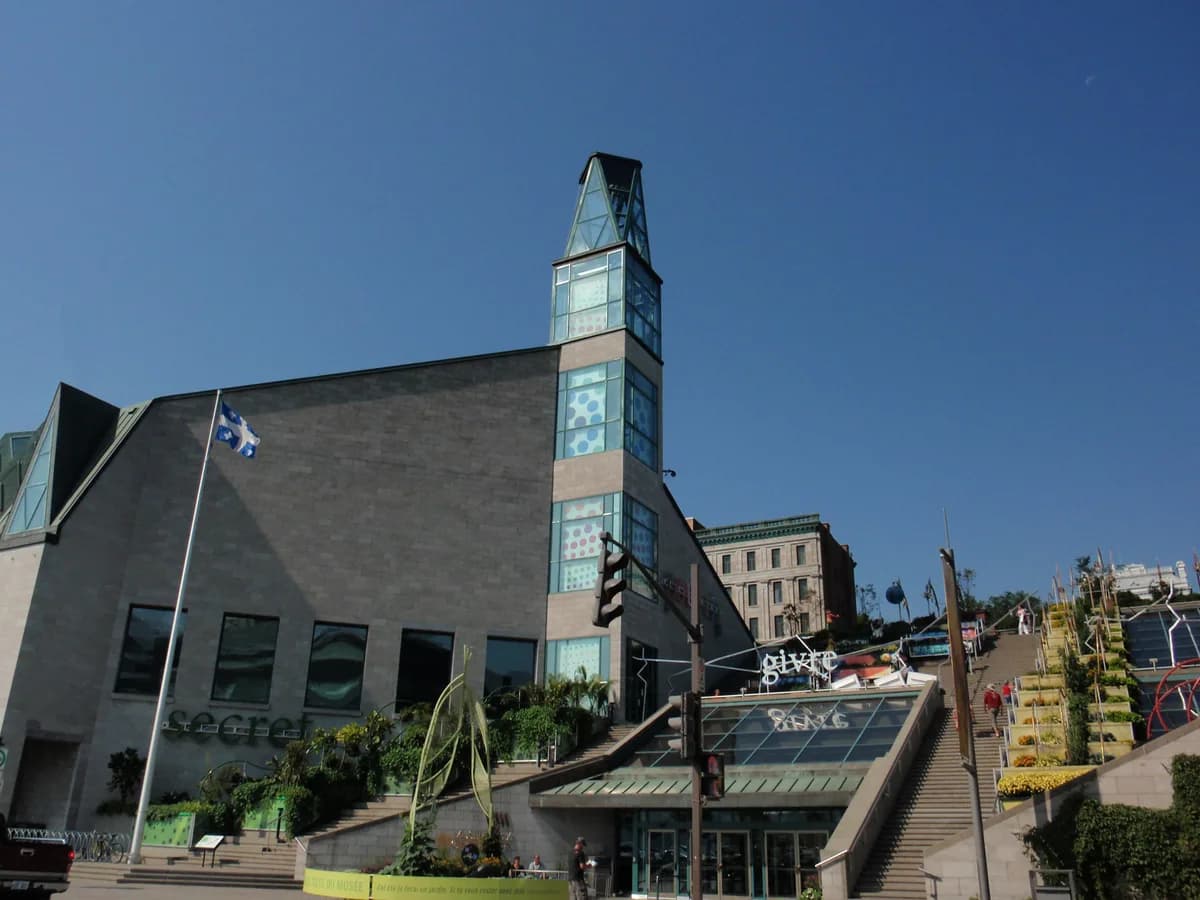
Musée de la civilisation
A state museum known for its bold museology, designed by internationally renowned architect Moshe Safdie, offering fresh and often unexpected perspectives on the human experience.
Musée national des beaux-arts du Québec
Home to the world's most important collection of Québec art (more than 42,000 works from the 17th century to today), the MNBAQ occupies an exceptional site at the heart of the Plains of Abraham.
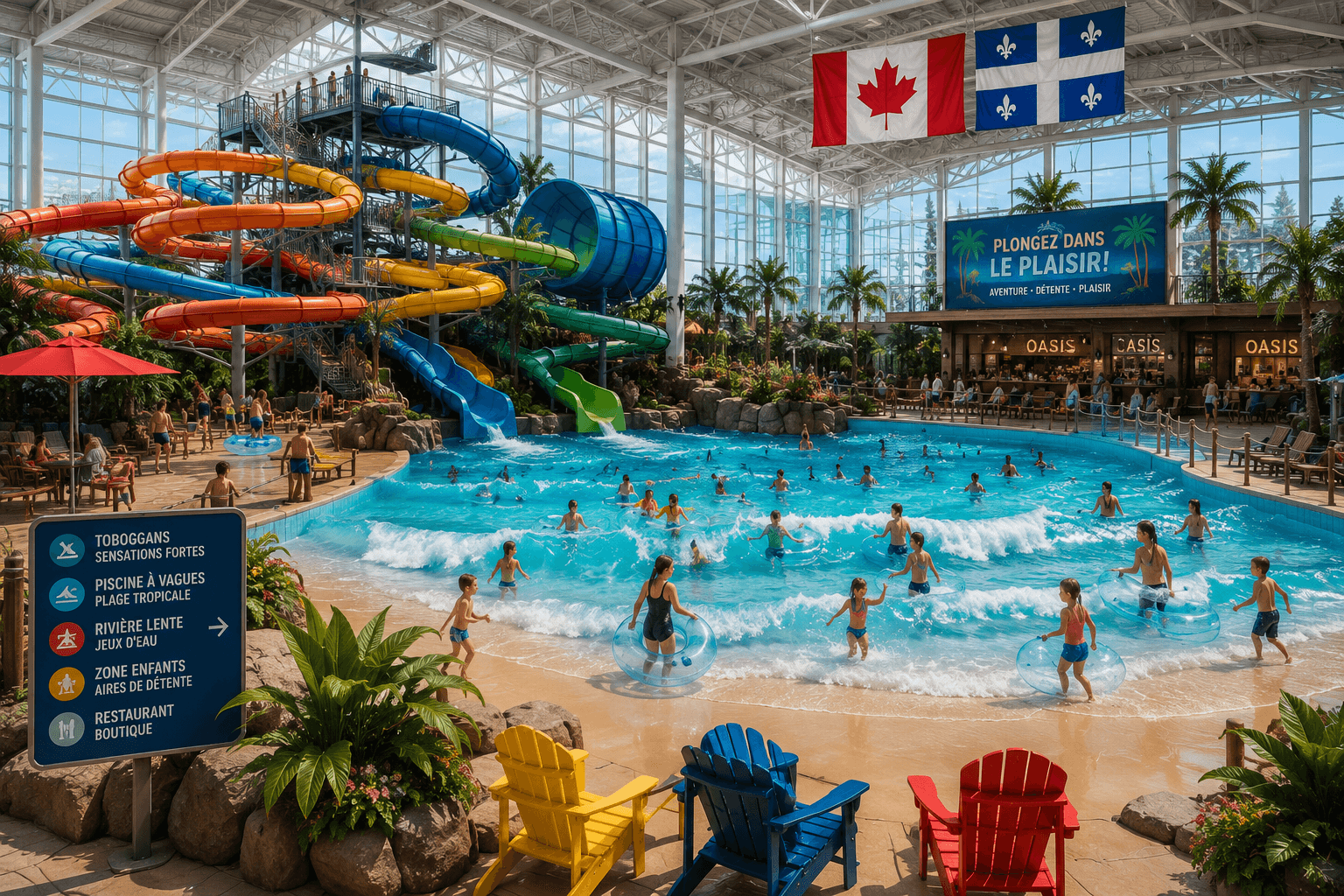
Village Vacances Valcartier
Eastern Canada's largest outdoor water park and the largest winter games centre in the Americas, Village Vacances Valcartier features more than 35 slides, themed rivers, and the Ice Hotel during the cold season.
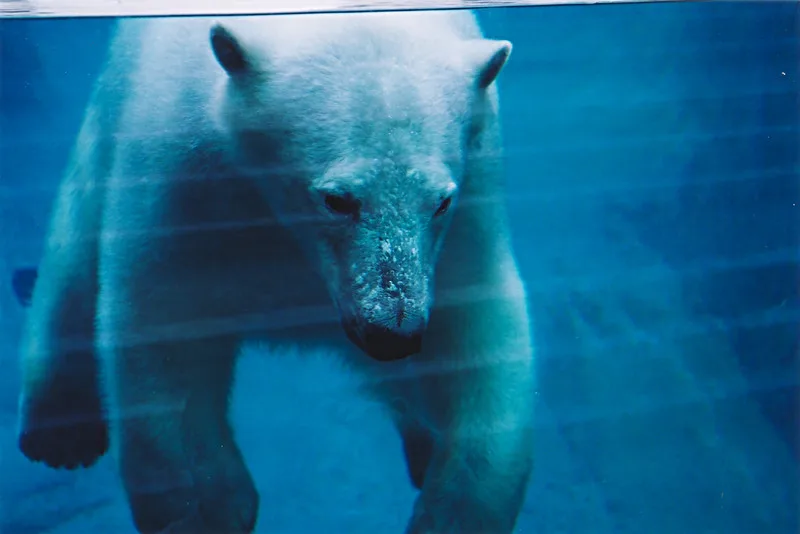
Aquarium du Québec
Spread over 16 hectares in Sainte-Foy, the Aquarium du Québec is home to more than 10,000 marine animals, including polar bears, walruses, and seals, in a setting combining indoor and outdoor exhibits.
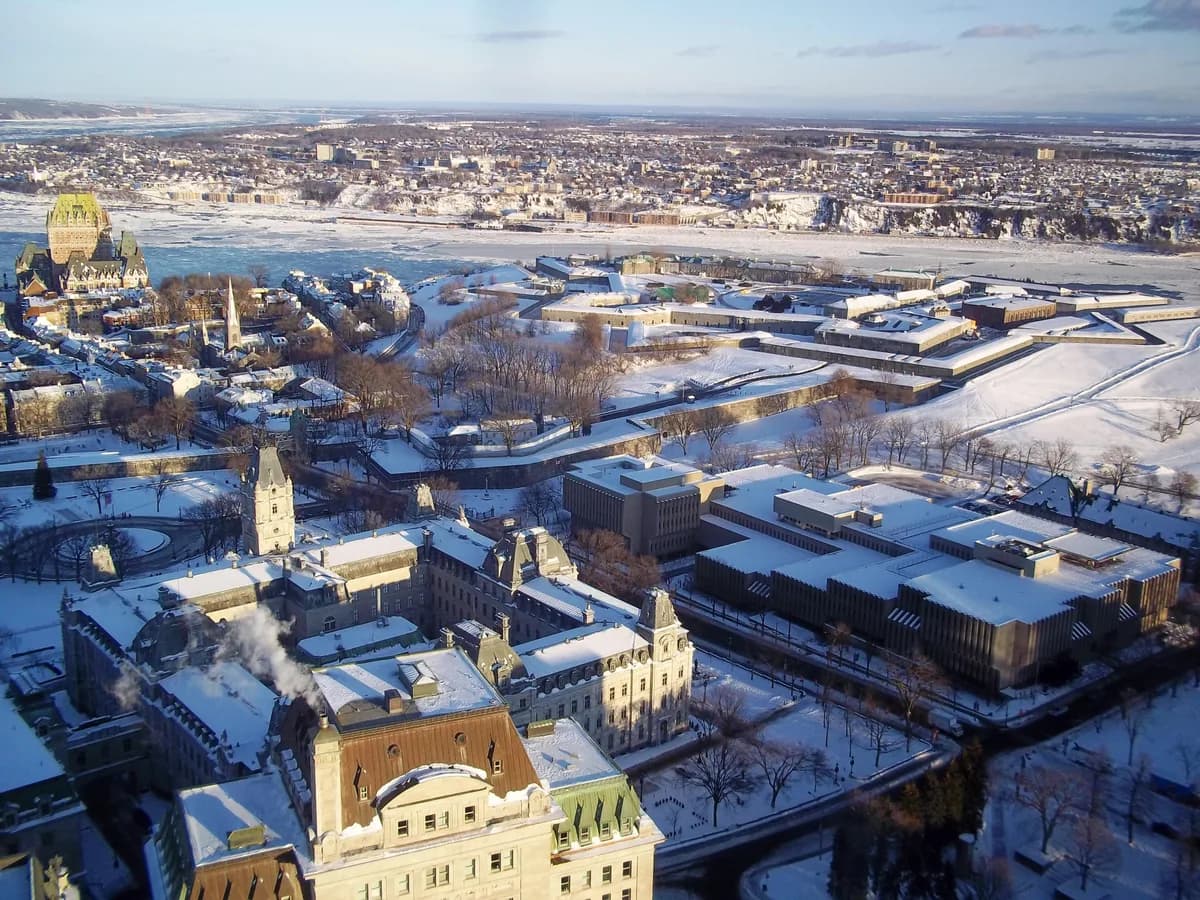
Observatoire de la Capitale
Located atop the Marie-Guyart building, the city's tallest, the Observatoire offers the only 360-degree view of Québec City, 221 metres above the river.
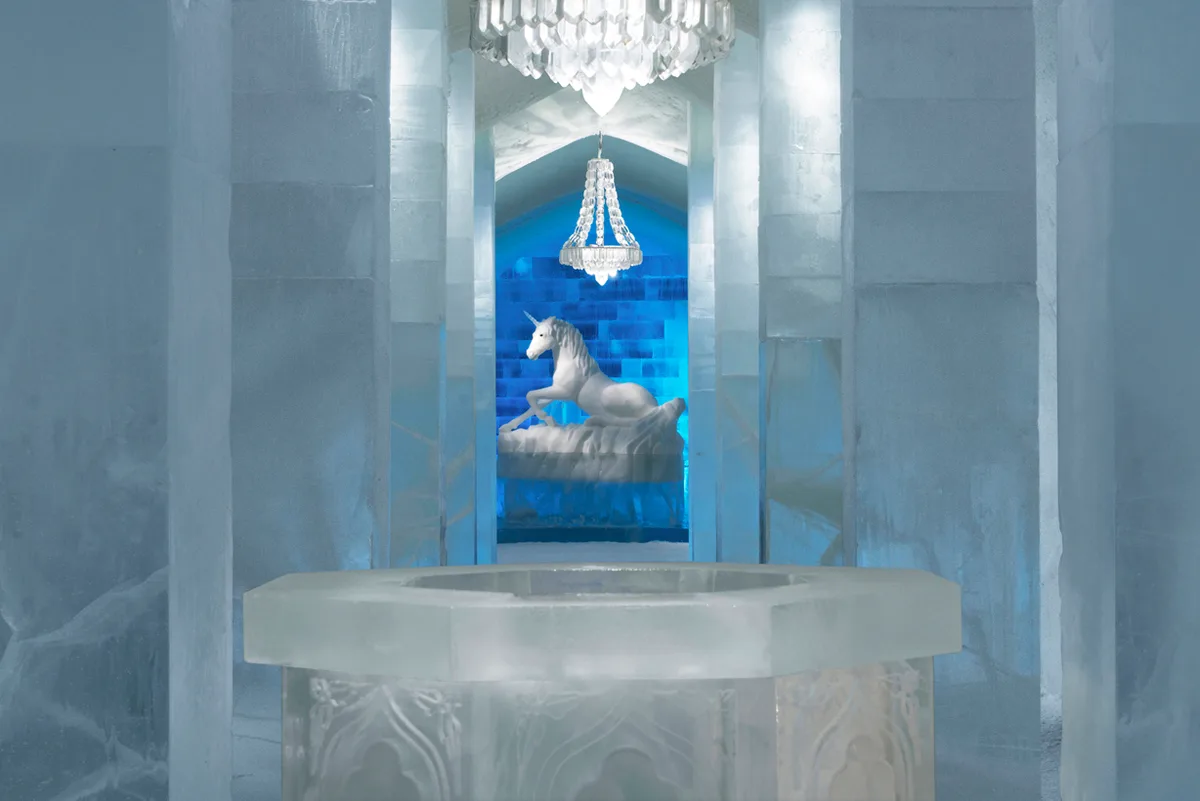
Ice Hotel (Hôtel de Glace)
North America's first ice hotel, entirely rebuilt each year from snow and ice, the property features themed rooms, an ice bar, and a chapel, for an overnight stay or simply an extraordinary visit.
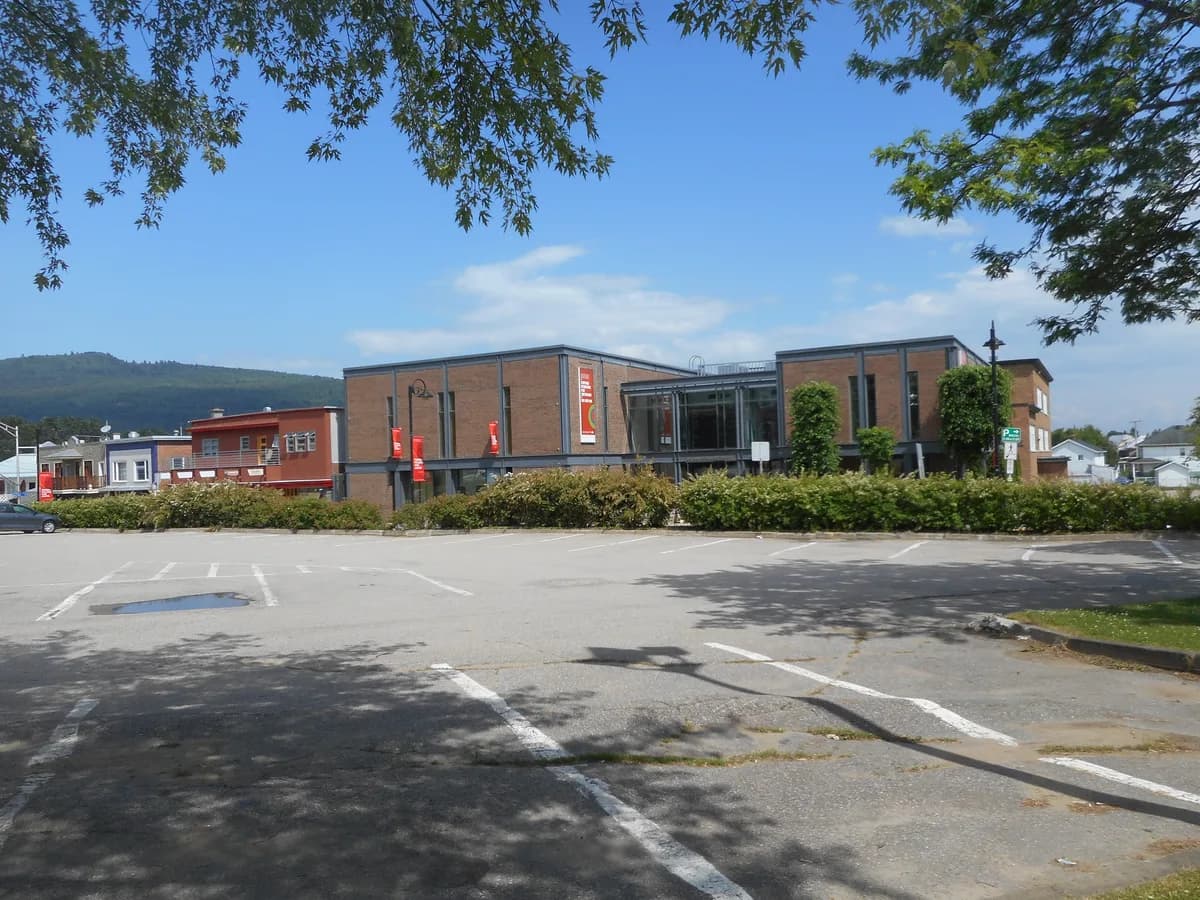
Musée d'art contemporain de Baie-Saint-Paul
Charlevoix's only museum entirely devoted to Québec contemporary art, this institution has organized the International Symposium of Contemporary Art since 1982, a flagship event where artists create live before the public.
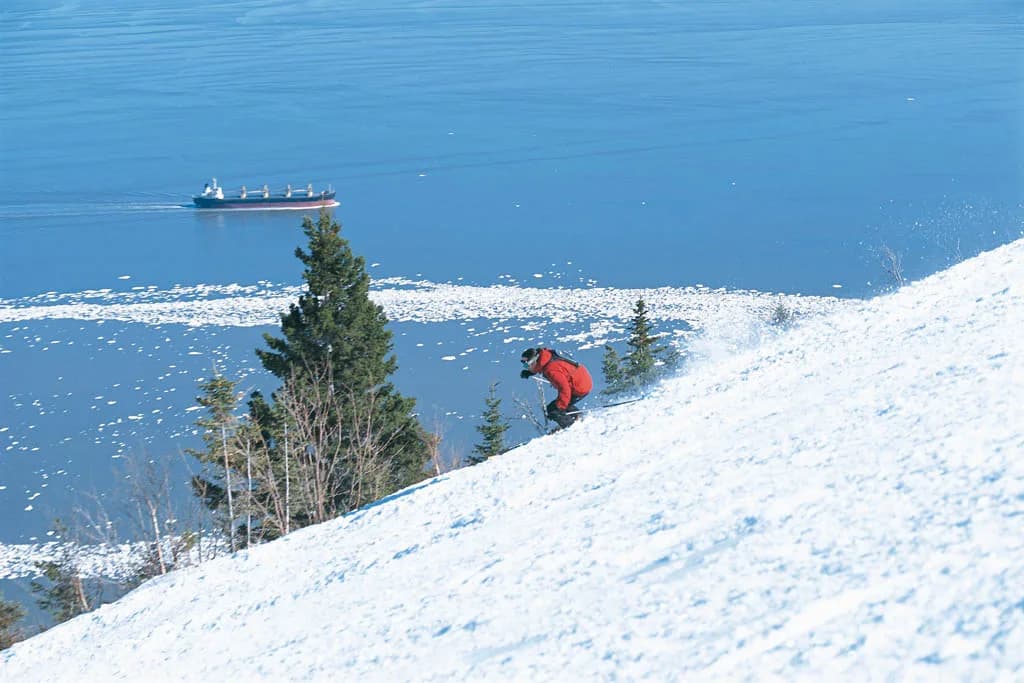
Le Massif de Charlevoix
Boasting the highest skiable vertical drop east of the Canadian Rockies, this resort in Petite-Rivière-Saint-François also offers one of Canada's longest alpine luge runs, at 7.5 kilometres, plus an exceptional view of the St. Lawrence River.
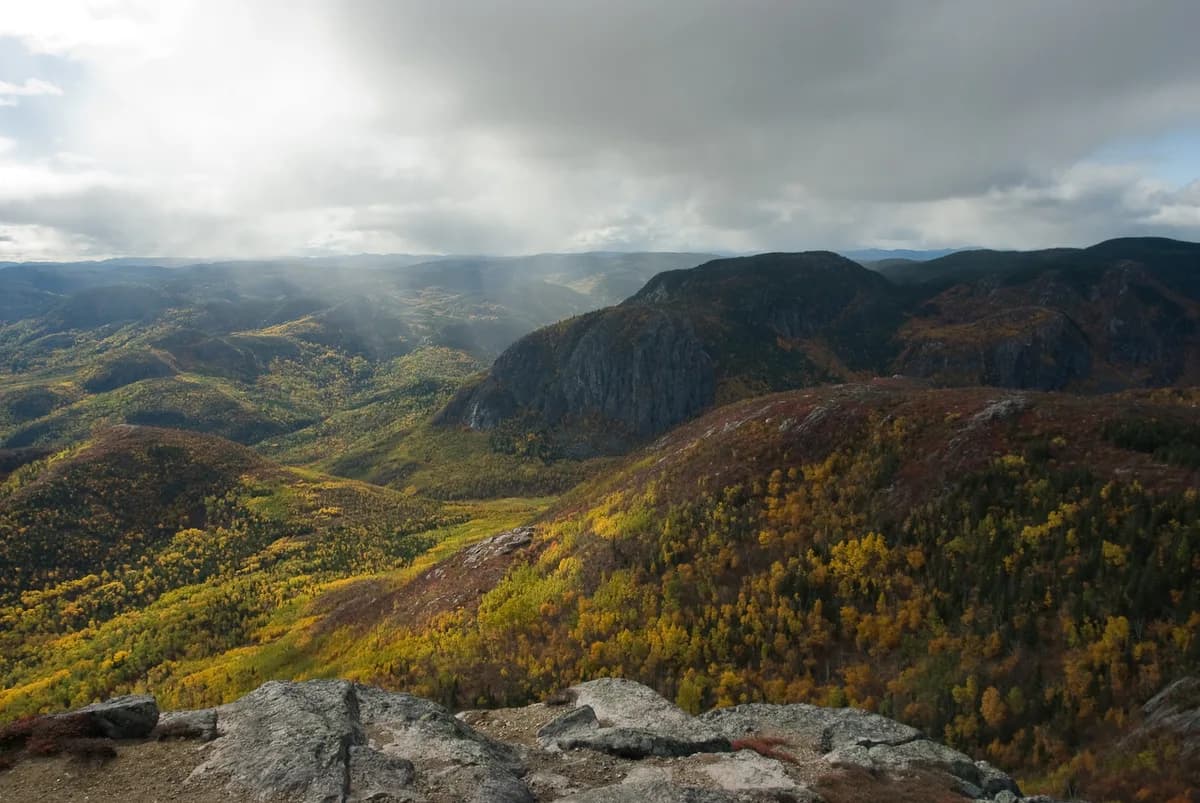
Grands-Jardins National Park
Unique in Québec for its preserved taiga landscape at the heart of the Charlevoix crater, this park lets visitors, from the summit of Mont du Lac-des-Cygnes, observe both the outline of the astrobleme and a population of woodland caribou isolated from the rest of the species.
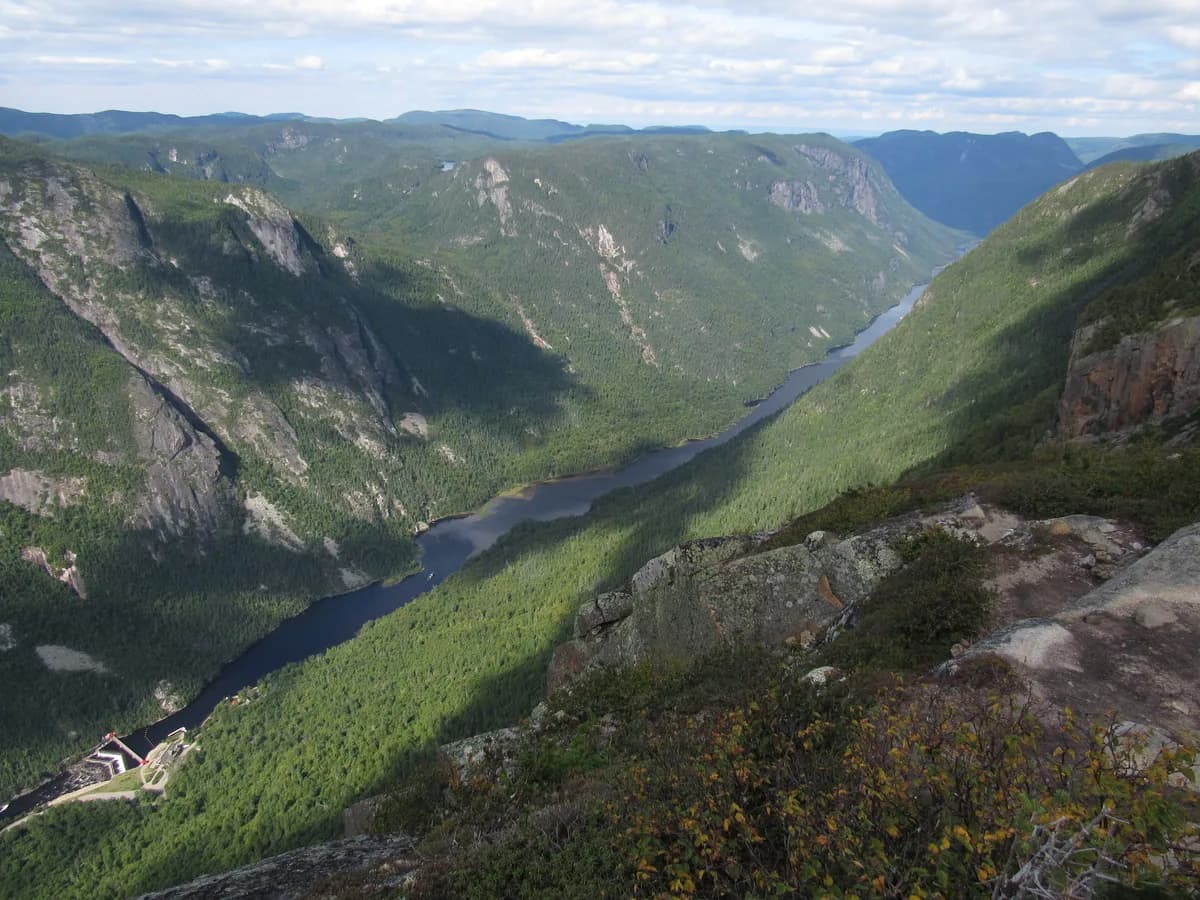
Hautes-Gorges-de-la-Rivière-Malbaie National Park
Home to the highest rock walls east of the Canadian Rockies, some exceeding 800 metres in elevation, this park, created in 2000, is best discovered aboard a riverboat cruise up the steep valley of the Malbaie River.
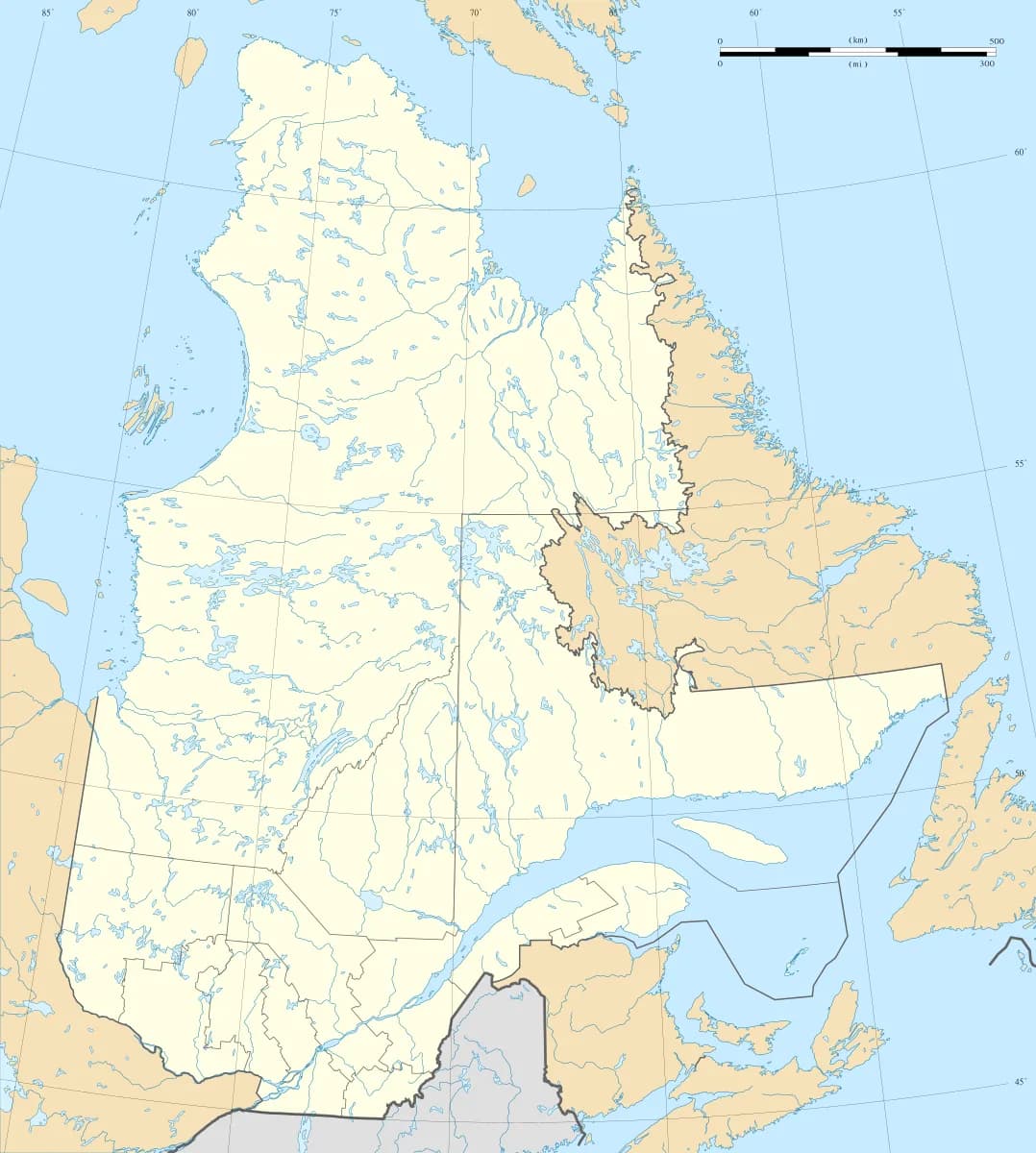
Musée de Charlevoix
Preserving nearly 9,000 objects and 6,000 archival documents, this art, ethnology, and history museum traces Charlevoix's distinctive identity, from its folk-art tradition to the artistic ferment that marked the region throughout the 20th century.
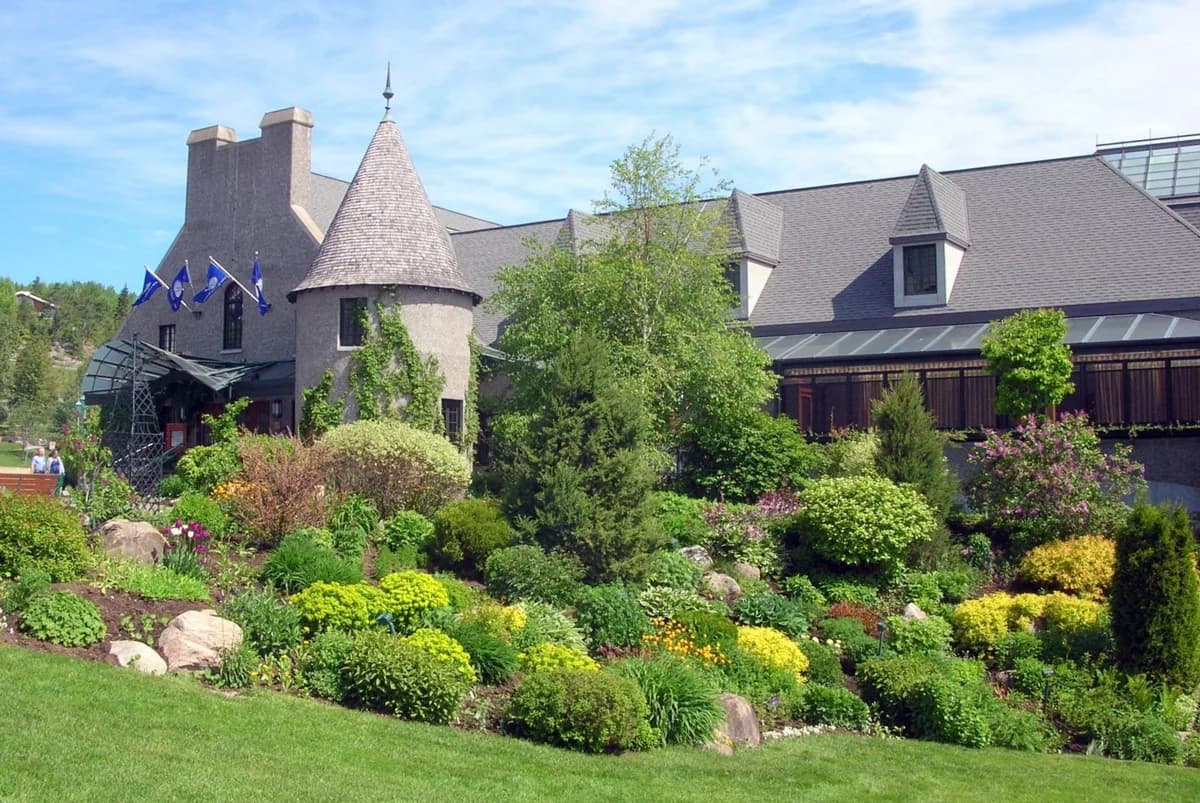
Casino de Charlevoix
Right next door to the Fairmont Le Manoir Richelieu, this regional casino offers table games and slot machines in an intimate setting, rounding out the upscale entertainment offering that has defined the Pointe-au-Pic area for more than a century.
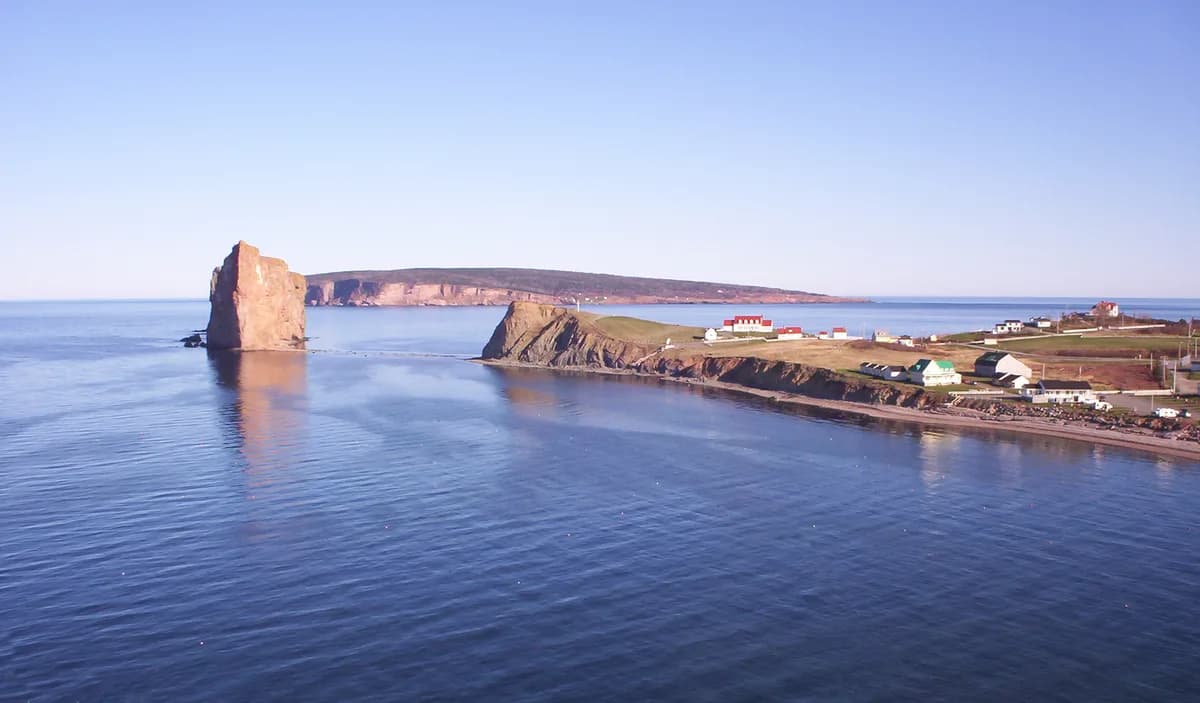
Île-Bonaventure-et-du-Rocher-Percé National Park
Accessible only by boat from the Percé wharf, Bonaventure Island is home to the largest and most accessible Northern gannet colony in the world, with more than 100,000 nesting birds.
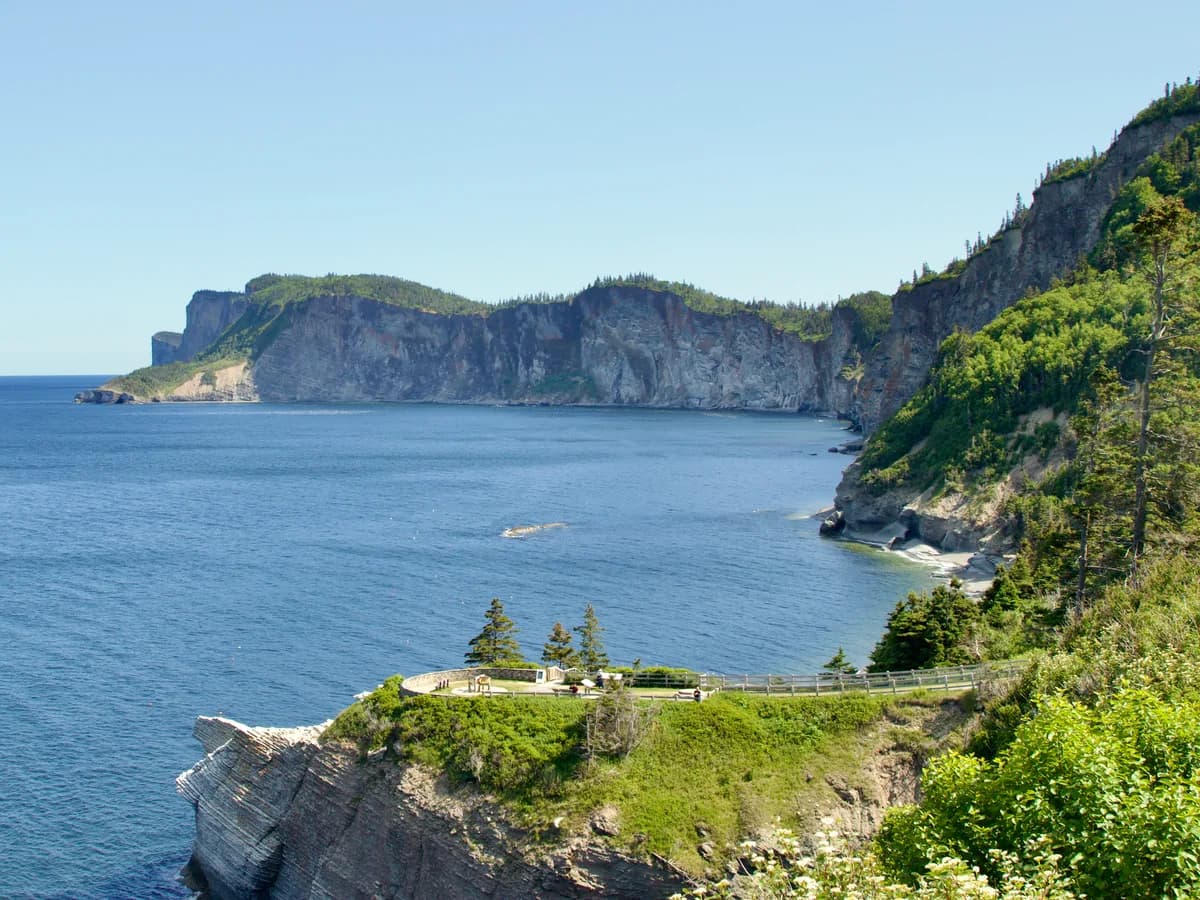
Forillon National Park
At the peninsula's northeastern tip, where sea meets mountain, Forillon combines limestone cliffs, beaches, spectacular trails, and a rich fishing heritage across nearly 245 km².
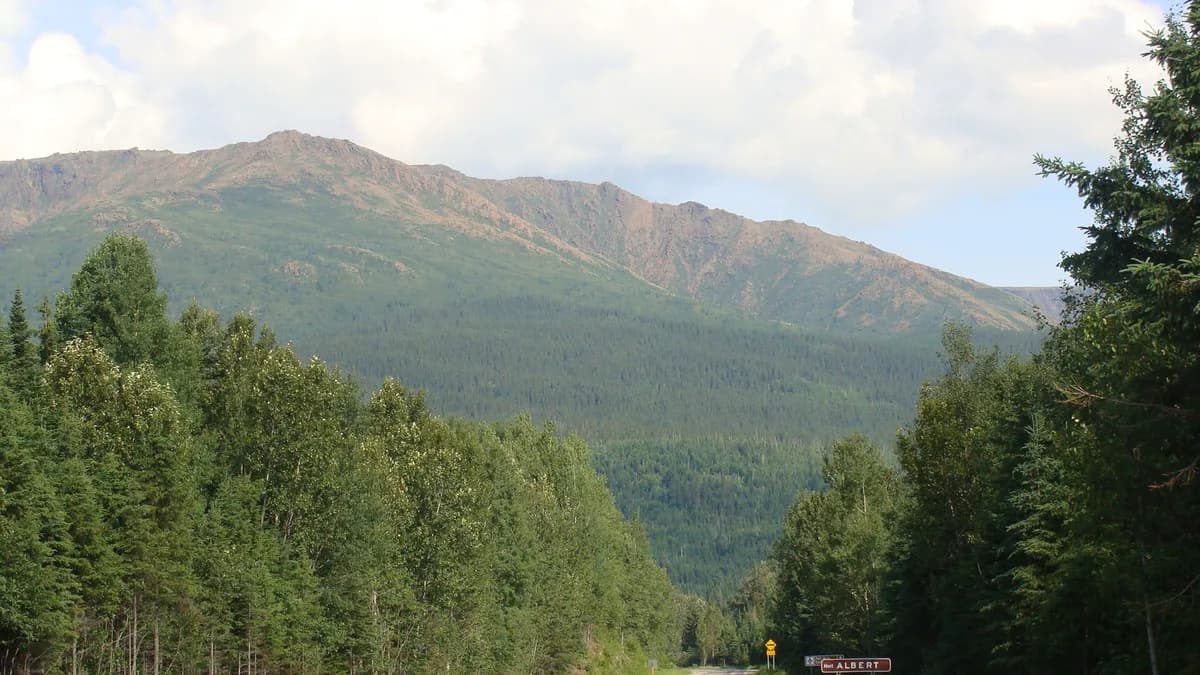
Gaspésie National Park
A true sea of mountains at the heart of the peninsula, this park protects 25 summits over 1,000 metres, including Mont Jacques-Cartier, Québec's second-highest peak, and shelters the only woodland caribou herd south of the St. Lawrence River.
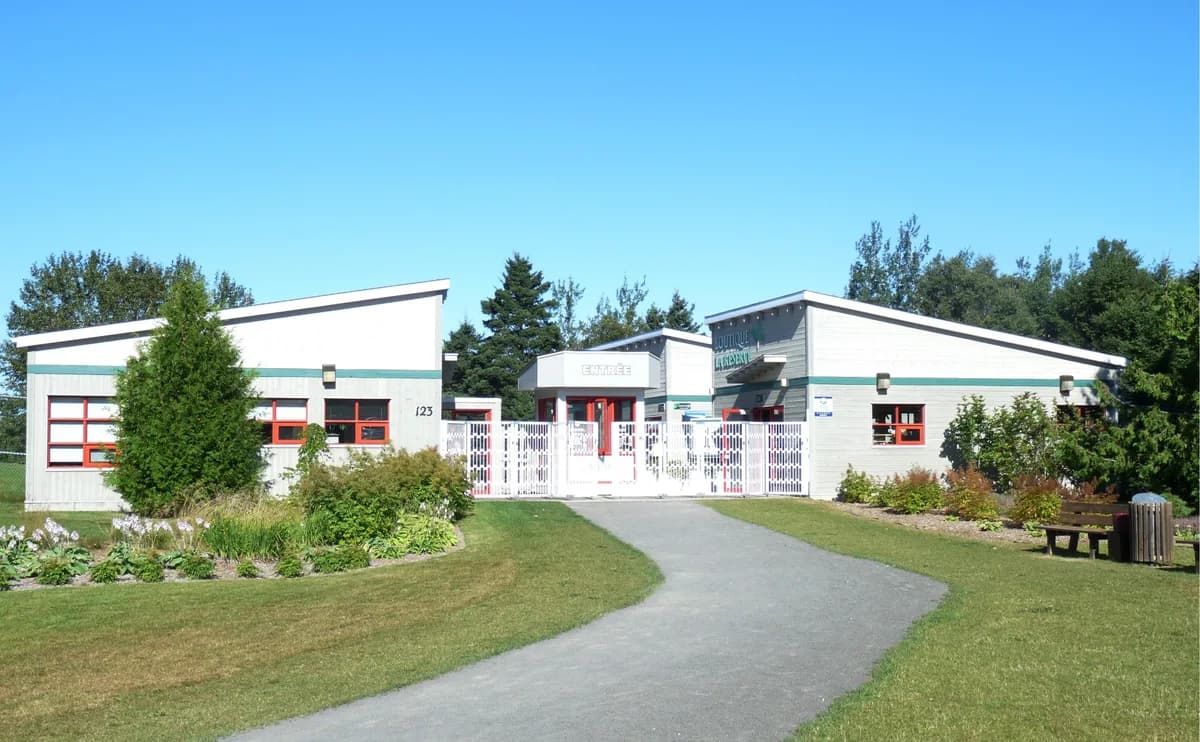
Bioparc de la Gaspésie
Open since 1998, this educational wildlife park showcases about forty species native to Québec across five recreated Gaspésie ecosystems, complemented by an insectarium and the unique opportunity to spend the night alongside wolves.
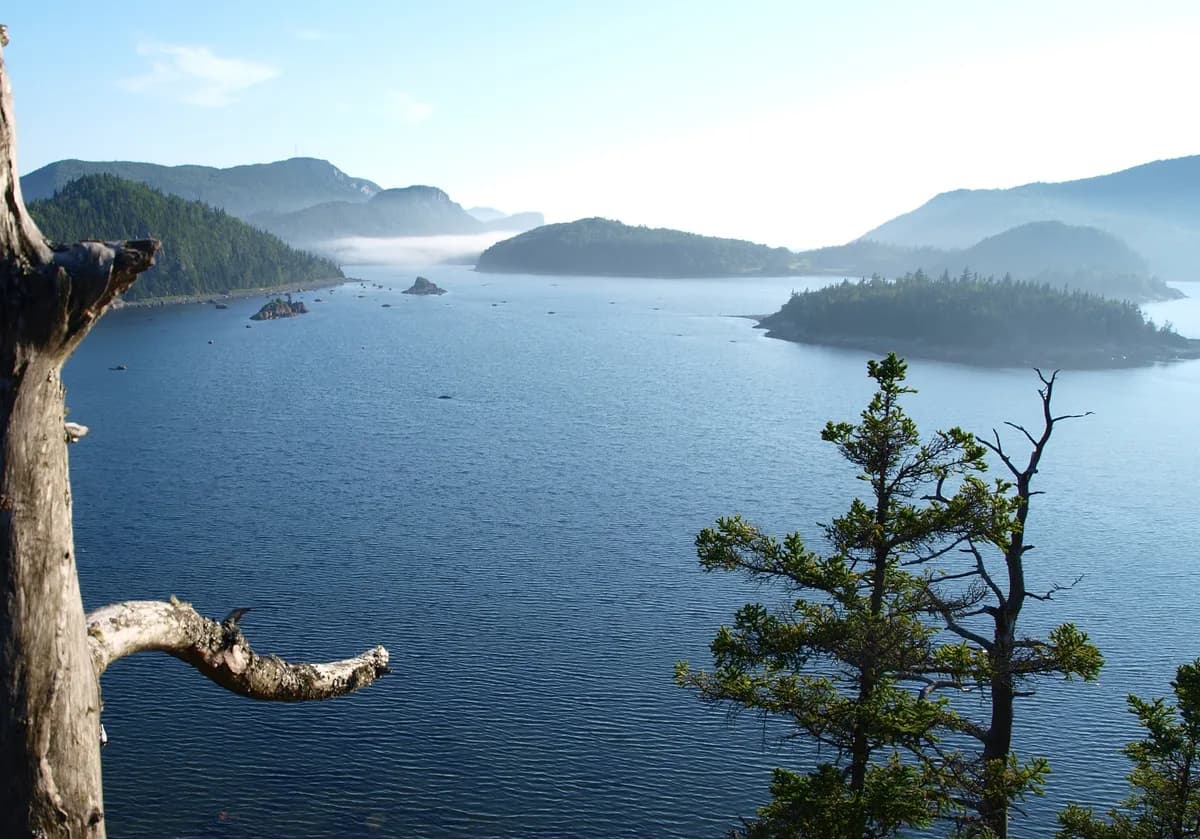
Bic National Park
With its capes, coves, bays, and islands carving up the St. Lawrence maritime estuary, Bic National Park offers sunsets regularly ranked among the most beautiful in the world, along with remarkably accessible wildlife.
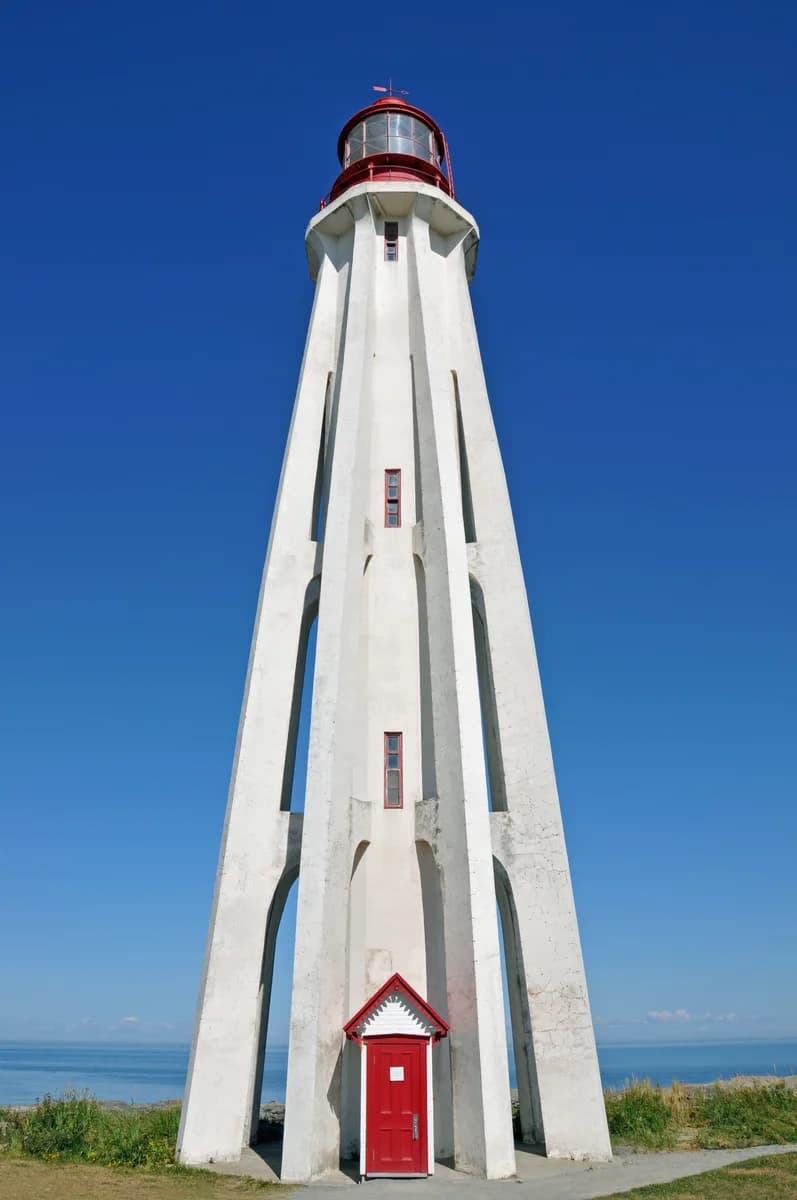
Pointe-au-Père Maritime Historic Site
Combining Canada's second-tallest lighthouse, a Cold War submarine open for tours, and a museum devoted to the tragic sinking of the Empress of Ireland, this site offers one of Québec's most complete maritime history experiences.
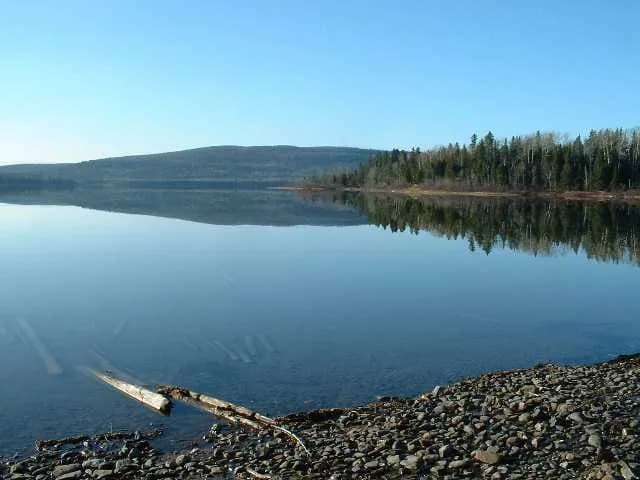
Lac-Témiscouata National Park
The newest of the Bas-Saint-Laurent national parks, it protects 175 km² of forests, lakes, and rivers at the heart of the Notre-Dame mountains, and reveals traces of continuous human occupation dating back nearly 10,000 years.
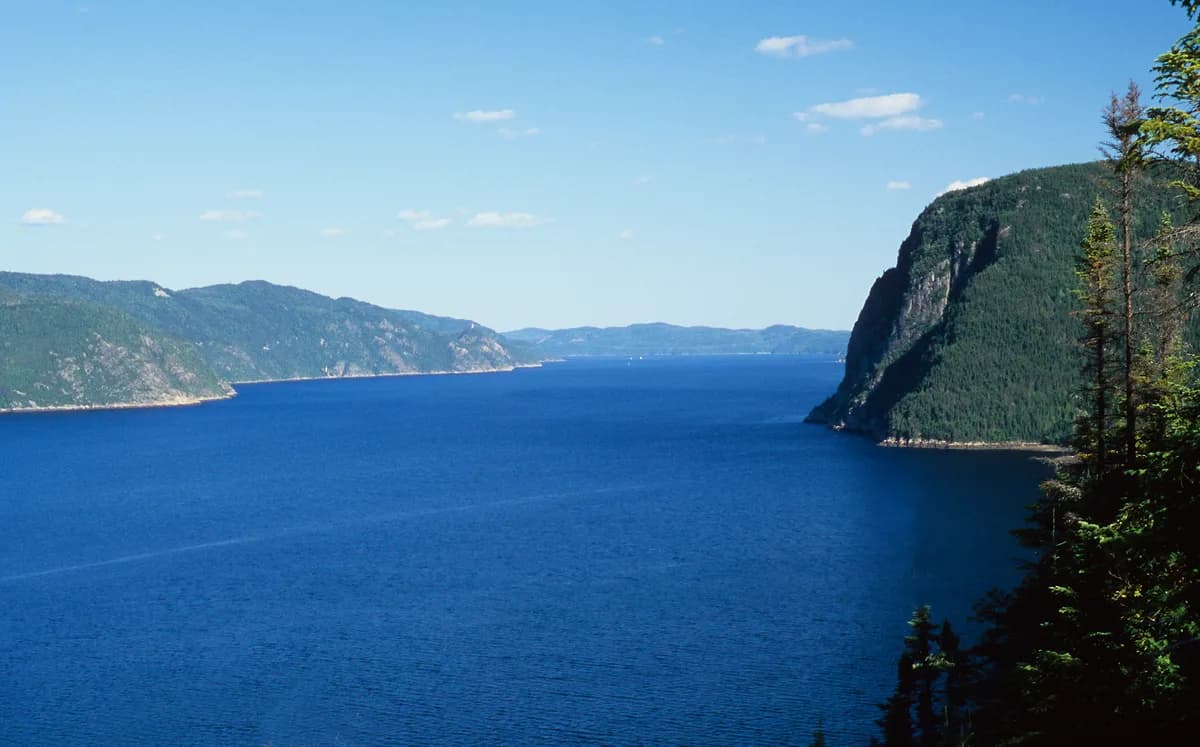
Saguenay Fjord National Park
Set along both shores of the Saguenay Fjord, this 326.7 km² park protects cliffs reaching up to 412 metres at Cap Trinité and offers some of Québec's most spectacular panoramas.
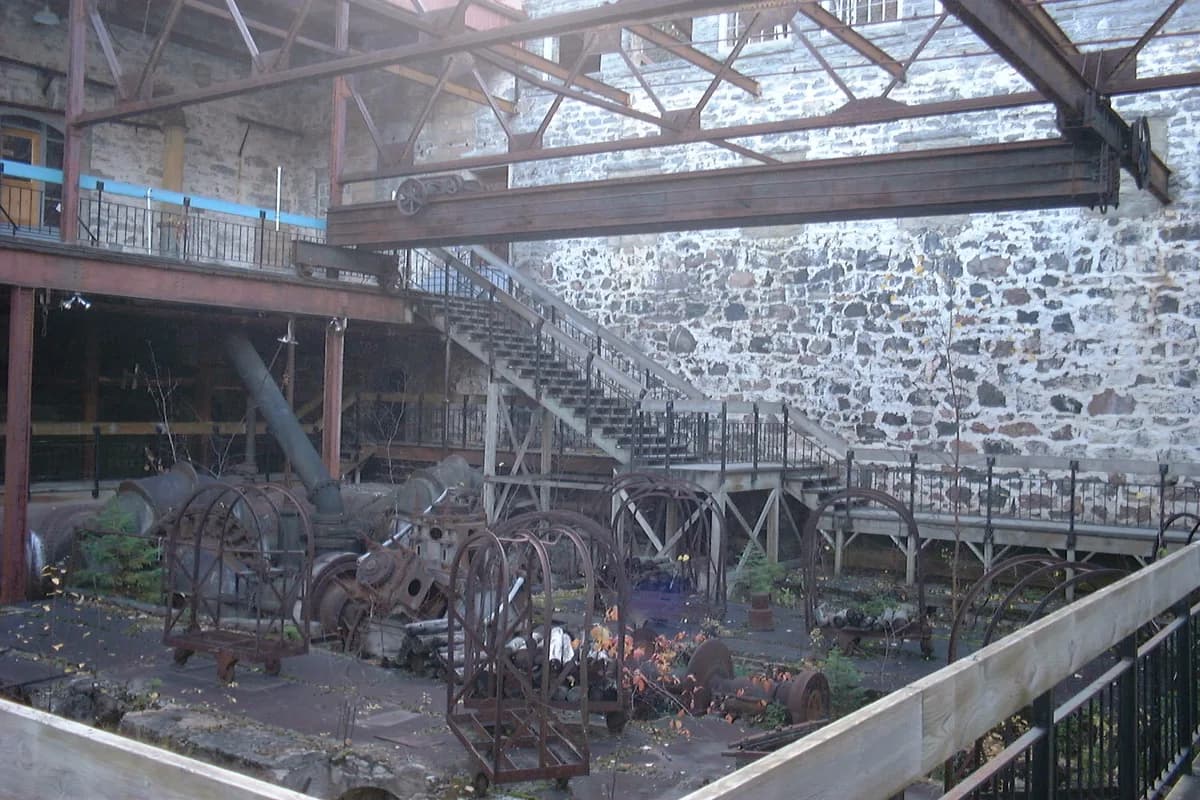
Val-Jalbert Historic Village
Frozen in time since 1927 when its pulp mill closed, this former company town has some forty preserved original buildings, dominated by the towering Ouiatchouan Falls, higher than Niagara Falls.
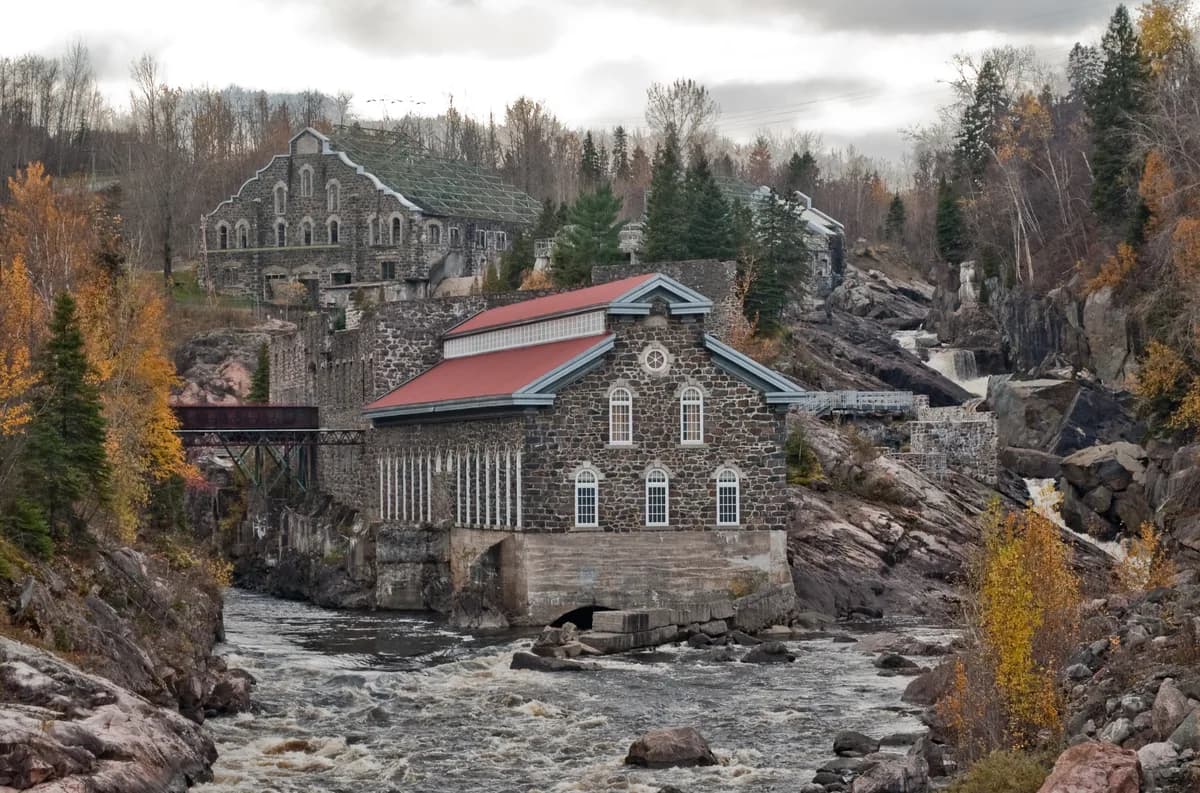
La Pulperie de Chicoutimi — Regional Museum
Set within the industrial remains of a former pulp mill built between 1897 and 1921, this cultural and museum complex tells the story of Saguenay–Lac-Saint-Jean's industrialization.
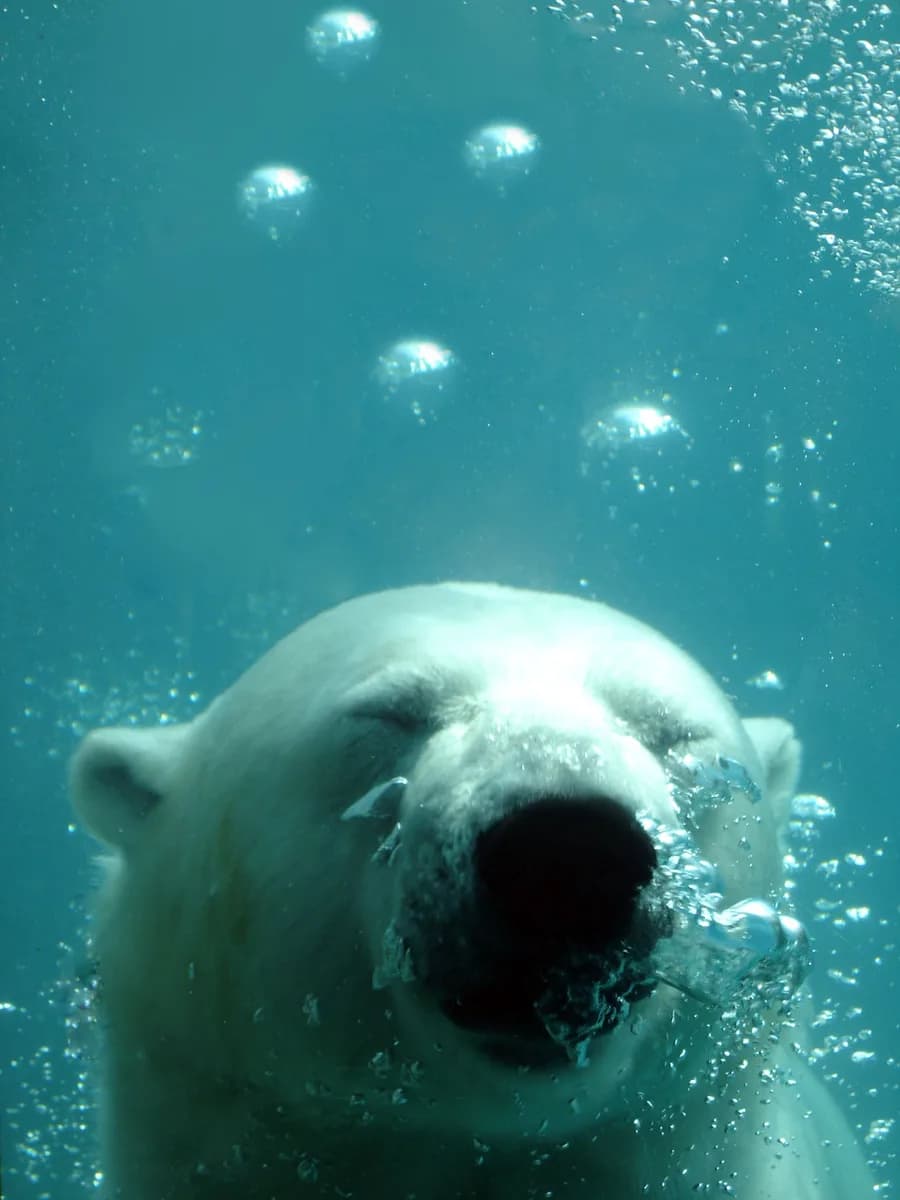
Saint-Félicien Wildlife Zoo
Canada's only zoo to feature geladas, this 485-hectare wildlife park devoted to boreal fauna conservation lets visitors observe animals in near-total freedom aboard a train crossing their natural habitat.
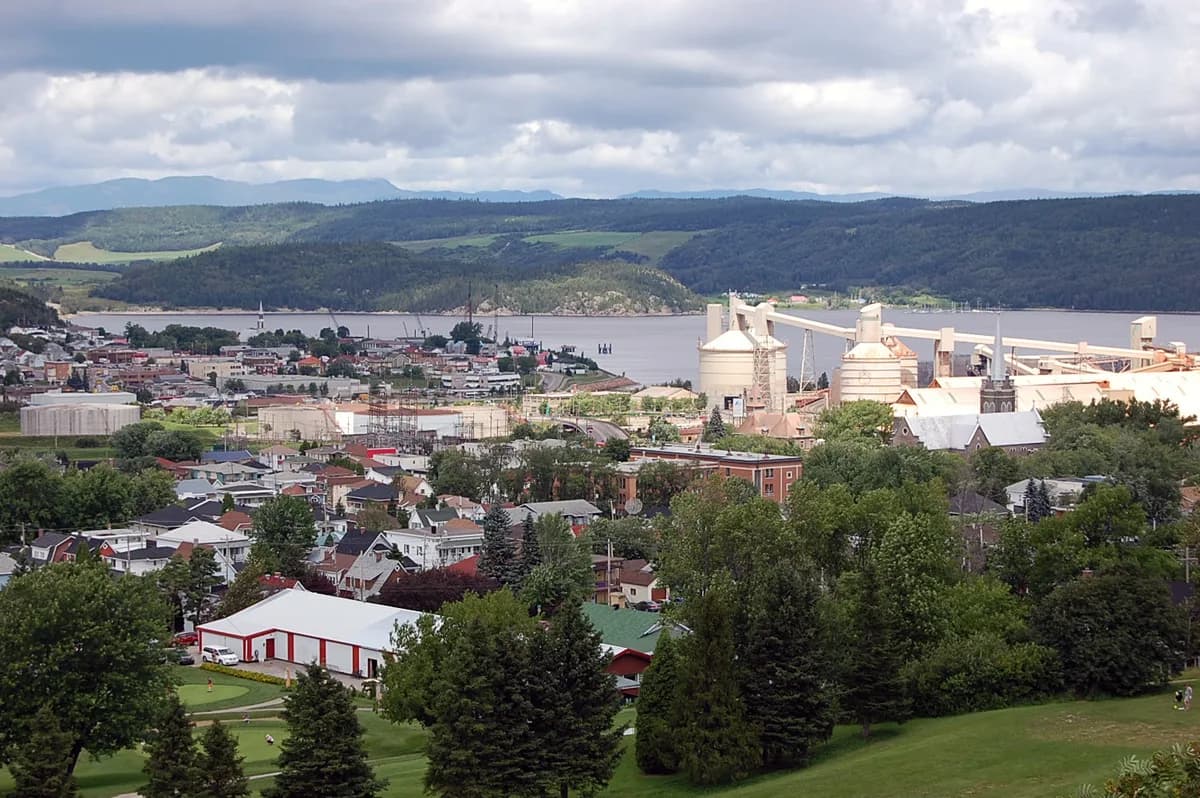
Musée du Fjord
Featuring a 53,000-litre saltwater aquarium, this interactive science museum introduces visitors of all ages to the ecosystems of the Saguenay Fjord and Ha! Ha! Bay through an immersive exhibition.
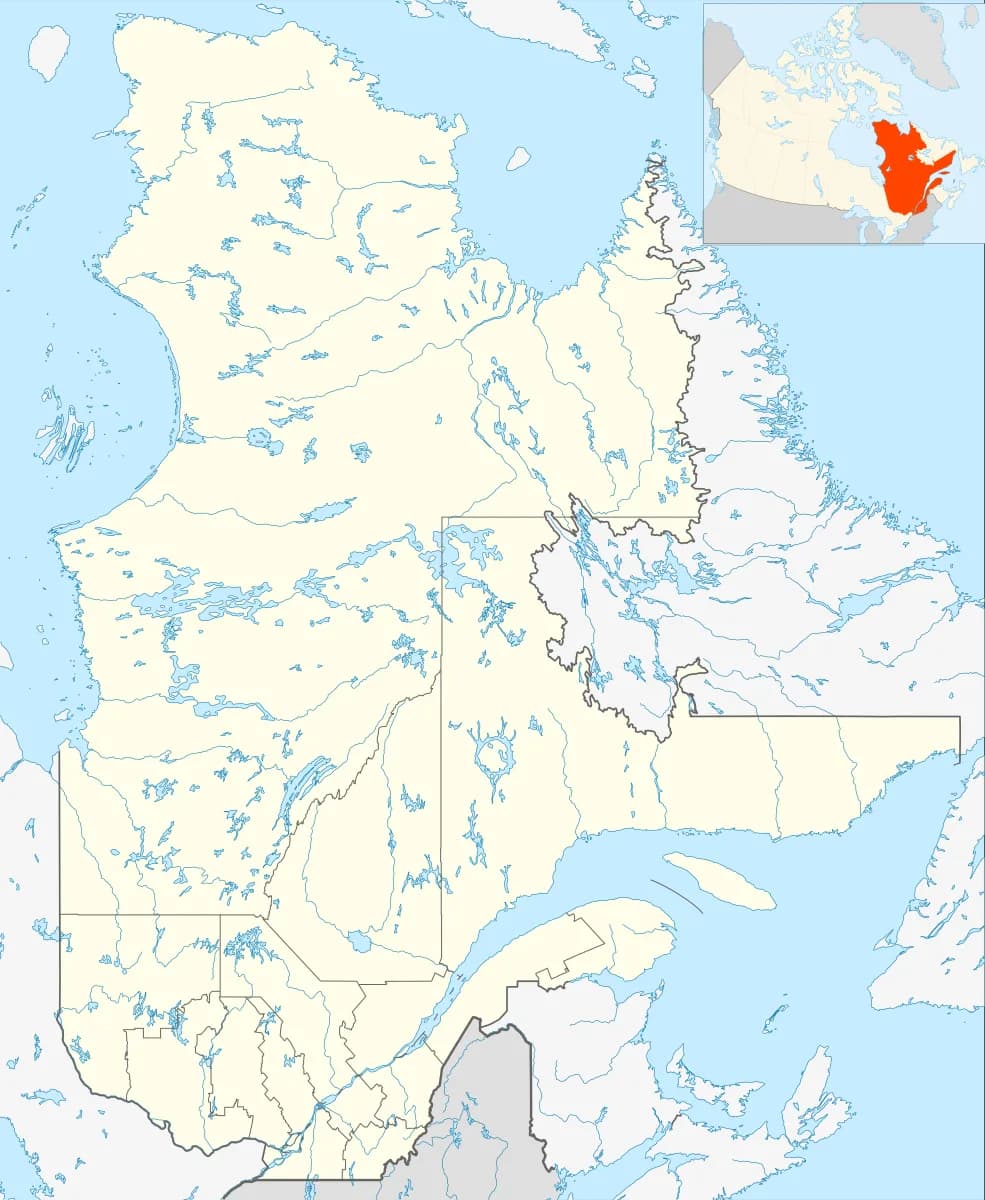
Musée ilnu de Mashteuiatsh
Located at the heart of the Ilnu community of Mashteuiatsh on the western shore of Lac Saint-Jean, this museum presents the history, material culture, and living traditions of the Pekuakamiulnuatsh First Nation.
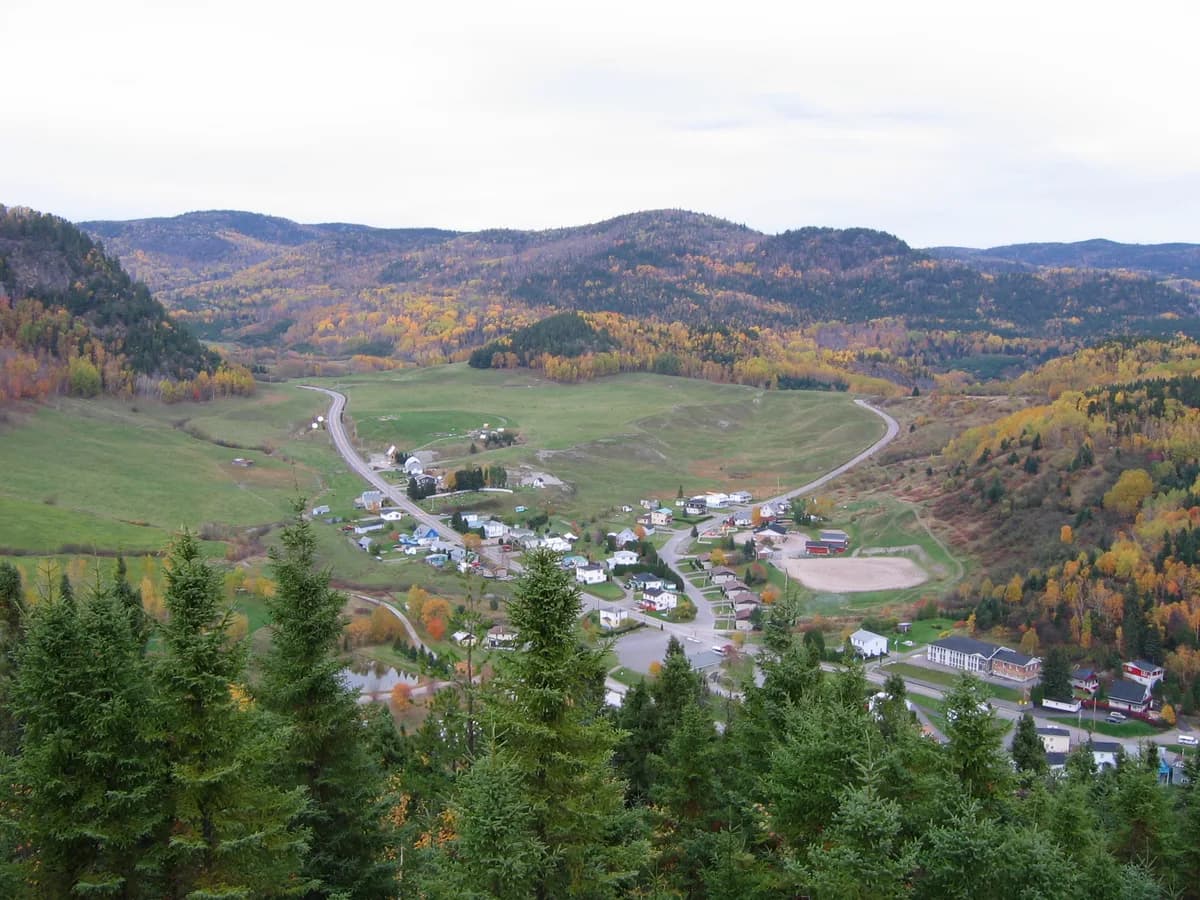
Sainte-Rose-du-Nord
Nestled between the steep cliffs of the fjord's north shore, this picturesque village offers one of the finest road-accessible viewpoints over the Saguenay, especially prized at sunset.
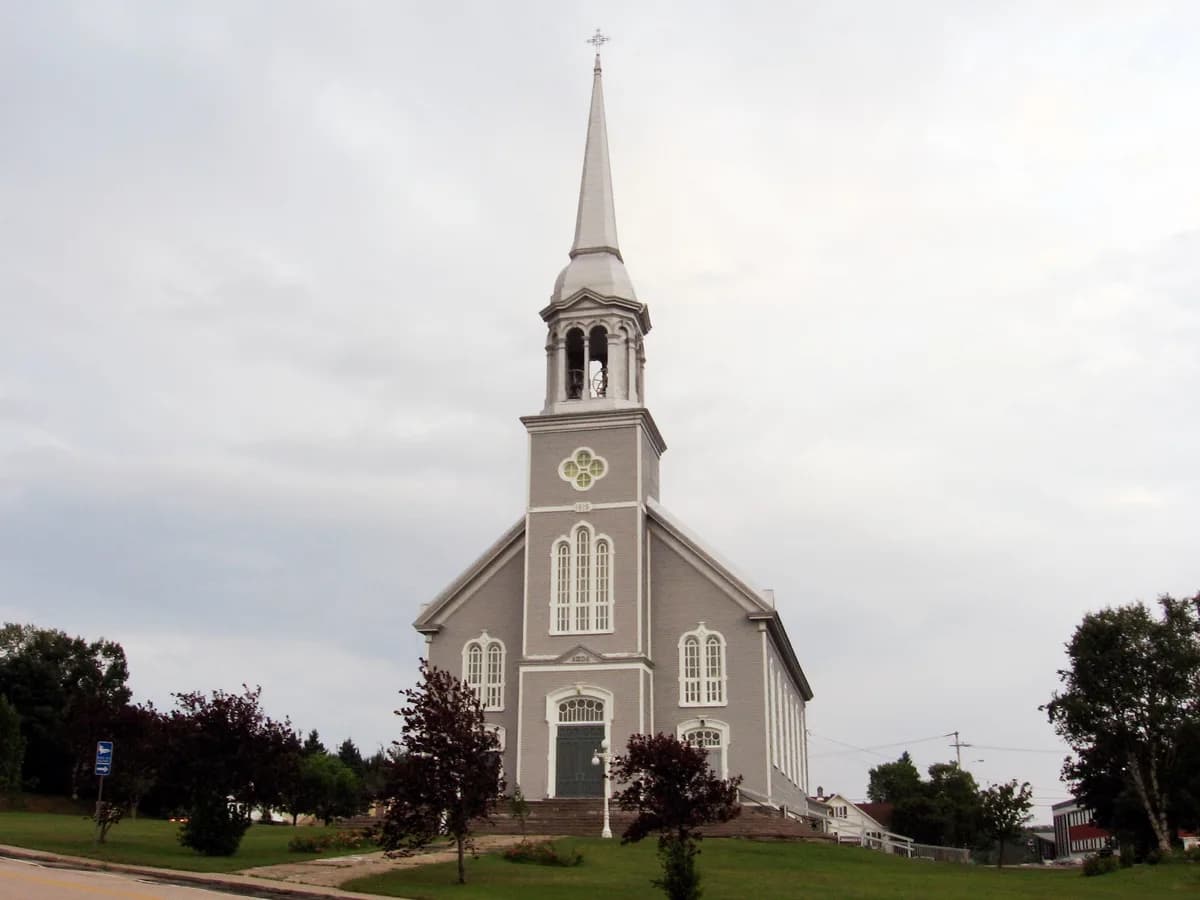
Cap-de-Bon-Désir Interpretation and Observation Centre
Just 30 metres from shore, a 200-metre-deep underwater wall draws whales close to this Parks Canada–operated site, one of Québec's best spots for watching cetaceans from dry land.
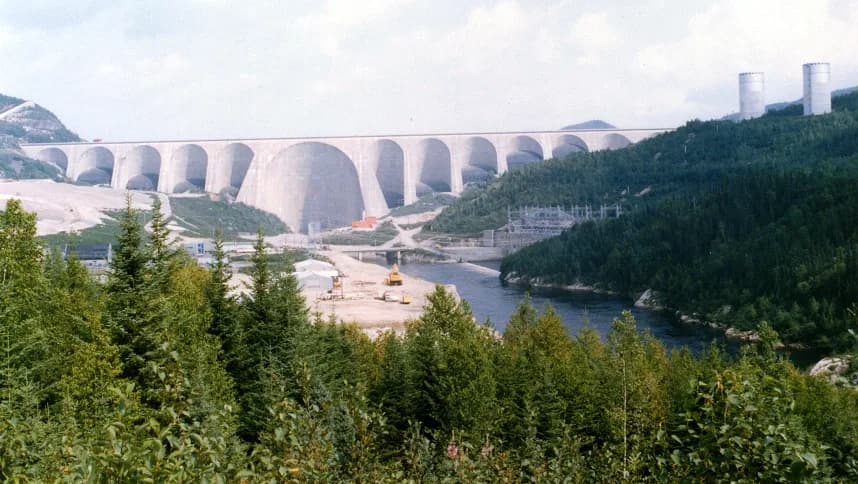
Daniel-Johnson Dam and Manic-5 Power Station
The world's largest multiple-arch buttress dam, 214 metres high and 1,314 metres wide at the crest, this symbol of Québec's Quiet Revolution can be toured free of charge by reservation, at the heart of the spectacular inland Côte-Nord territory.
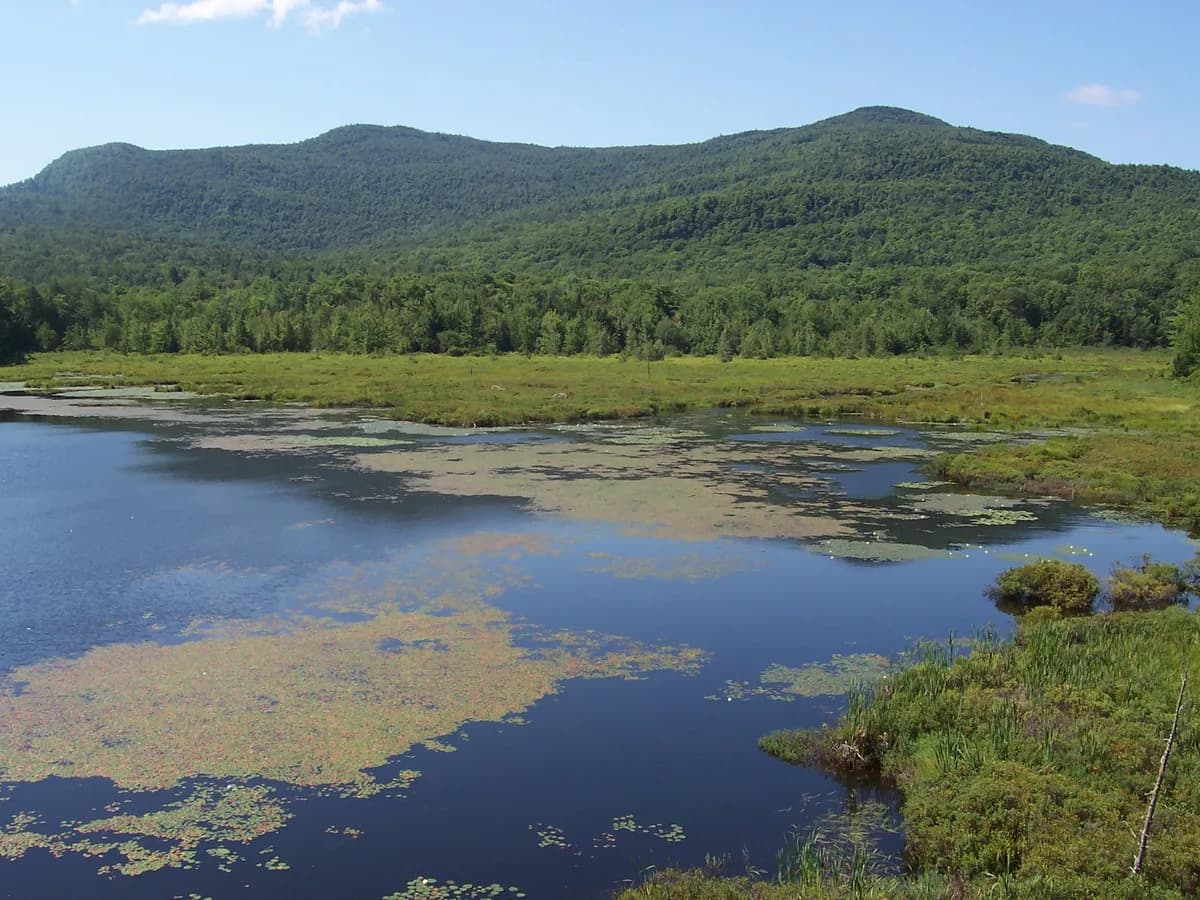
Mont-Orford National Park
Dominated by Mont Orford (853 m) and Mont Chauve, this park, created in 1938 through an intermunicipal agreement, combines 25 km of hiking trails, two swimming-friendly lakes, and an internationally renowned music arts centre.
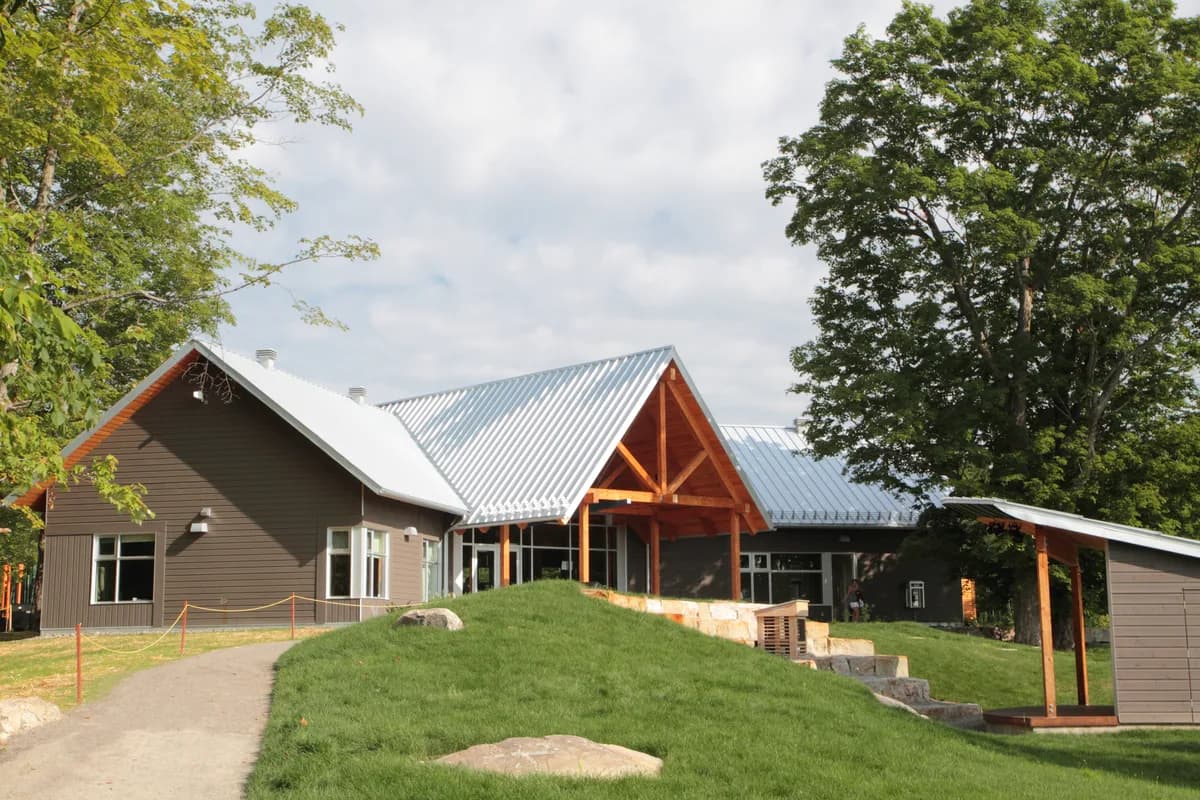
Yamaska National Park
Created in 1983 around the Choinière Reservoir, this Appalachian lowlands park offers a lifeguard-supervised beach popular with families, plus a network of hiking and biking trails crossing a forested valley typical of the region.
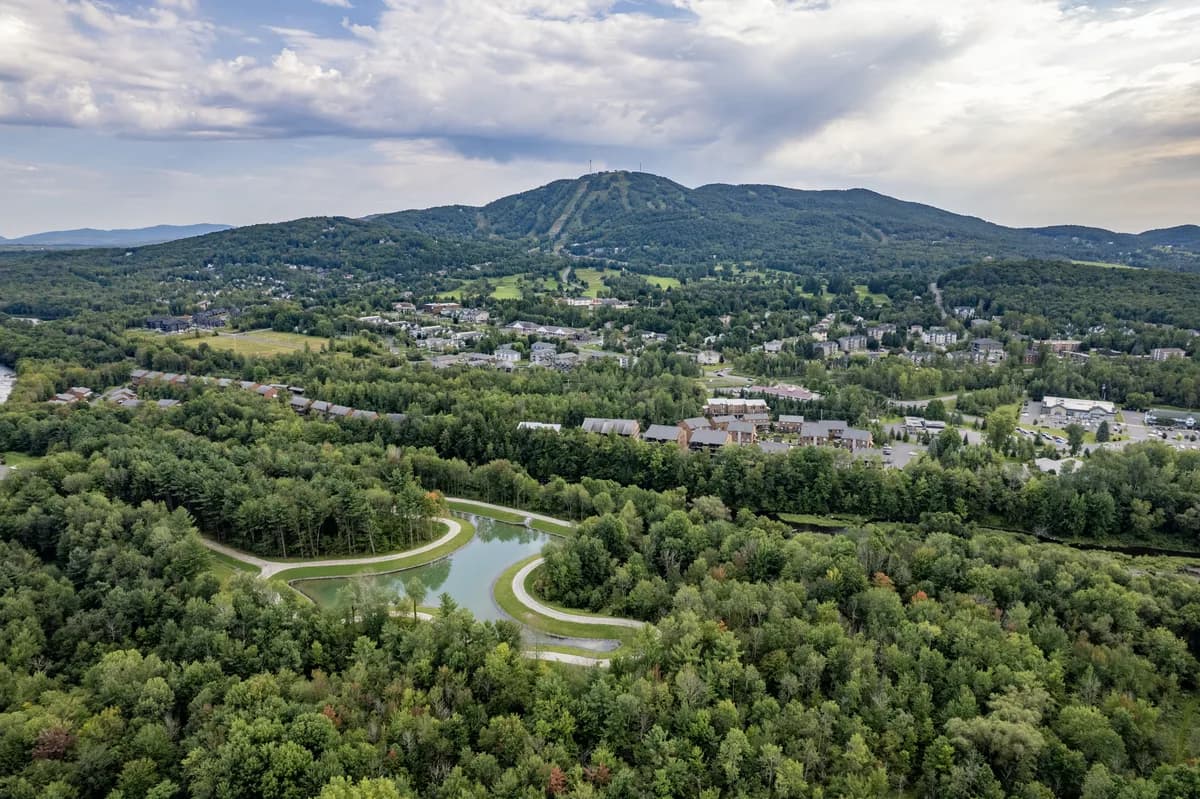
Bromont, Montagne d'Expériences
A four-season destination founded in 1964 by the Désourdy brothers, Bromont combines a ski resort, water park, mountain biking, and golf on Mont Brome, in a town now also known for its cutting-edge tech sector.
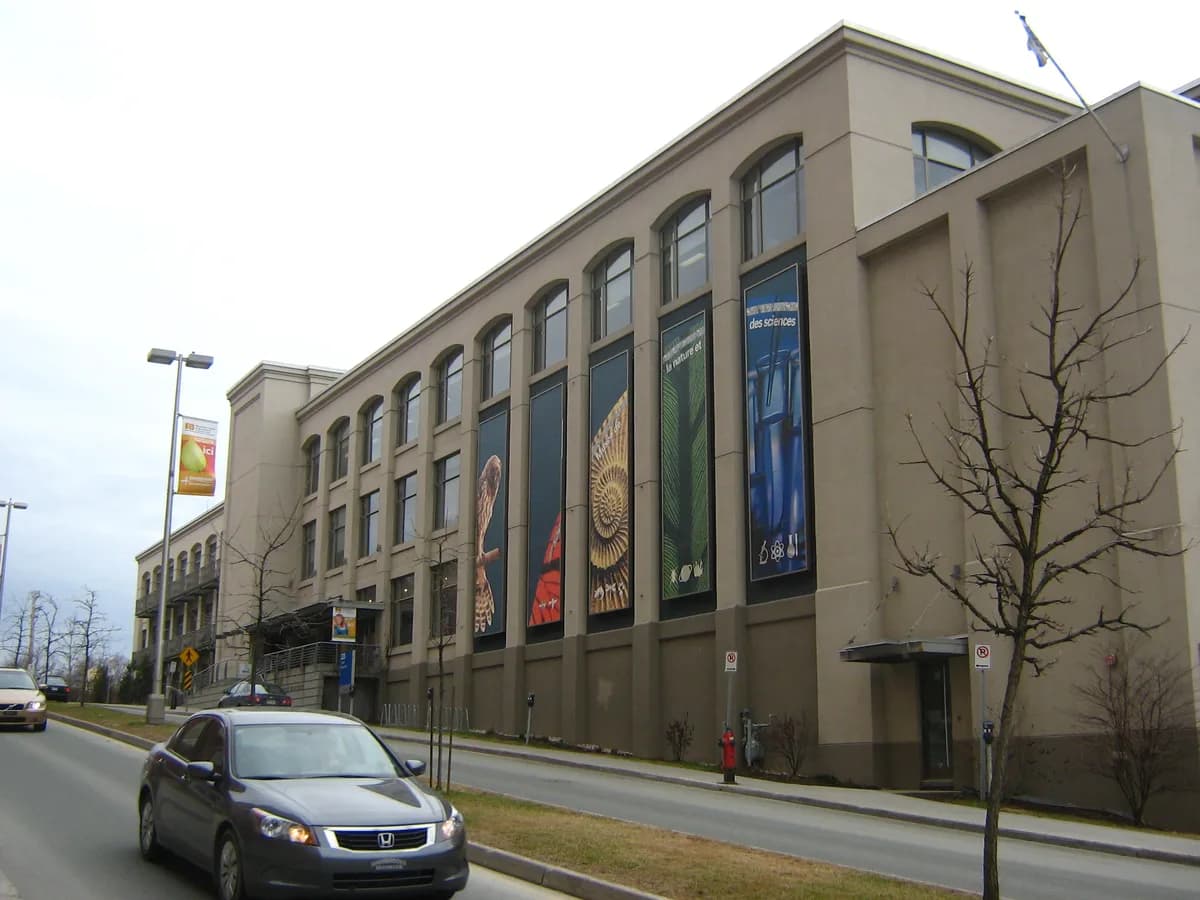
Musée de la nature et des sciences de Sherbrooke
Housed since 2002 in a former silk-stocking factory in downtown Sherbrooke, this science museum showcases a collection of more than 65,000 natural history specimens, including the immersive AlterAnima exhibit featuring hundreds of taxidermied animals.
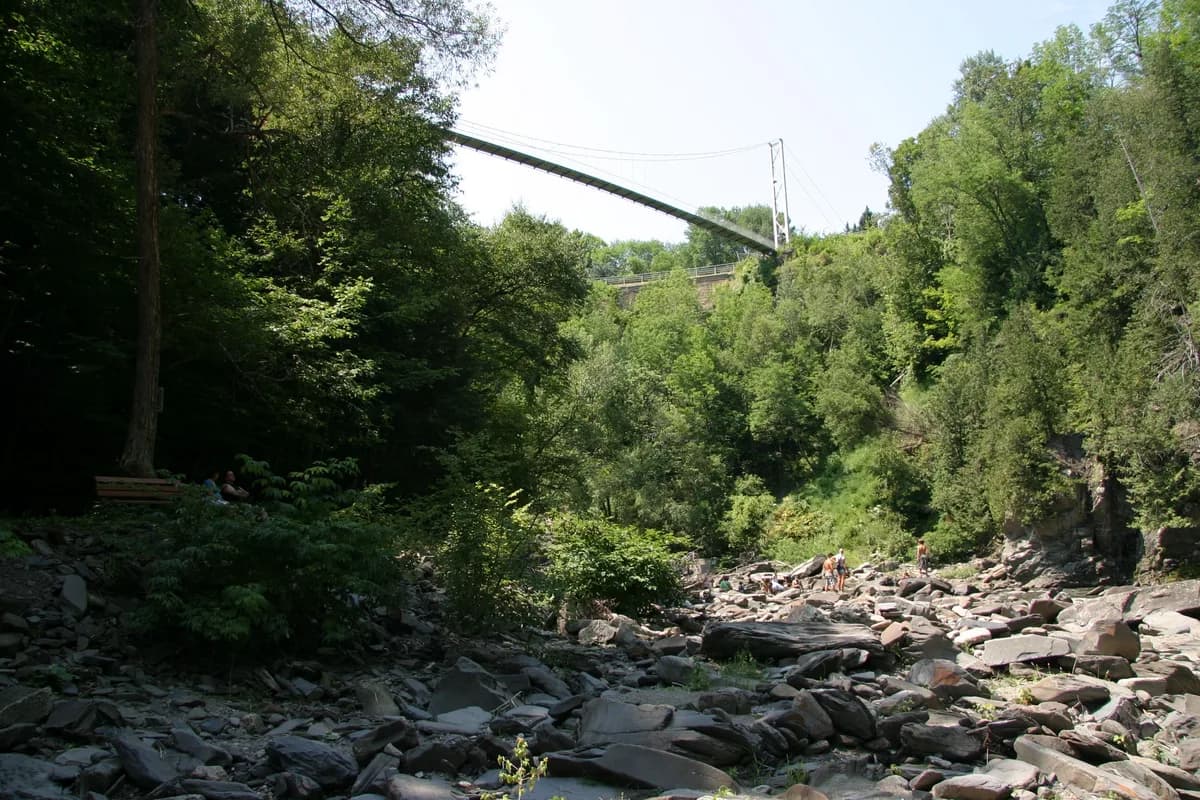
Coaticook Gorge Park and Suspension Bridge
Home to the world's longest pedestrian suspension bridge at the time of its opening, this regional park lets visitors look down into the spectacular gorge carved by the Coaticook River, some fifty metres deep.
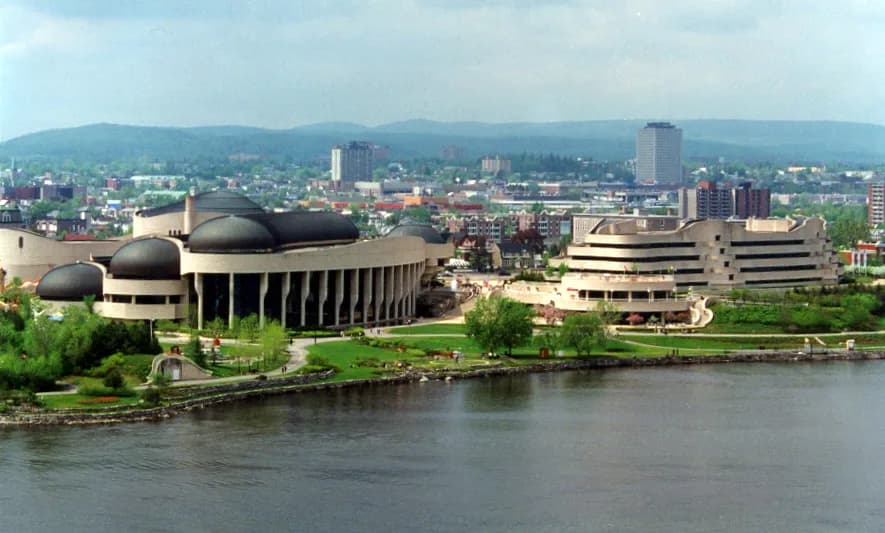
Canadian Museum of History
Canada's most-visited museum institution, this national museum of social history is housed in an iconic building designed by Indigenous architect Douglas Cardinal and features the world's largest indoor exhibit of monumental totem poles.
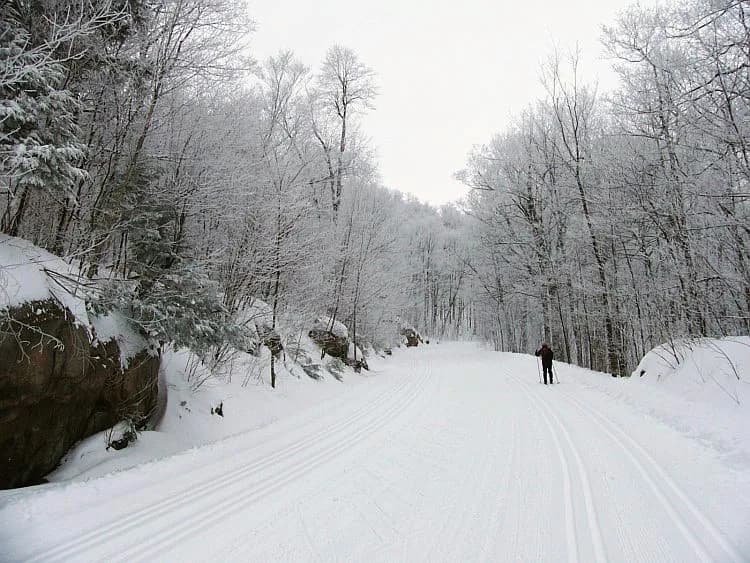
Gatineau Park
Nicknamed the green lung of the Outaouais, this conservation park spanning more than 361 km² is home to North America's largest cross-country ski trail network, plus five public beaches set around its lakes.
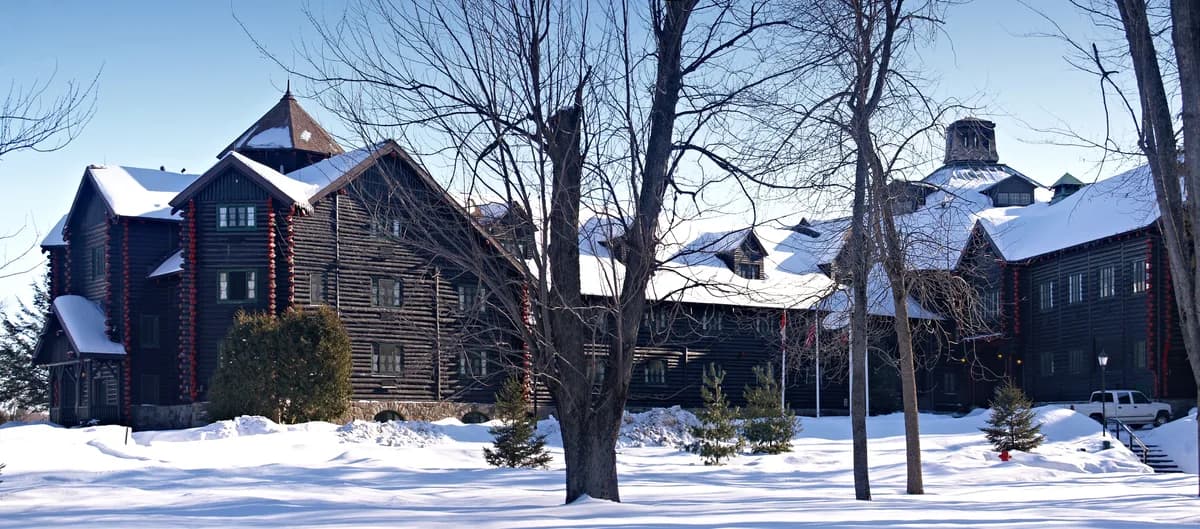
Fairmont Le Château Montebello
Built in just four months in 1930 as a private club for a North American elite, this log château—the largest of its kind in the world—remains an emblematic symbol of rustic Québec hospitality.
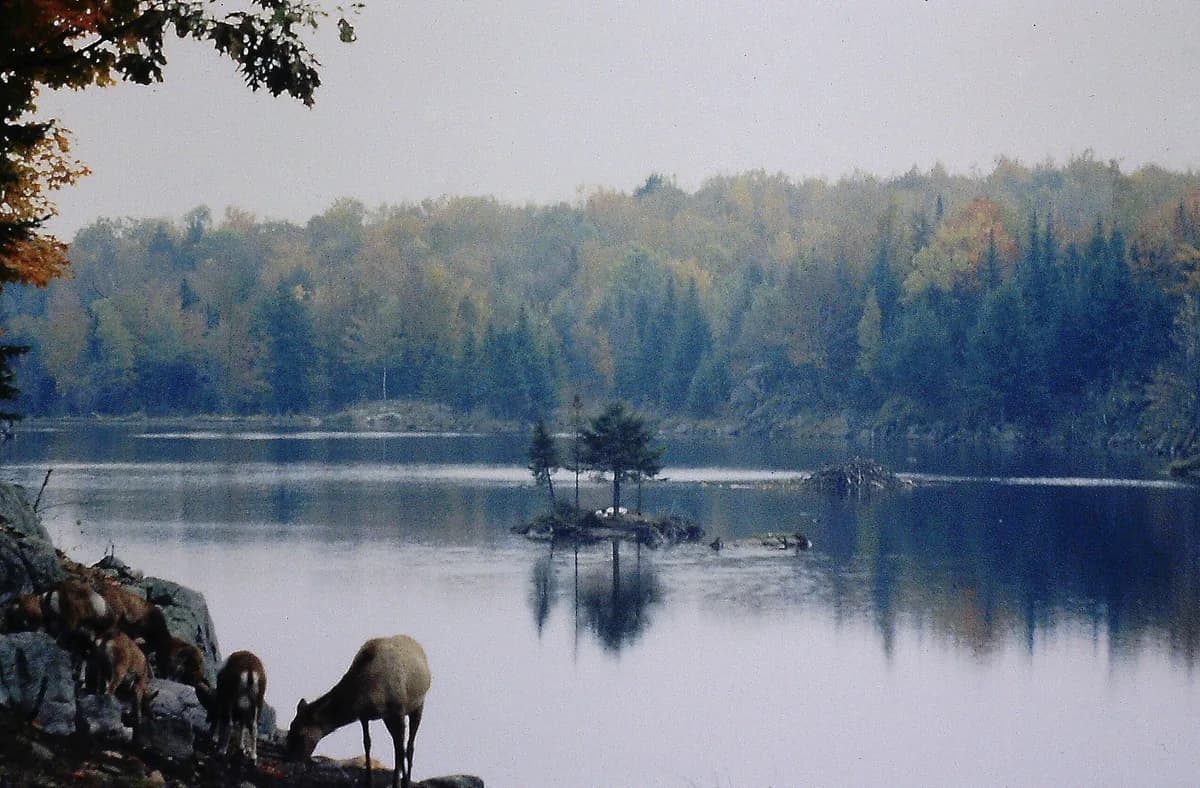
Parc Oméga
Founded in 1991 on 2,200 acres of natural land, this wildlife park offers a formula unique in Québec: drive your own car along more than 12 km of trails where deer, wolves, bears, and bison roam in semi-freedom, and which visitors can feed directly.
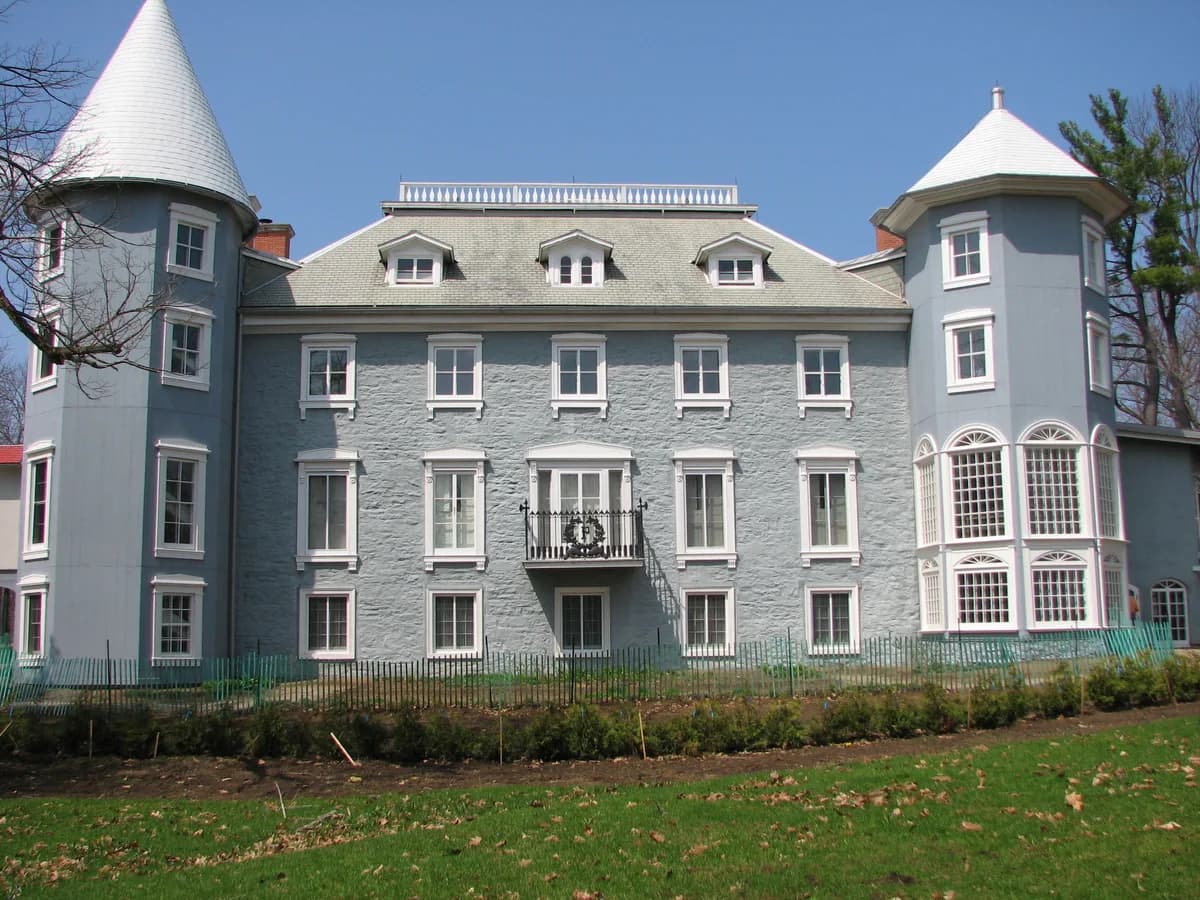
Manoir-Papineau National Historic Site
The former seigneurial residence of Louis-Joseph Papineau, undisputed leader of the 1830s Patriote movement, this manor and its estate bear witness to the landed aristocracy that marked Lower Canada's political history.
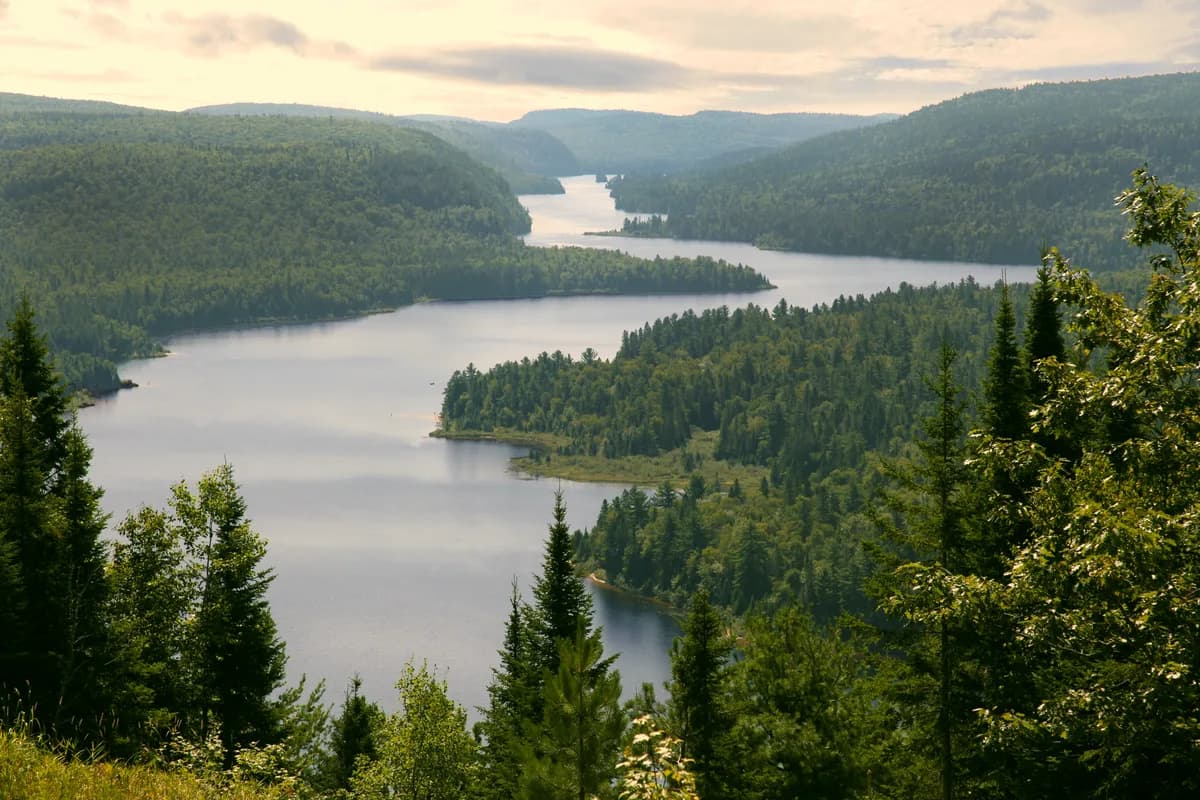
Mauricie National Park
Crossed by a horseshoe-shaped scenic road linking its two entrances over nearly 64 km, this Canadian Shield park offers crystal-clear lakes, spectacular lookouts, and one of central Québec's most renowned trail networks.
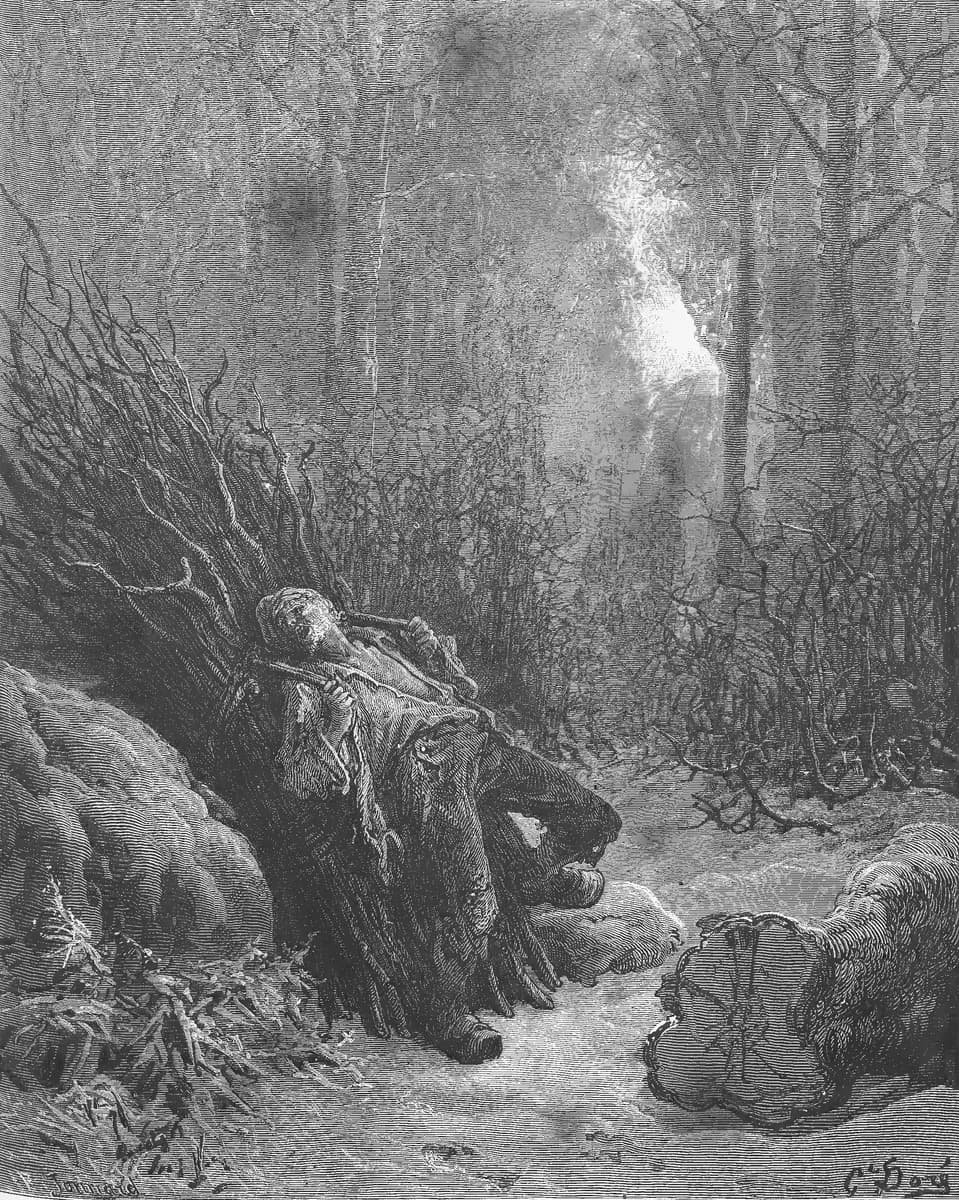
Village du Bûcheron
A living replica of an early-20th-century Québec logging camp, this site of more than 25 log buildings brings to life, with musician guides and storytellers, the lifestyle of the forestry workers who shaped the Mauricie economy.
La Cité de l'énergie
A museum complex unique in Canada, built on the site of former power stations and aluminum plants, this site combines a 115-metre observation tower, a multimedia show, and a guided tour of historic hydroelectric power stations, some still partly operational.
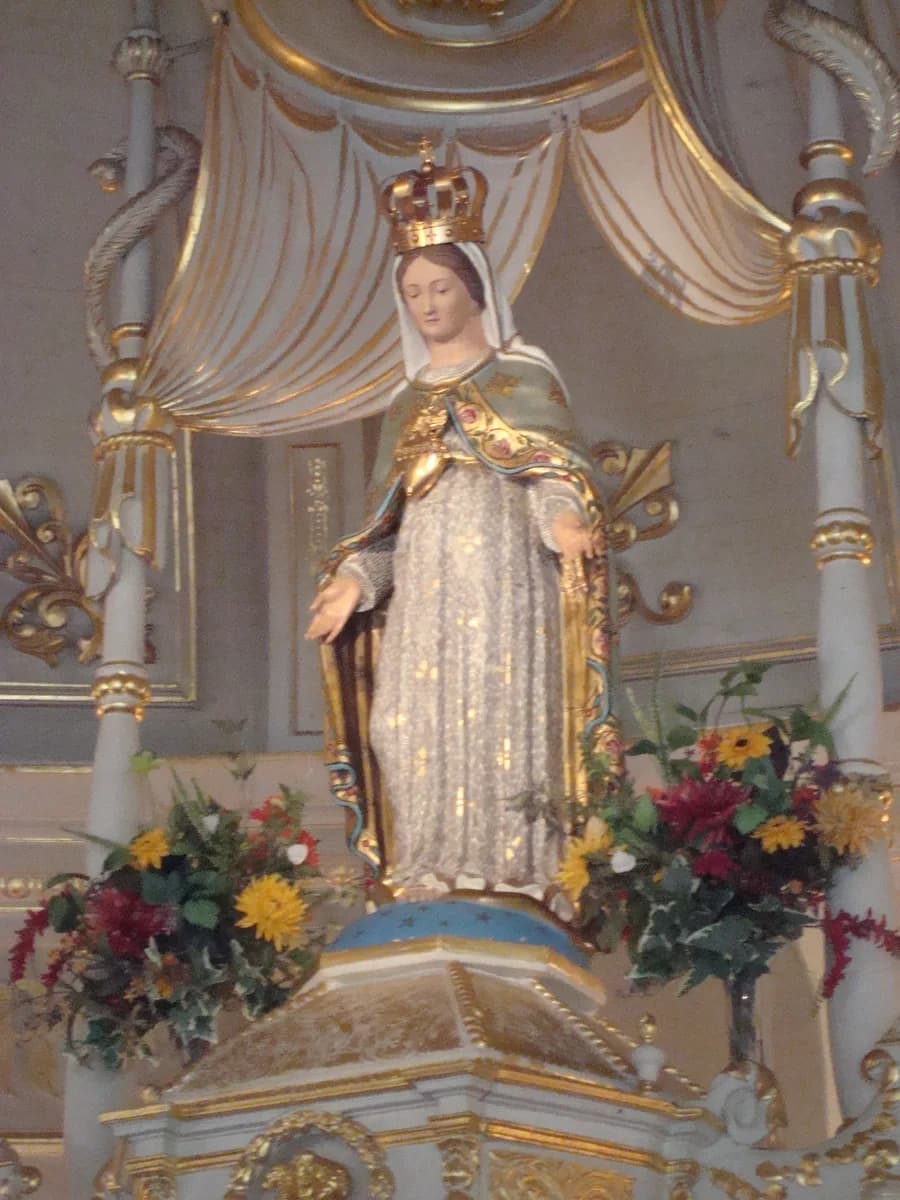
Our Lady of the Cape Shrine
The second most important Marian shrine in North America after Our Lady of Guadalupe, this pilgrimage site welcomes more than 500,000 visitors annually around a 1717 votive chapel and a futuristic-looking modern basilica.
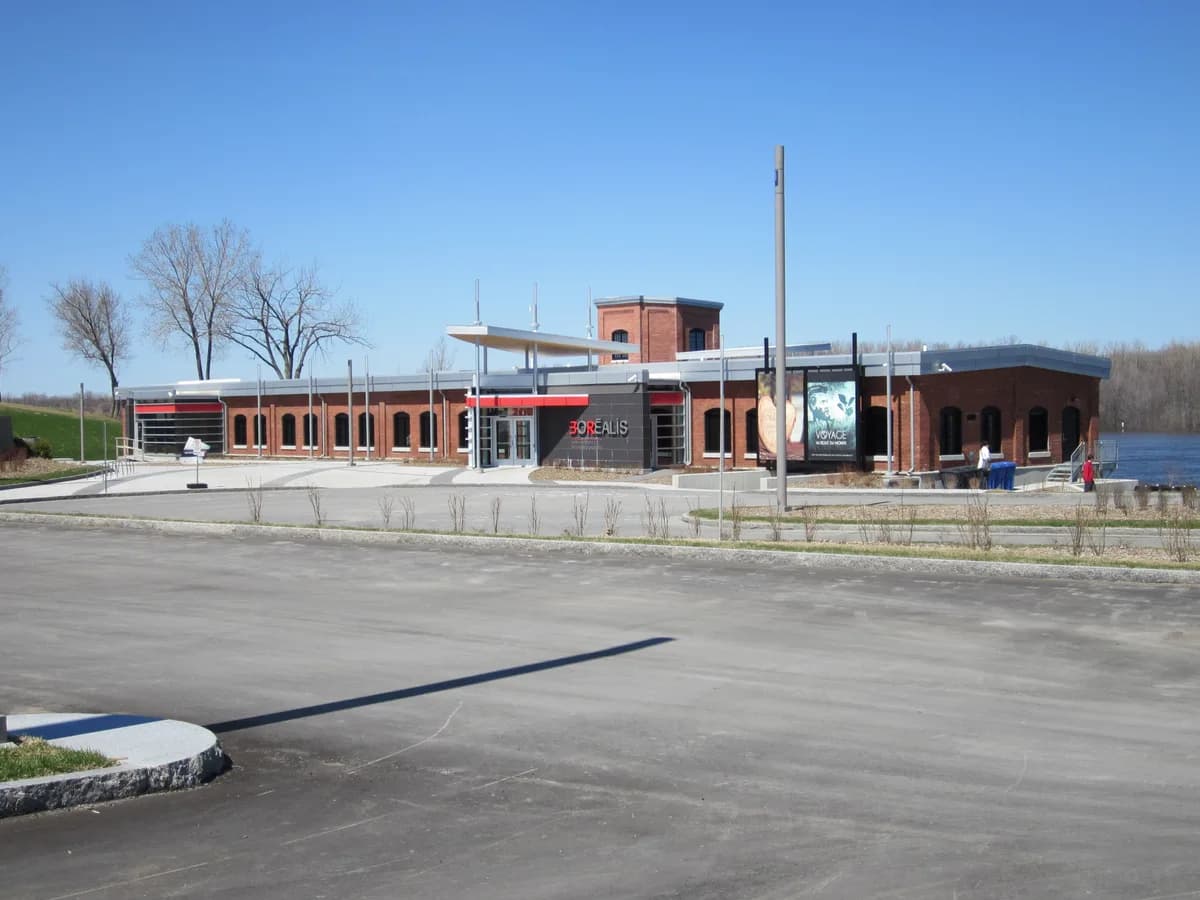
Boréalis — Paper Industry History Centre
Housed in a former Canadian International Paper water filtration plant, this interpretation centre traces the golden age of the paper industry that long earned Trois-Rivières the title of world newsprint capital.
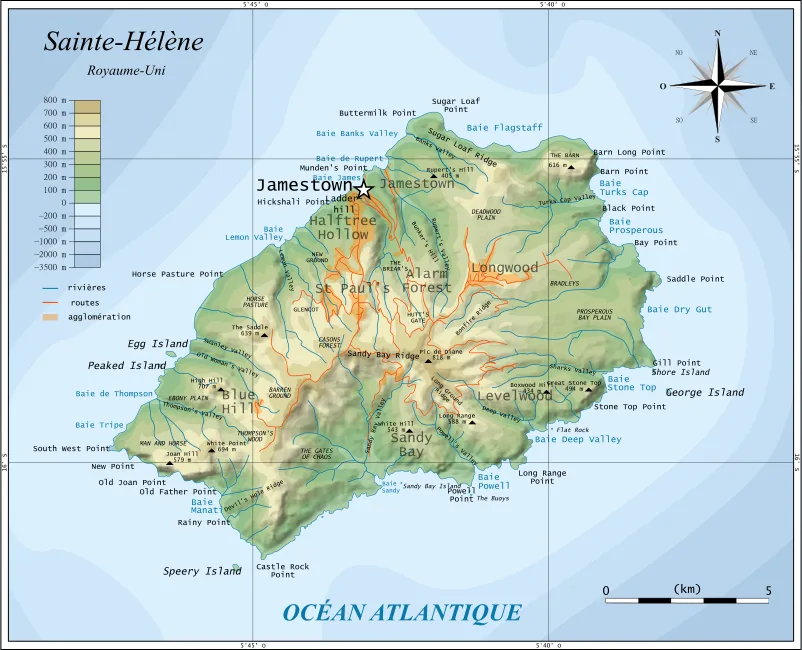
Île-des-Moulins Historic Site
Québec's second-most-important historic reconstruction site after Place-Royale in Québec City, this complex of five restored 18th-century buildings reflects the seigneurial system established as early as 1721 by Louis Lepage de Sainte-Claire.
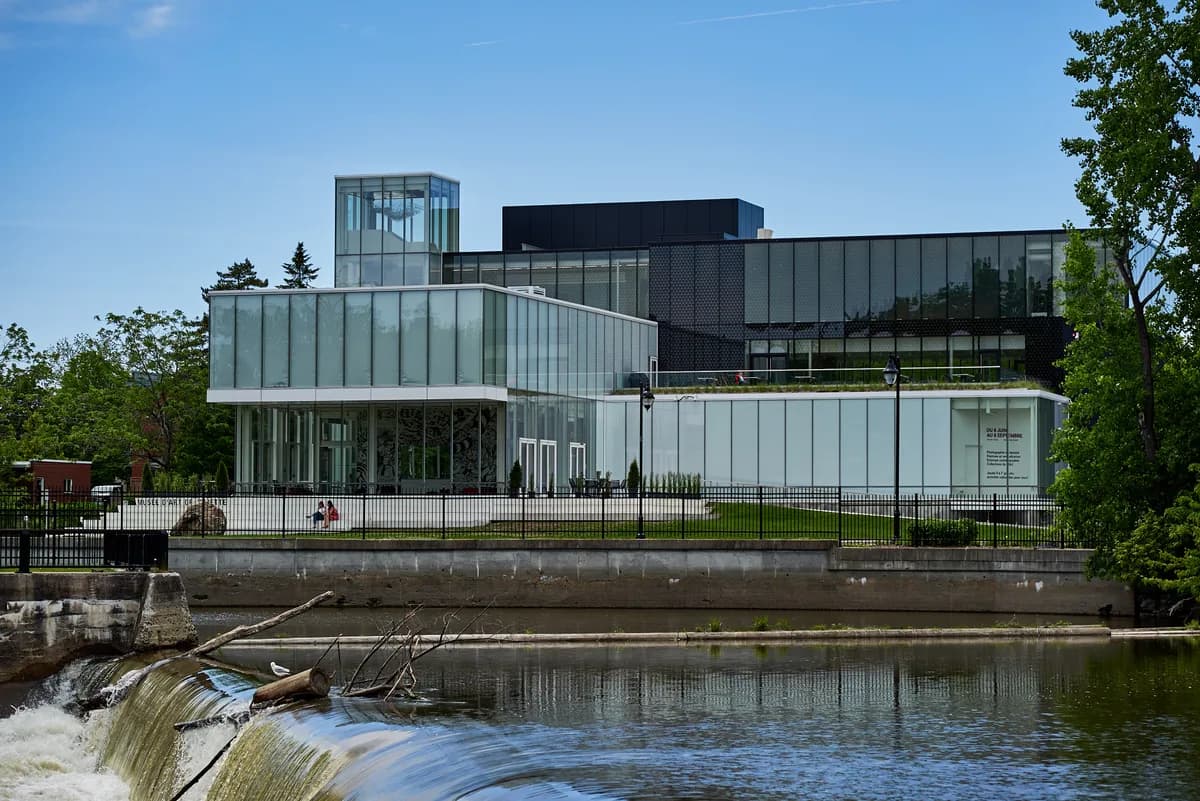
Musée d'art de Joliette
Québec's third-most-important art museum, with a collection of nearly 9,000 works spanning eight centuries of art history, this light-filled museum occupies a prime spot facing the Assomption River.
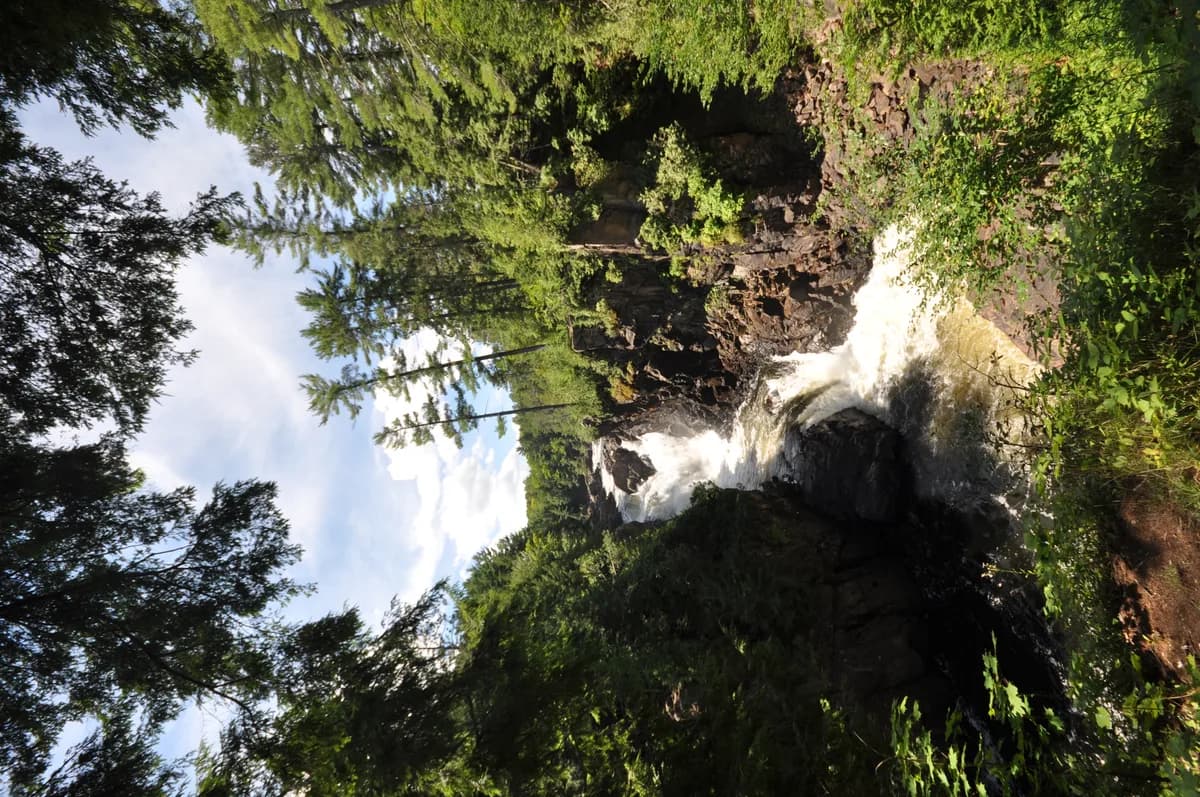
Chutes-Dorwin Park
Set along the Ouareau River, these spectacular 18-metre falls, surrounded by a maple grove and a century-old pine forest, rank among the most photographed natural sites in the Rawdon area.
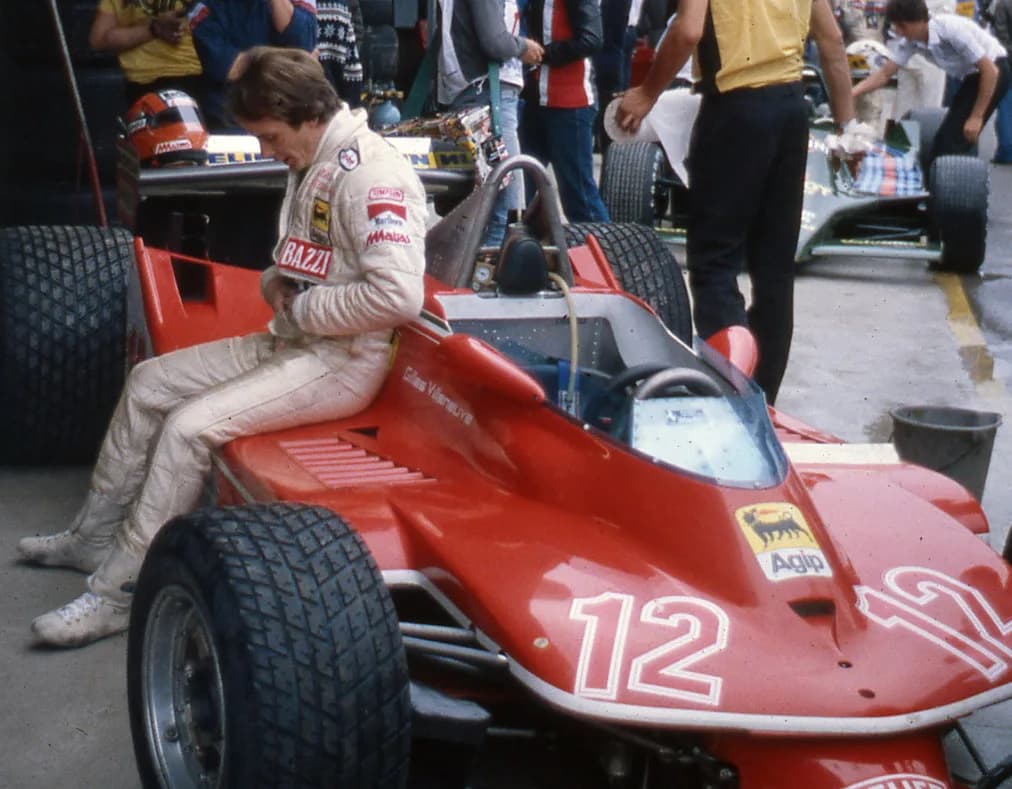
Musée Gilles-Villeneuve
Paying tribute to the Formula 1 driver many experts consider the fastest in history, this Berthierville museum displays race cars and snowmobiles, driving simulators, and a vast collection of objects tracing the meteoric career of this local-born star.
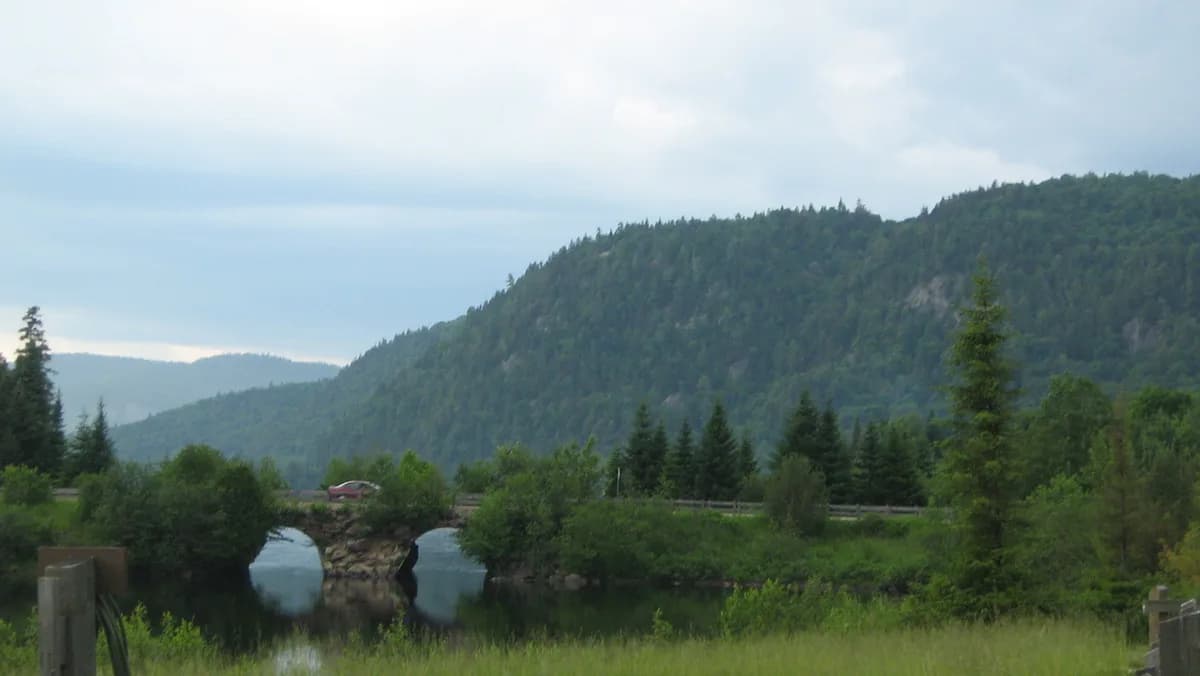
Mont-Tremblant National Park
The largest and oldest national park in the Québec network, this territory of more than 1,500 km² spans three distinct sectors rich in lakes, rivers, and peaks, offering one of Québec's most popular canoe-camping experiences.
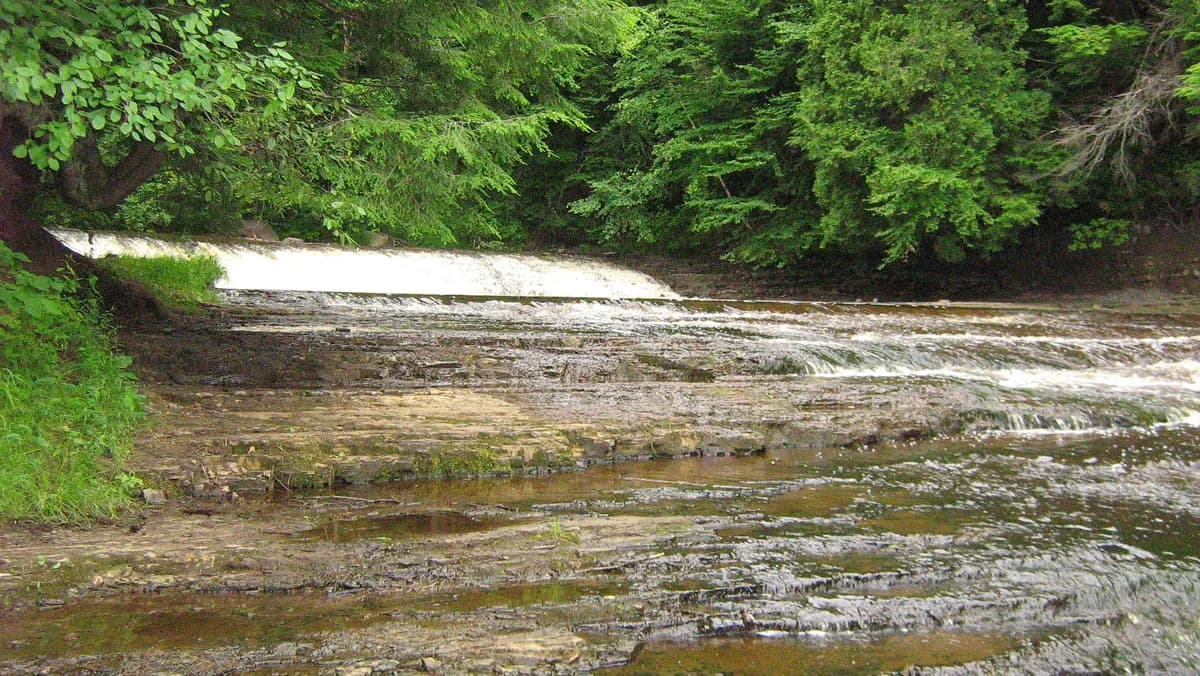
Rivière-du-Nord Regional Park
Recognized for its exceptional heritage cultural landscape, this regional park along the Rivière du Nord in Saint-Jérôme offers hiking, kayaking, and wildlife watching in a preserved natural setting right next to the urban centre.
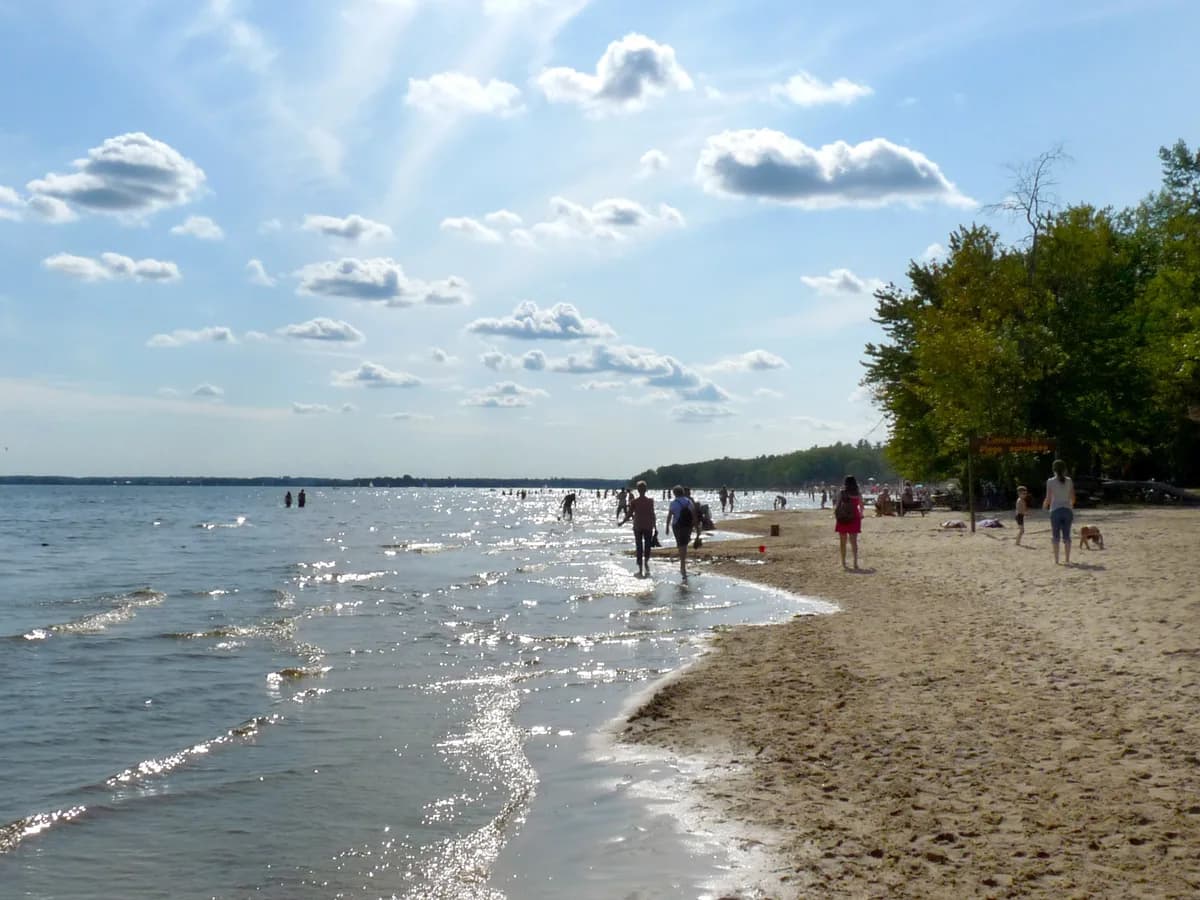
Oka National Park
Located just 35 minutes from Montréal, this park is home to one of Québec's largest heron colonies as well as the Oka Calvary, a Way of the Cross dating to 1742 and a historic structure unique in North America with its four oratories and three chapels.
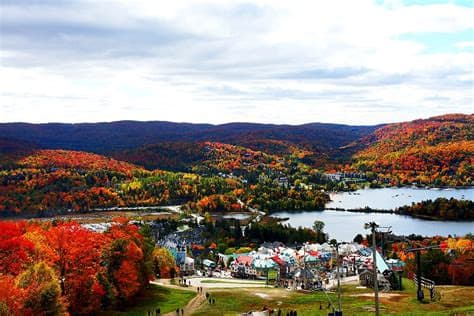
Tremblant Colours Festival
Celebrating the riot of colour that marks Laurentian autumns, this annual event turns the Mont-Tremblant resort into a prime destination for admiring the blazing foliage from the panoramic gondola ride to the mountaintop.
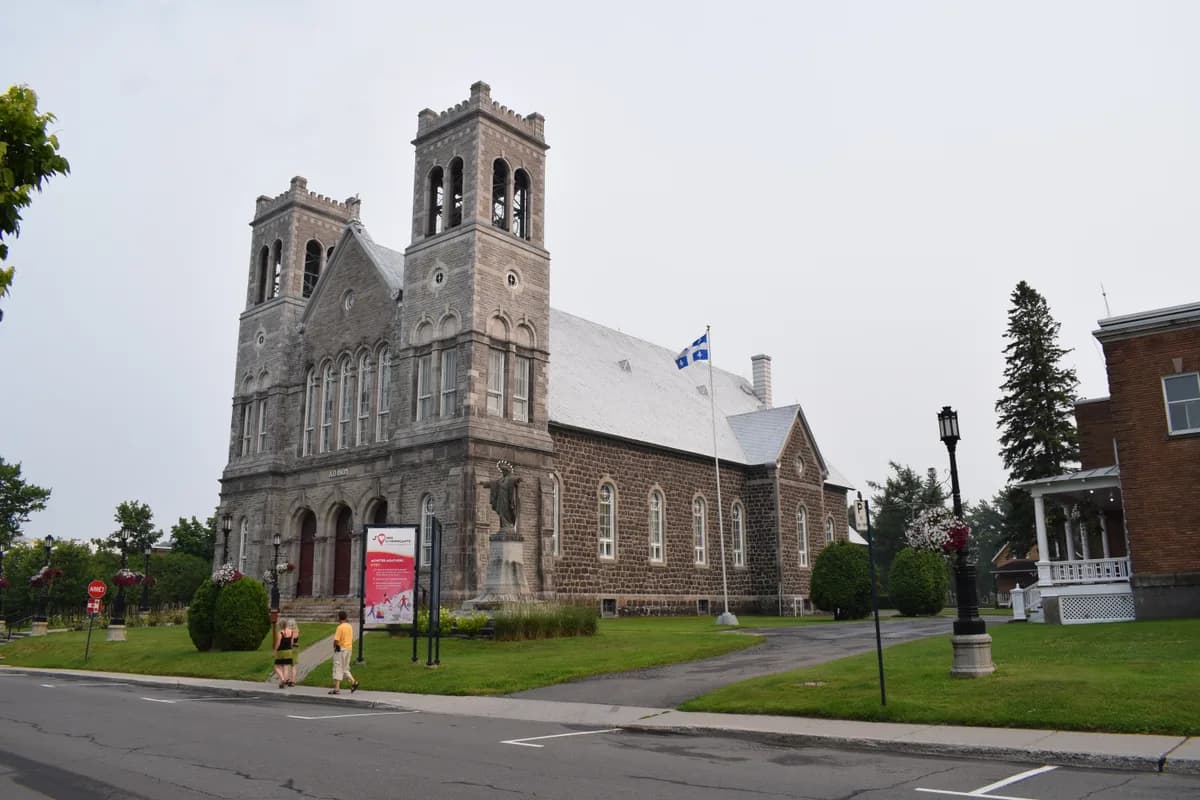
Sainte-Agathe-des-Monts and Lac des Sables
Nicknamed the pearl of the Laurentians, this lakeside town on Lac des Sables offers narrated cruises, a municipal beach, and a heritage trail highlighting the distinctive architecture developed during the early-20th-century tourism golden age.
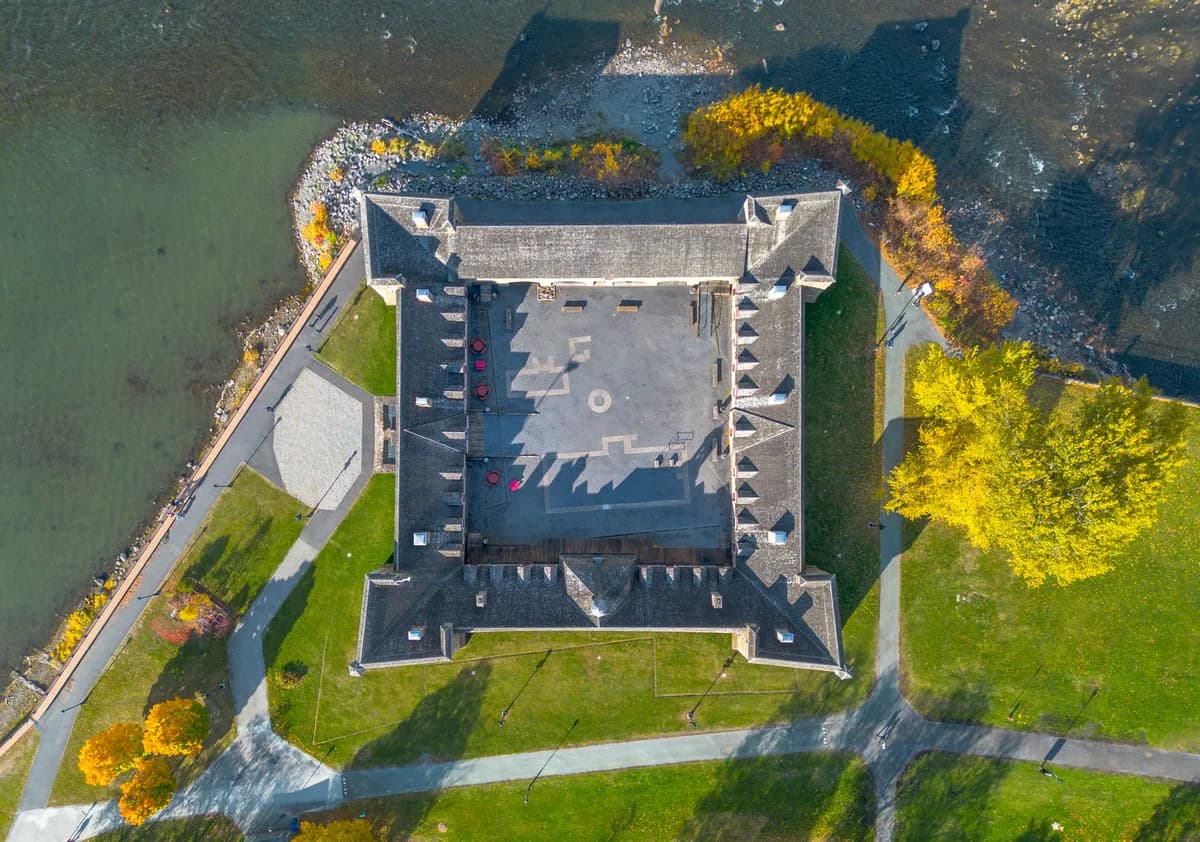
Fort Chambly National Historic Site
Built of stone in 1711 at the foot of the Richelieu rapids, after three successive wooden forts, this fortification was a pillar of New France's defence against British invasions coming from Lake Champlain.
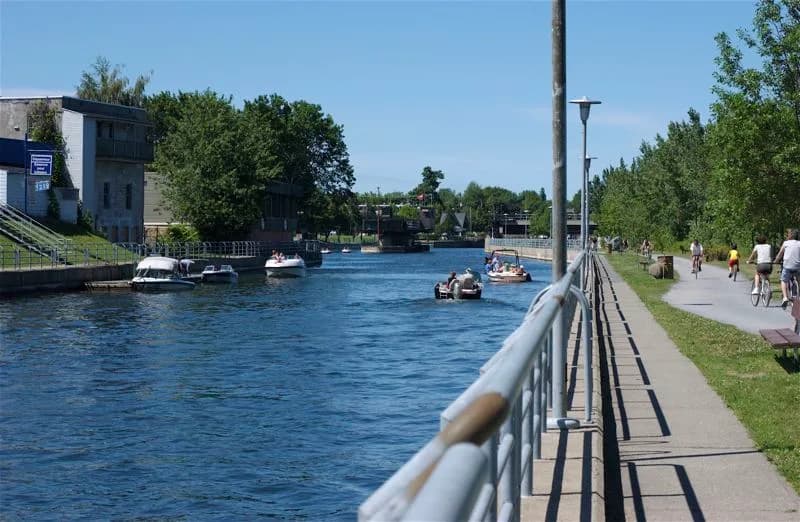
Chambly Canal National Historic Site
North America's first fortified lock structure and a direct ancestor of the St. Lawrence Seaway, this 20 km canal with nine locks links Chambly to Saint-Jean-sur-Richelieu, bypassing the river's historic rapids.

Maison nationale des Patriotes
Québec's only museum entirely devoted to the history of the 1837–1838 Patriotes, this designated historic house stands in the very village where the insurgents won their sole victory against the British army, making it a symbol of the cradle of Canadian democracy.
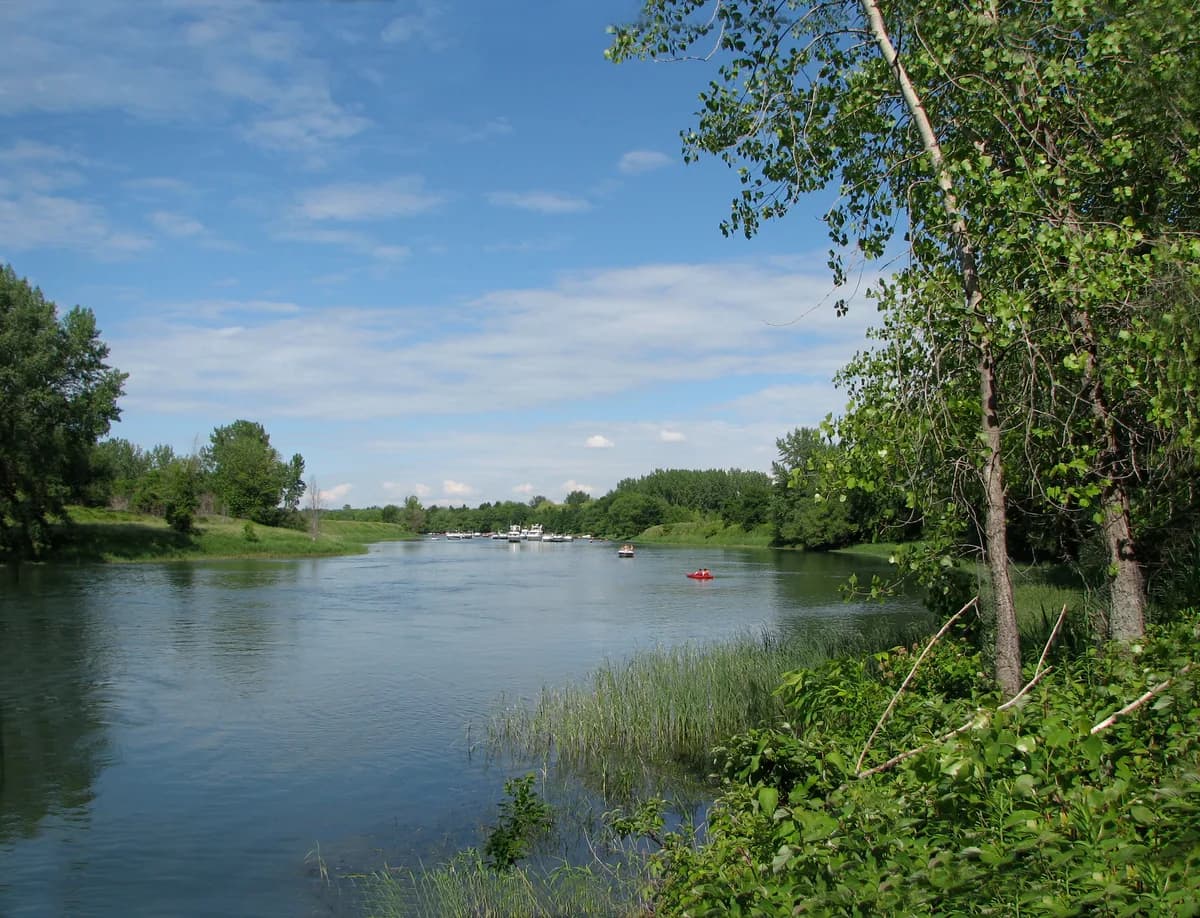
Îles-de-Boucherville National Park
An archipelago of five small islands right in the middle of the St. Lawrence River, just minutes from downtown Montréal, this park, reachable by river shuttle, combines wildlife channels, archaeological remains, and the site of one of Québec's earliest, now-vanished amusement parks.
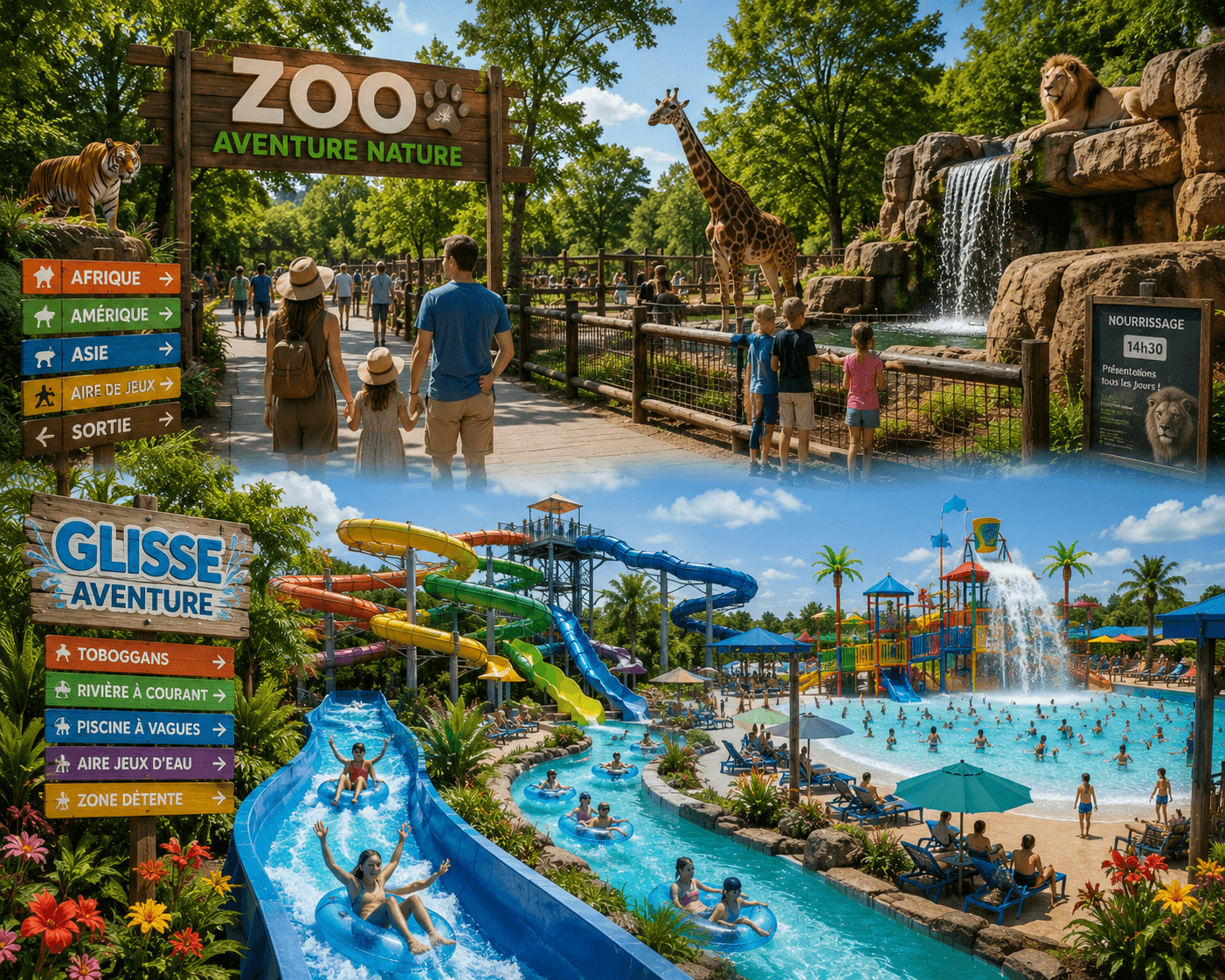
Granby Zoo
Québec's largest zoological garden since its founding in 1953, this three-in-one complex combining a wildlife park, the Amazoo water park, and an amusement park showcases nearly 1,500 animals representing close to 200 species.
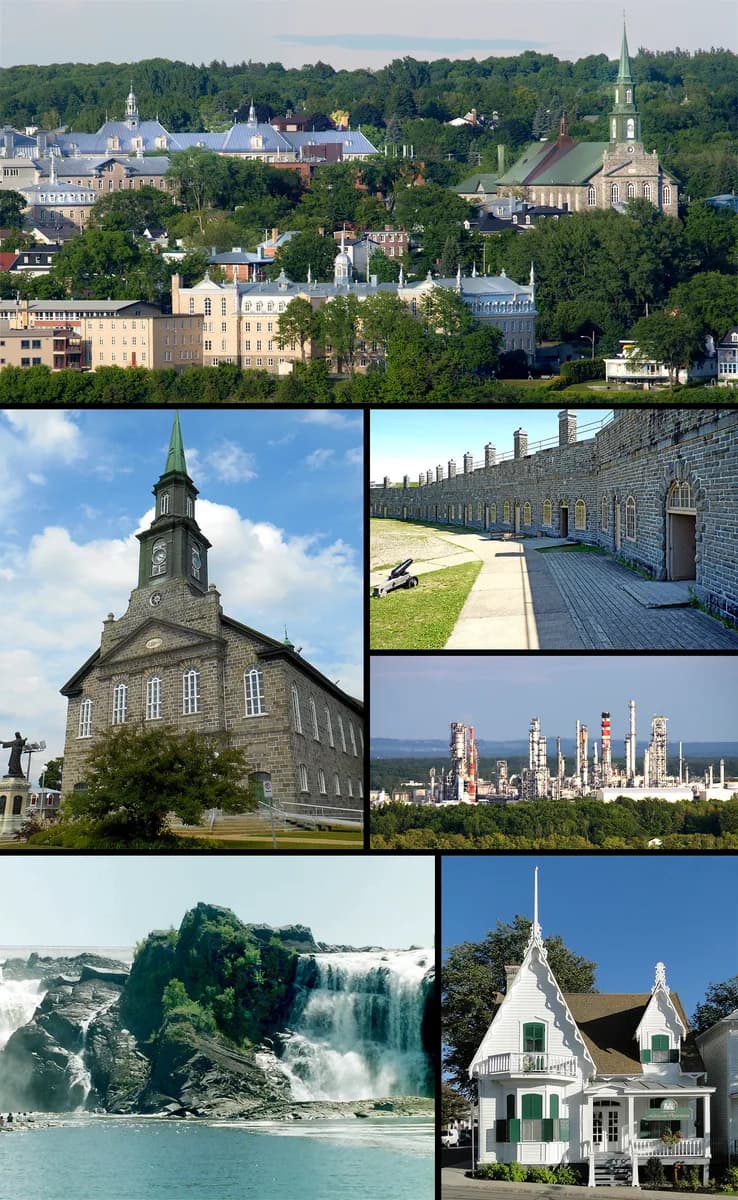
Québec City–Lévis Ferry
Linking Old Québec to Lévis's Quai Paquet for generations, this ferry offers one of the most spectacular perspectives on the capital, gliding right past the Château Frontenac and the fortifications of Old Québec.
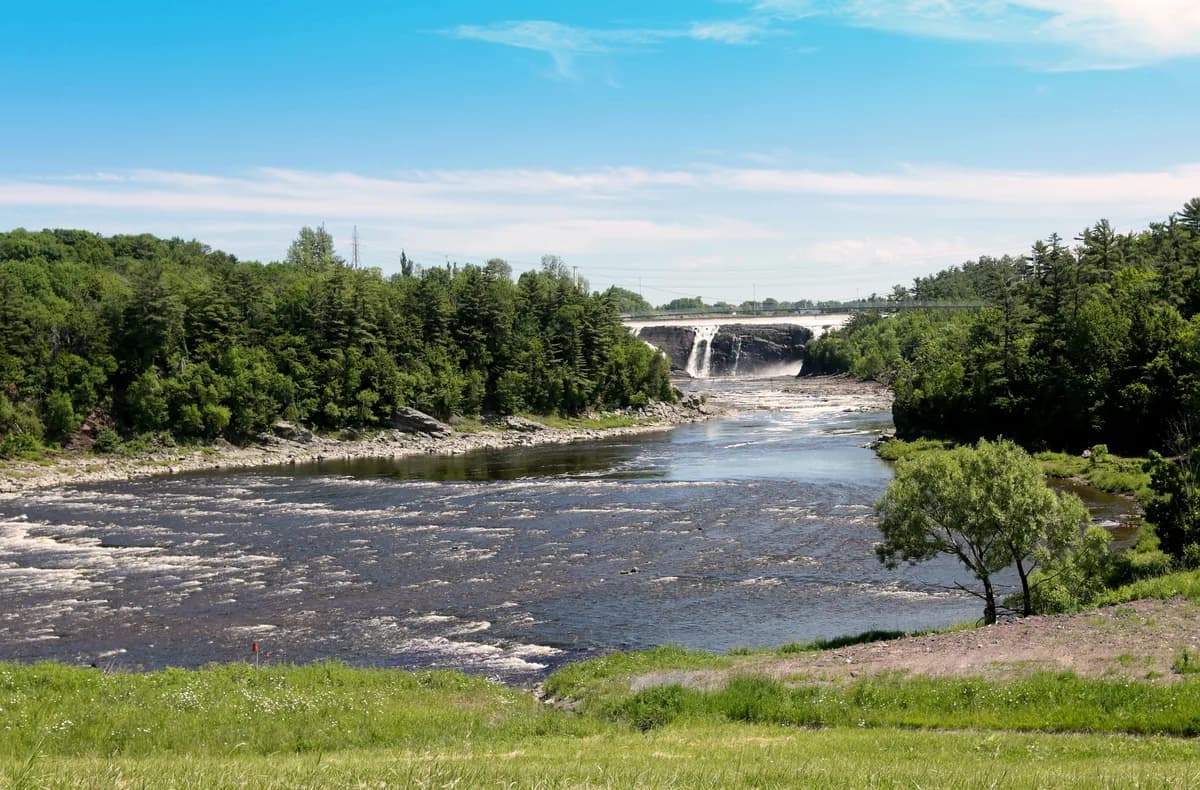
Chutes-de-la-Chaudière Park
An urban recreational jewel in Lévis, this park showcases spectacular 35-metre-high falls, crossable via a 113-metre suspension footbridge towering 23 metres above the Chaudière River.
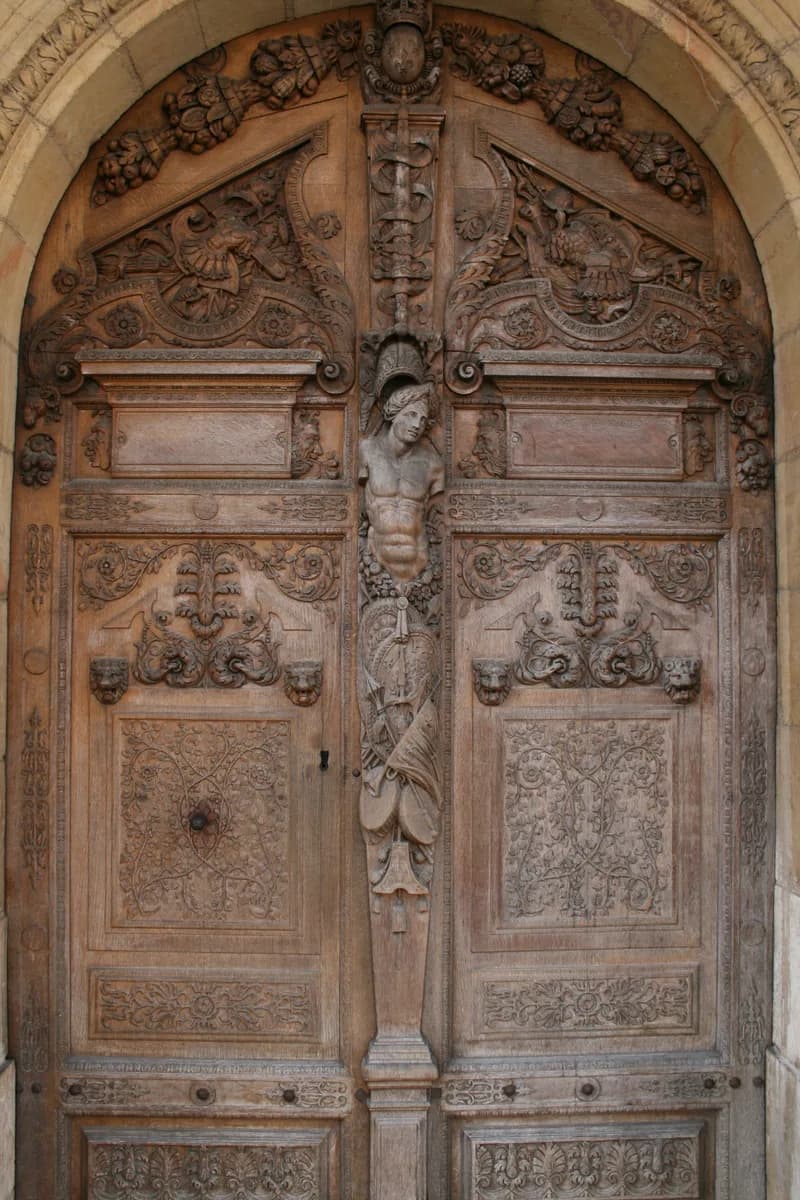
Musée de la sculpture sur bois
North America's most prestigious museum and interpretation centre devoted to wood carving, this institution, marking its fiftieth anniversary, displays more than 250 works tracing the artistic legacy of the legendary Bourgault brothers.
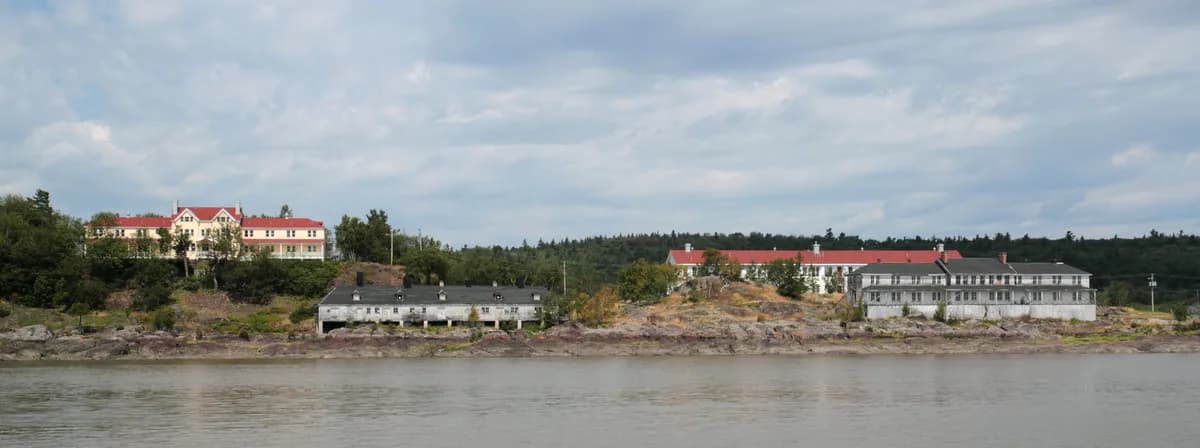
Grosse Île and the Irish Memorial National Historic Site
A former quarantine station where thousands of Irish immigrants fleeing the Great Famine perished in the 19th century, this commemorative site, reachable by cruise from Berthier-sur-Mer, keeps alive the moving memory of this migratory tragedy through a memorial and a Celtic cross.
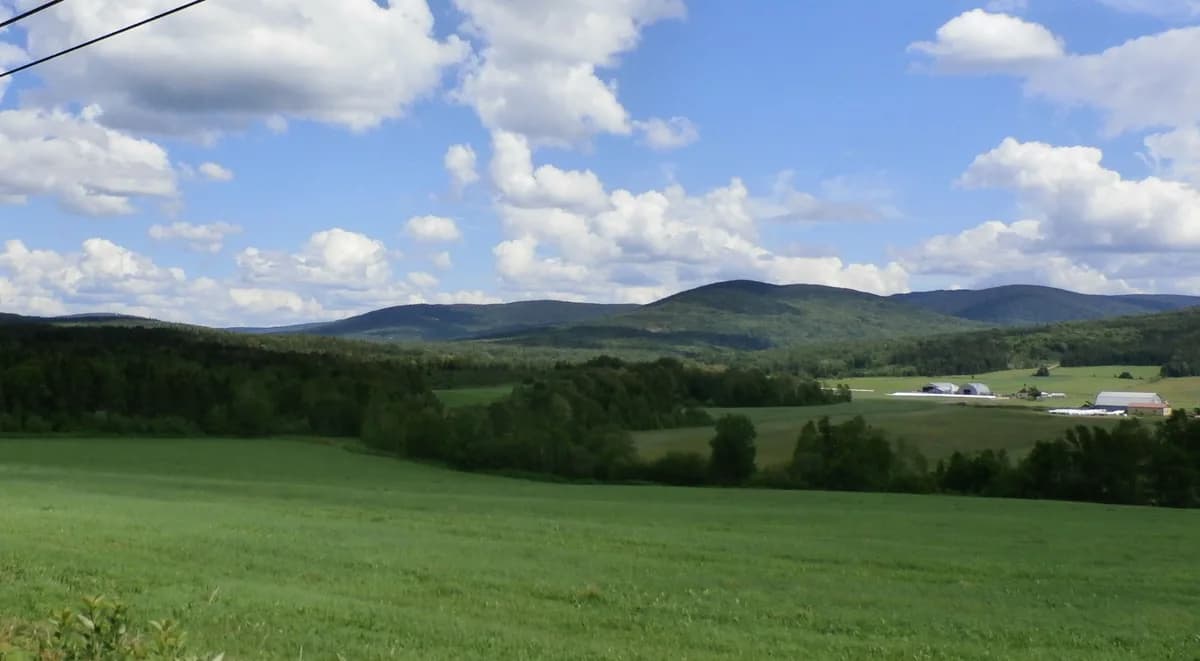
Massif du Sud Regional Park
Benefiting from an exceptional microclimate that brings an average of 750 centimetres of snow each year, this resort offers 35 ski runs including 17 through the woods, complemented by a vast network of hiking trails leading to unique rock formations and a forest ropes course.
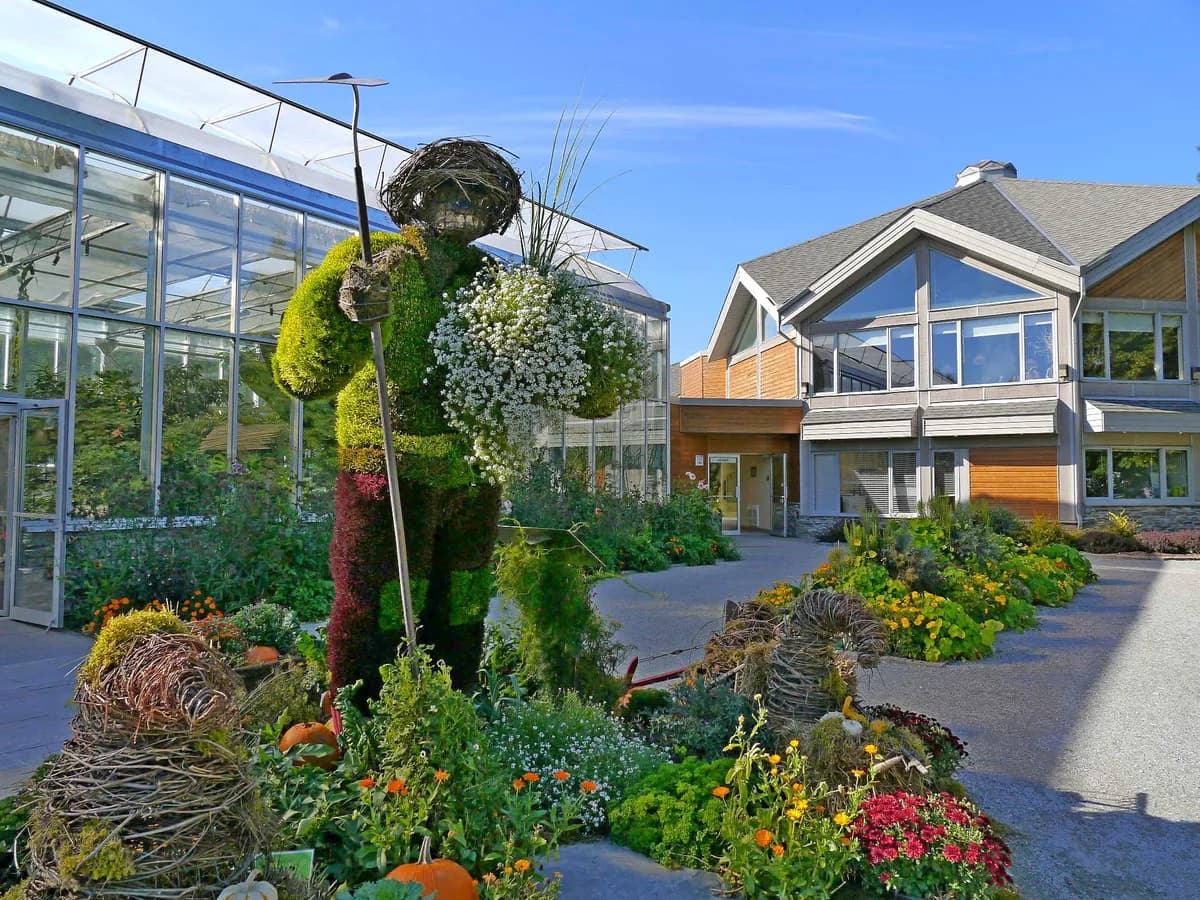
Parc Marie-Victorin
Created in 1985 in tribute to the father of modern Québec botany, a native of Kingsey Falls, this garden-museum stands out for its spectacular three-dimensional mosaiculture sculptures and its collection of 1,200 carnivorous plants, complemented since 2025 by a new museum devoted to Québec heritage.
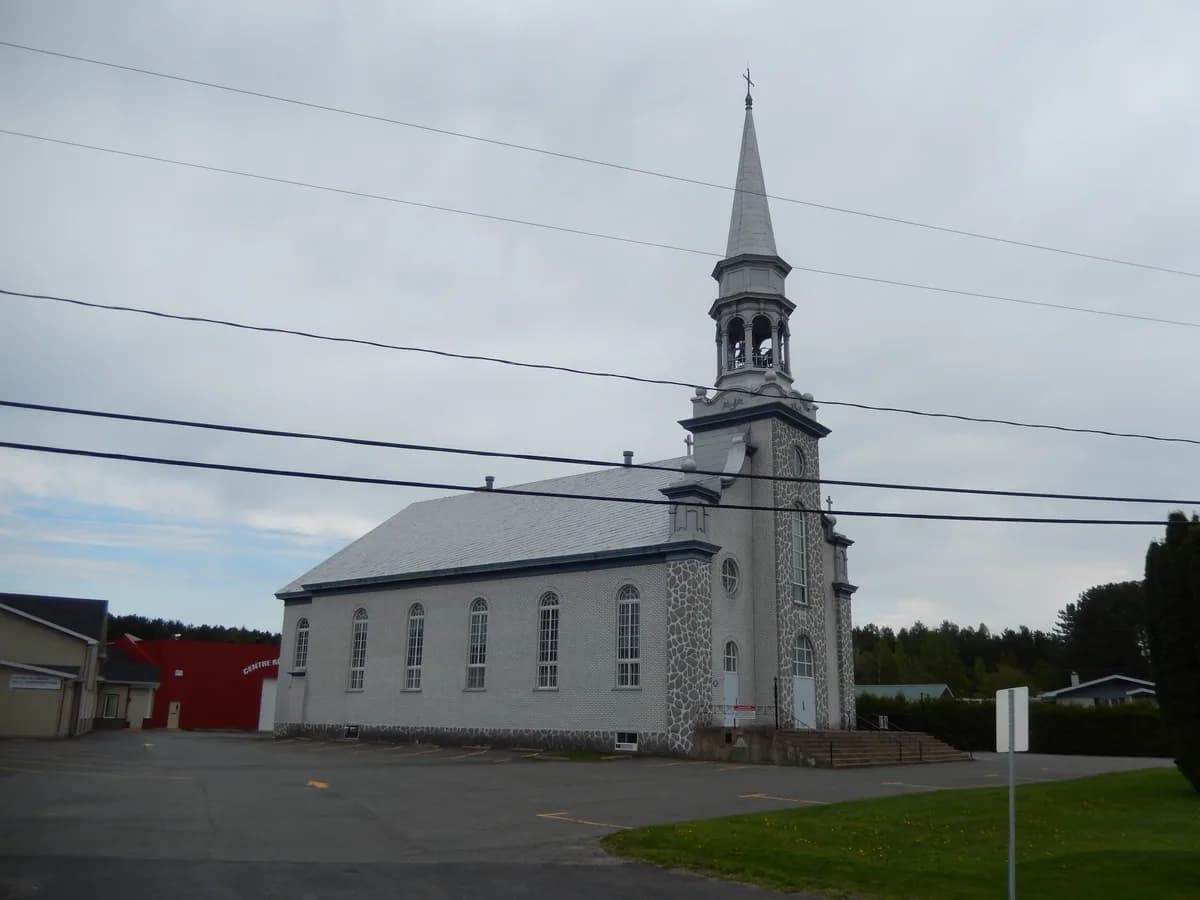
Cranberry Interpretation Centre
Opened in 1996 in Québec's cranberry capital, this seasonal centre welcomes visitors during the spectacular harvest period, from mid-September to mid-October, for a complete exploration of this little red fruit from cultivation to processing.
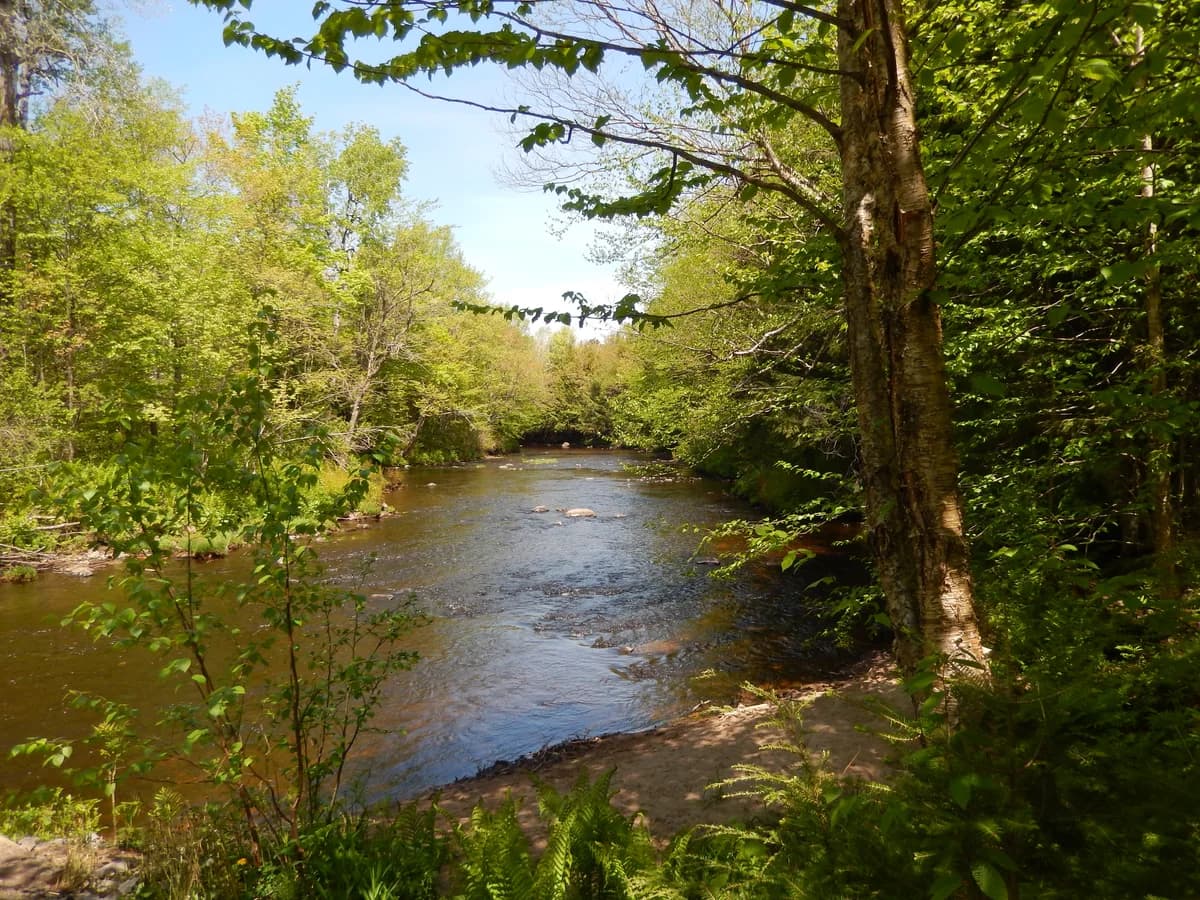
Grandes Coulées Regional Park
Set along the Rivière Noire in the Plessisville area, this regional park offers a network of gently graded trails, especially charming through its old-growth forest section, ideal for trout fishing, ropes courses, and wildlife watching.
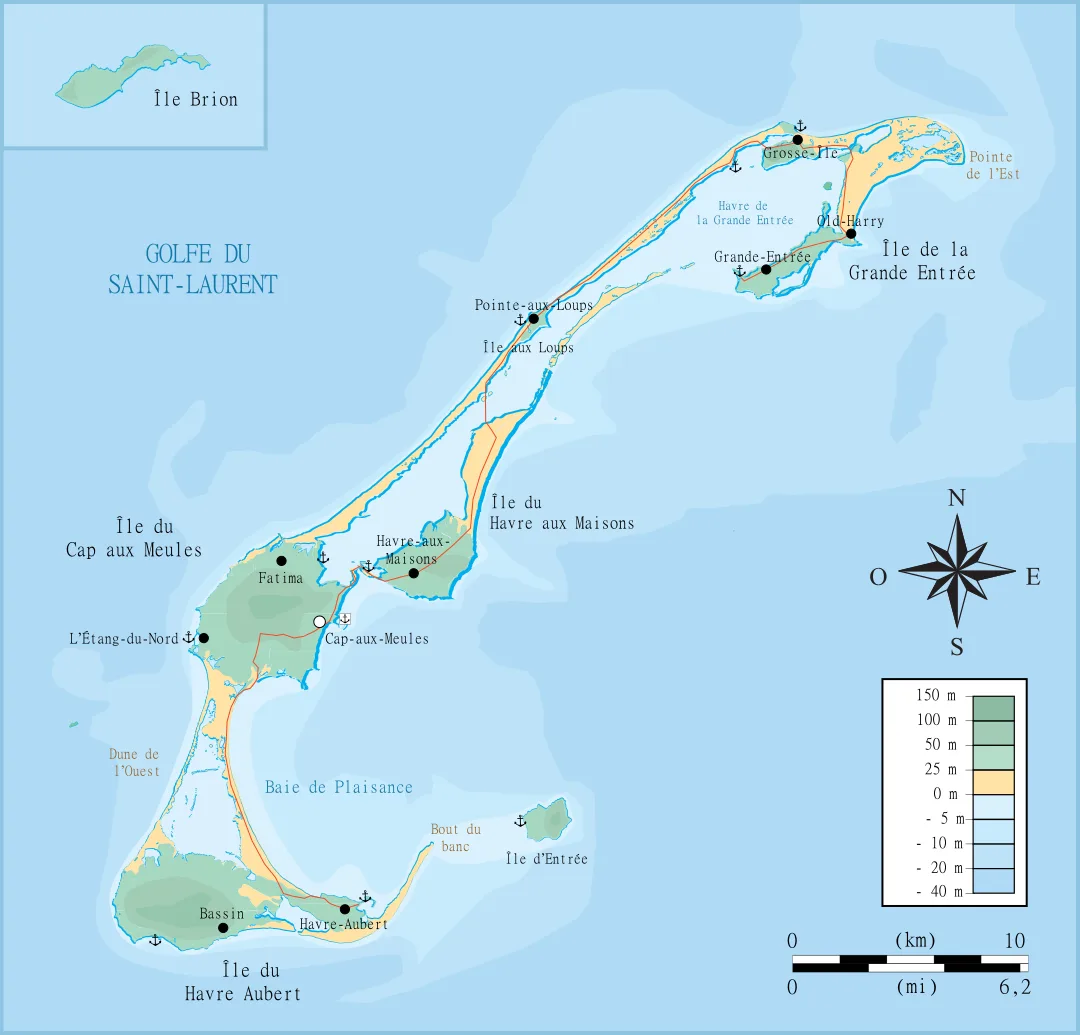
Musée de la Mer des Îles de la Madeleine
Overlooking the La Grave heritage site from Cap Gridley, this ethno-historical museum, founded in 1969, has spent more than half a century tracing the archipelago's maritime history and heritage, including the skeleton of a young sperm whale stranded in 2008.
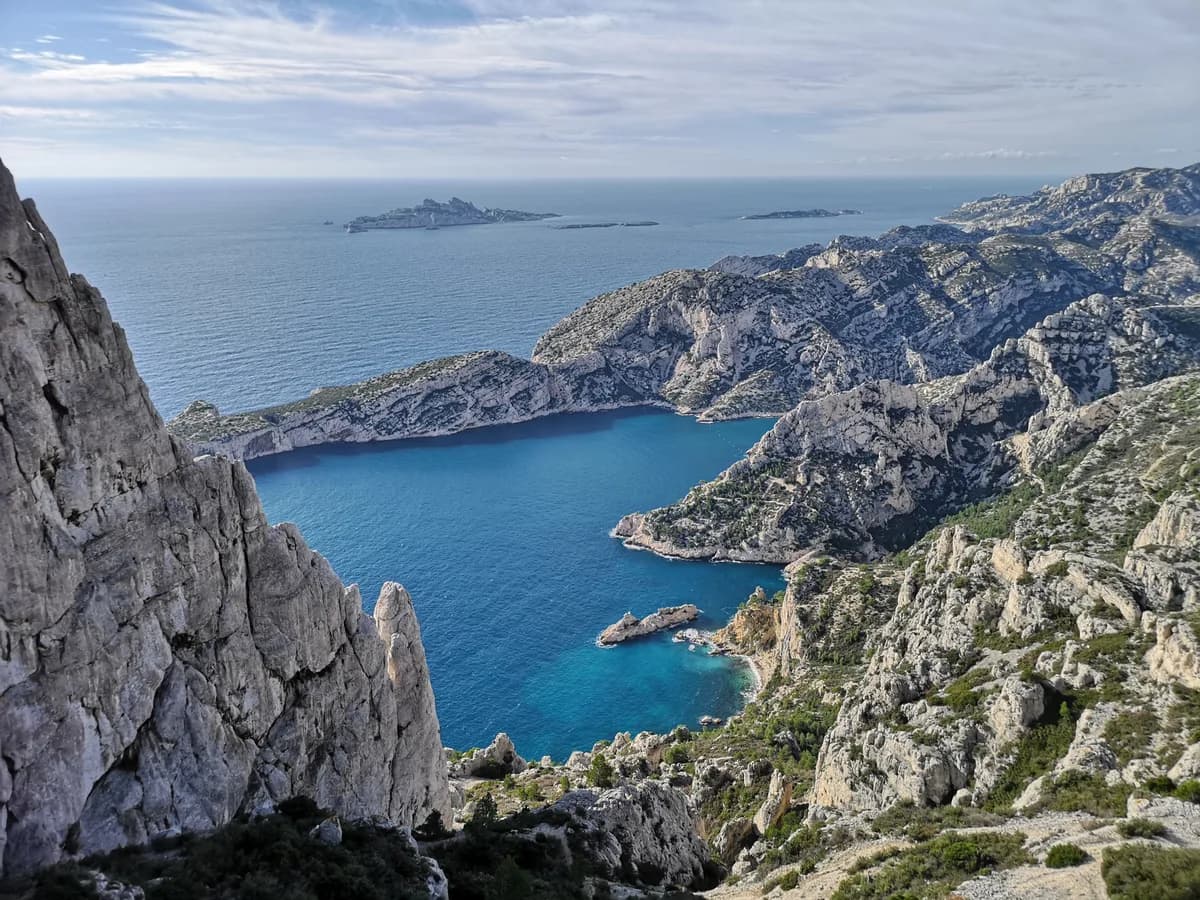
Gros-Cap Park and Its Sea Caves
Located on a peninsula at the entrance to Plaisance Bay, this park features a network of caves and tunnels endlessly carved by wave action, explorable by sea kayak in an area especially rich in seabird life.
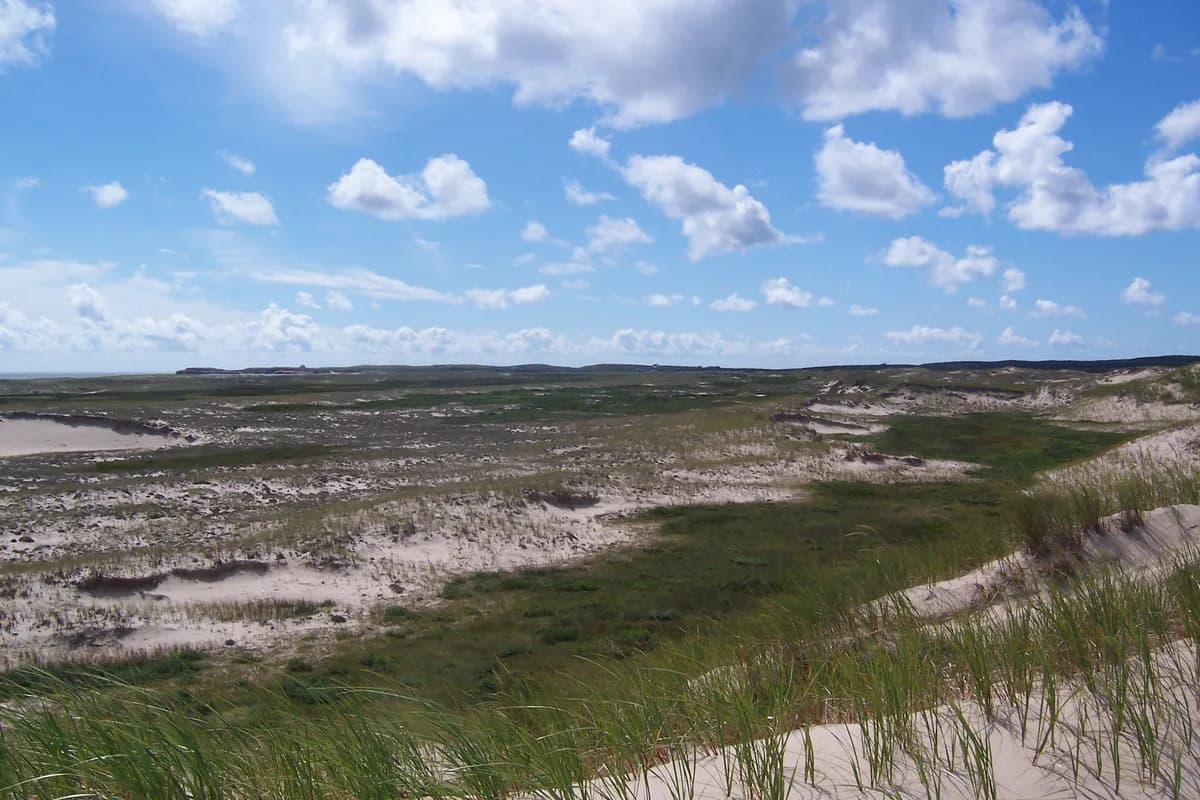
Pointe-de-l'Est National Wildlife Area
A major migratory stopover home to a dune ecosystem unique in Québec, this national reserve with eight kilometres of interpretive trails protects rare bird species such as the piping plover and the Atlantic puffin, beside the seemingly endless Grande Échouerie beach.
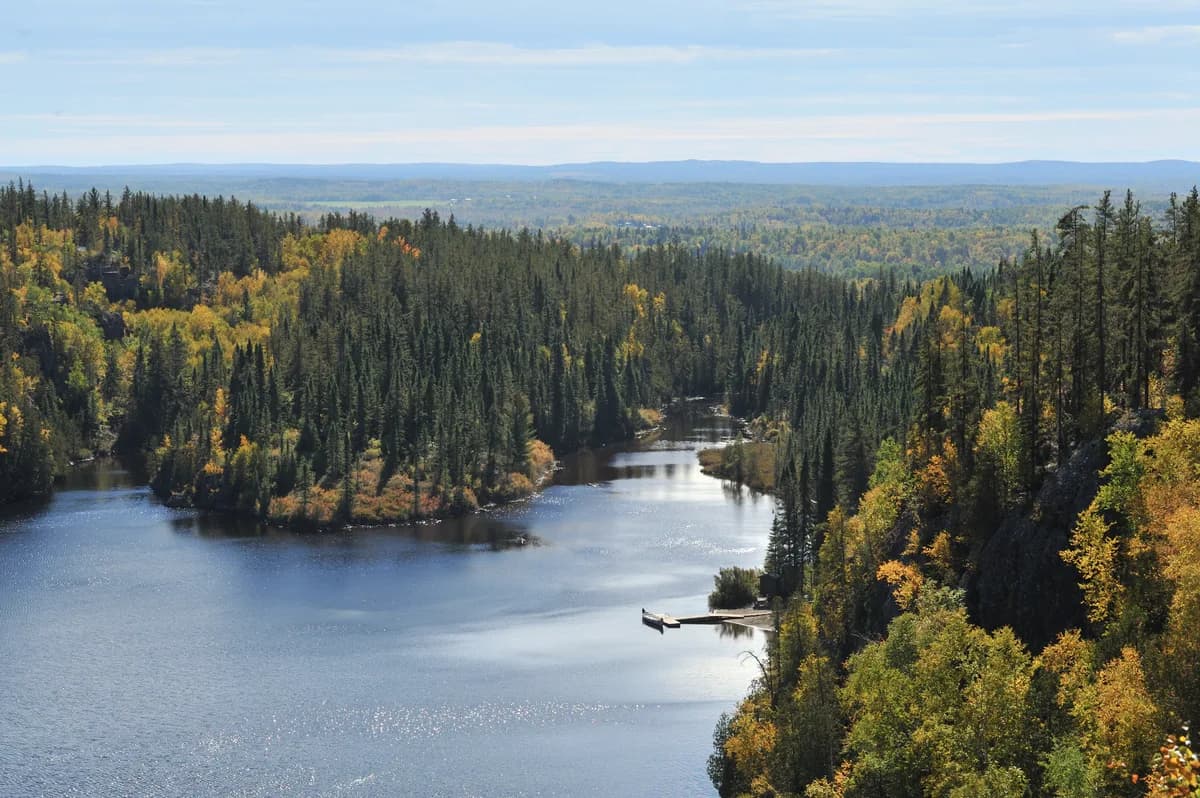
Aiguebelle National Park
Located at the geographic heart of the quadrilateral formed by Val-d'Or, Amos, Rouyn-Noranda, and La Sarre, this park, created in 1985, protects the Abitibi clay belt and the Abijévis hills, right along the watershed divide between Hudson Bay and the St. Lawrence.
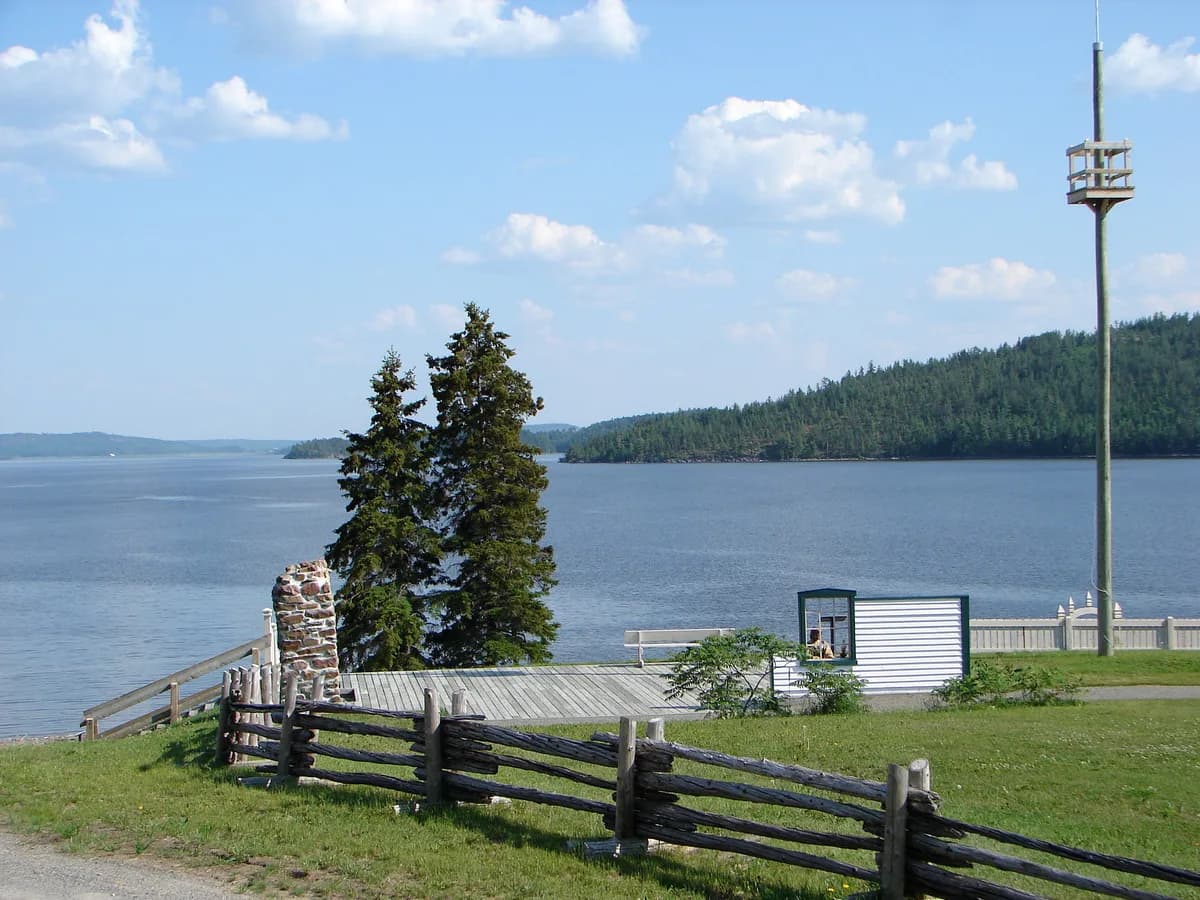
Fort-Témiscamingue–Obadjiwan National Historic Site
A fur-trading post frequented by the Algonquin for centuries, this historic site on the shore of Lake Témiscamingue traces more than two centuries of French, then British, occupation, built around a strategic location at the crossroads of northern trade routes.
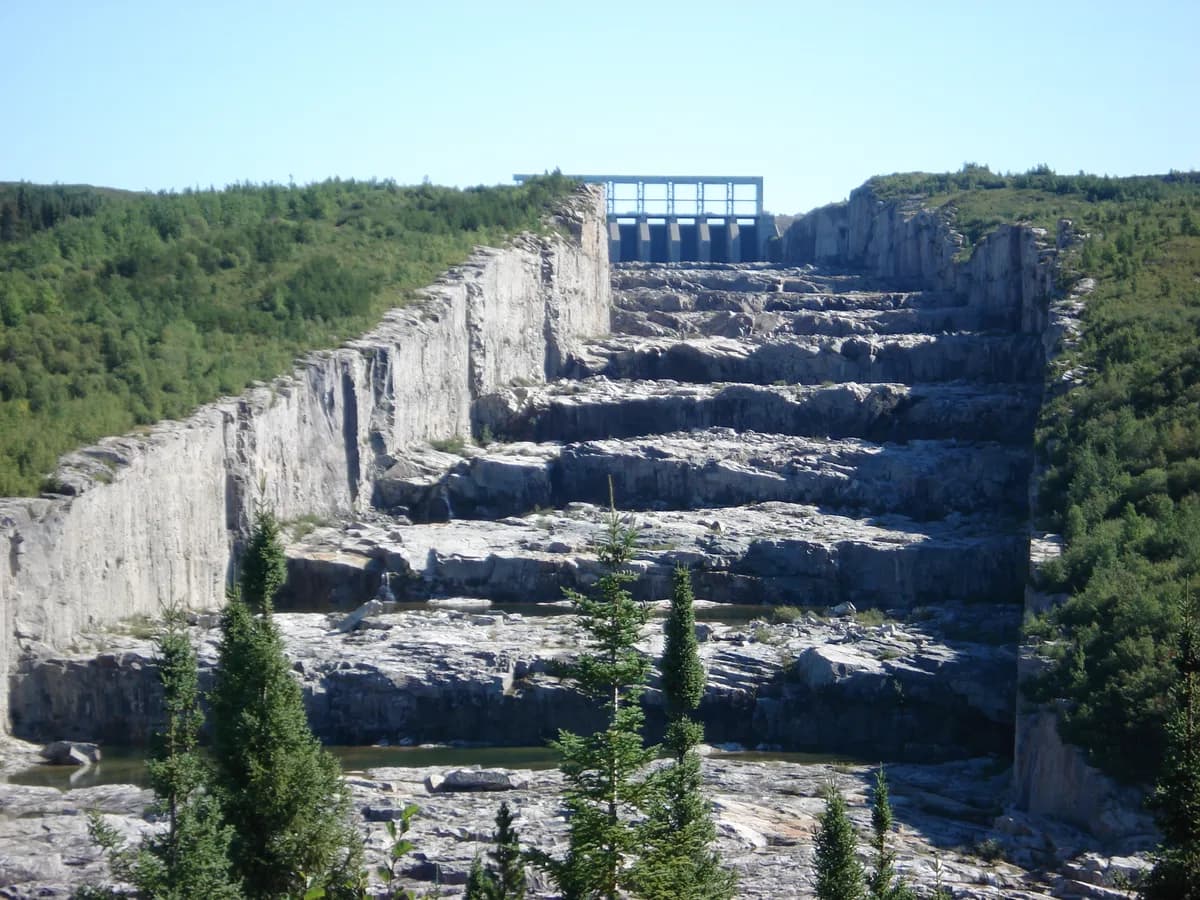
Robert-Bourassa Generating Station
Formerly known as La Grande-2, this hydroelectric power station, buried more than 140 metres underground, is the world's largest underground power station and North America's largest single energy production site.
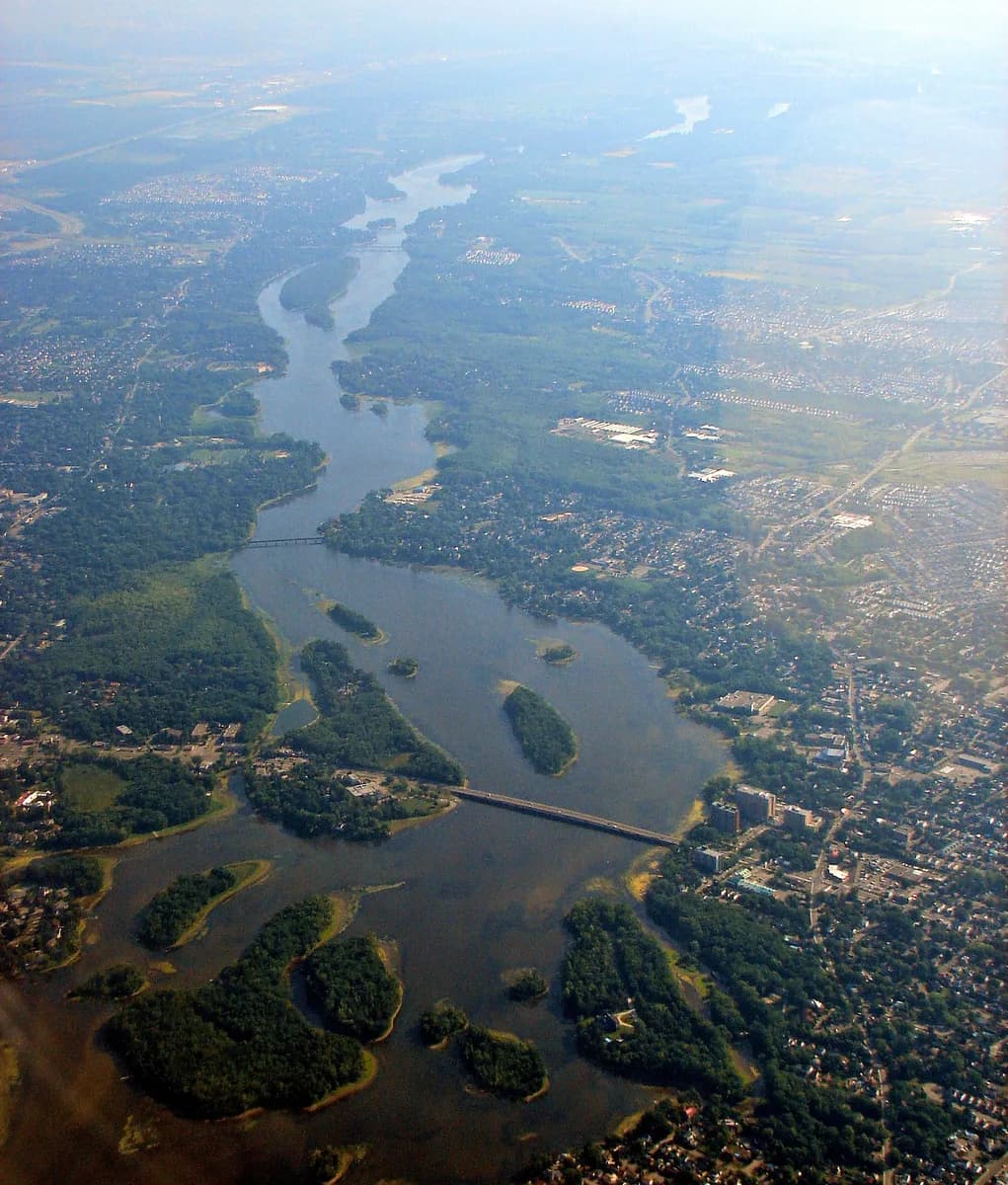
Parc de la Rivière-des-Mille-Îles
The largest protected wildlife area in the greater metropolitan region, this park, managed by the Éco-Nature organization, evokes the bayous of Louisiana with its marsh and swamp-forest landscape, offering exploration by canoe, kayak, or narrated cruise through its island archipelago.
Centre de la nature de Laval
Built on the site of a former quarry, this multi-hectare municipal park organized around an artificial lake combines paved walking trails, a botanical garden, a small children's farm, a pony carousel, and an astronomical observatory.
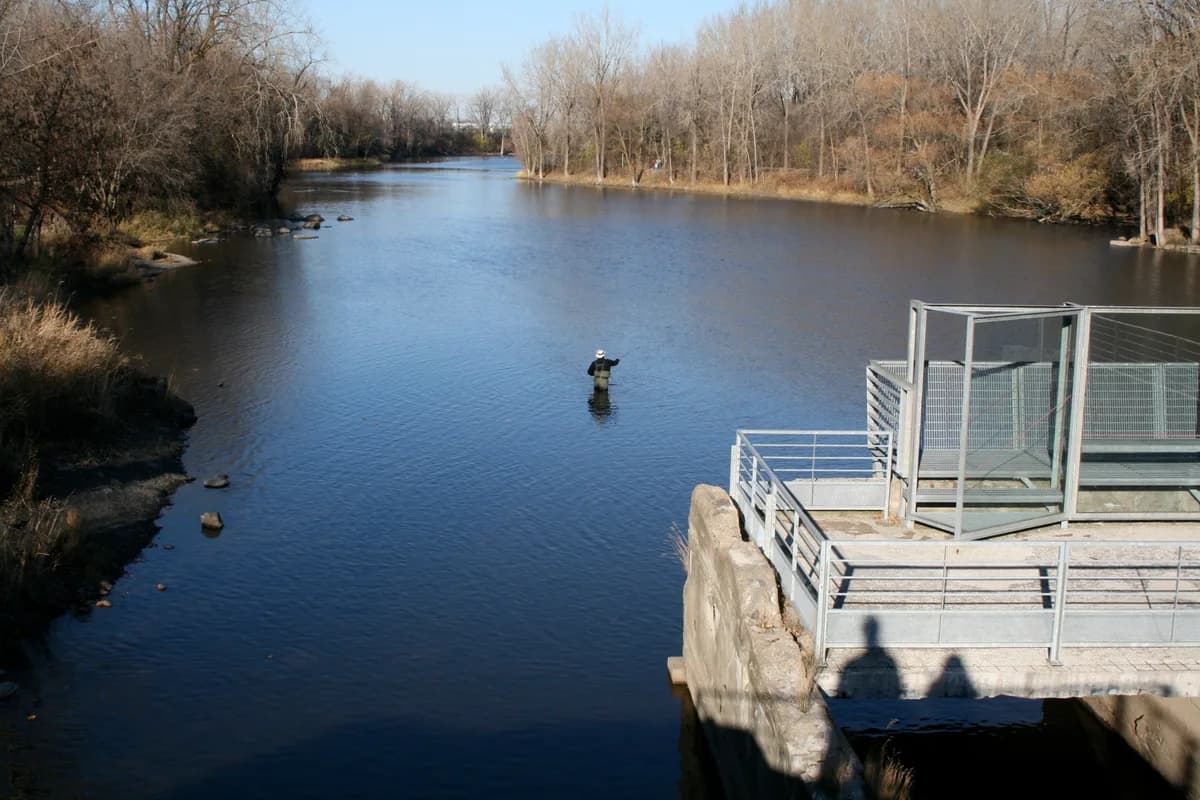
Île de la Visitation
A small island nestled at the confluence of the Rivière des Prairies, this nature park preserves the remains of a former seigneurial mill and offers a heritage and nature trail popular for hiking and riverside wildlife watching right in the heart of the city.
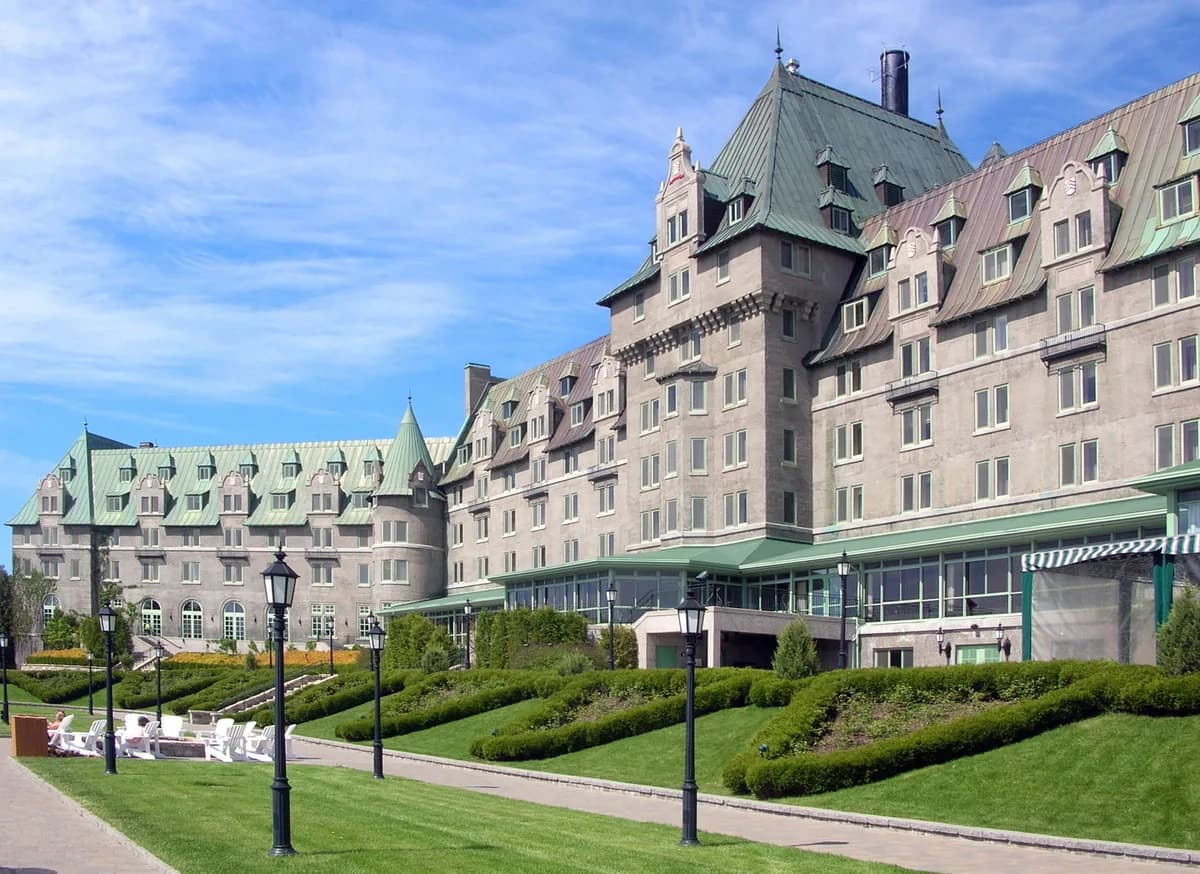
Fairmont Le Manoir Richelieu
Perched on a cliff overlooking the St. Lawrence for more than 125 years, this iconic Charlevoix château hotel, next door to the Casino de Charlevoix, remains one of Québec's most prestigious and photographed properties.
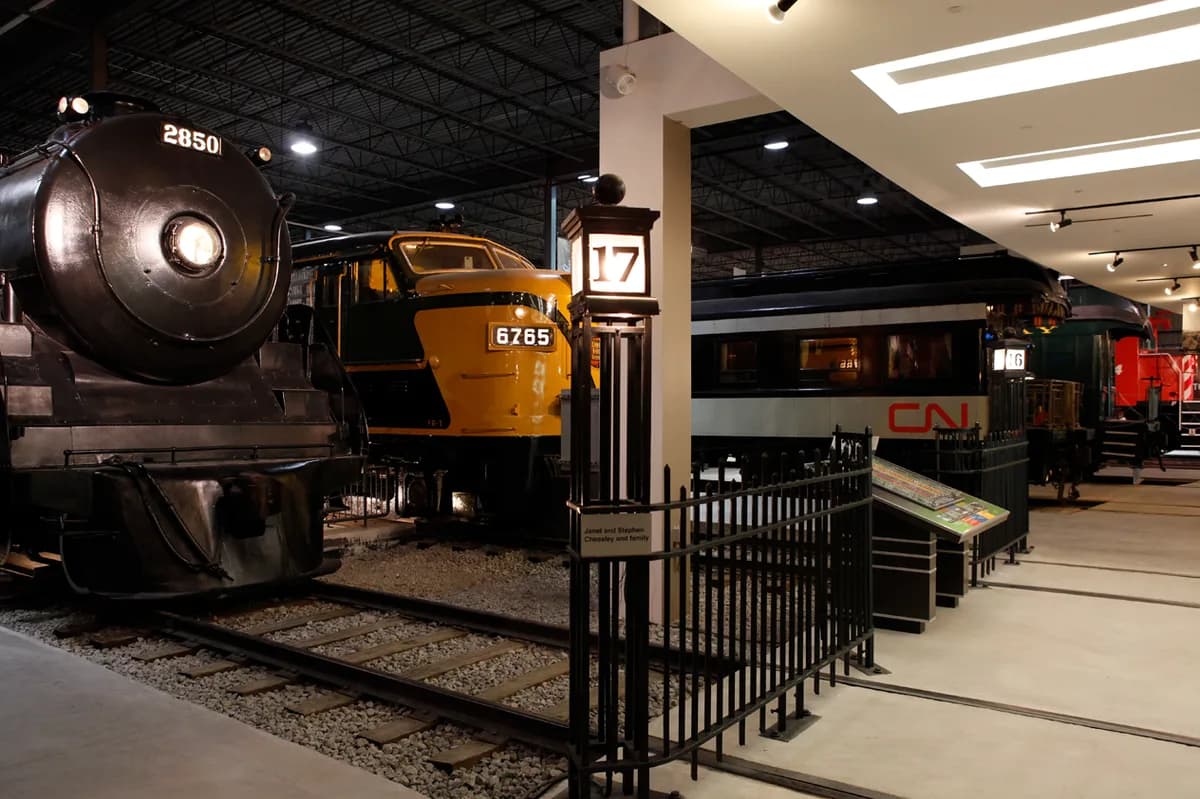
Exporail, the Canadian Railway Museum
Home to Canada's most important railway collection, with more than 160 full-size vehicles, this Montérégie museum lets visitors ride aboard a vintage streetcar, a passenger train, and a miniature railway.
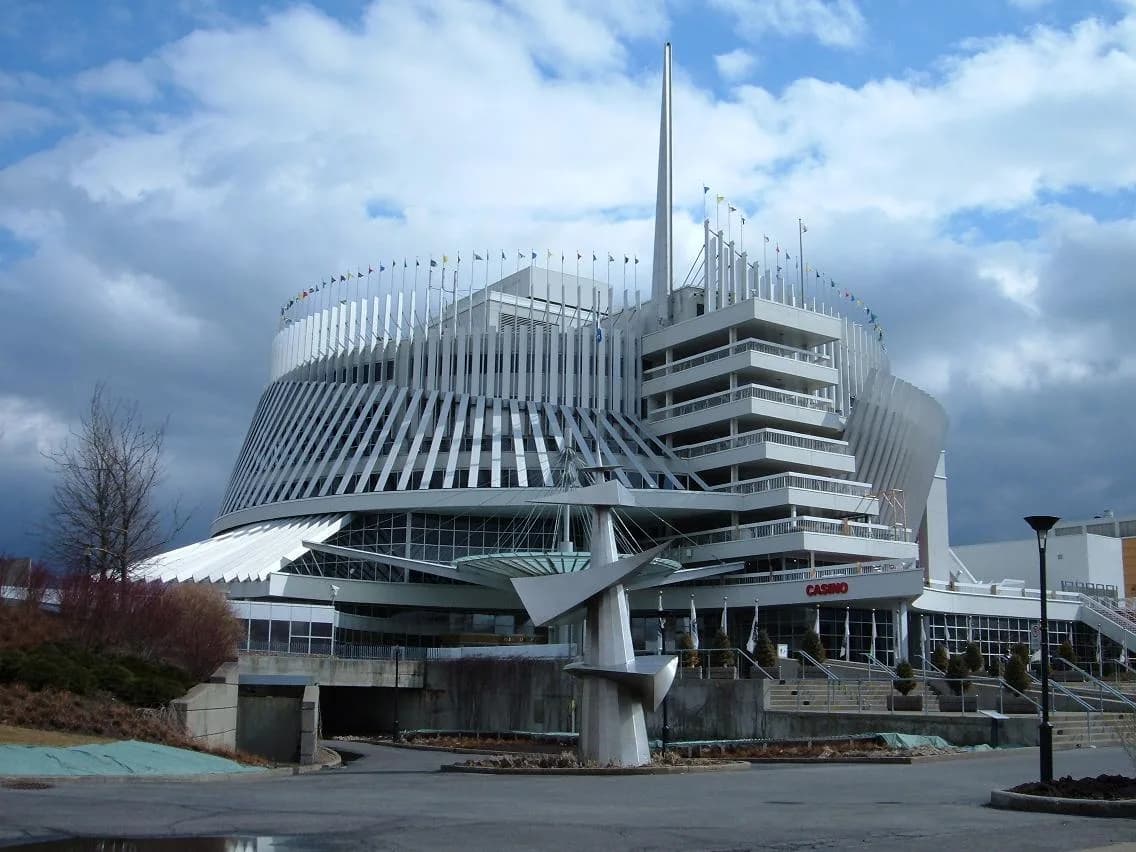
Casino de Montréal
Québec and Canada's largest casino, housed since 1993 in the former France and Québec pavilions from Expo 67 on Île Notre-Dame, this property welcomes more than six million visitors annually in a unique architectural setting.
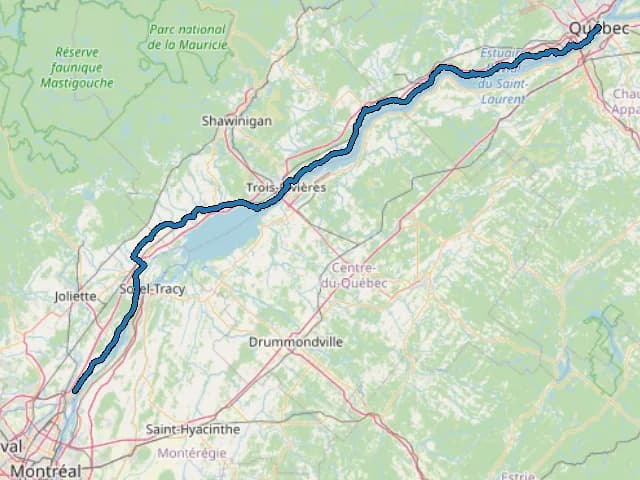
Chemin du Roy
North America's first carriage road, opened in 1737 between Montréal and Québec City, this historic route, now Route 138, remains a popular tourist itinerary linking riverside villages, seigneurial manors, and viewpoints over the St. Lawrence River.
Looking for a guided tour?
Explore Québec with a local guide
Guided tours, excursions and unforgettable experiences — book easily via Viator.
Browse guided tours →