
Grande Guida del Québec
Guida turistica
Scoprite una selezione di quasi 200 luoghi imperdibili da visitare in Québec.
Browse by activity
16 risultati
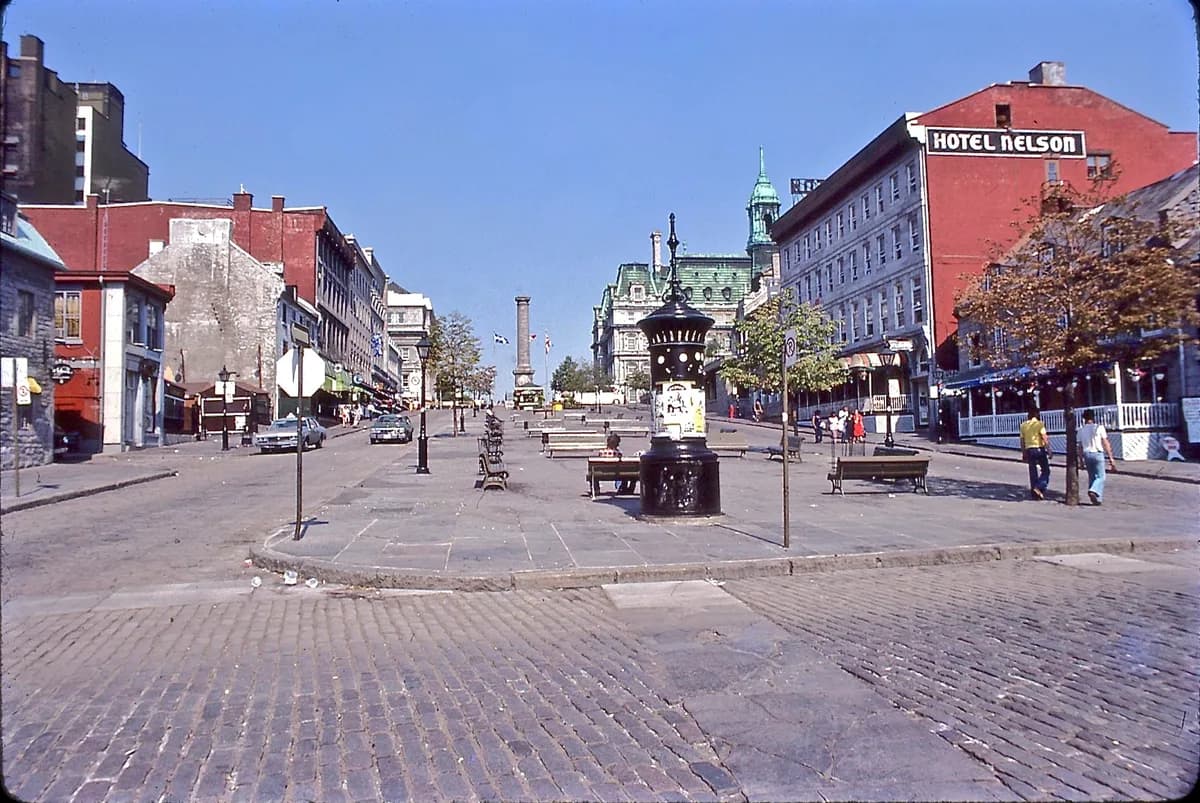
Old Montréal and Place Jacques-Cartier
The historic and touristic heart of Montréal, Place Jacques-Cartier is a gently sloping cobblestone esplanade lined with restaurants and 19th-century buildings, linking City Hall to the Old Port.
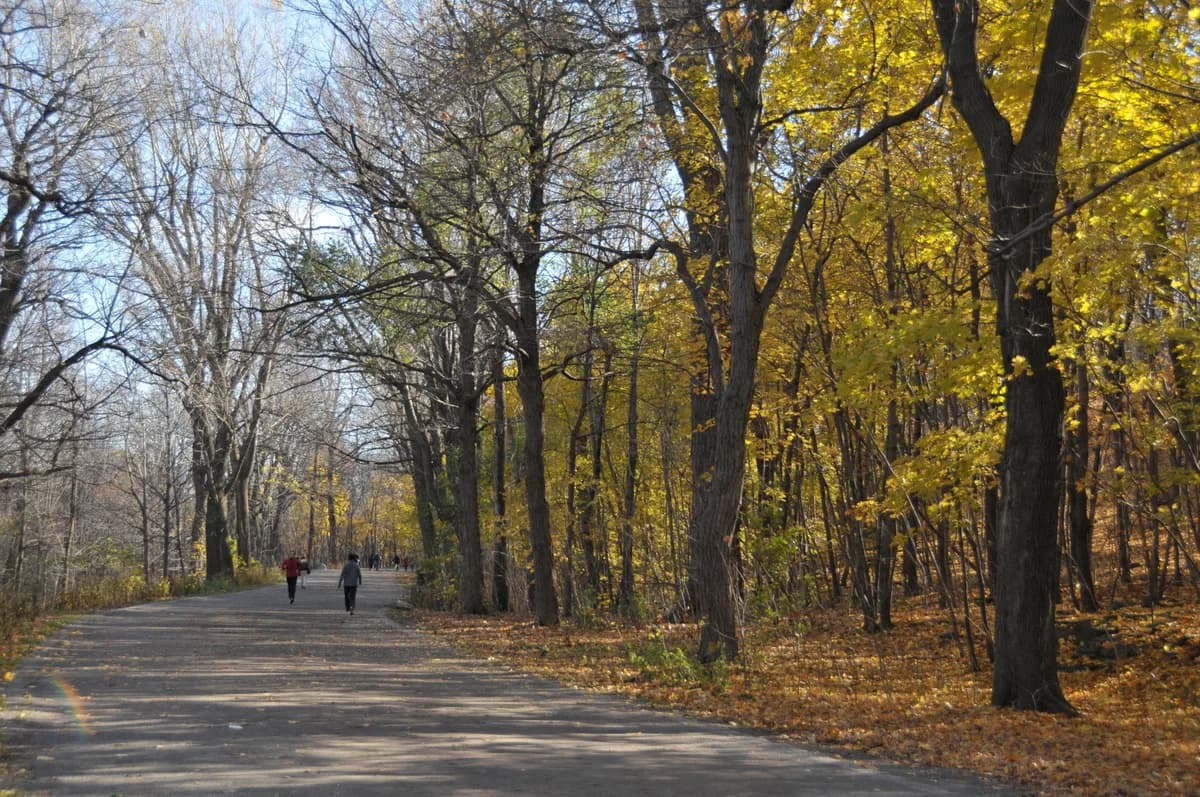
Mount Royal Park
A vast green space designed by famed landscape architect Frederick Law Olmsted (also the designer of New York's Central Park), Mount Royal offers spectacular views over the city and is home to the Kondiaronk lookout, the park's most visited spot.
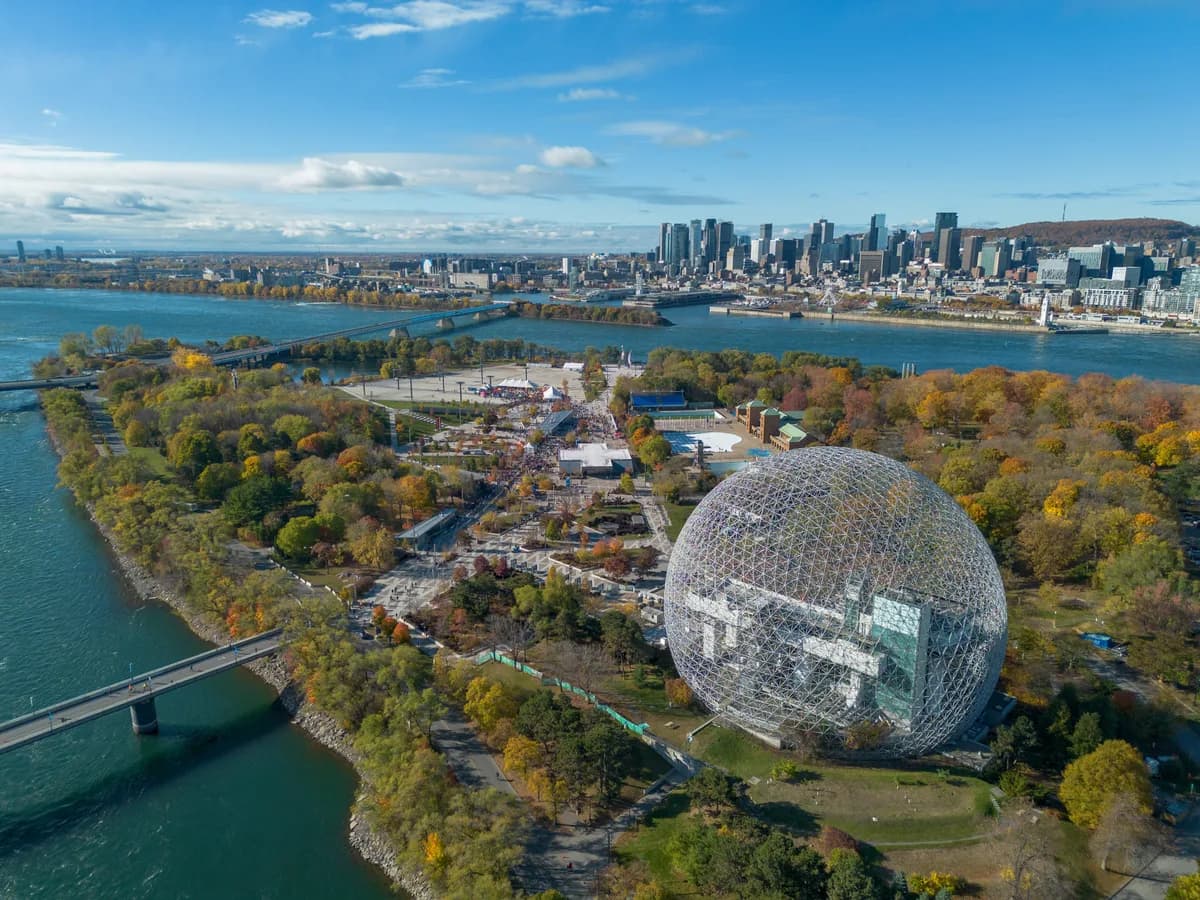
Jean-Drapeau Park (Saint Helen's Island and Notre Dame Island)
An archipelago of islands built up in the St. Lawrence, host of the 1967 World's Fair and today a public park home to the Biosphère, the Formula 1 racetrack, and La Ronde amusement park.
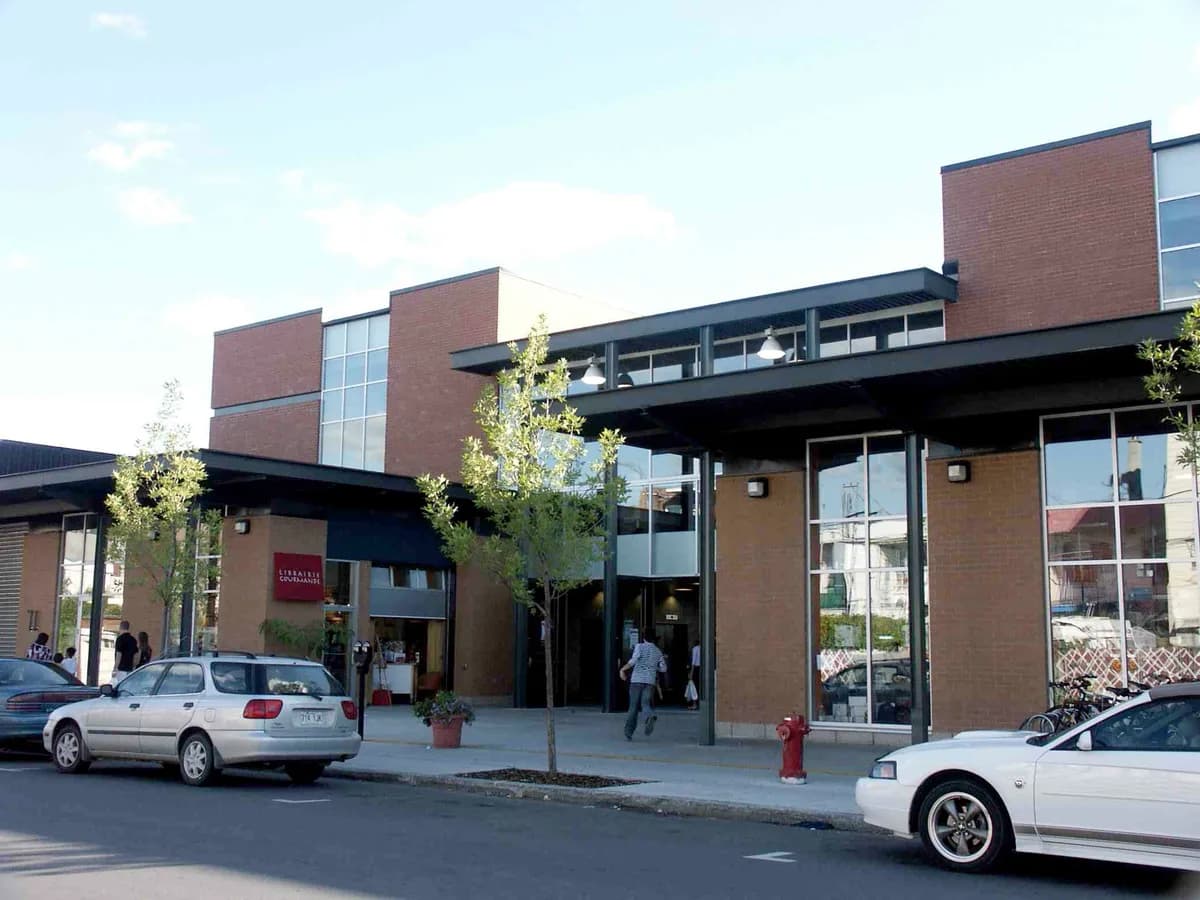
Jean-Talon Market
One of the largest open-air public markets in North America, at the heart of Little Italy, where market gardeners, cheesemakers, and culinary artisans have gathered since 1933.
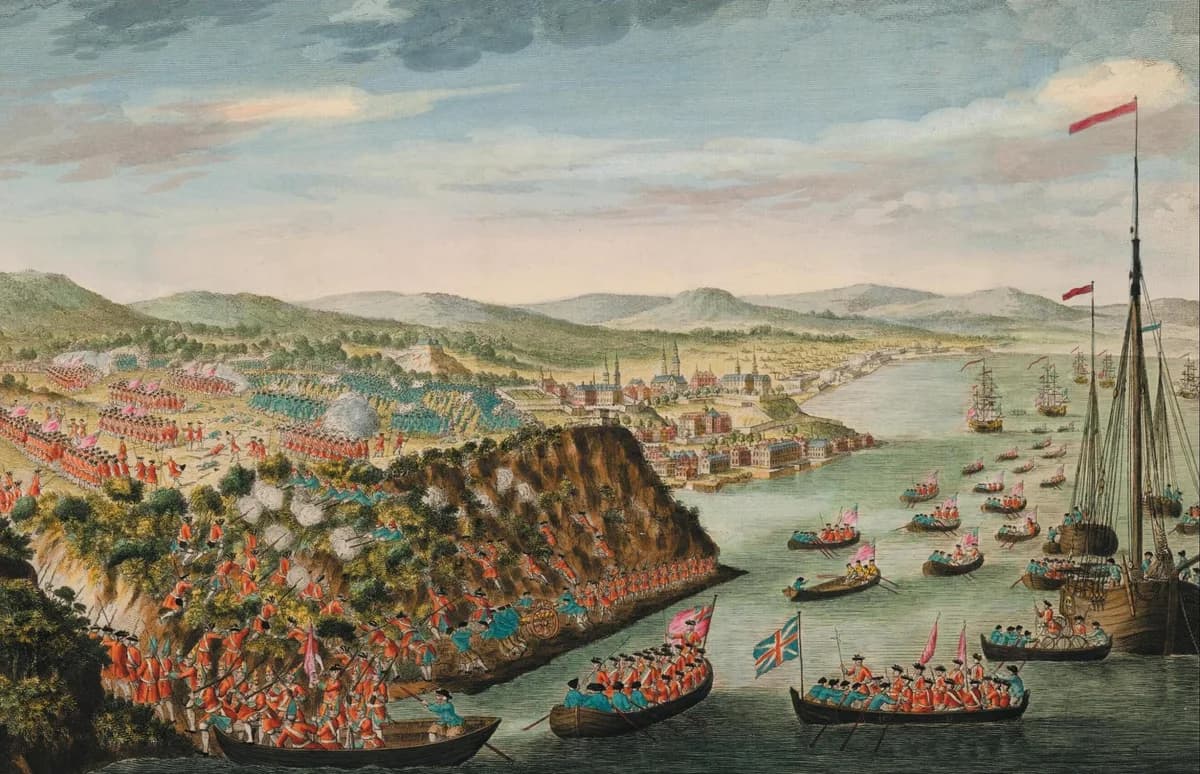
Battlefields Park (Plains of Abraham)
Canada's first national historic park, the site of the decisive 1759 battle, the Plains of Abraham today form one of the most prestigious urban parks in the world, often compared to Central Park or Hyde Park.
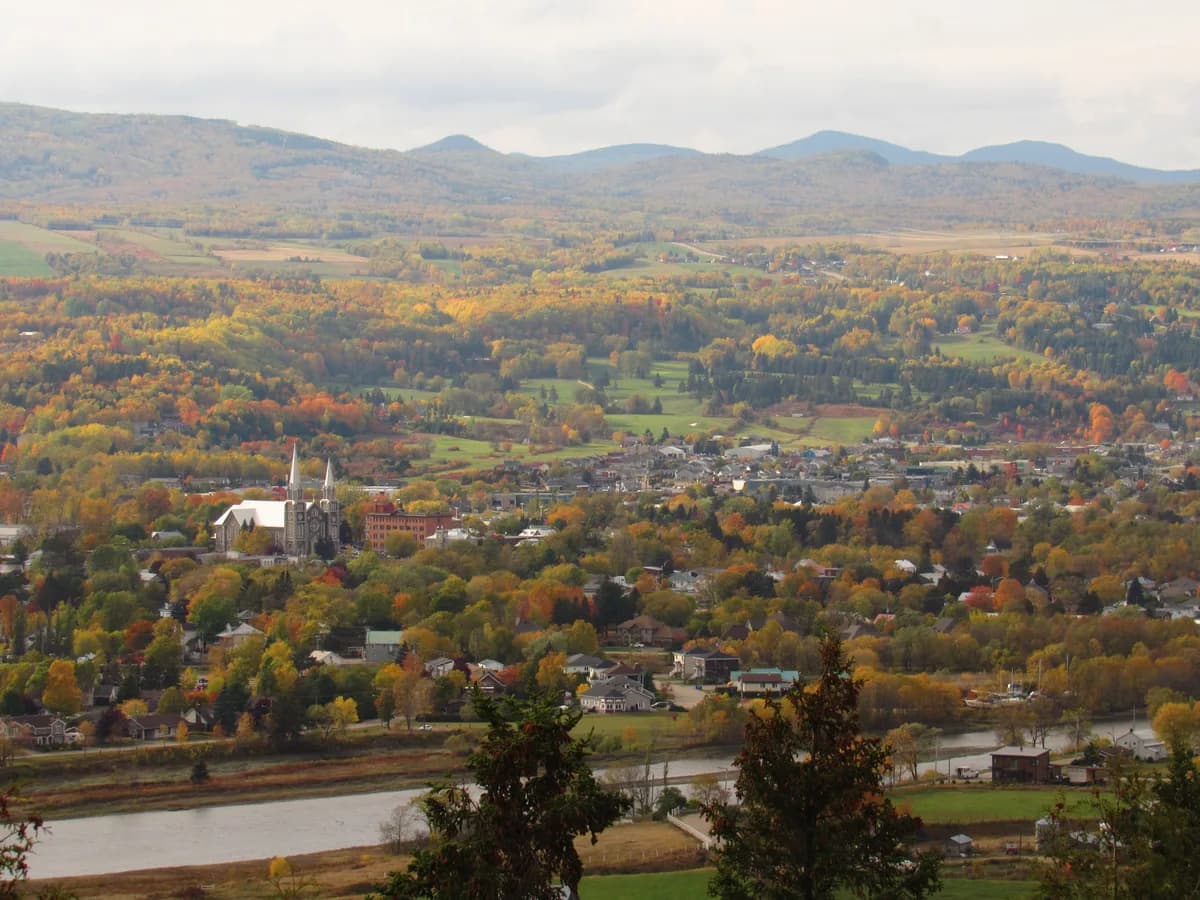
Baie-Saint-Paul and Rue Saint-Jean-Baptiste
An artistic cradle nestled in a picturesque valley, Baie-Saint-Paul concentrates an exceptional density of art galleries along its main street, making this village the historic starting point of Cirque du Soleil.
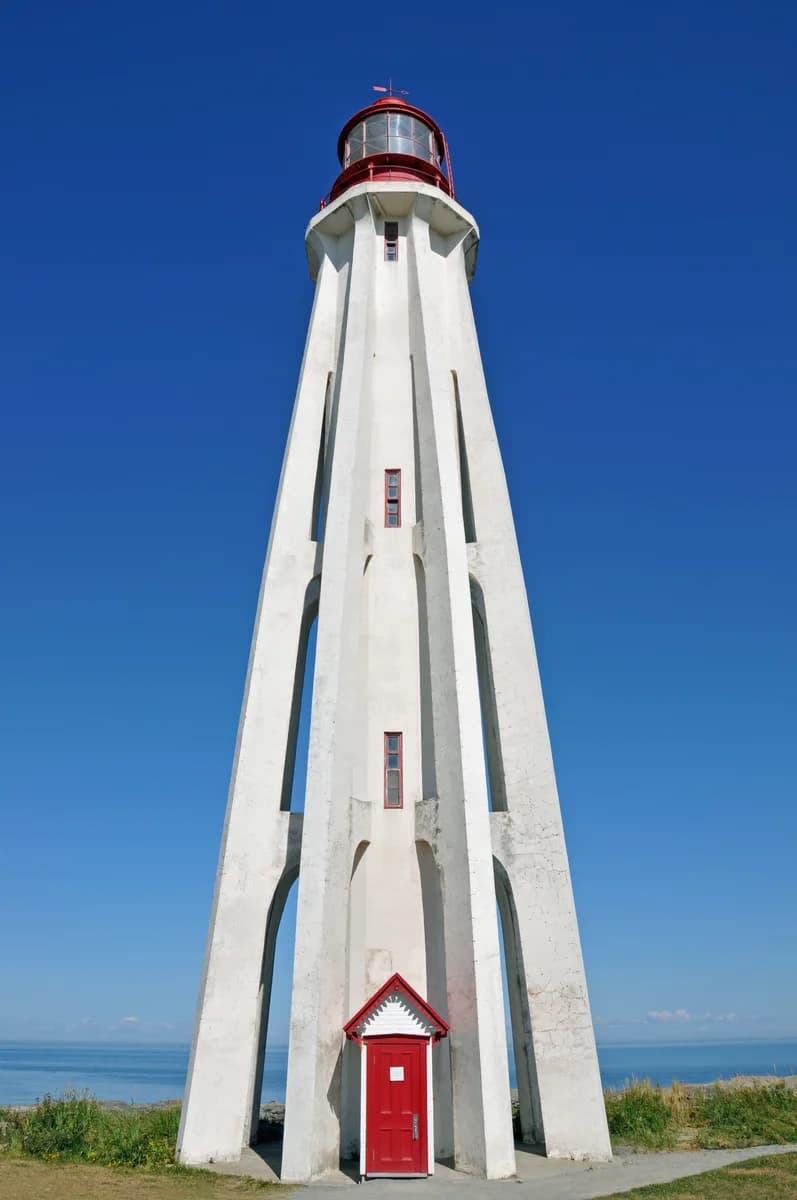
Pointe-au-Père Maritime Historic Site
Combining Canada's second-tallest lighthouse, a Cold War submarine open for tours, and a museum devoted to the tragic sinking of the Empress of Ireland, this site offers one of Québec's most complete maritime history experiences.
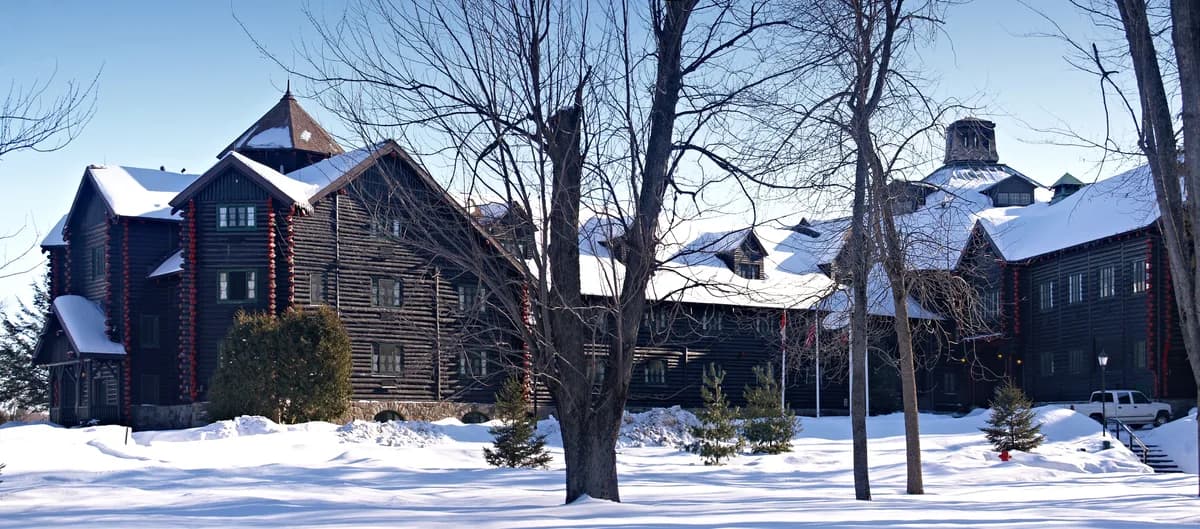
Fairmont Le Château Montebello
Built in just four months in 1930 as a private club for a North American elite, this log château—the largest of its kind in the world—remains an emblematic symbol of rustic Québec hospitality.
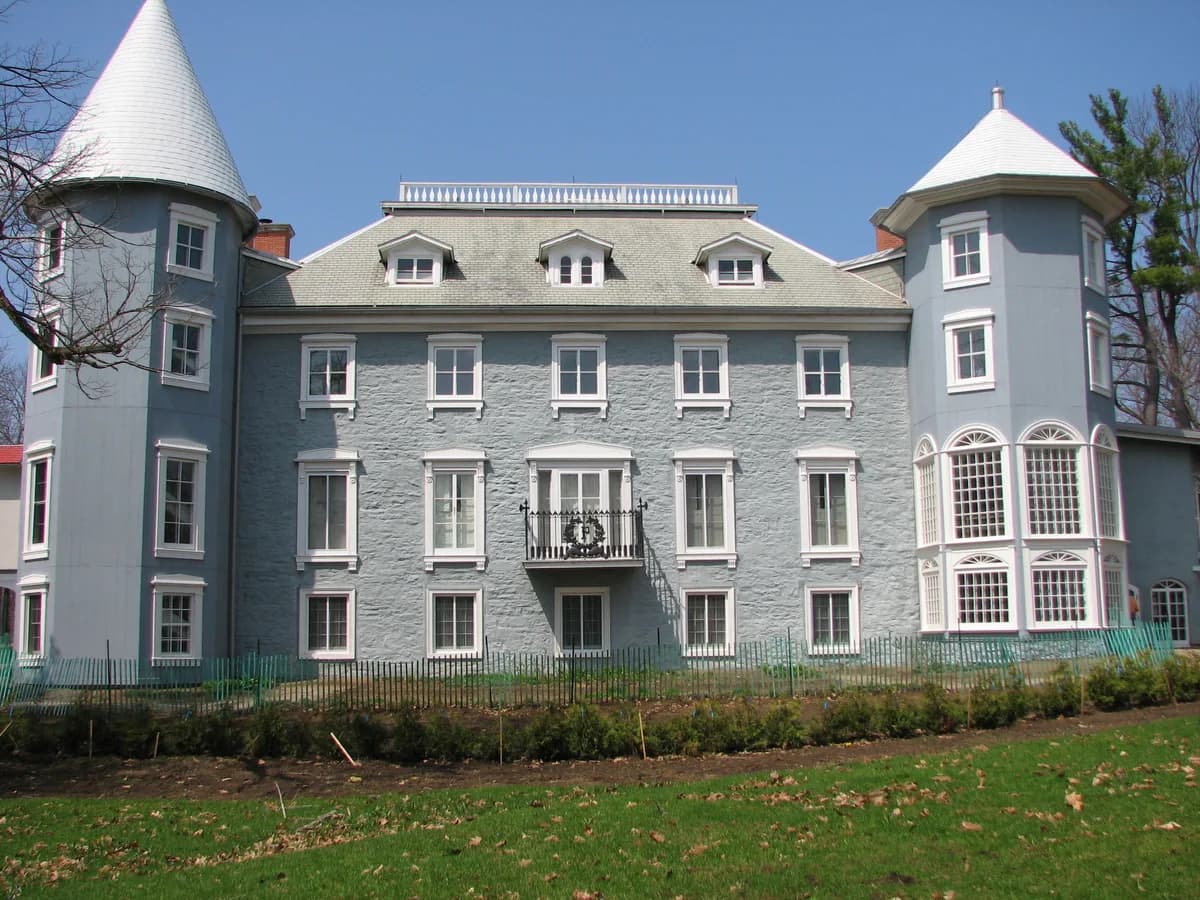
Manoir-Papineau National Historic Site
The former seigneurial residence of Louis-Joseph Papineau, undisputed leader of the 1830s Patriote movement, this manor and its estate bear witness to the landed aristocracy that marked Lower Canada's political history.
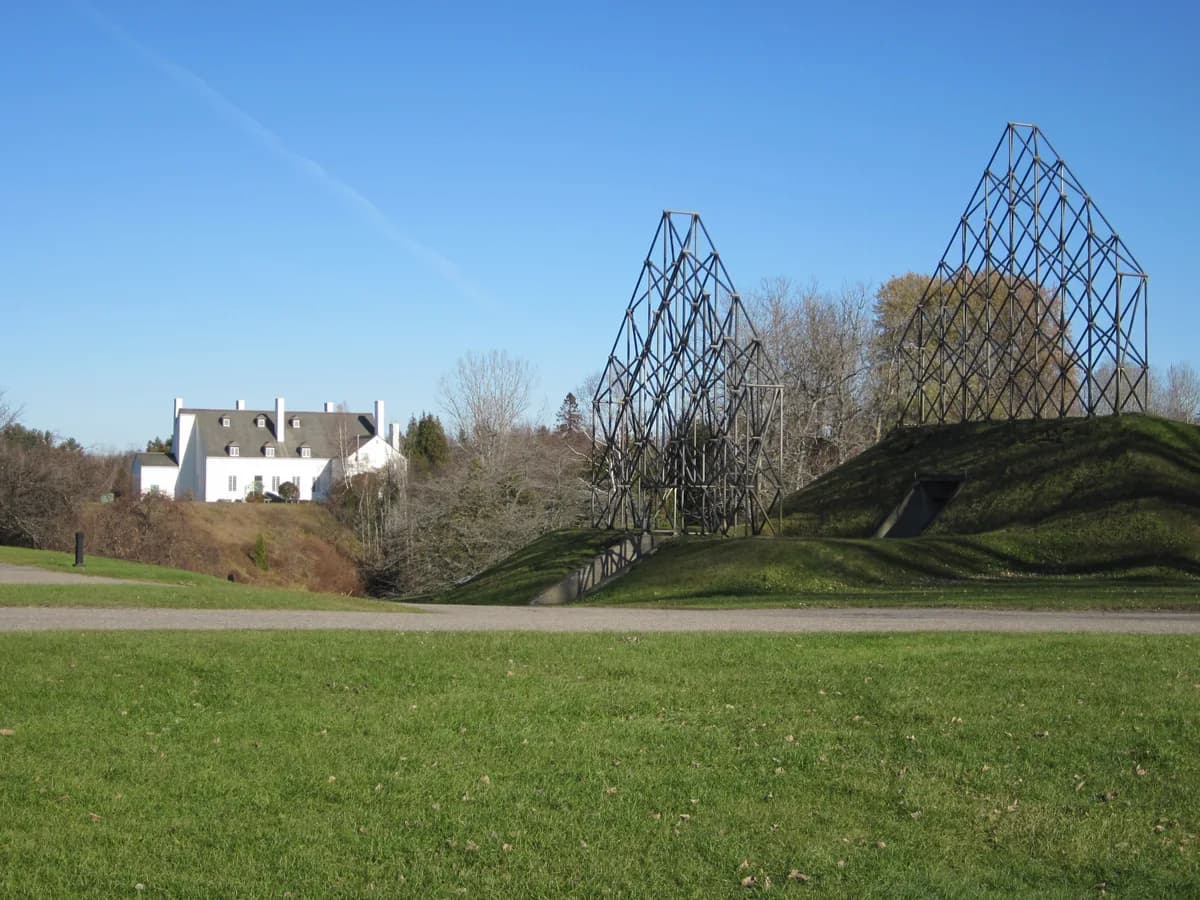
Forges du Saint-Maurice National Historic Site
The birthplace of Canadian steelmaking, founded in 1730, this national site preserves the archaeological remains of North America's first blast furnaces, where iron and cast iron were produced from ore mined in the surrounding marshes.
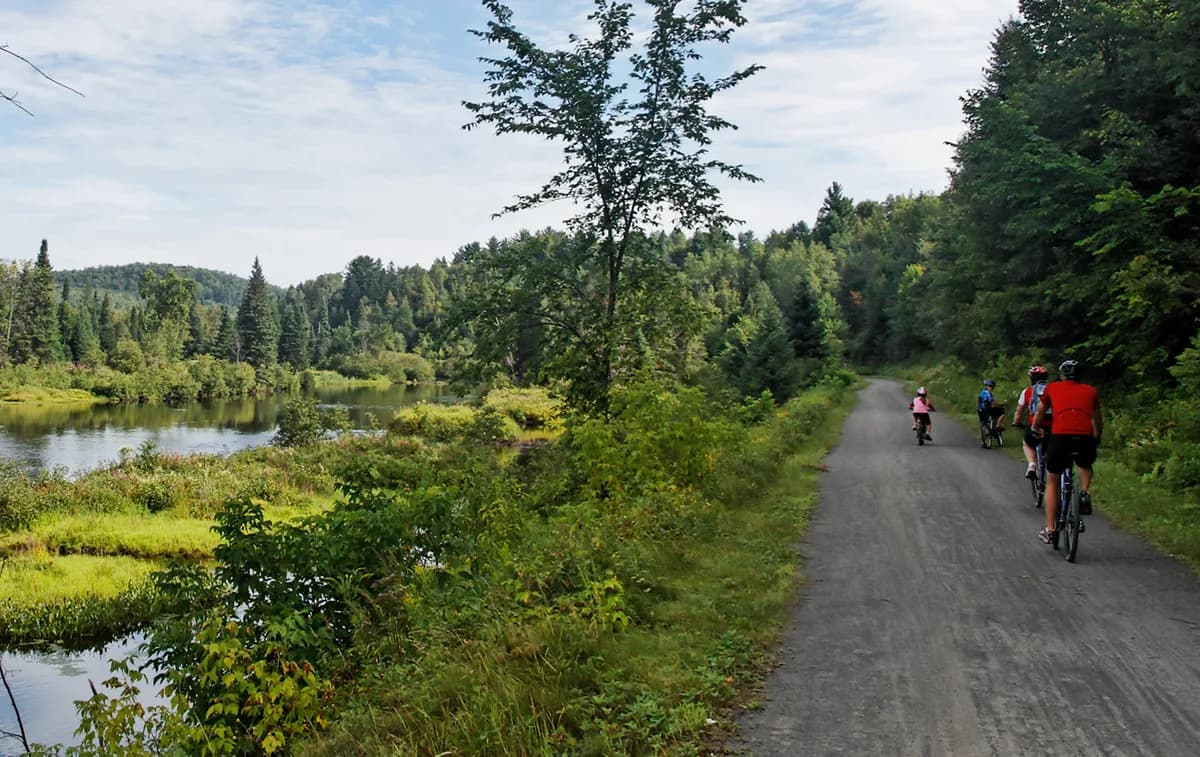
Le P'tit Train du Nord Linear Park
Canada's longest linear park at 234 kilometres, this trail built on a former railway line crosses the entire Laurentian territory from Montréal's northern suburbs to Mont-Laurier, dotted with heritage stations converted into tourist rest stops.
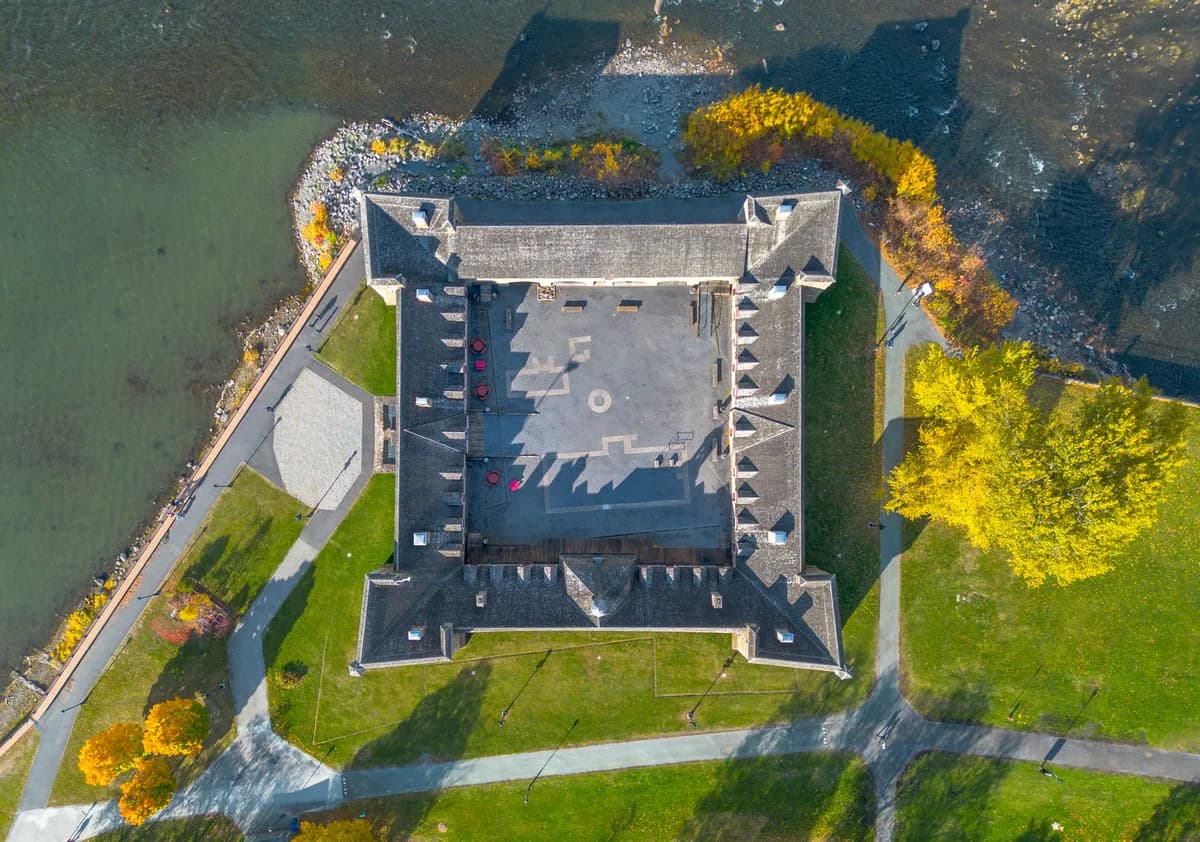
Fort Chambly National Historic Site
Built of stone in 1711 at the foot of the Richelieu rapids, after three successive wooden forts, this fortification was a pillar of New France's defence against British invasions coming from Lake Champlain.
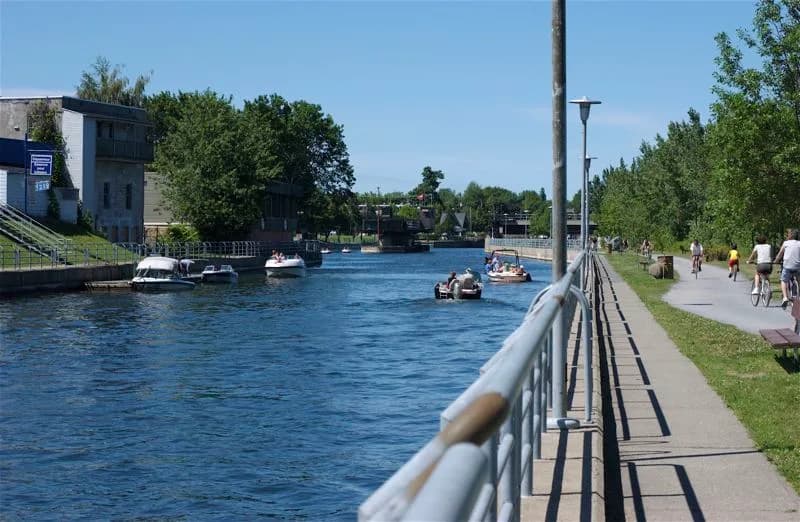
Chambly Canal National Historic Site
North America's first fortified lock structure and a direct ancestor of the St. Lawrence Seaway, this 20 km canal with nine locks links Chambly to Saint-Jean-sur-Richelieu, bypassing the river's historic rapids.
Brome-Missisquoi and Richelieu Valley Wine Route
A network of vineyards, cideries, orchards, and chocolate makers spread along marked agritourism circuits, this gourmet route builds on Montérégie's historic farming vocation to offer a discovery of local terroirs through tastings and bucolic landscapes.
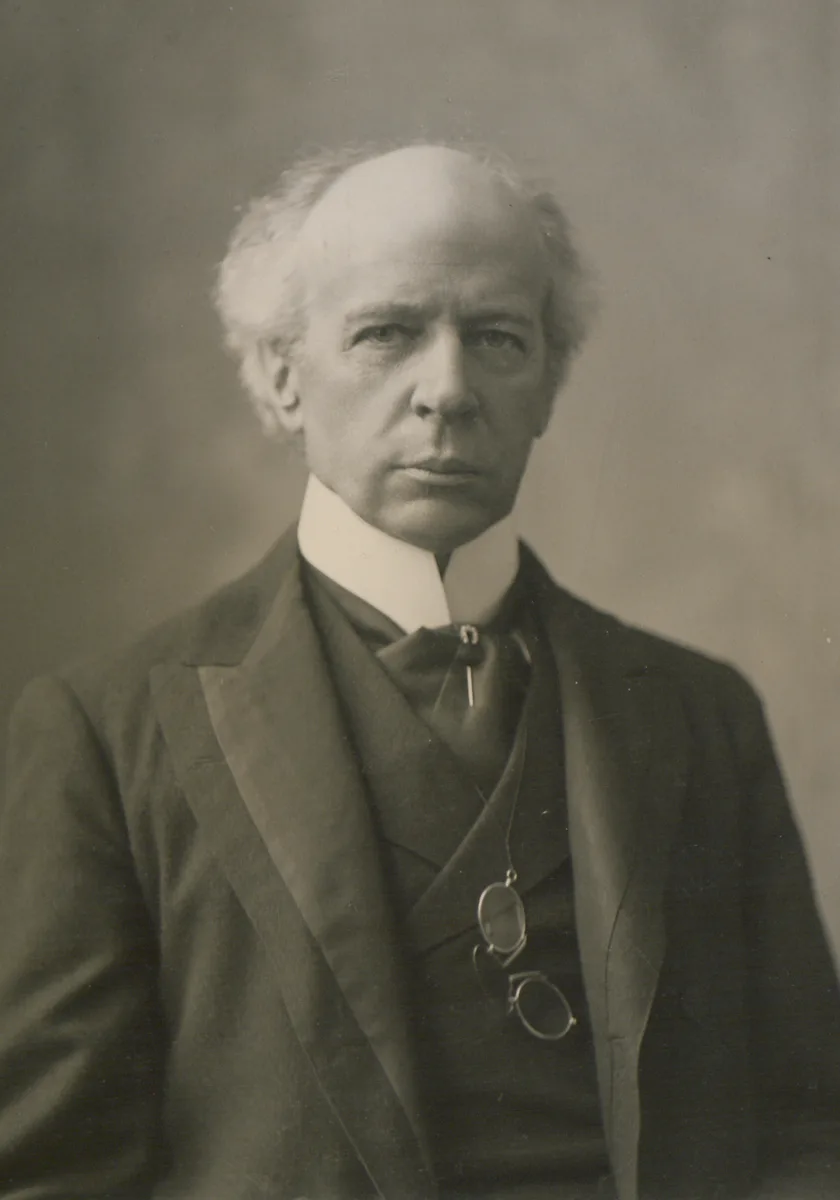
Musée Laurier — Wilfrid-Laurier House National Historic Site
The personal residence of Sir Wilfrid Laurier, the first French-Canadian to lead Canada's government, this elegant Italianate house, built in 1876, has housed since 1929 a museum devoted to the career of this statesman, the longest-serving prime minister in Canadian history.
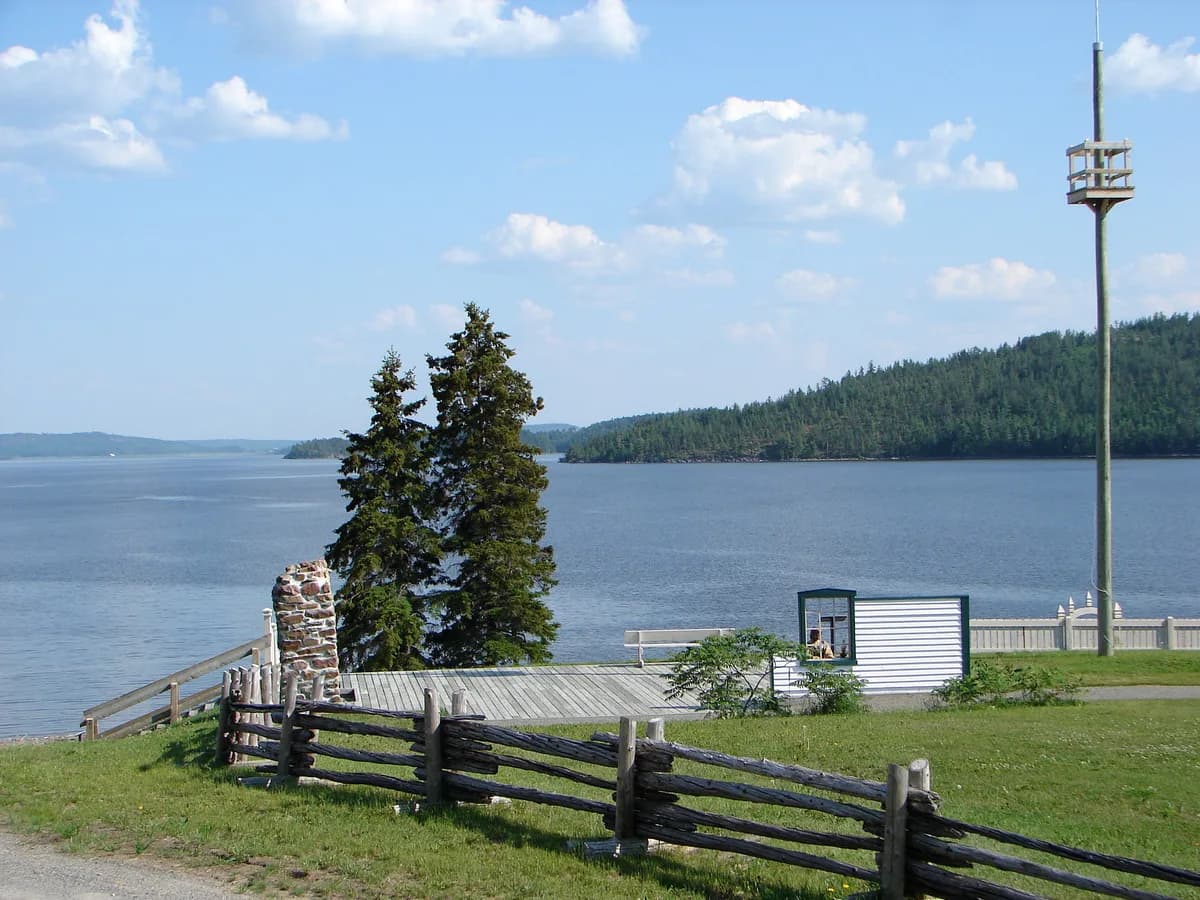
Fort-Témiscamingue–Obadjiwan National Historic Site
A fur-trading post frequented by the Algonquin for centuries, this historic site on the shore of Lake Témiscamingue traces more than two centuries of French, then British, occupation, built around a strategic location at the crossroads of northern trade routes.
Looking for a guided tour?
Explore Québec with a local guide
Guided tours, excursions and unforgettable experiences — book easily via Viator.
Browse guided tours →