
Gran Guía de Québec
Todos los sitios
200 sitios turísticos seleccionados
Browse by activity
47 resultados
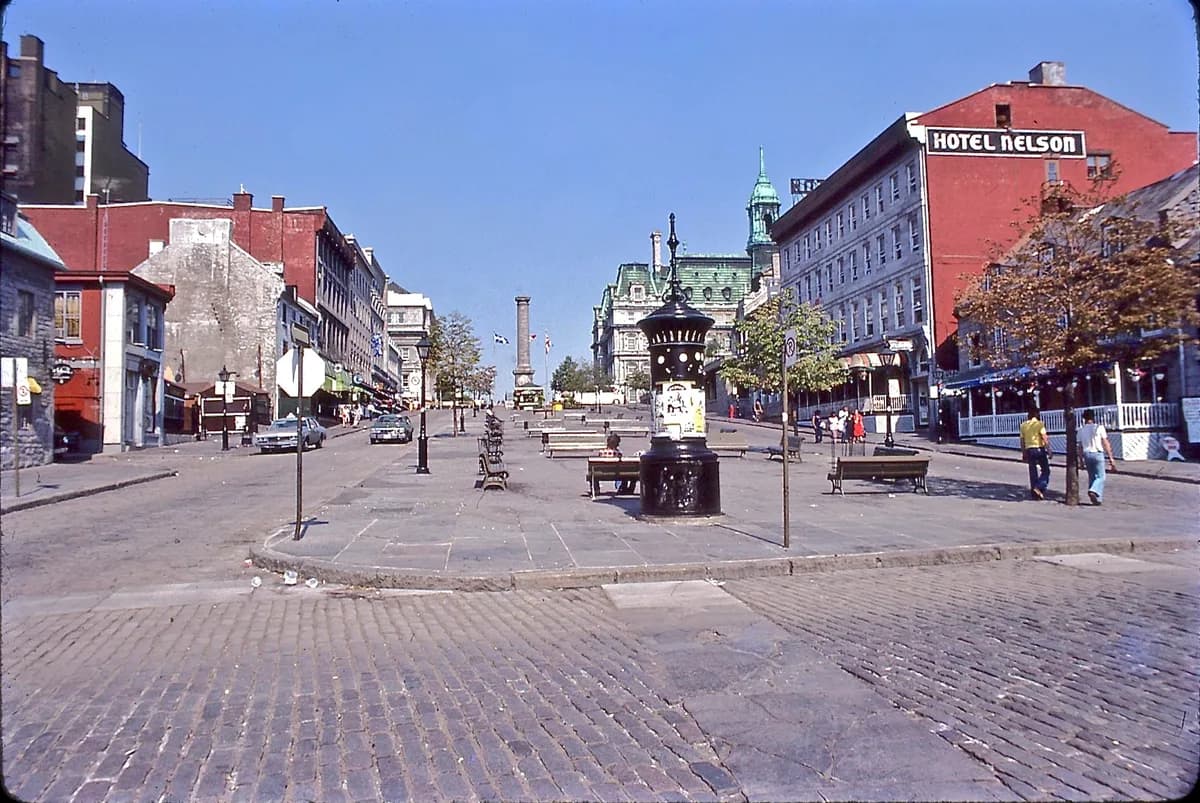
Old Montréal and Place Jacques-Cartier
The historic and touristic heart of Montréal, Place Jacques-Cartier is a gently sloping cobblestone esplanade lined with restaurants and 19th-century buildings, linking City Hall to the Old Port.
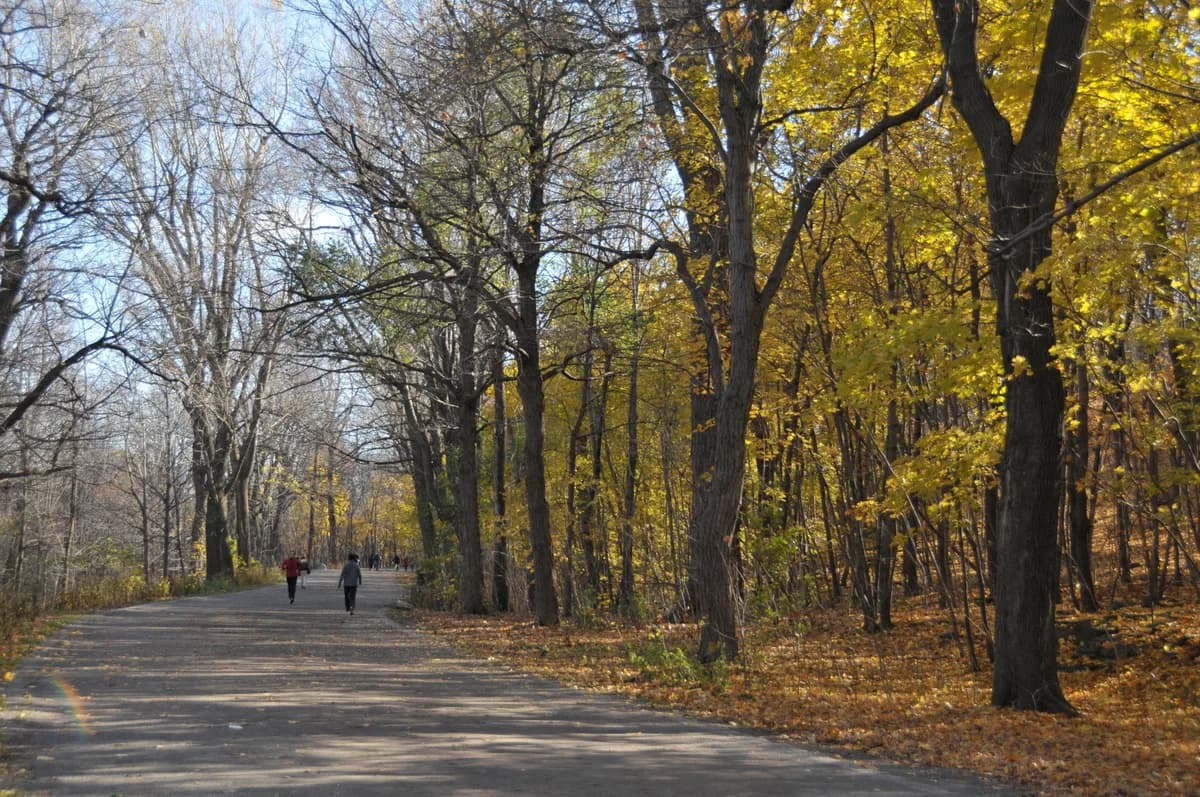
Mount Royal Park
A vast green space designed by famed landscape architect Frederick Law Olmsted (also the designer of New York's Central Park), Mount Royal offers spectacular views over the city and is home to the Kondiaronk lookout, the park's most visited spot.
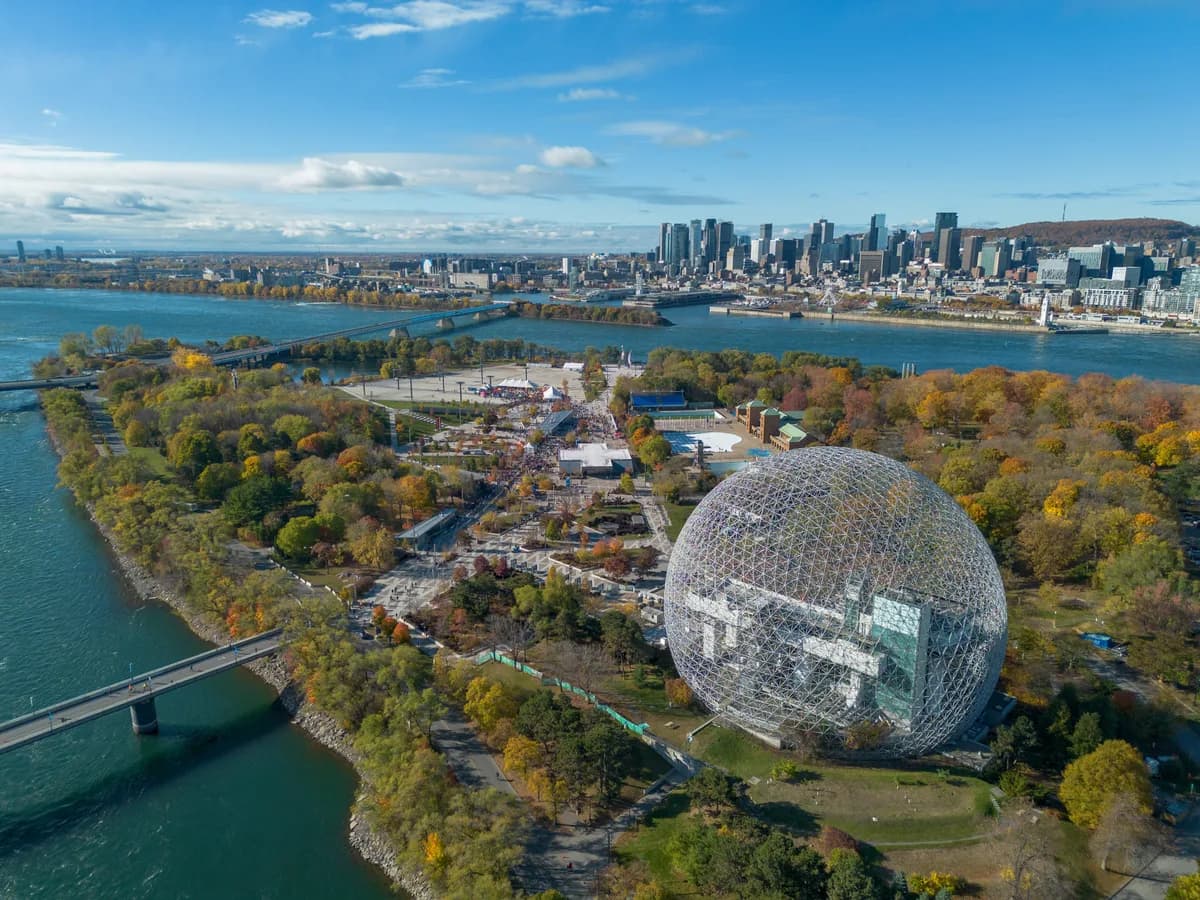
Jean-Drapeau Park (Saint Helen's Island and Notre Dame Island)
An archipelago of islands built up in the St. Lawrence, host of the 1967 World's Fair and today a public park home to the Biosphère, the Formula 1 racetrack, and La Ronde amusement park.
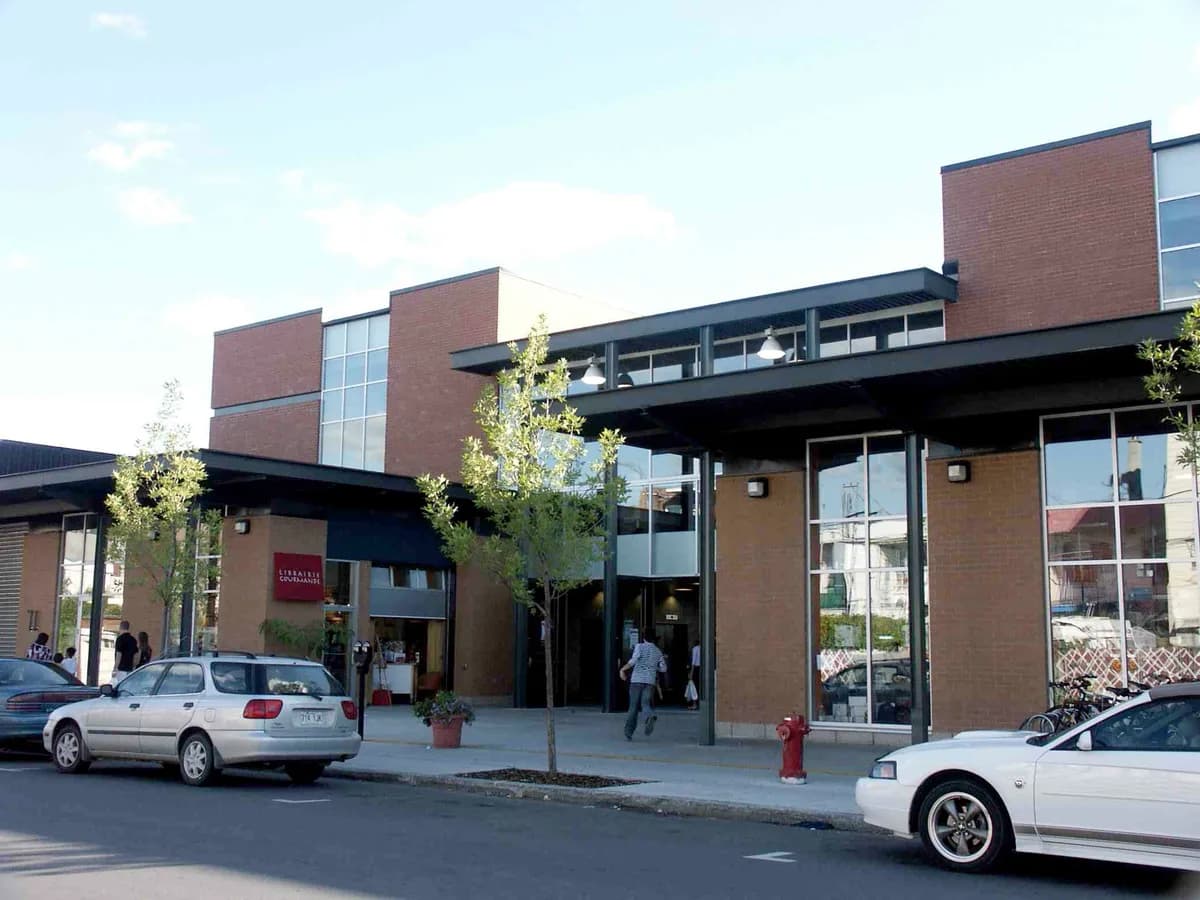
Jean-Talon Market
One of the largest open-air public markets in North America, at the heart of Little Italy, where market gardeners, cheesemakers, and culinary artisans have gathered since 1933.
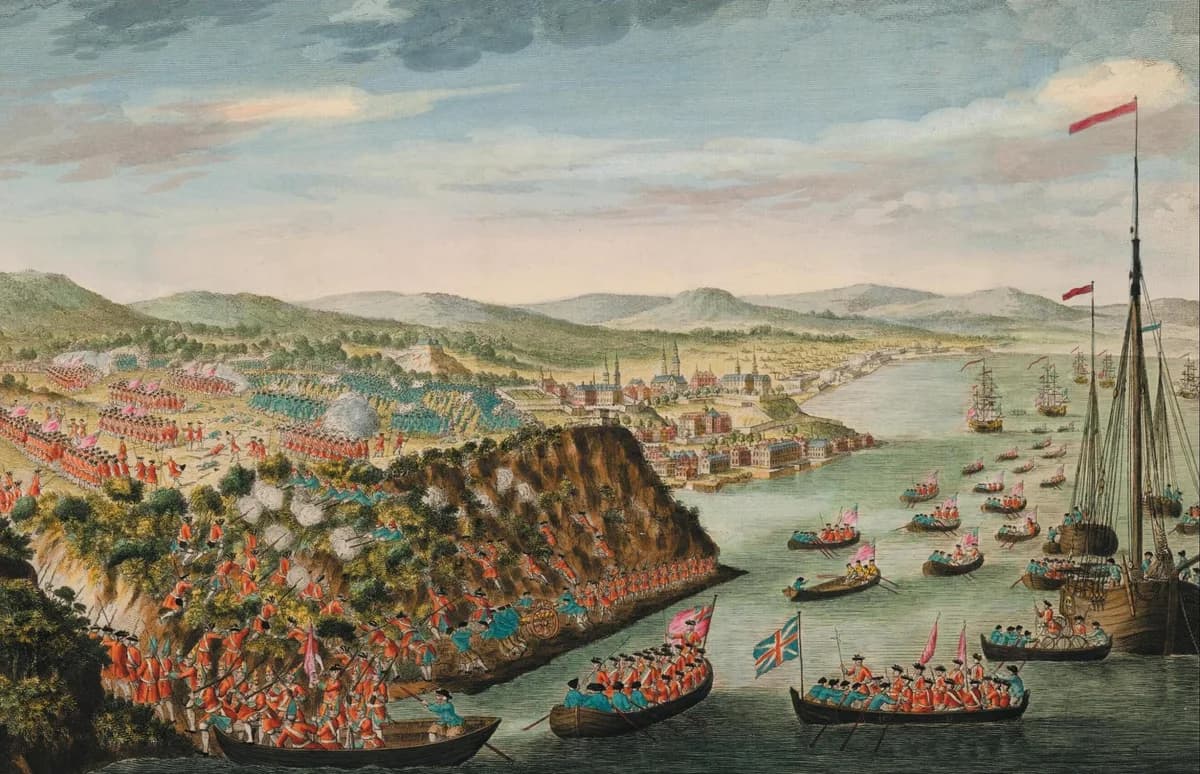
Battlefields Park (Plains of Abraham)
Canada's first national historic park, the site of the decisive 1759 battle, the Plains of Abraham today form one of the most prestigious urban parks in the world, often compared to Central Park or Hyde Park.
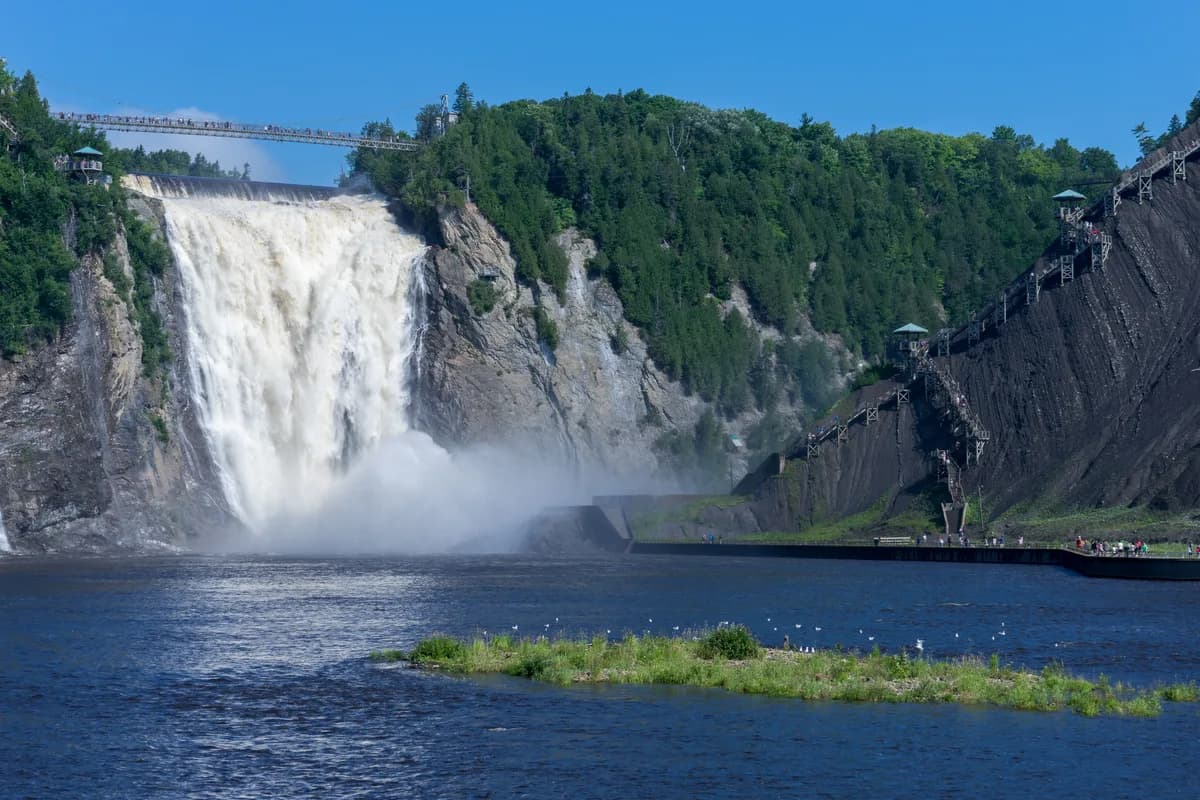
Montmorency Falls Park
At 83 metres, Montmorency Falls is higher than the famous Niagara Falls, and its cable car, suspension bridge, and panoramic staircase make it one of the most accessible natural sites in Québec.
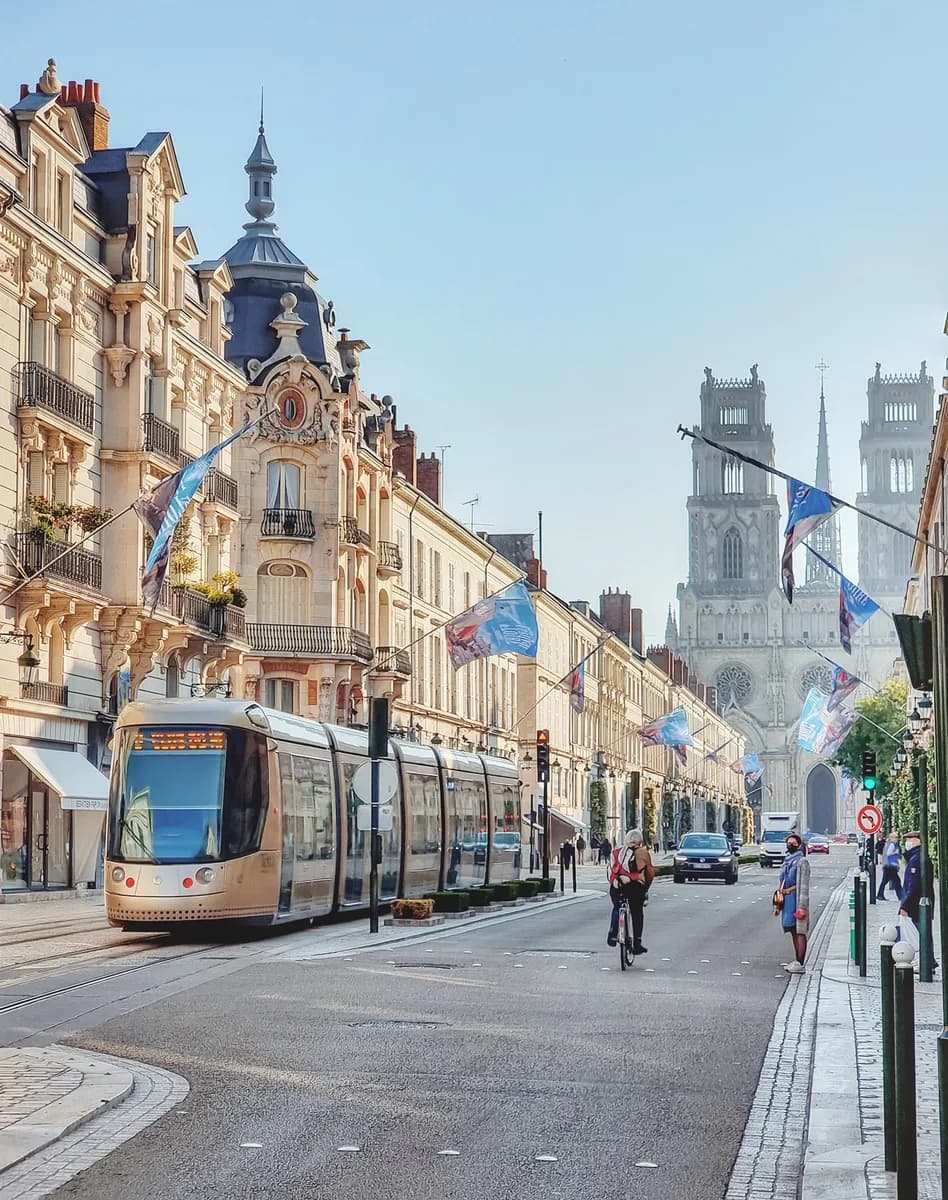
Île d'Orléans (Island Tour, Chemin Royal)
Cradle of several founding French-Canadian families, Île d'Orléans offers, just fifteen minutes from Québec City, a journey back in time through six traditional villages, orchards, vineyards, and market gardens.
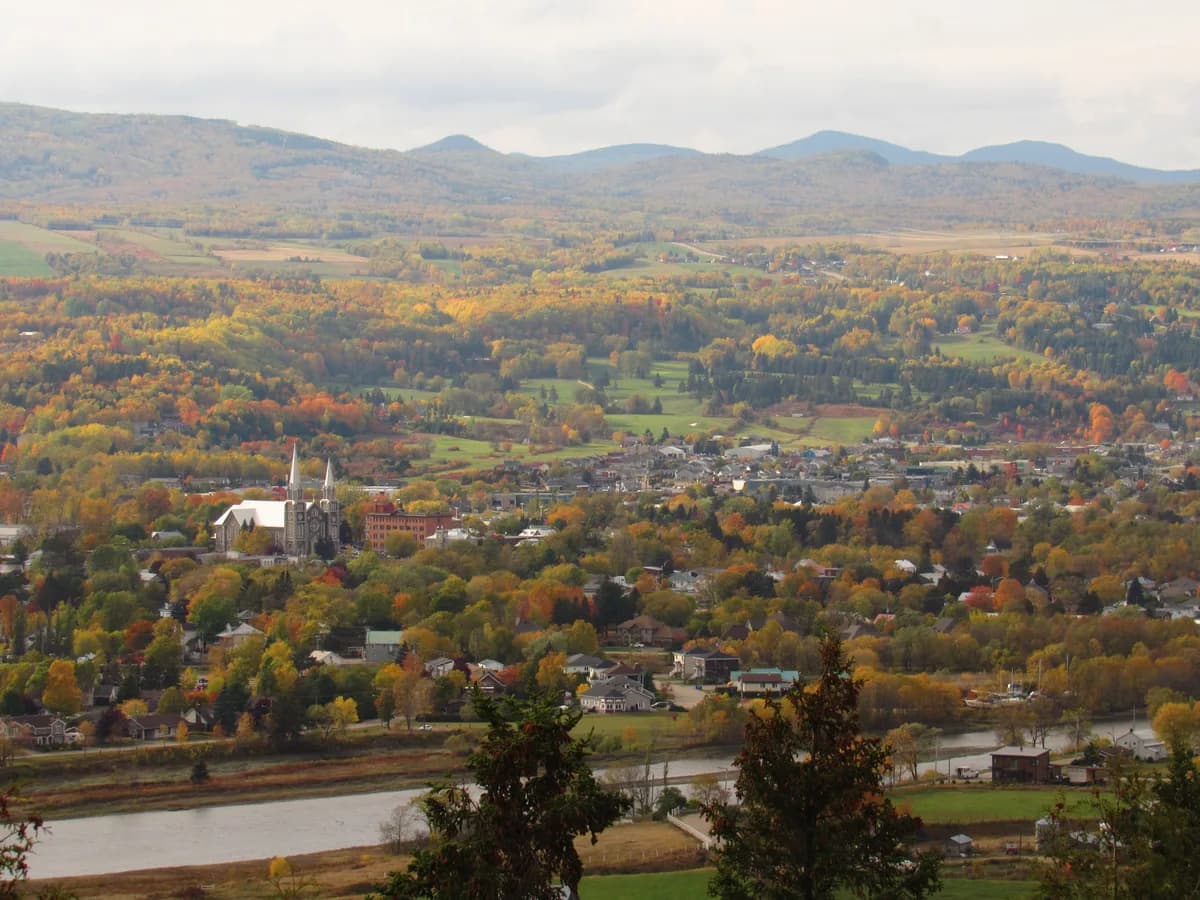
Baie-Saint-Paul and Rue Saint-Jean-Baptiste
An artistic cradle nestled in a picturesque valley, Baie-Saint-Paul concentrates an exceptional density of art galleries along its main street, making this village the historic starting point of Cirque du Soleil.
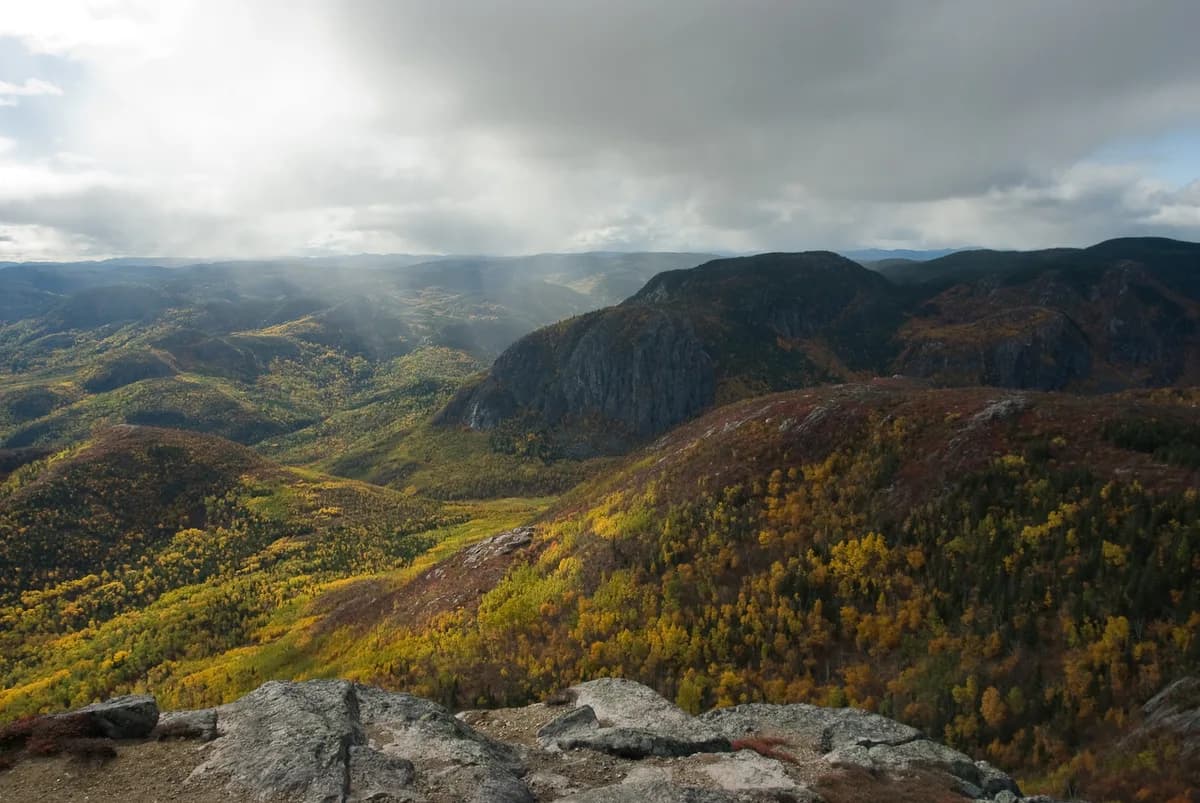
Grands-Jardins National Park
Unique in Québec for its preserved taiga landscape at the heart of the Charlevoix crater, this park lets visitors, from the summit of Mont du Lac-des-Cygnes, observe both the outline of the astrobleme and a population of woodland caribou isolated from the rest of the species.
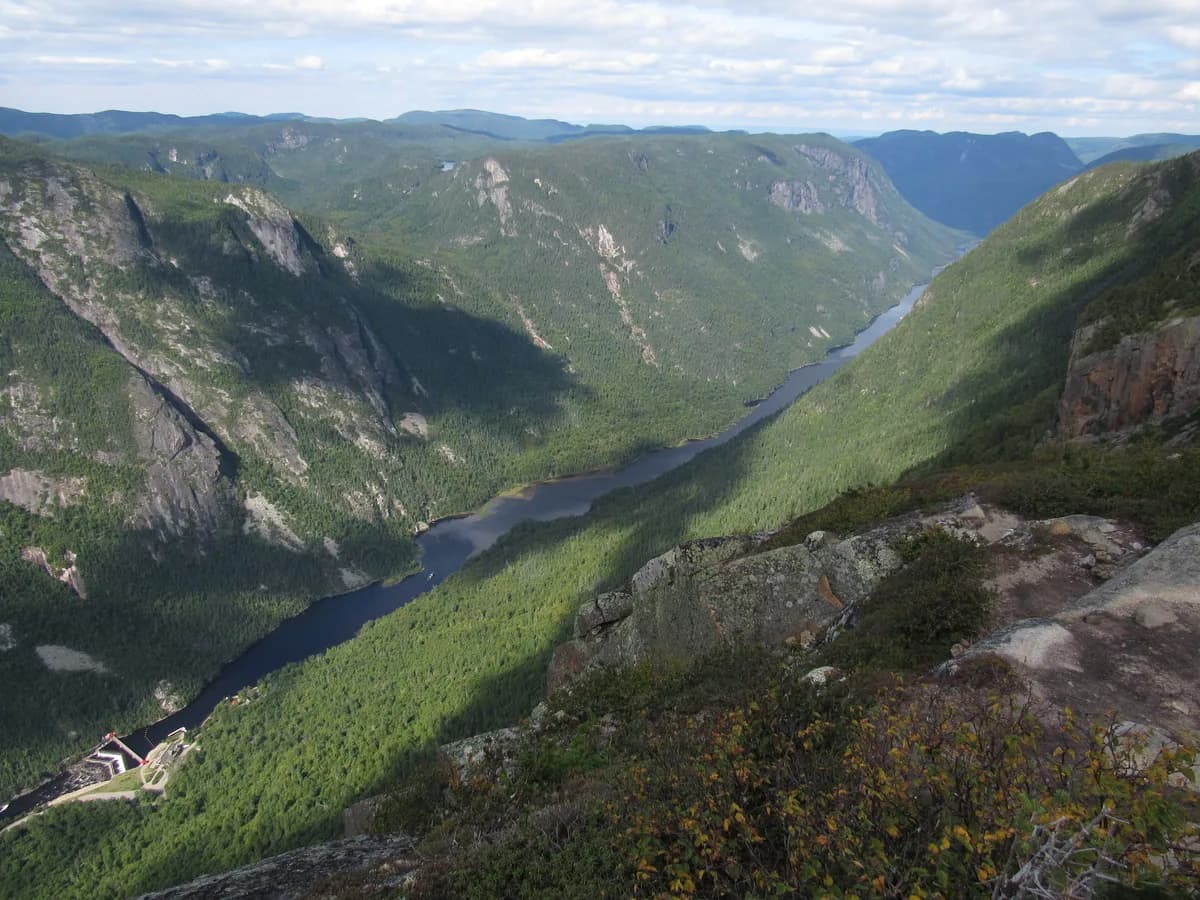
Hautes-Gorges-de-la-Rivière-Malbaie National Park
Home to the highest rock walls east of the Canadian Rockies, some exceeding 800 metres in elevation, this park, created in 2000, is best discovered aboard a riverboat cruise up the steep valley of the Malbaie River.
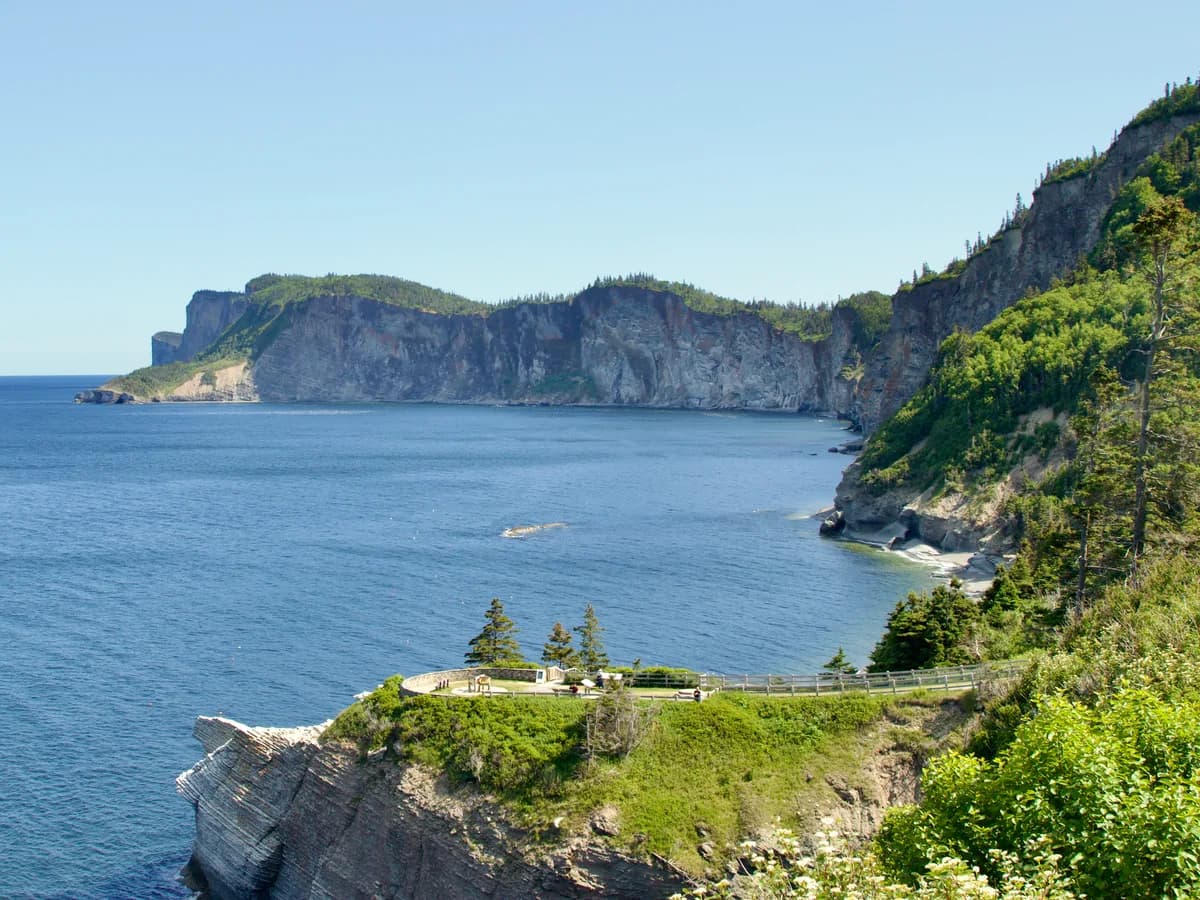
Forillon National Park
At the peninsula's northeastern tip, where sea meets mountain, Forillon combines limestone cliffs, beaches, spectacular trails, and a rich fishing heritage across nearly 245 km².
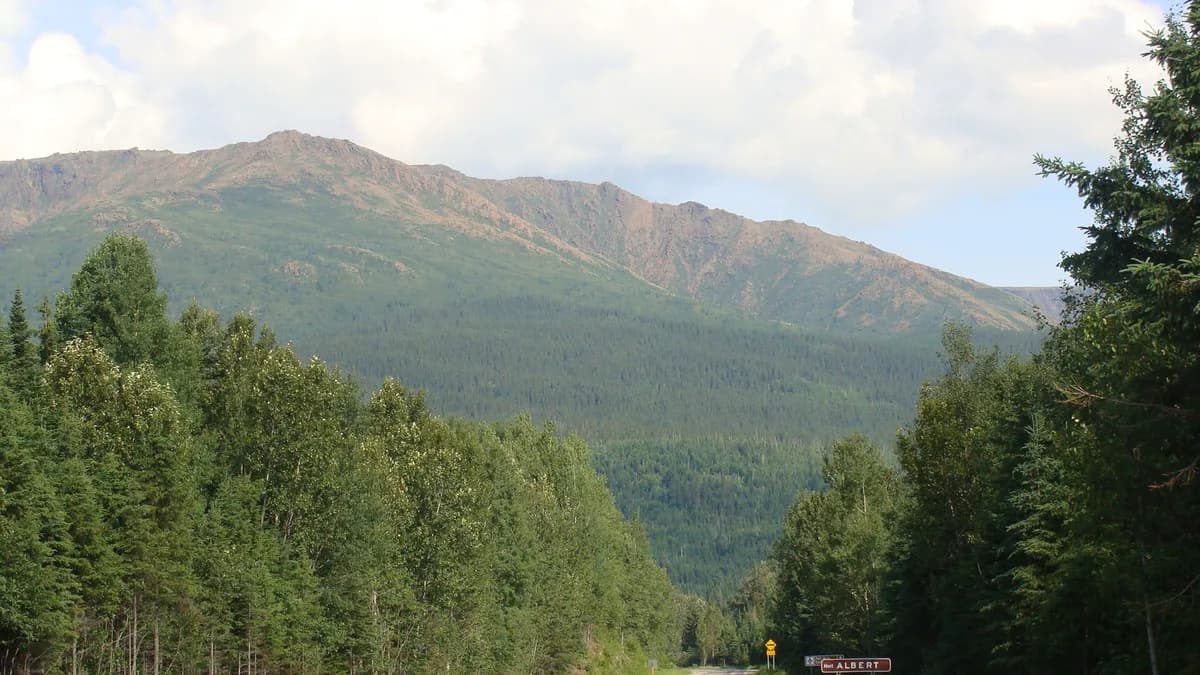
Gaspésie National Park
A true sea of mountains at the heart of the peninsula, this park protects 25 summits over 1,000 metres, including Mont Jacques-Cartier, Québec's second-highest peak, and shelters the only woodland caribou herd south of the St. Lawrence River.
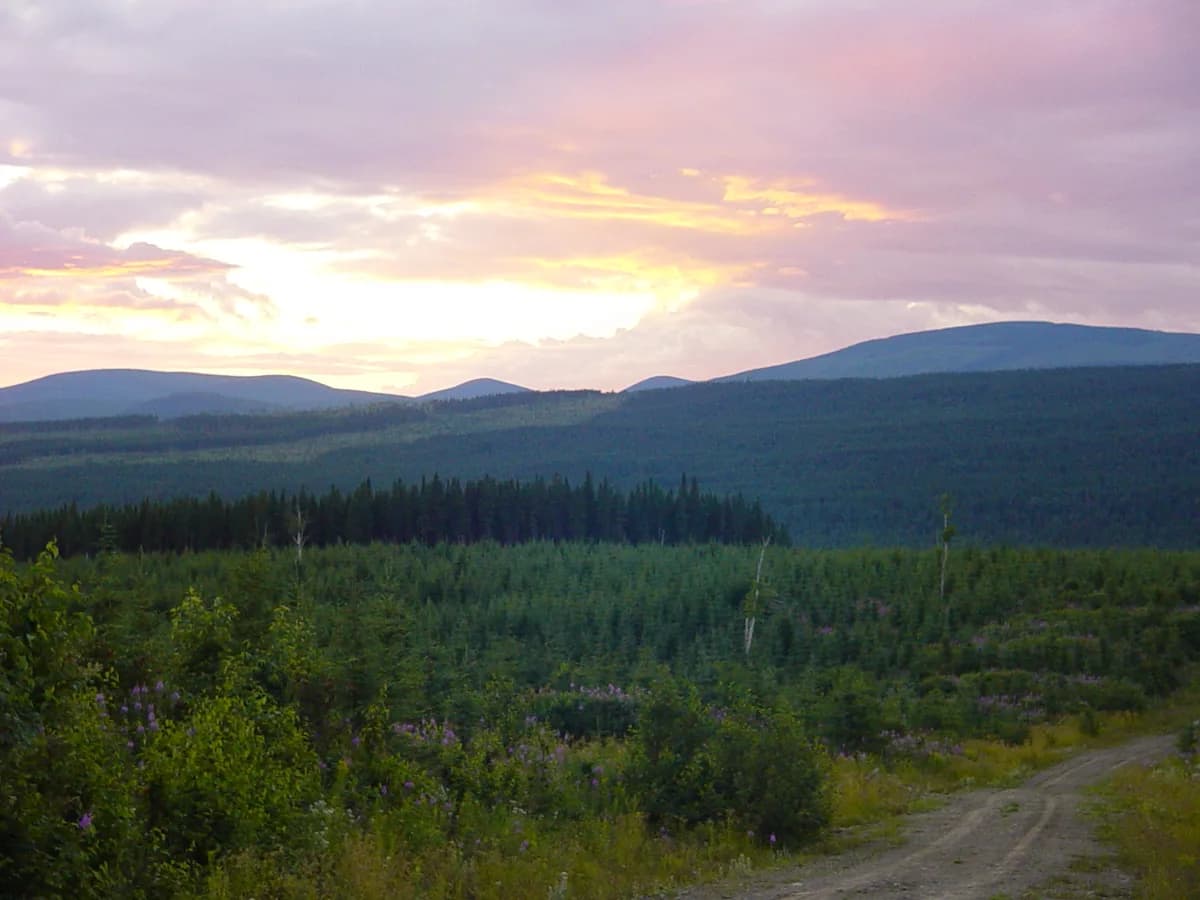
Matane Wildlife Reserve and Salmon Watching
Known for hosting one of the province's largest concentrations of Atlantic salmon, the Matane wildlife reserve lets visitors watch these fish climb the rapids from an interpretation centre built right along the riverbank.
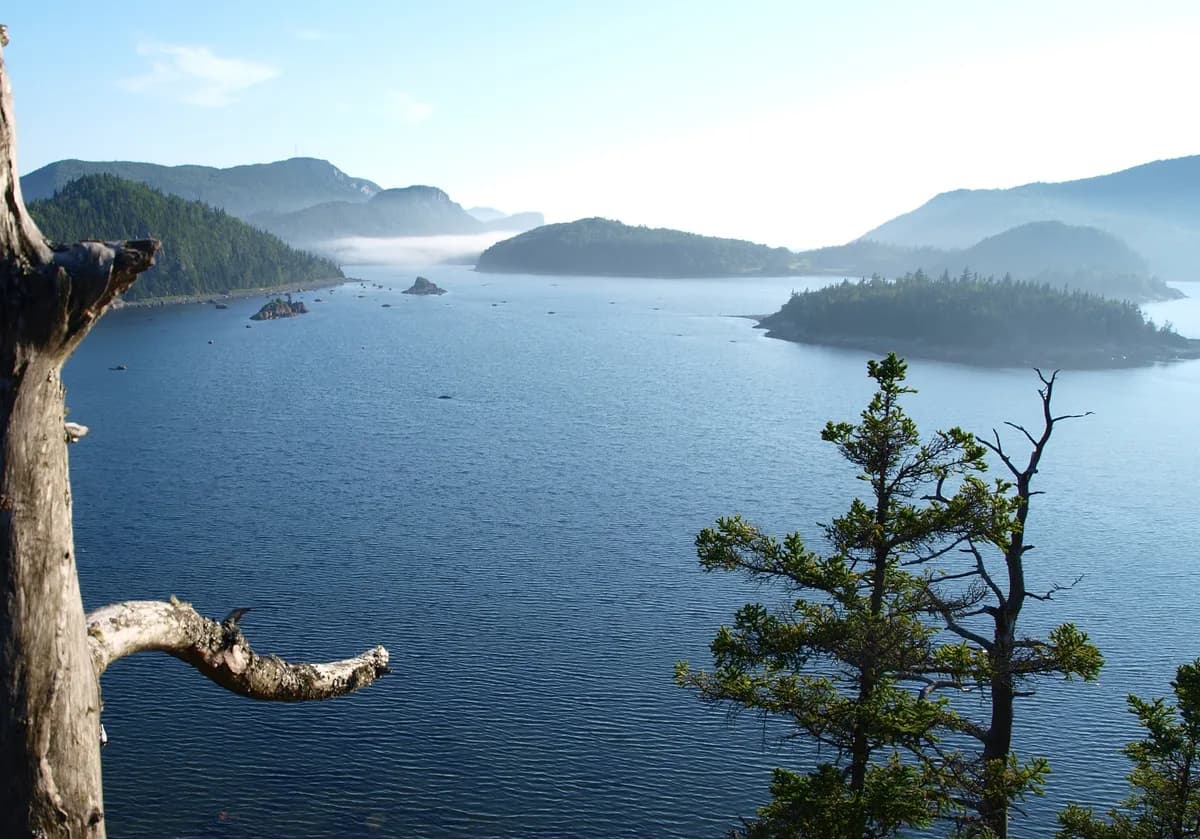
Bic National Park
With its capes, coves, bays, and islands carving up the St. Lawrence maritime estuary, Bic National Park offers sunsets regularly ranked among the most beautiful in the world, along with remarkably accessible wildlife.
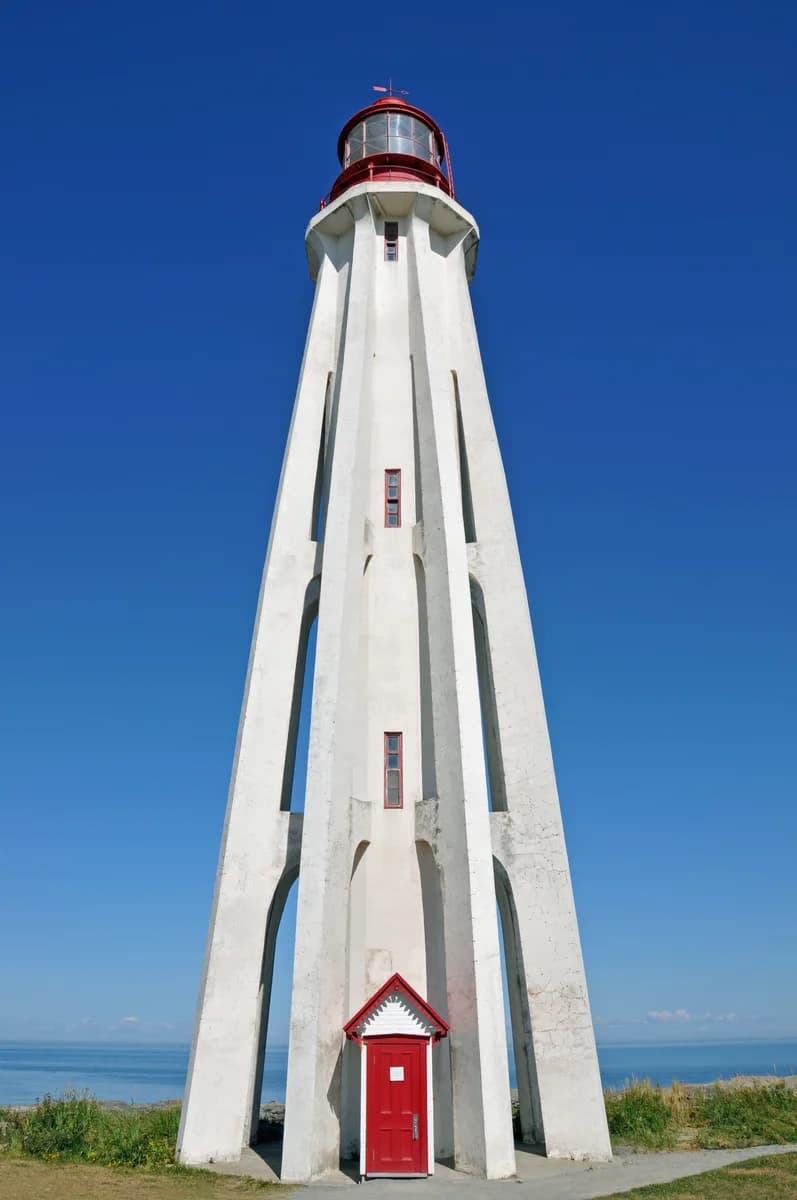
Pointe-au-Père Maritime Historic Site
Combining Canada's second-tallest lighthouse, a Cold War submarine open for tours, and a museum devoted to the tragic sinking of the Empress of Ireland, this site offers one of Québec's most complete maritime history experiences.
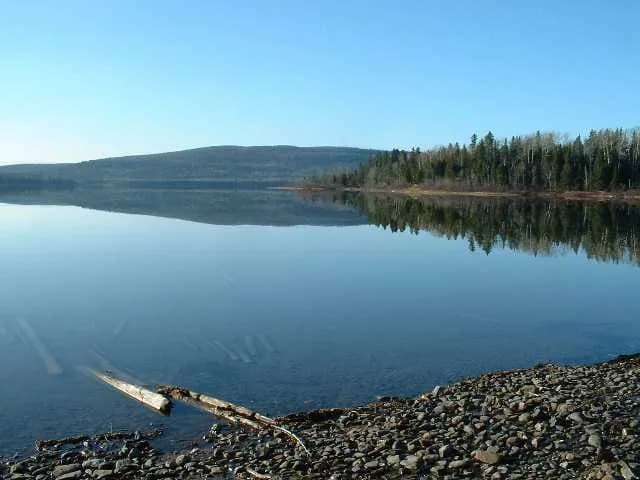
Lac-Témiscouata National Park
The newest of the Bas-Saint-Laurent national parks, it protects 175 km² of forests, lakes, and rivers at the heart of the Notre-Dame mountains, and reveals traces of continuous human occupation dating back nearly 10,000 years.
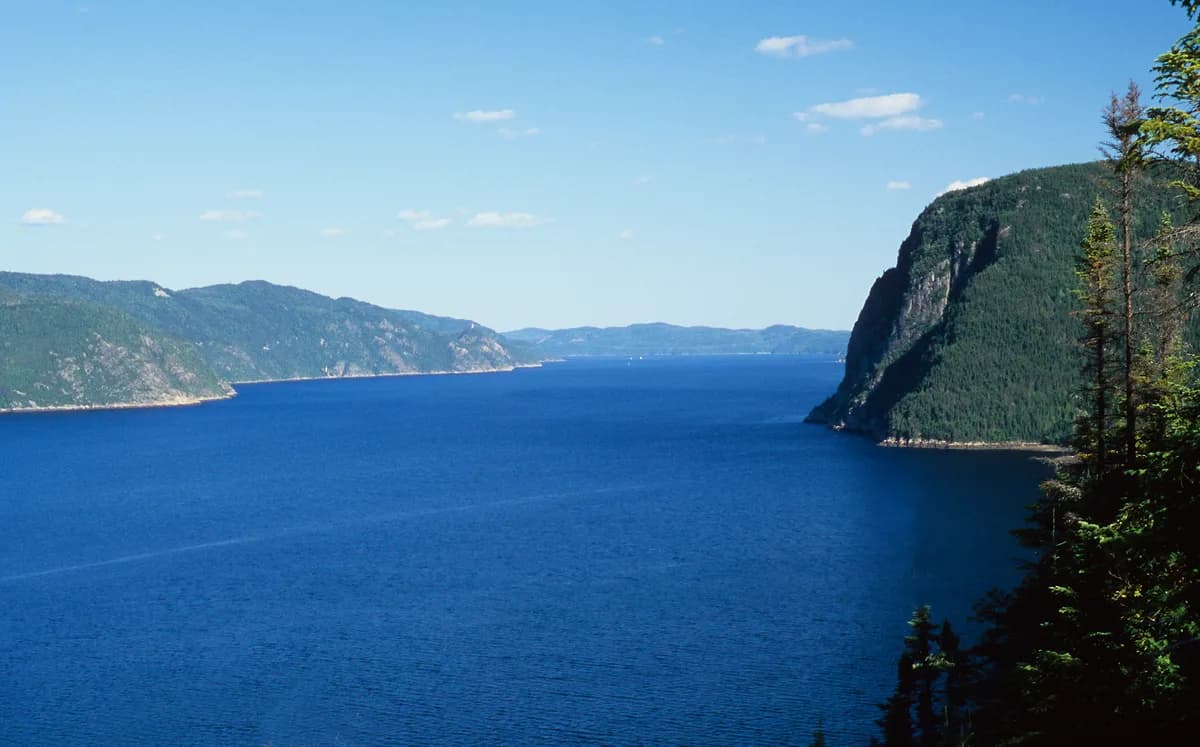
Saguenay Fjord National Park
Set along both shores of the Saguenay Fjord, this 326.7 km² park protects cliffs reaching up to 412 metres at Cap Trinité and offers some of Québec's most spectacular panoramas.
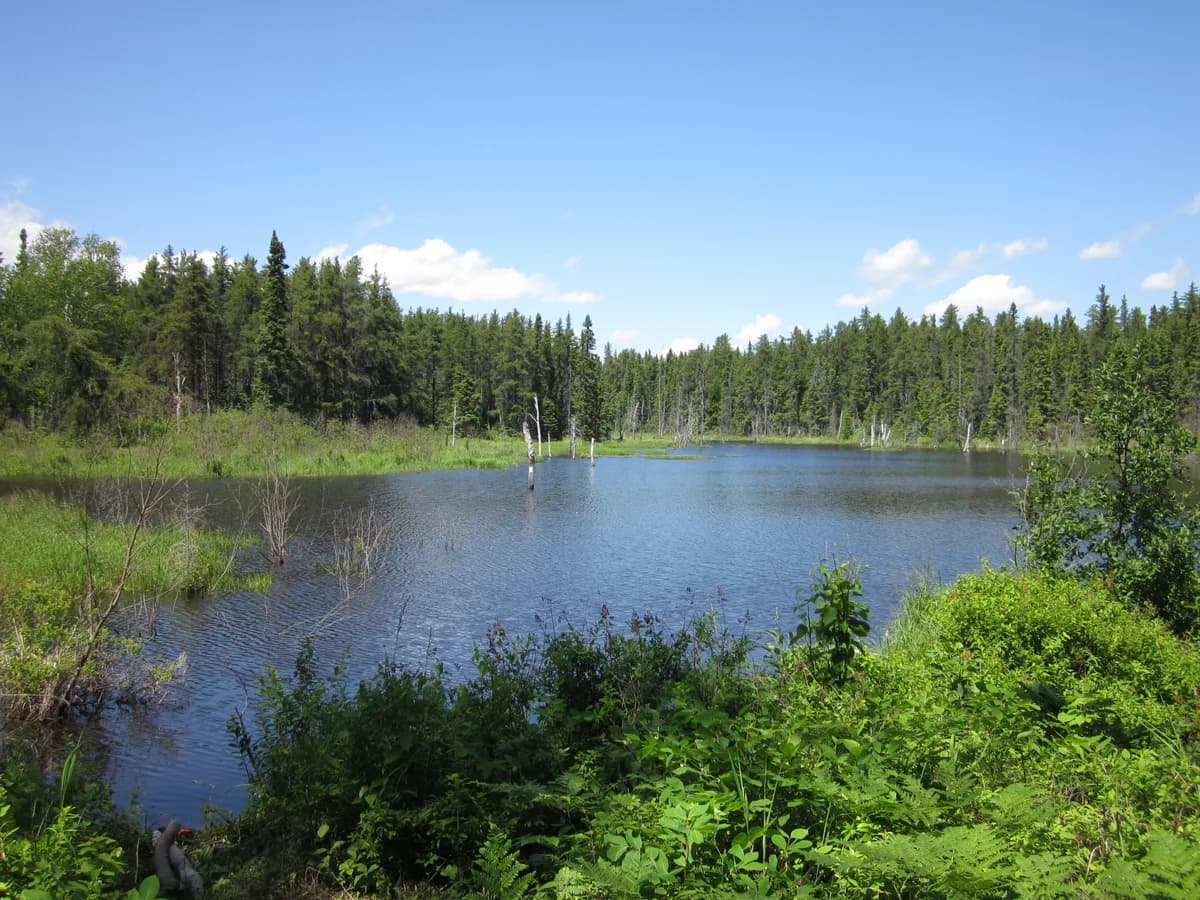
Pointe-Taillon National Park
Forming a vast sandy peninsula between Lac Saint-Jean and the Péribonka River, this 92 km² park offers more than 15 km of beaches and 45 km of bike paths, including an iconic stretch of the Véloroute des Bleuets.
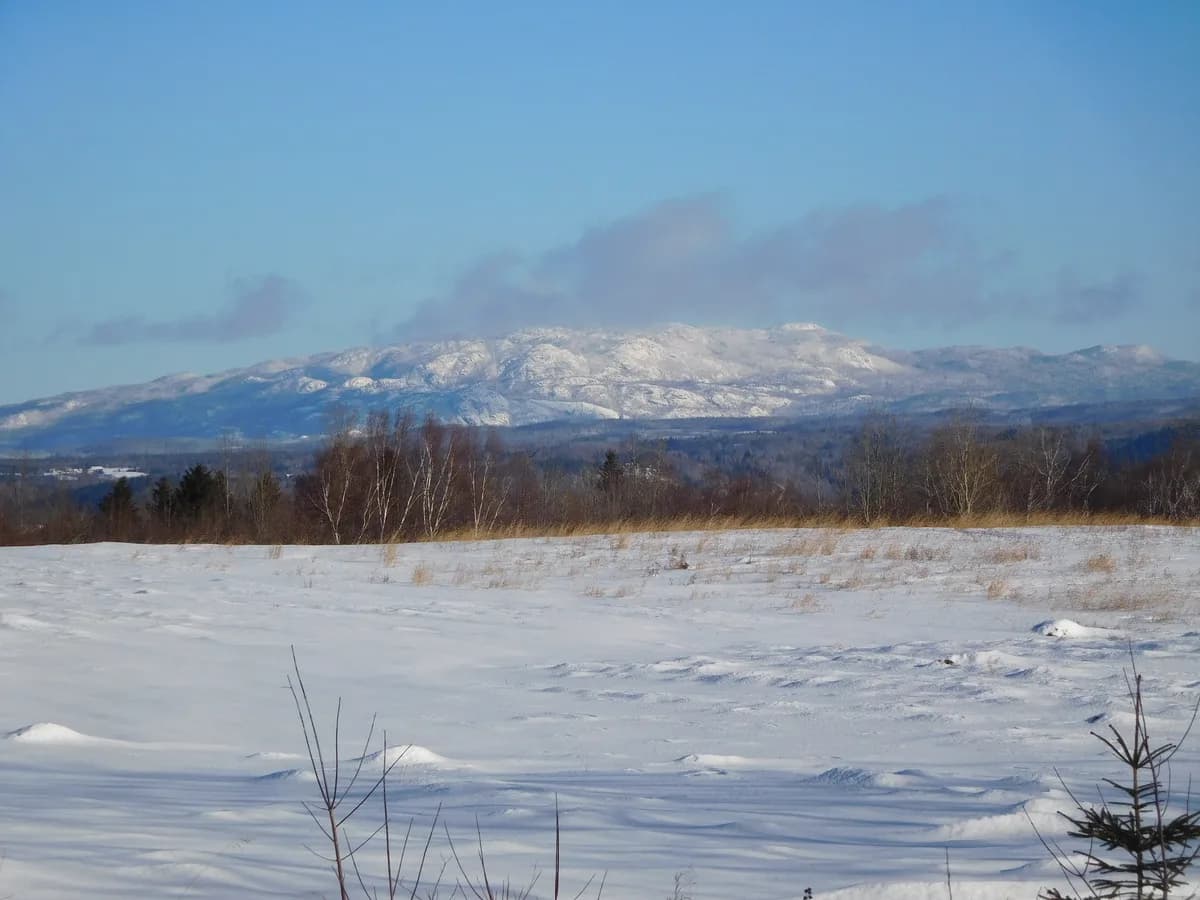
Monts-Valin National Park
Home to the highest accessible peaks in the Saguenay–Lac-Saint-Jean region, this park is famous for its Valley of Ghosts, where frost-coated conifers take on spectral shapes in winter.
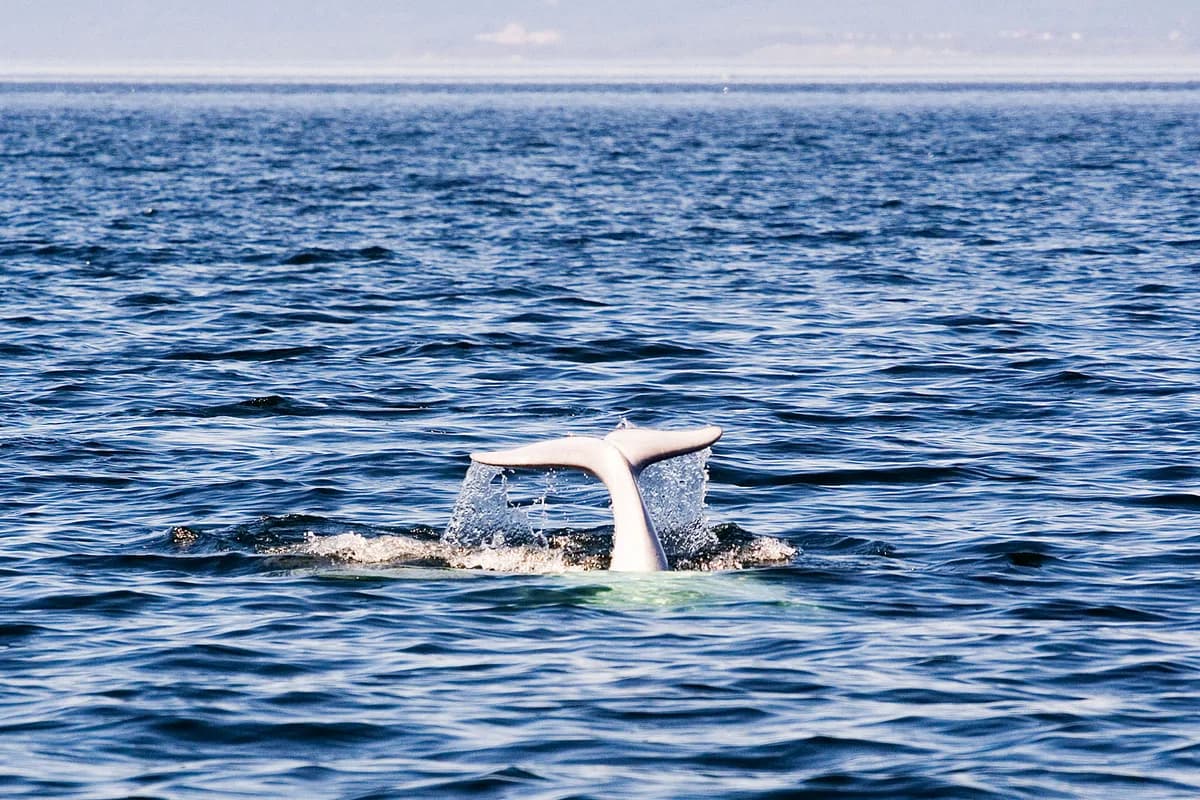
Tadoussac and the Saguenay–St. Lawrence Marine Park
Canada's first fur-trading post, established in 1600, and renowned as one of the world's most beautiful bays, Tadoussac is the essential gateway to the Whale Route and the starting point for most estuary whale-watching cruises.
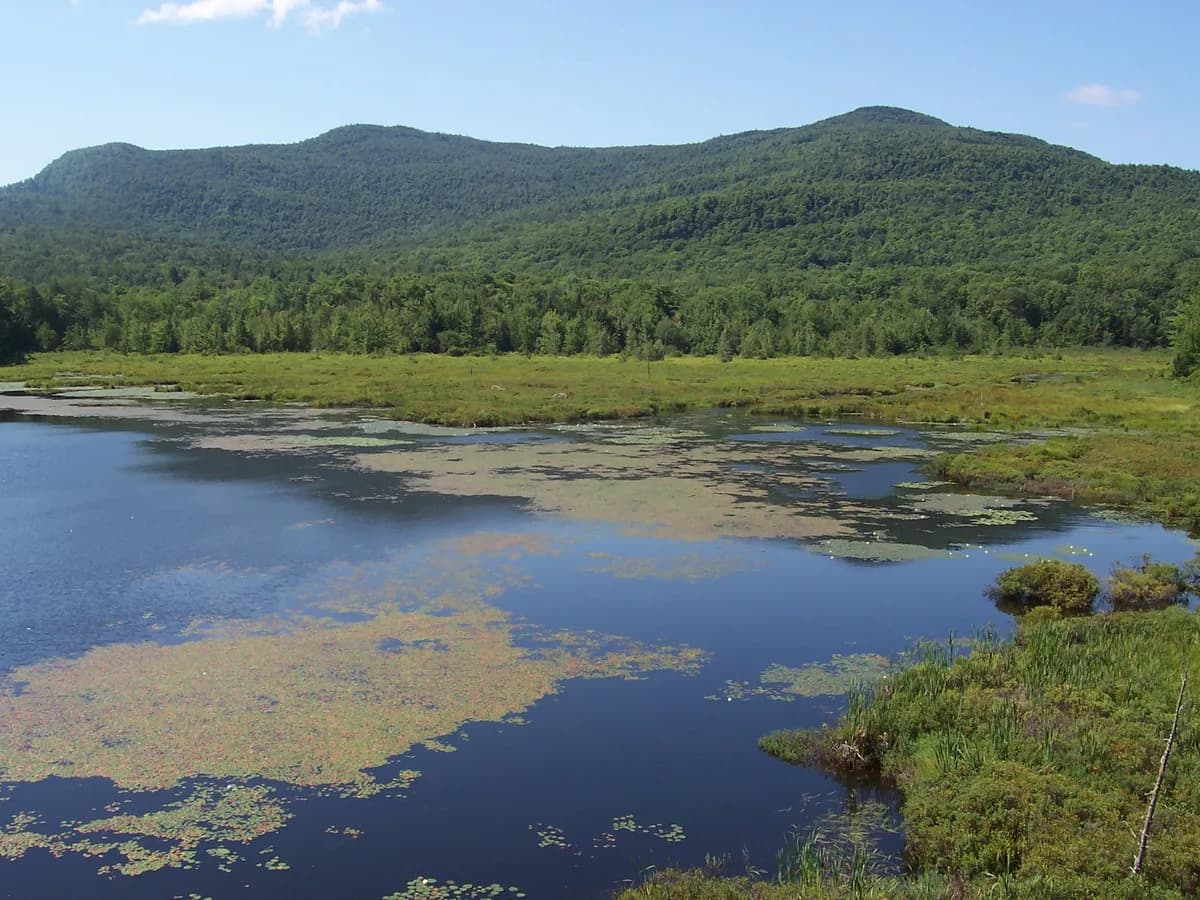
Mont-Orford National Park
Dominated by Mont Orford (853 m) and Mont Chauve, this park, created in 1938 through an intermunicipal agreement, combines 25 km of hiking trails, two swimming-friendly lakes, and an internationally renowned music arts centre.
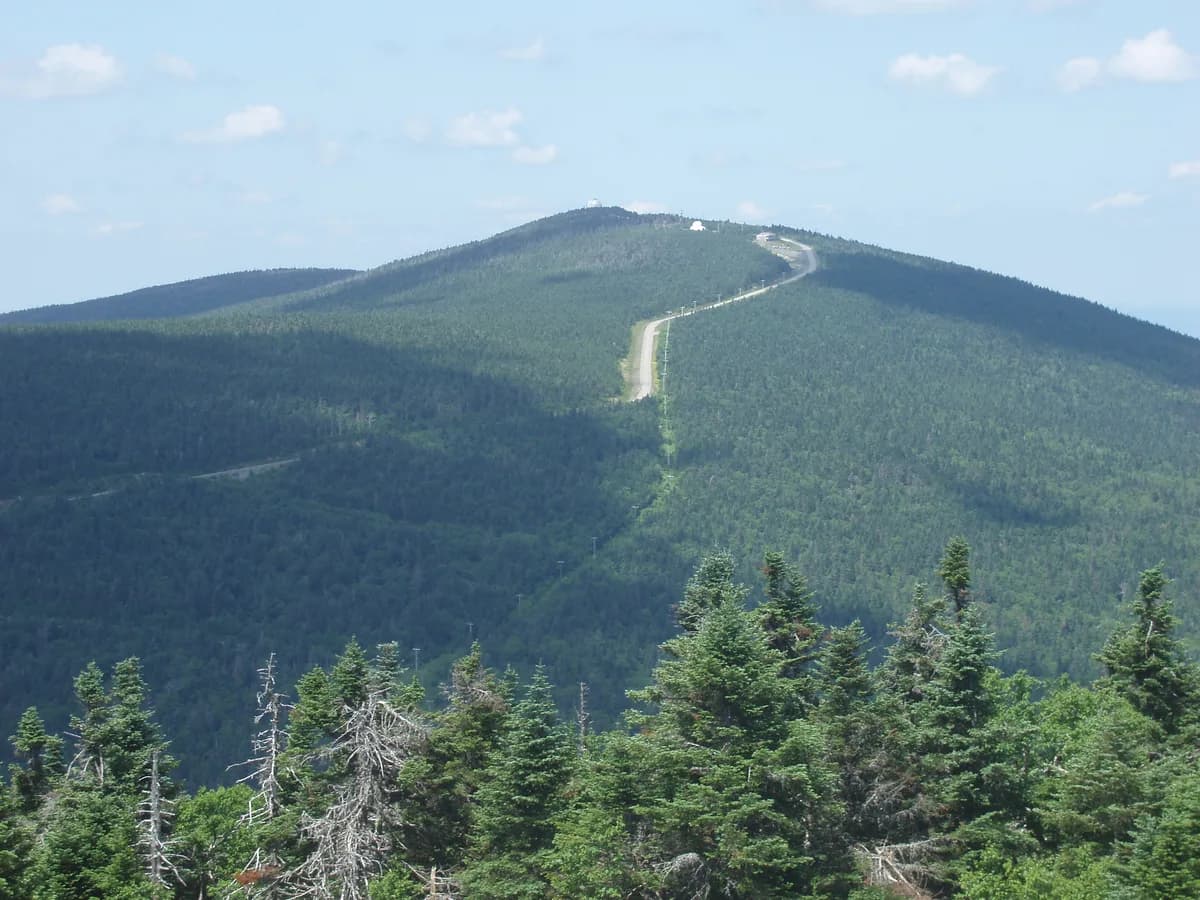
ASTROLab and Observatory of Mont-Mégantic National Park
At the heart of the world's first internationally recognized dark-sky reserve, this interpretation centre combines immersive exhibits, 4K giant-screen projections, and access to a 1.6-metre telescope, the most powerful in Canada open to the public.
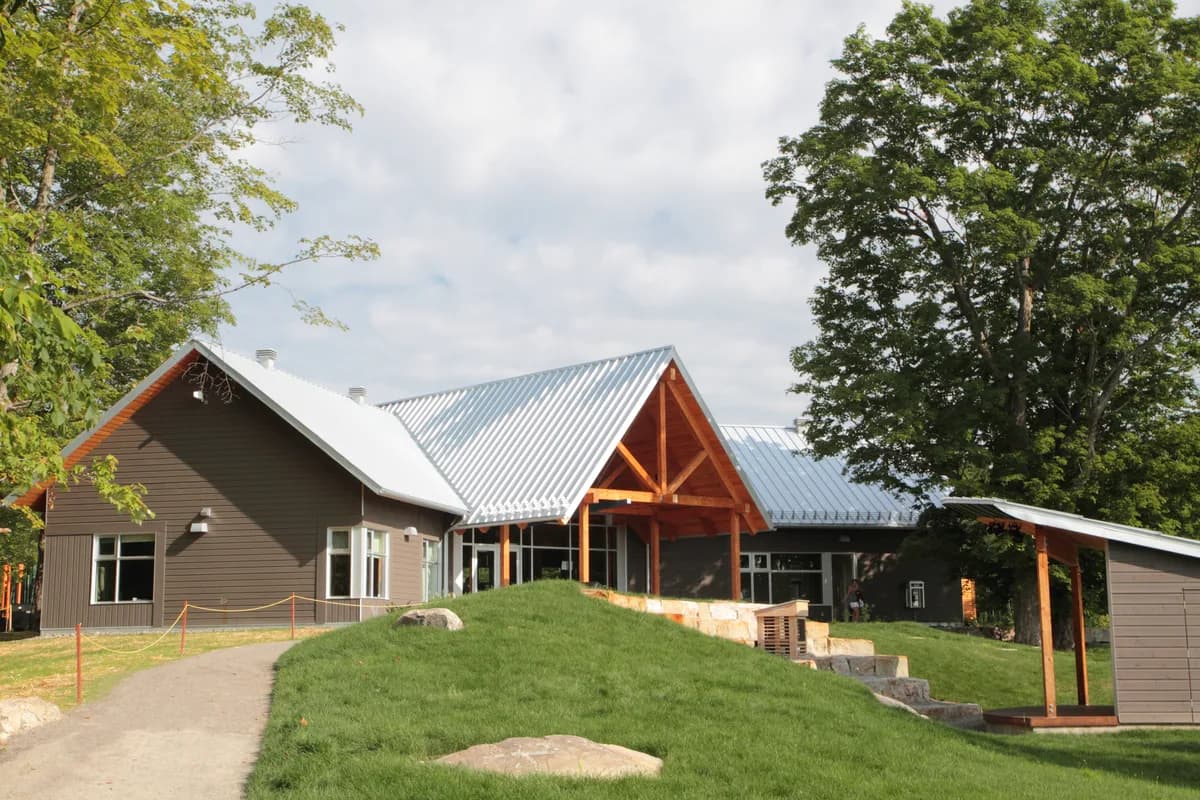
Yamaska National Park
Created in 1983 around the Choinière Reservoir, this Appalachian lowlands park offers a lifeguard-supervised beach popular with families, plus a network of hiking and biking trails crossing a forested valley typical of the region.
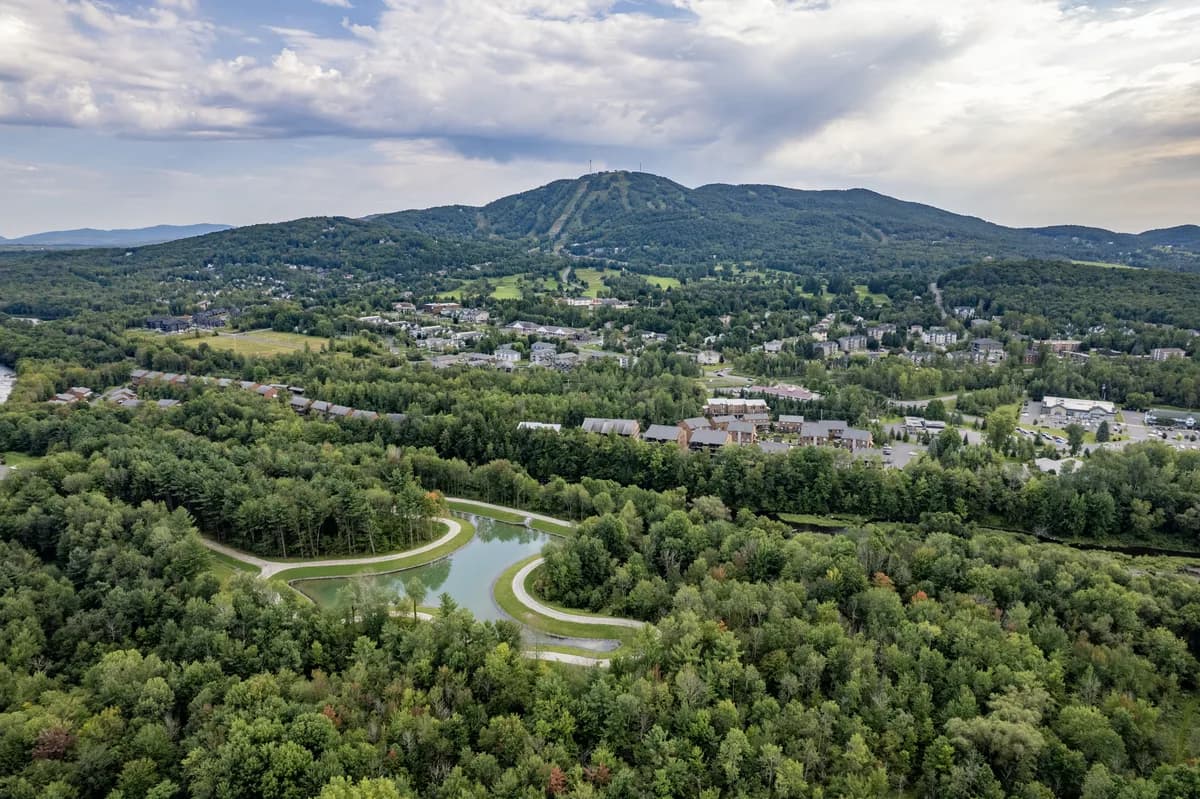
Bromont, Montagne d'Expériences
A four-season destination founded in 1964 by the Désourdy brothers, Bromont combines a ski resort, water park, mountain biking, and golf on Mont Brome, in a town now also known for its cutting-edge tech sector.
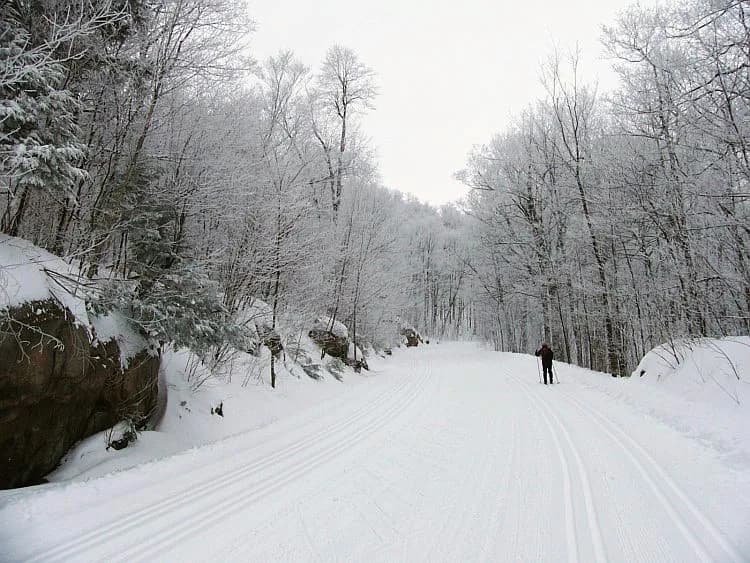
Gatineau Park
Nicknamed the green lung of the Outaouais, this conservation park spanning more than 361 km² is home to North America's largest cross-country ski trail network, plus five public beaches set around its lakes.
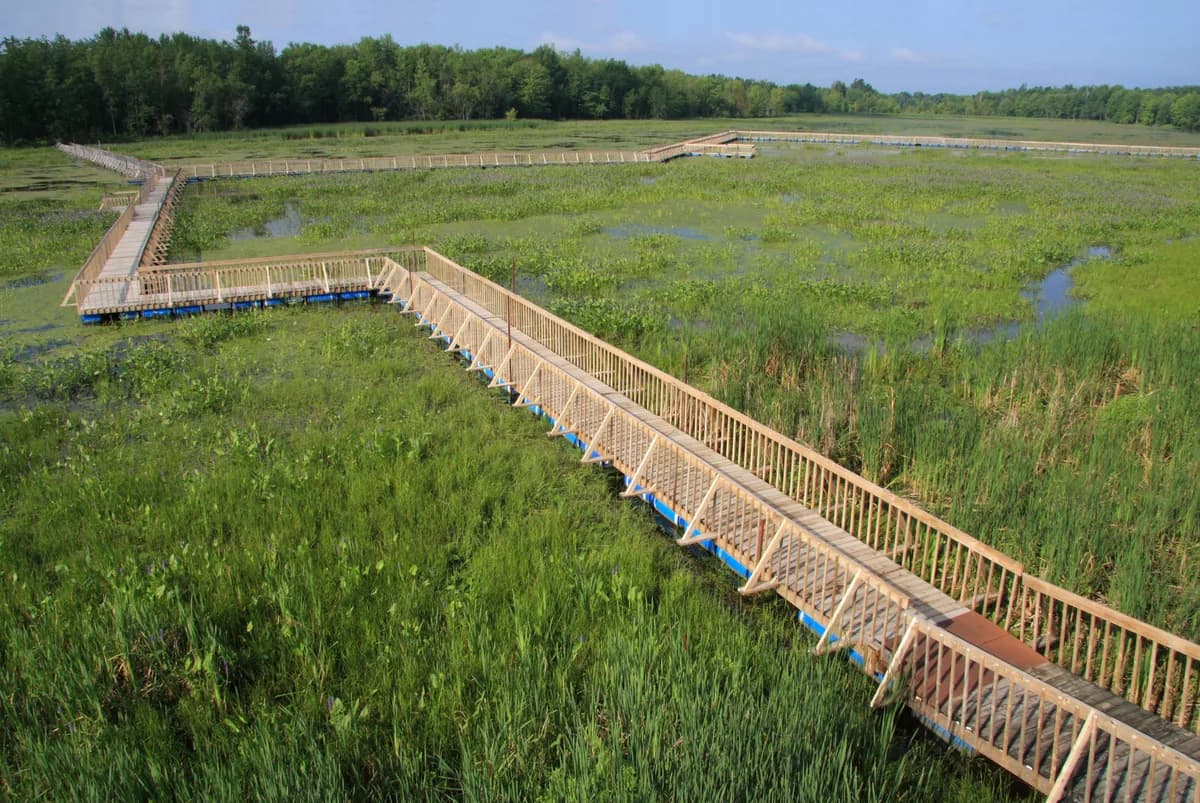
Plaisance National Park
Made up of marshes, ponds, and deciduous forests along the Ottawa River, this relatively recent park offers nearly 40 km of hiking and biking trails, including the popular Zizanie-des-Marais trail running through the wetlands.
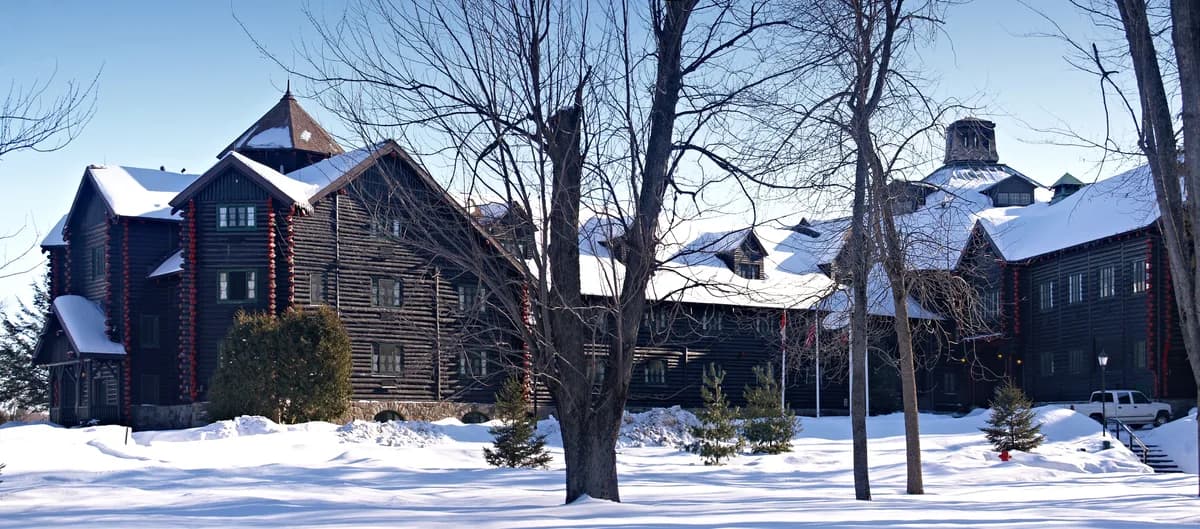
Fairmont Le Château Montebello
Built in just four months in 1930 as a private club for a North American elite, this log château—the largest of its kind in the world—remains an emblematic symbol of rustic Québec hospitality.
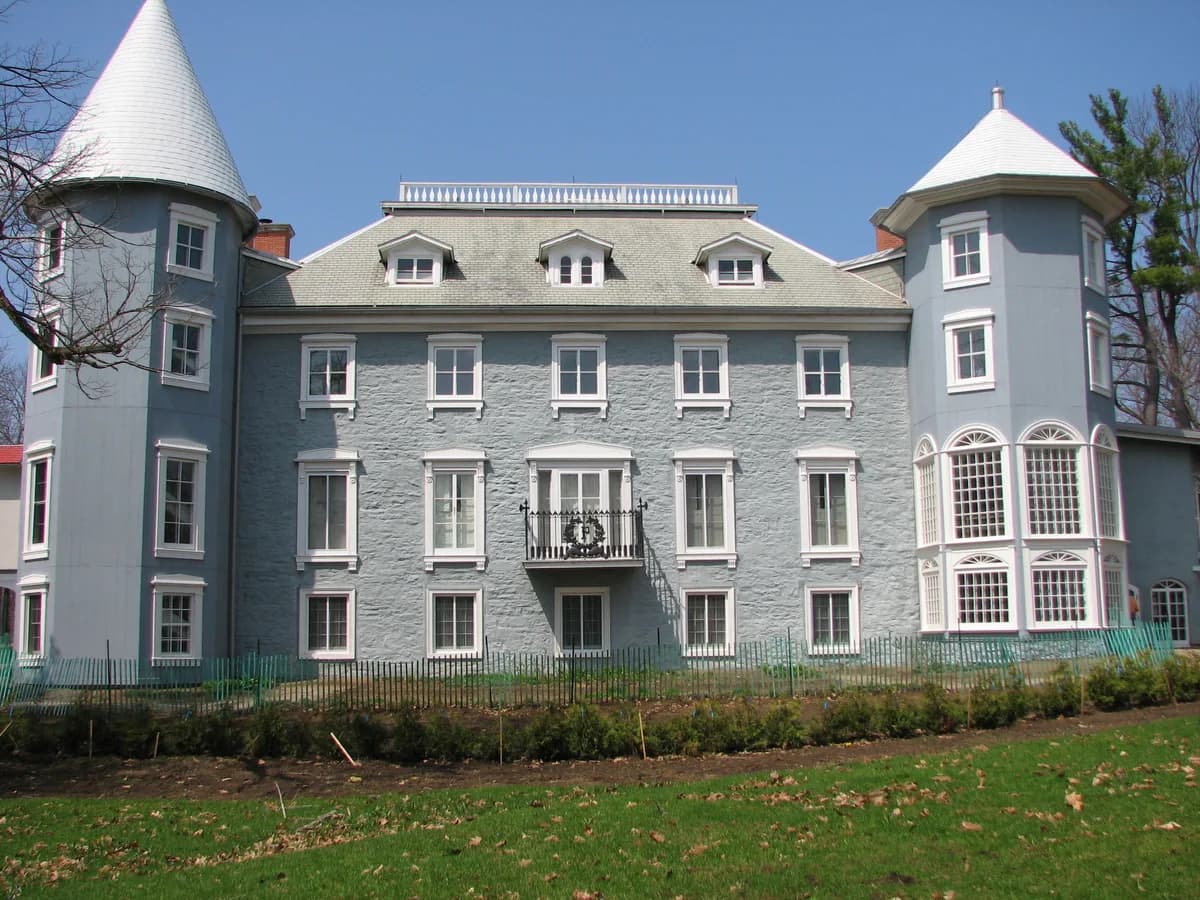
Manoir-Papineau National Historic Site
The former seigneurial residence of Louis-Joseph Papineau, undisputed leader of the 1830s Patriote movement, this manor and its estate bear witness to the landed aristocracy that marked Lower Canada's political history.
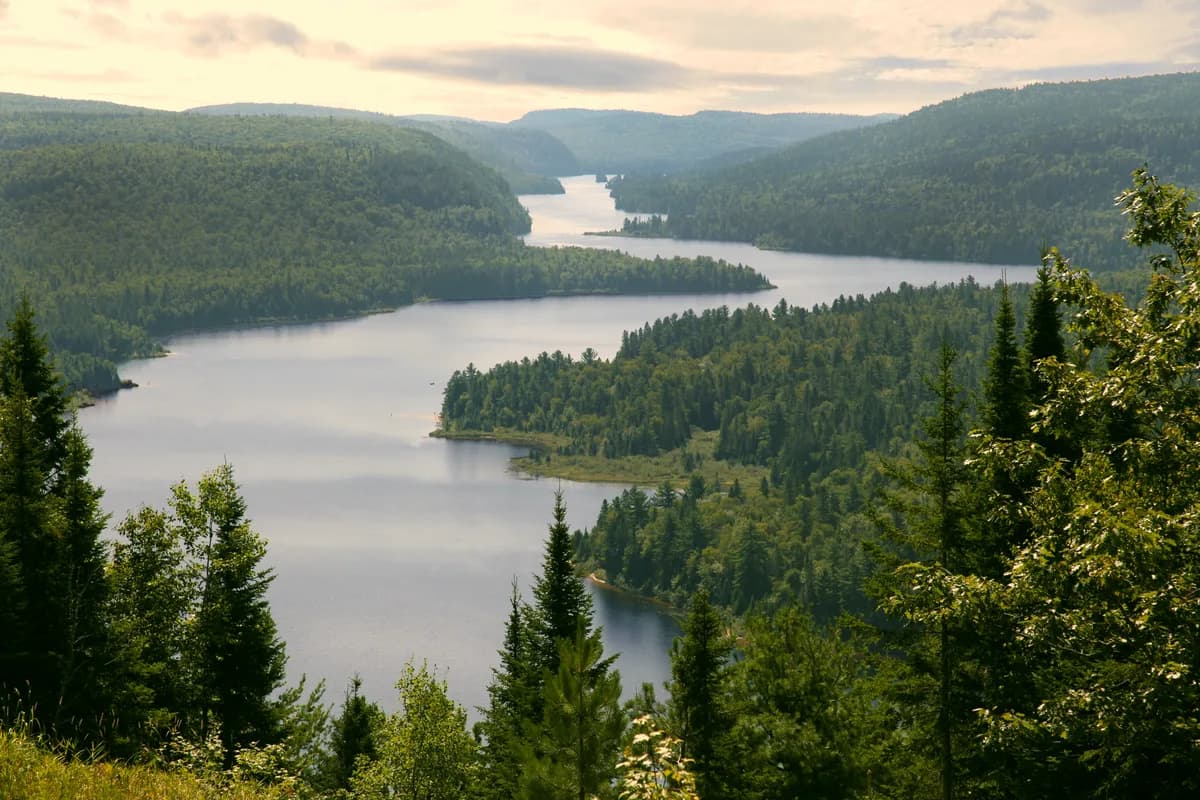
Mauricie National Park
Crossed by a horseshoe-shaped scenic road linking its two entrances over nearly 64 km, this Canadian Shield park offers crystal-clear lakes, spectacular lookouts, and one of central Québec's most renowned trail networks.
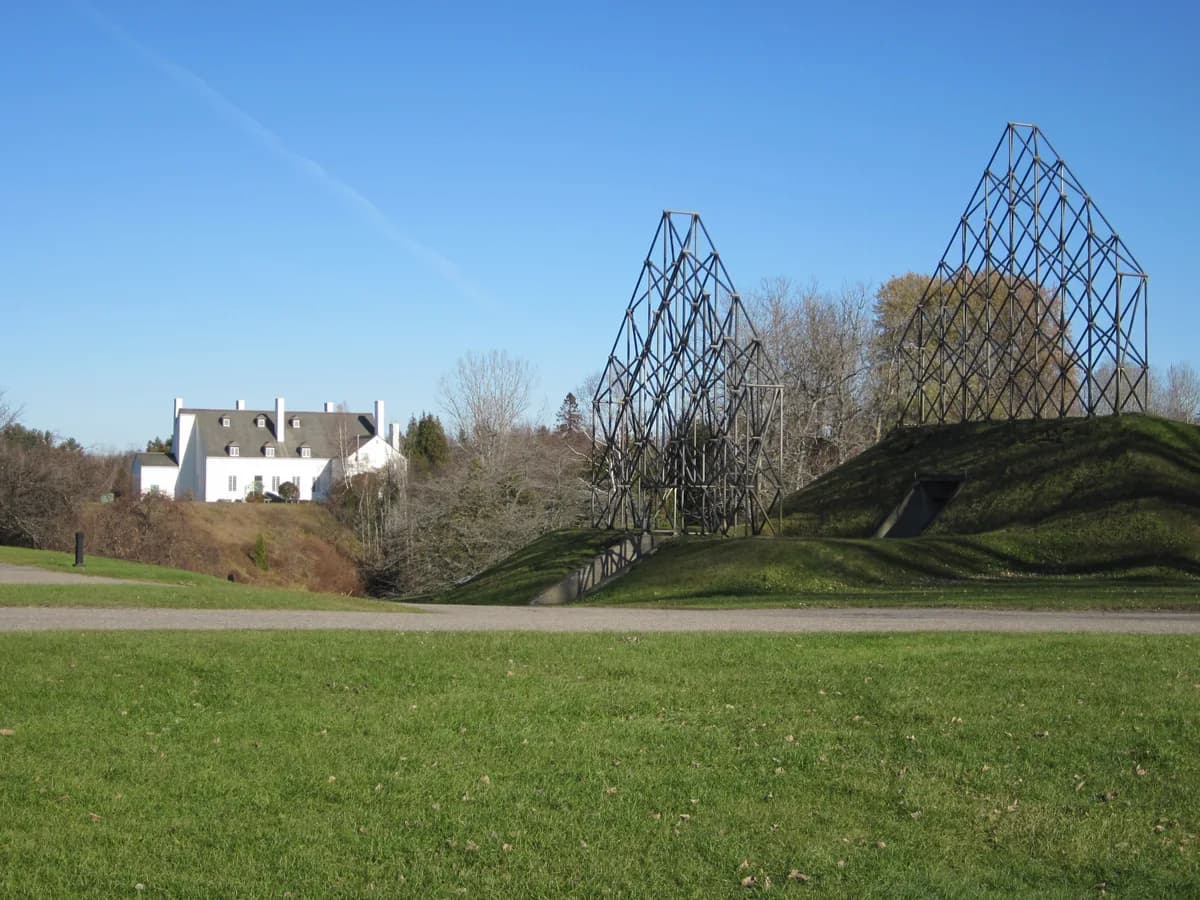
Forges du Saint-Maurice National Historic Site
The birthplace of Canadian steelmaking, founded in 1730, this national site preserves the archaeological remains of North America's first blast furnaces, where iron and cast iron were produced from ore mined in the surrounding marshes.
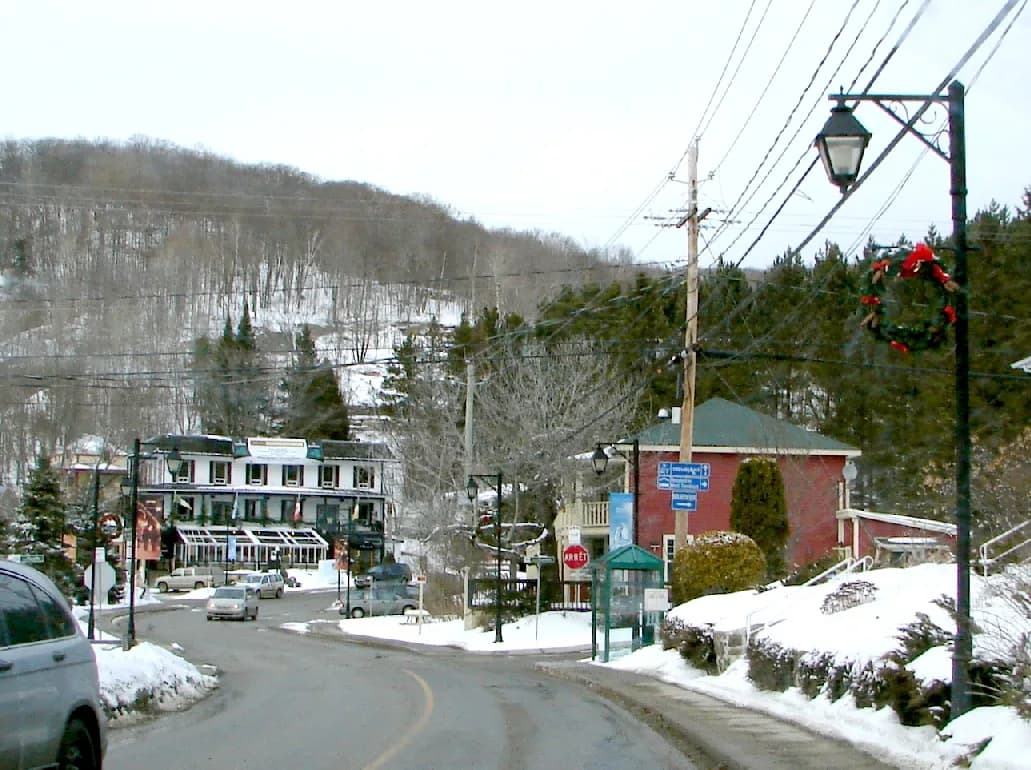
Mont-Tremblant Resort
The Laurentians' highest skiable peak and eastern North America's number-one ski resort for more than twenty consecutive years, this four-season resort offers more than 100 runs and a pedestrian village bustling with activity year-round.
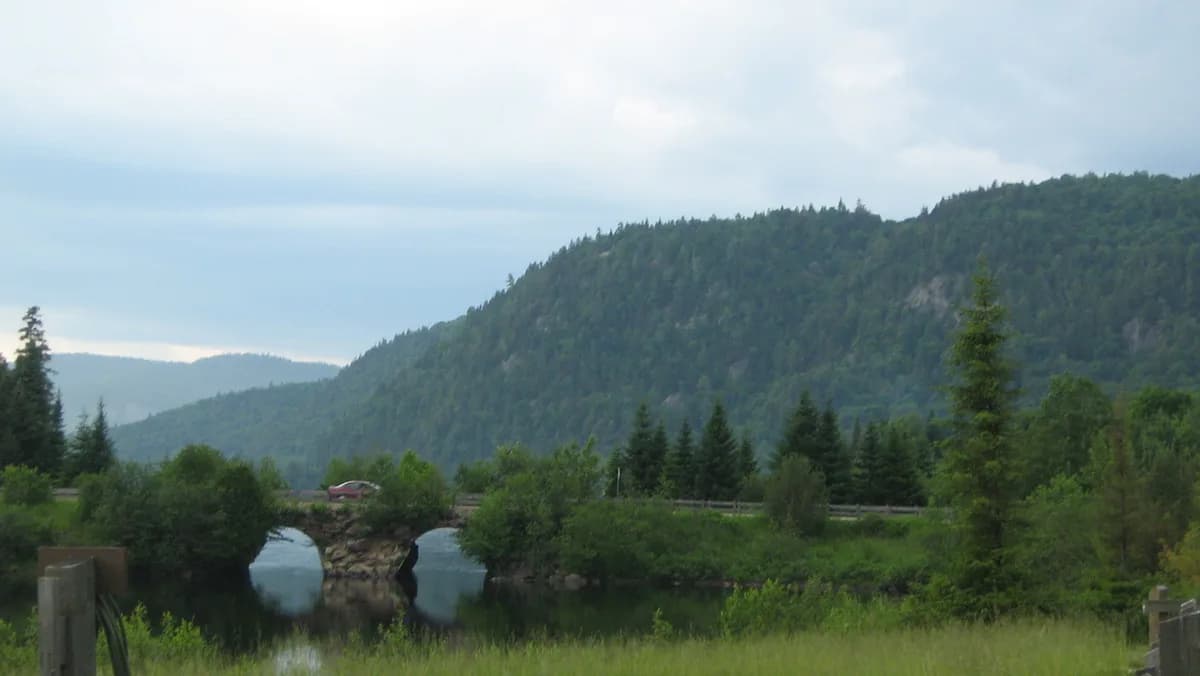
Mont-Tremblant National Park
The largest and oldest national park in the Québec network, this territory of more than 1,500 km² spans three distinct sectors rich in lakes, rivers, and peaks, offering one of Québec's most popular canoe-camping experiences.
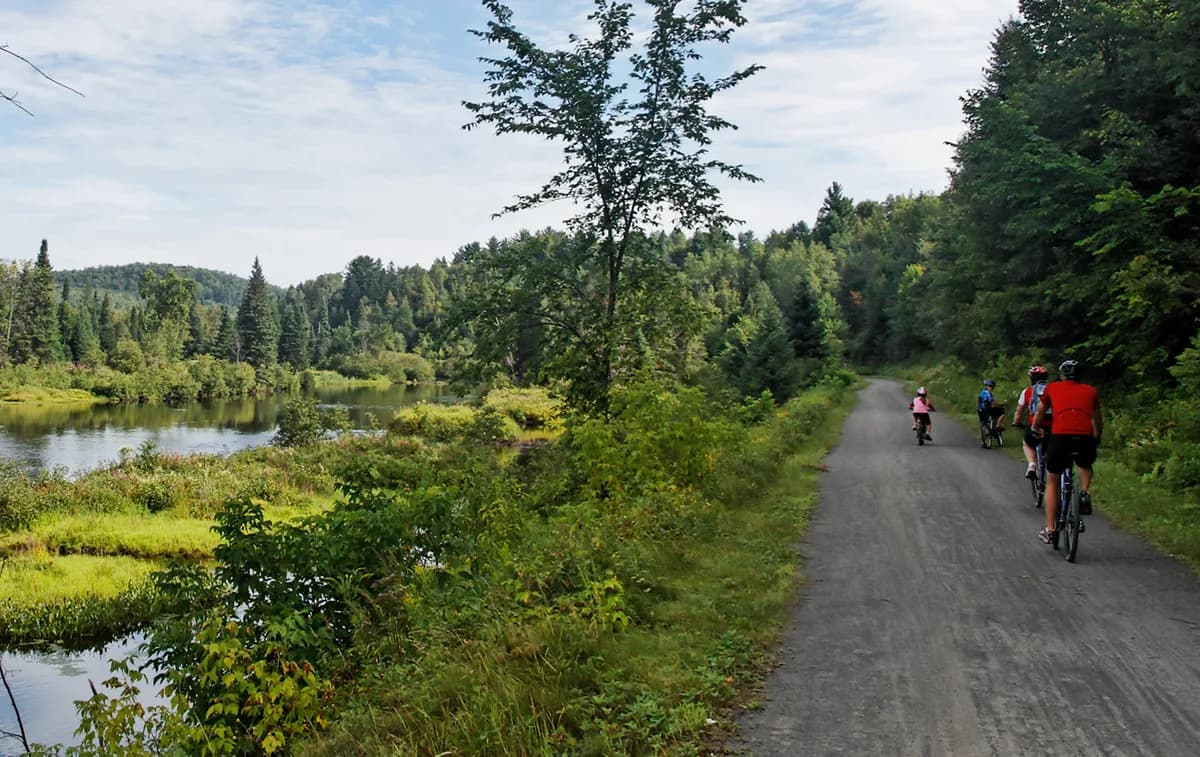
Le P'tit Train du Nord Linear Park
Canada's longest linear park at 234 kilometres, this trail built on a former railway line crosses the entire Laurentian territory from Montréal's northern suburbs to Mont-Laurier, dotted with heritage stations converted into tourist rest stops.
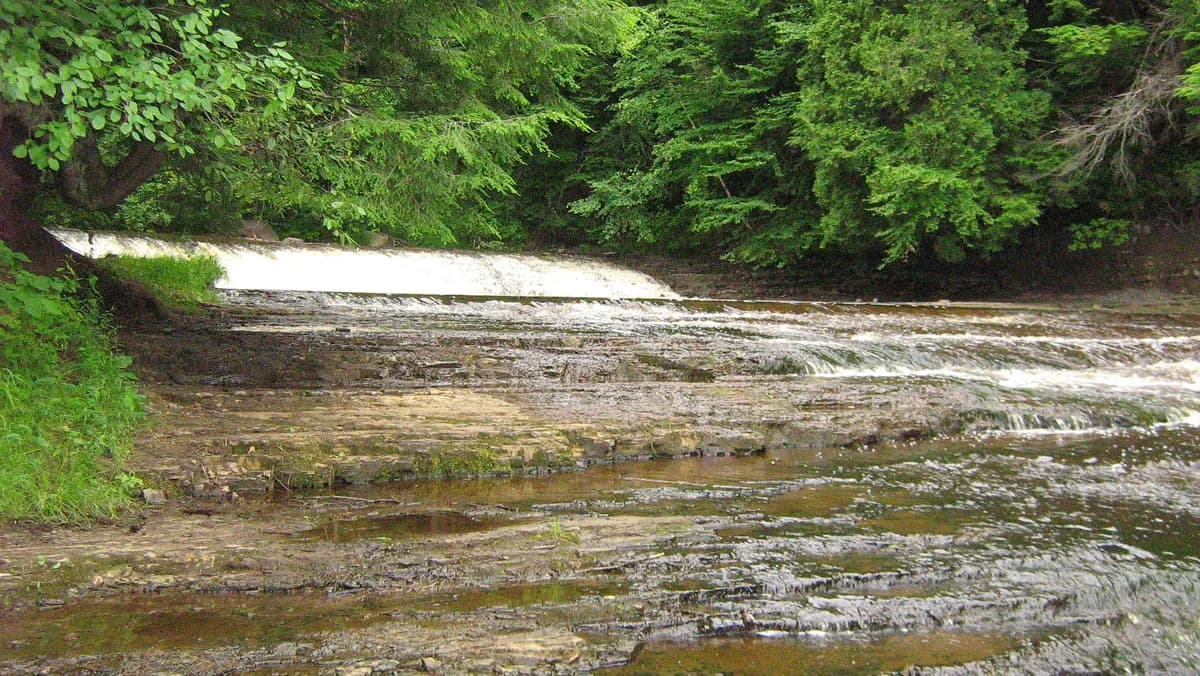
Rivière-du-Nord Regional Park
Recognized for its exceptional heritage cultural landscape, this regional park along the Rivière du Nord in Saint-Jérôme offers hiking, kayaking, and wildlife watching in a preserved natural setting right next to the urban centre.
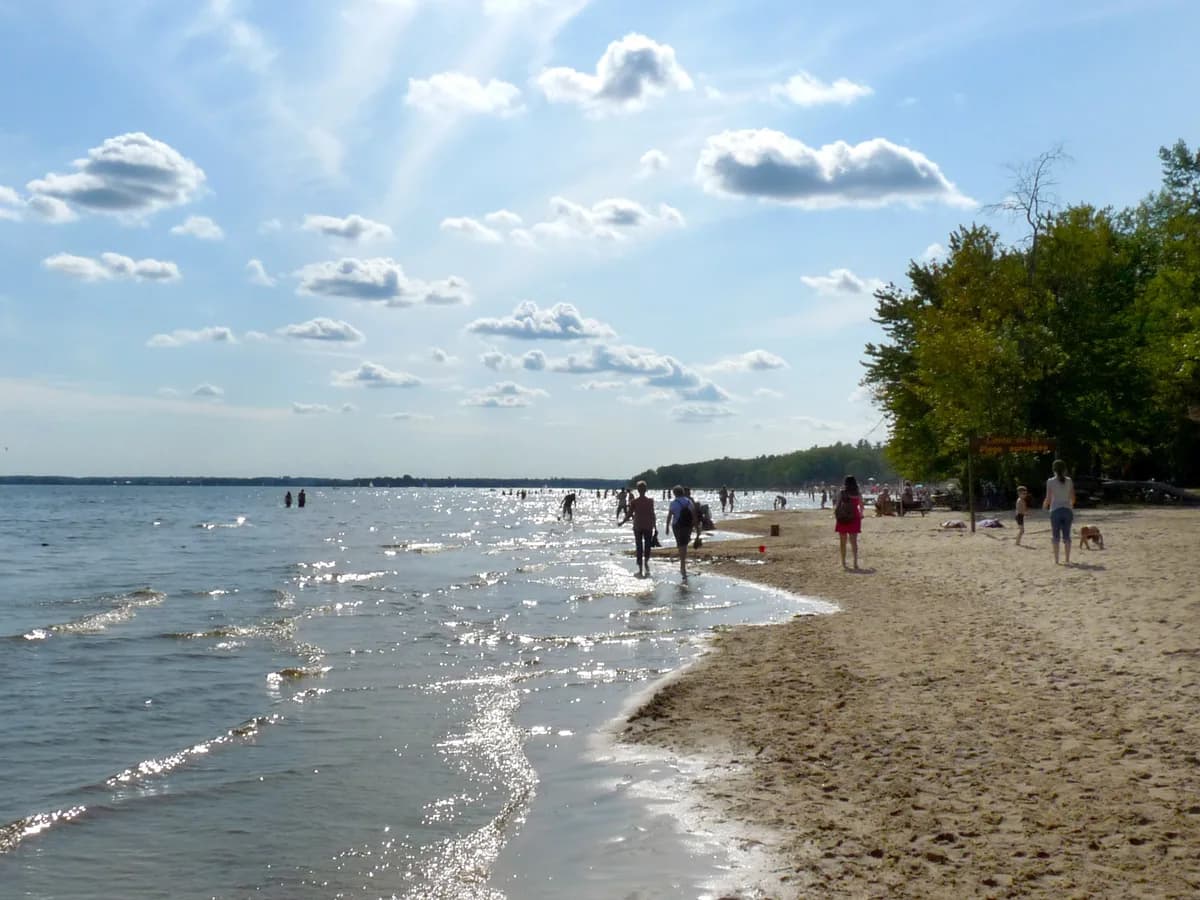
Oka National Park
Located just 35 minutes from Montréal, this park is home to one of Québec's largest heron colonies as well as the Oka Calvary, a Way of the Cross dating to 1742 and a historic structure unique in North America with its four oratories and three chapels.
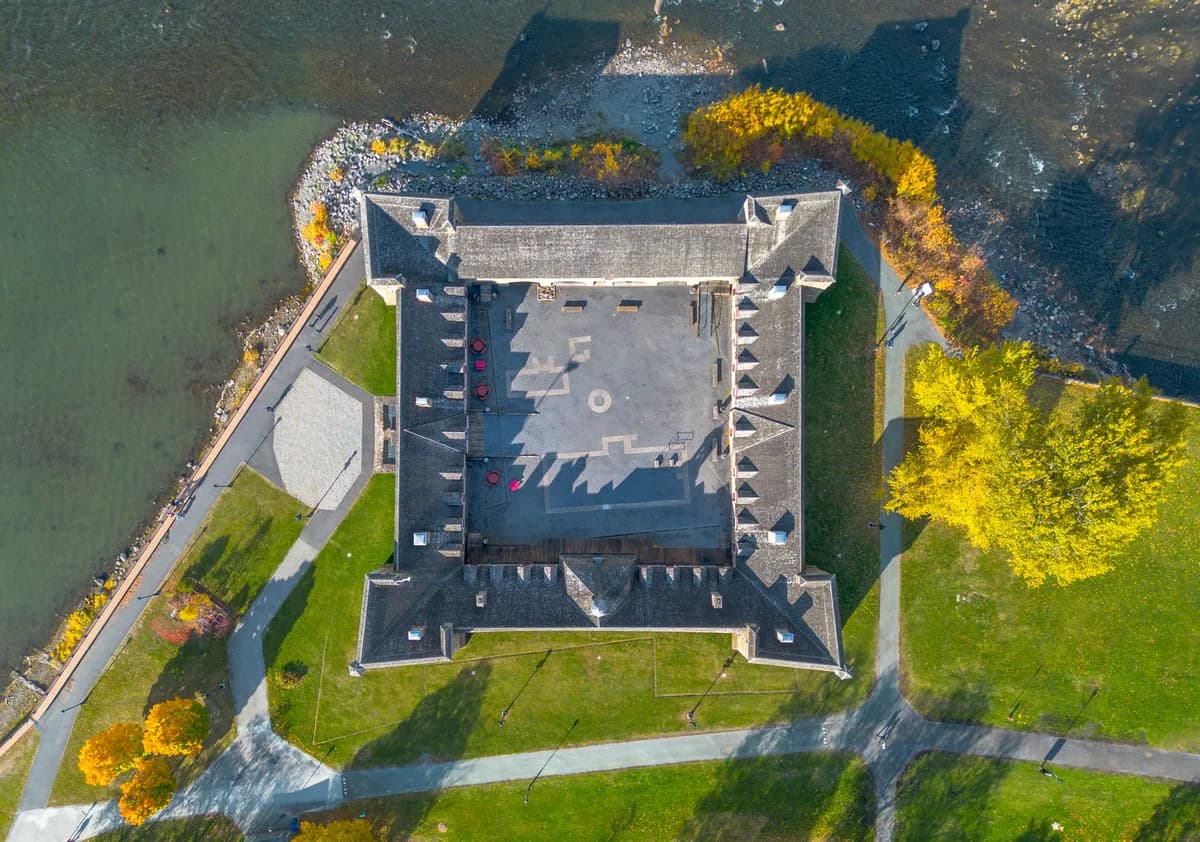
Fort Chambly National Historic Site
Built of stone in 1711 at the foot of the Richelieu rapids, after three successive wooden forts, this fortification was a pillar of New France's defence against British invasions coming from Lake Champlain.
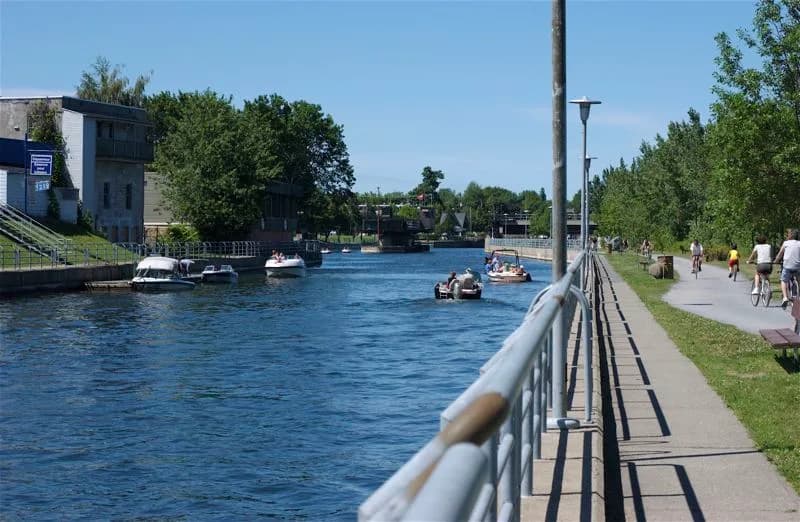
Chambly Canal National Historic Site
North America's first fortified lock structure and a direct ancestor of the St. Lawrence Seaway, this 20 km canal with nine locks links Chambly to Saint-Jean-sur-Richelieu, bypassing the river's historic rapids.
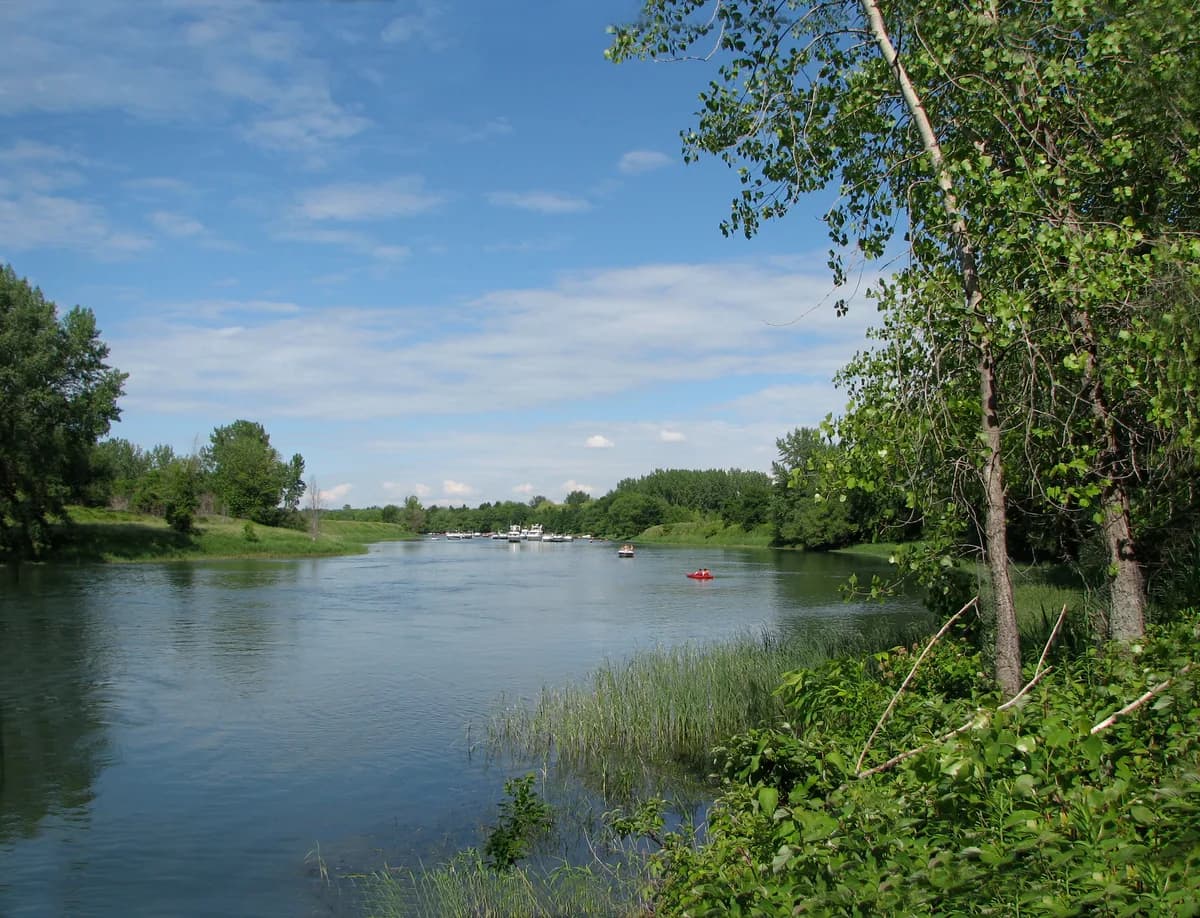
Îles-de-Boucherville National Park
An archipelago of five small islands right in the middle of the St. Lawrence River, just minutes from downtown Montréal, this park, reachable by river shuttle, combines wildlife channels, archaeological remains, and the site of one of Québec's earliest, now-vanished amusement parks.
Brome-Missisquoi and Richelieu Valley Wine Route
A network of vineyards, cideries, orchards, and chocolate makers spread along marked agritourism circuits, this gourmet route builds on Montérégie's historic farming vocation to offer a discovery of local terroirs through tastings and bucolic landscapes.
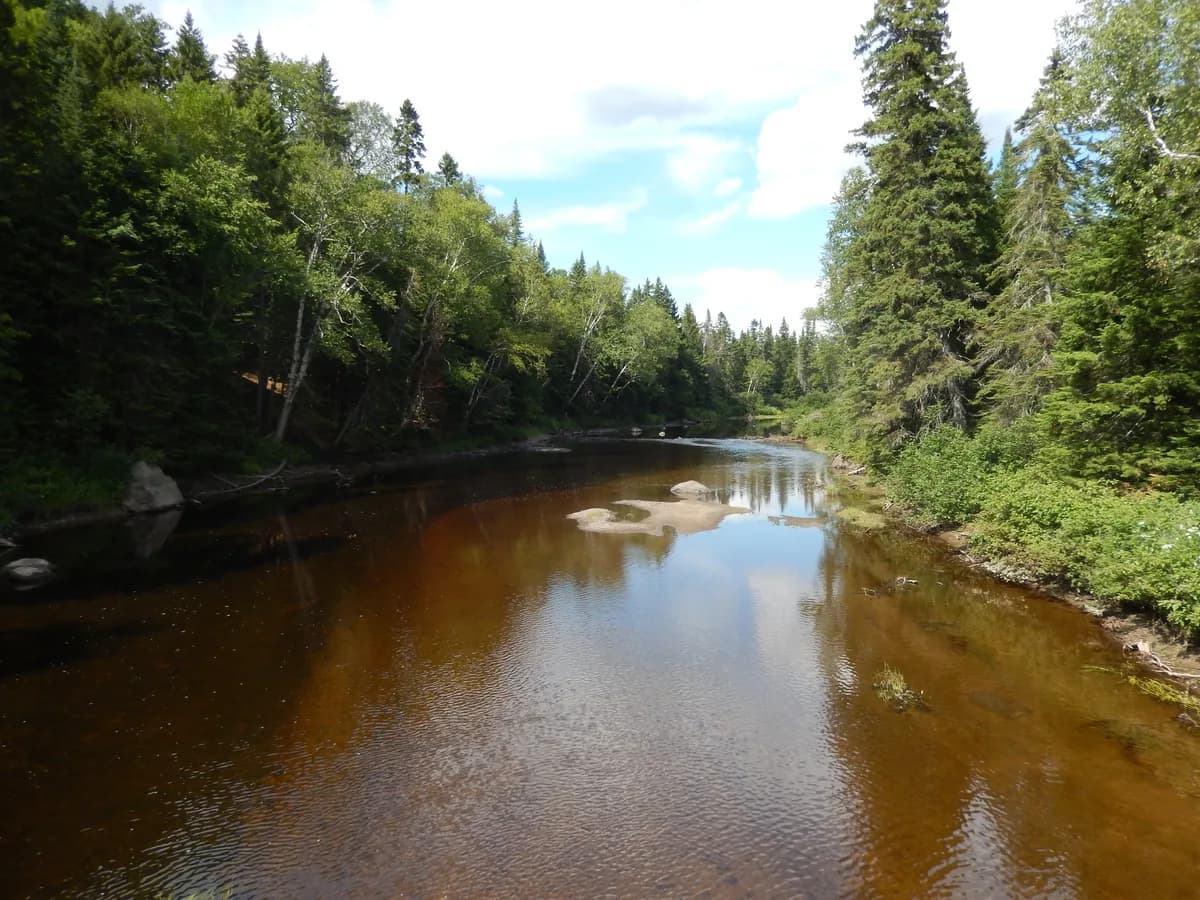
Parc des Appalaches
Spreading 140 kilometres of dog-friendly hiking trails through the mountainous foothills of southern Chaudière-Appalaches, this regional park offers canoeing, forest shelters, and the climb up Mont Sugar Loaf, the territory's highest point.
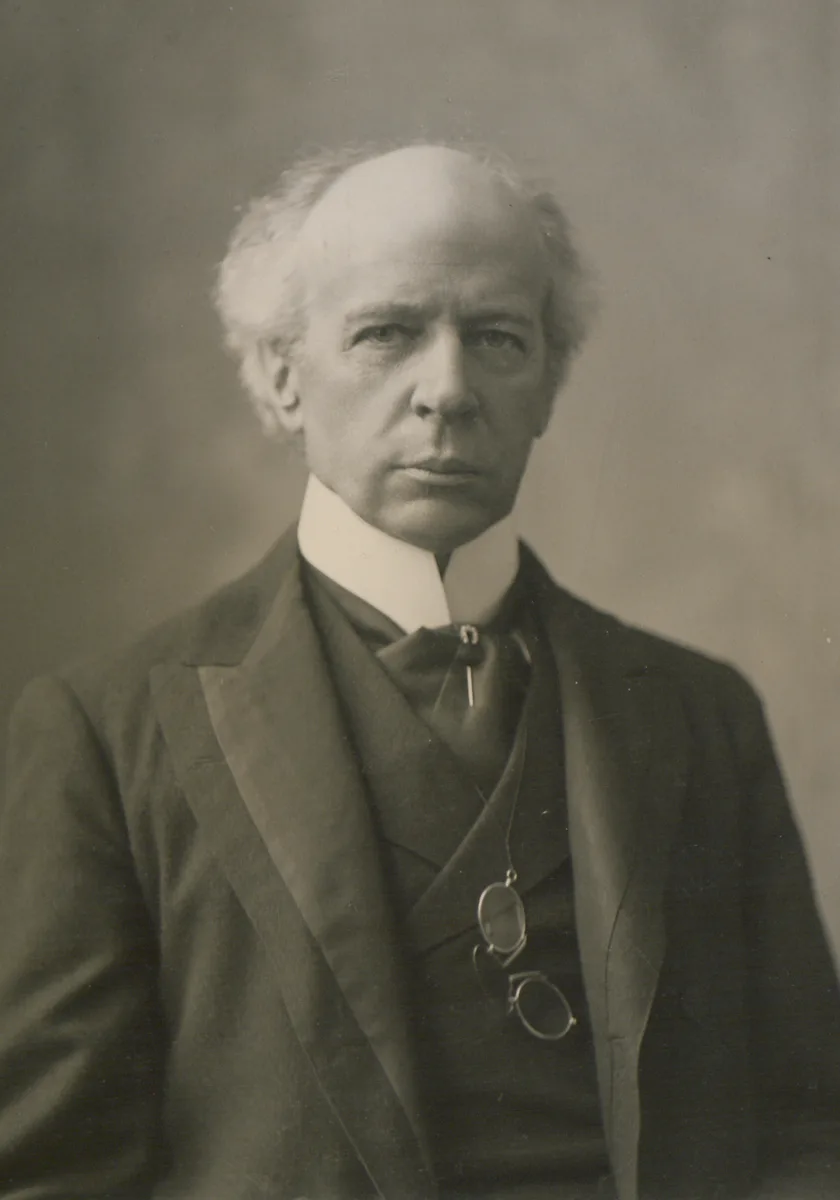
Musée Laurier — Wilfrid-Laurier House National Historic Site
The personal residence of Sir Wilfrid Laurier, the first French-Canadian to lead Canada's government, this elegant Italianate house, built in 1876, has housed since 1929 a museum devoted to the career of this statesman, the longest-serving prime minister in Canadian history.
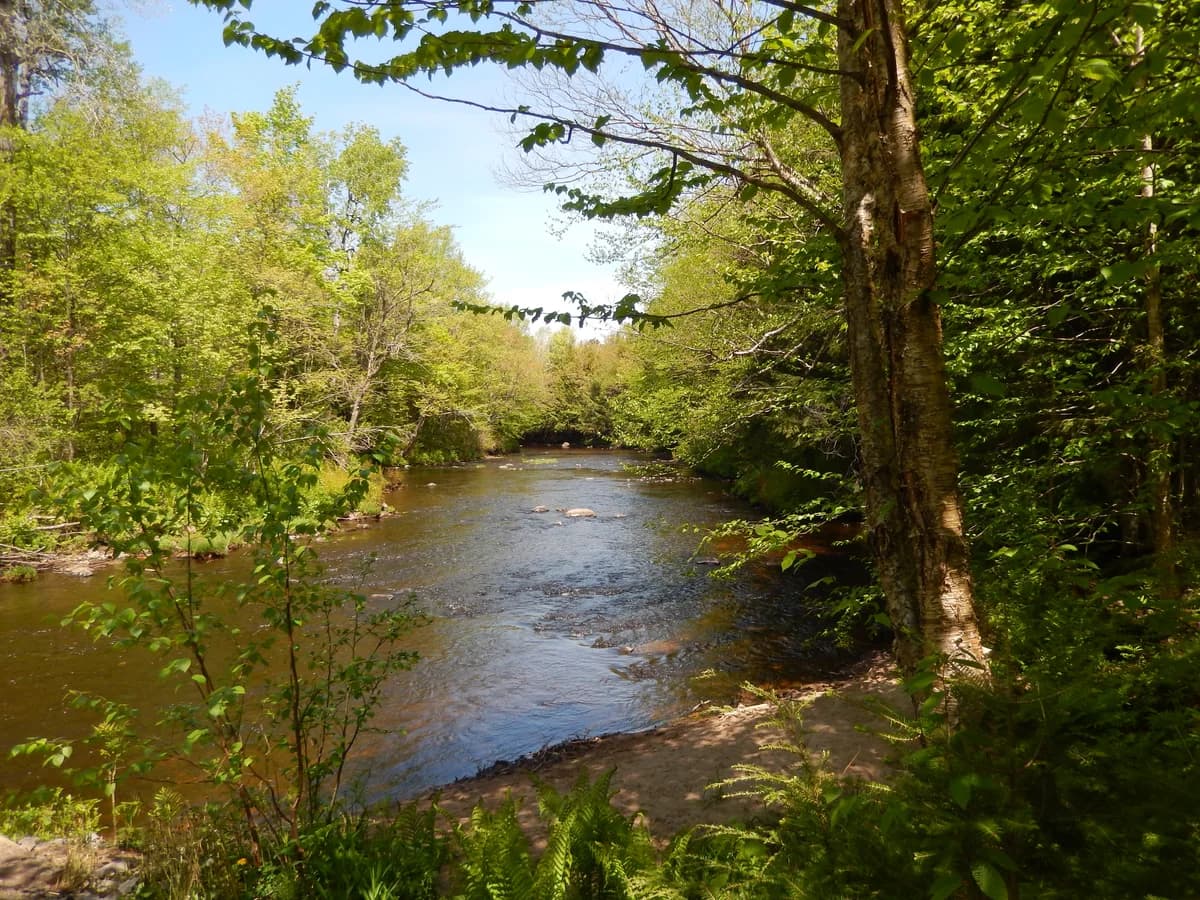
Grandes Coulées Regional Park
Set along the Rivière Noire in the Plessisville area, this regional park offers a network of gently graded trails, especially charming through its old-growth forest section, ideal for trout fishing, ropes courses, and wildlife watching.
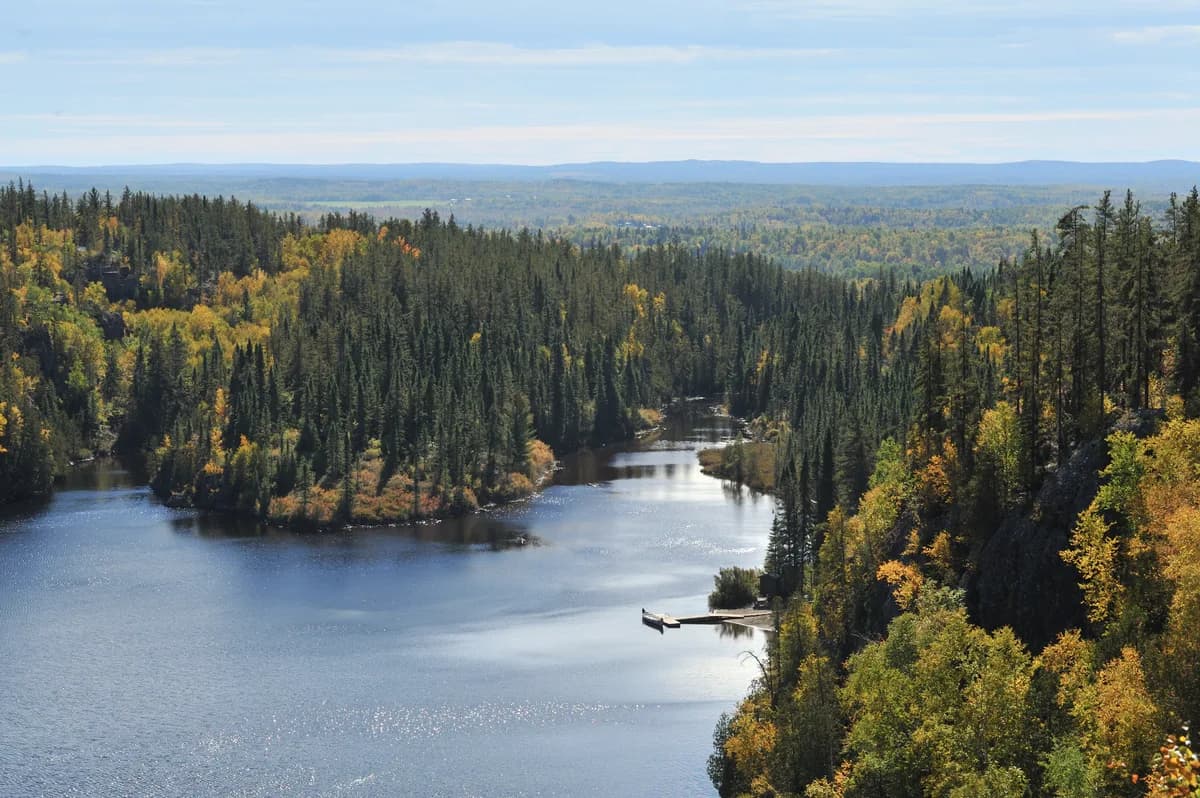
Aiguebelle National Park
Located at the geographic heart of the quadrilateral formed by Val-d'Or, Amos, Rouyn-Noranda, and La Sarre, this park, created in 1985, protects the Abitibi clay belt and the Abijévis hills, right along the watershed divide between Hudson Bay and the St. Lawrence.
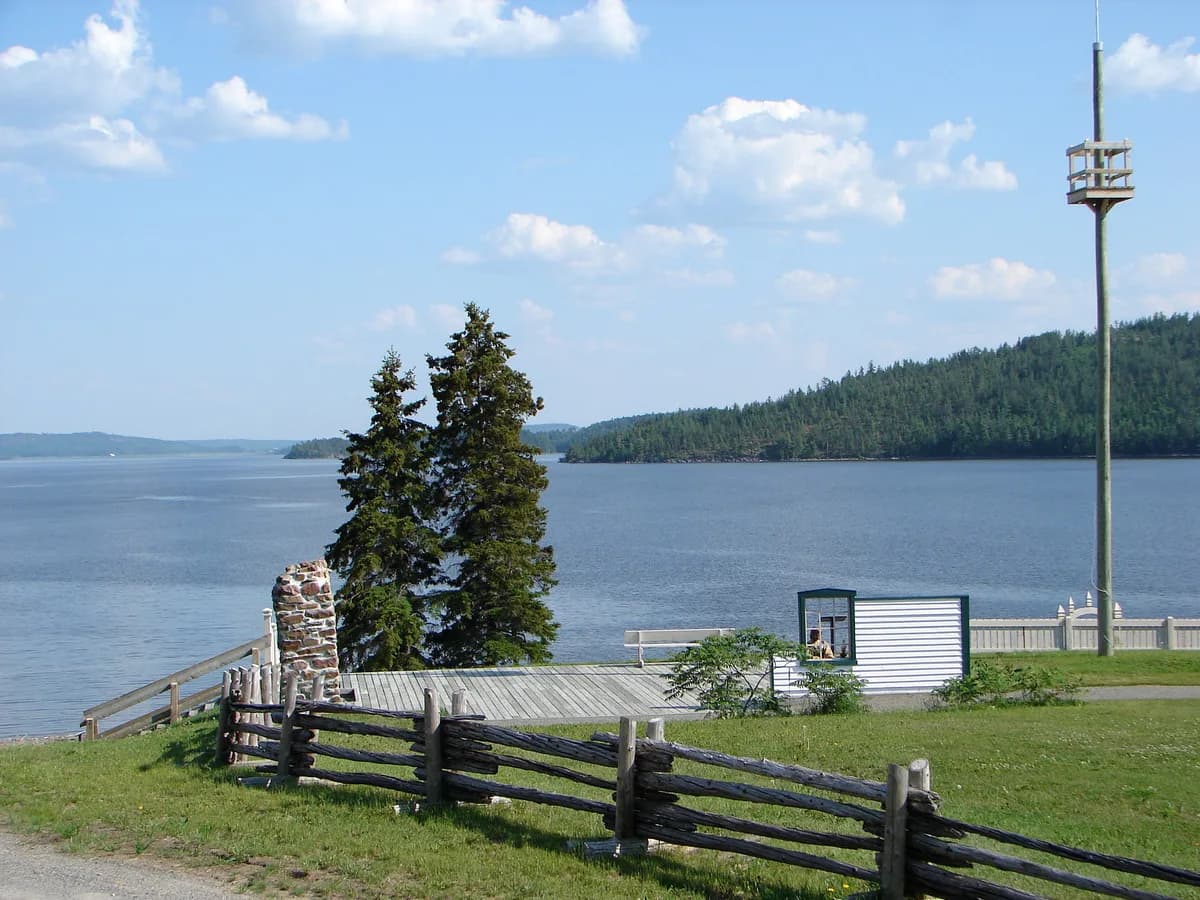
Fort-Témiscamingue–Obadjiwan National Historic Site
A fur-trading post frequented by the Algonquin for centuries, this historic site on the shore of Lake Témiscamingue traces more than two centuries of French, then British, occupation, built around a strategic location at the crossroads of northern trade routes.
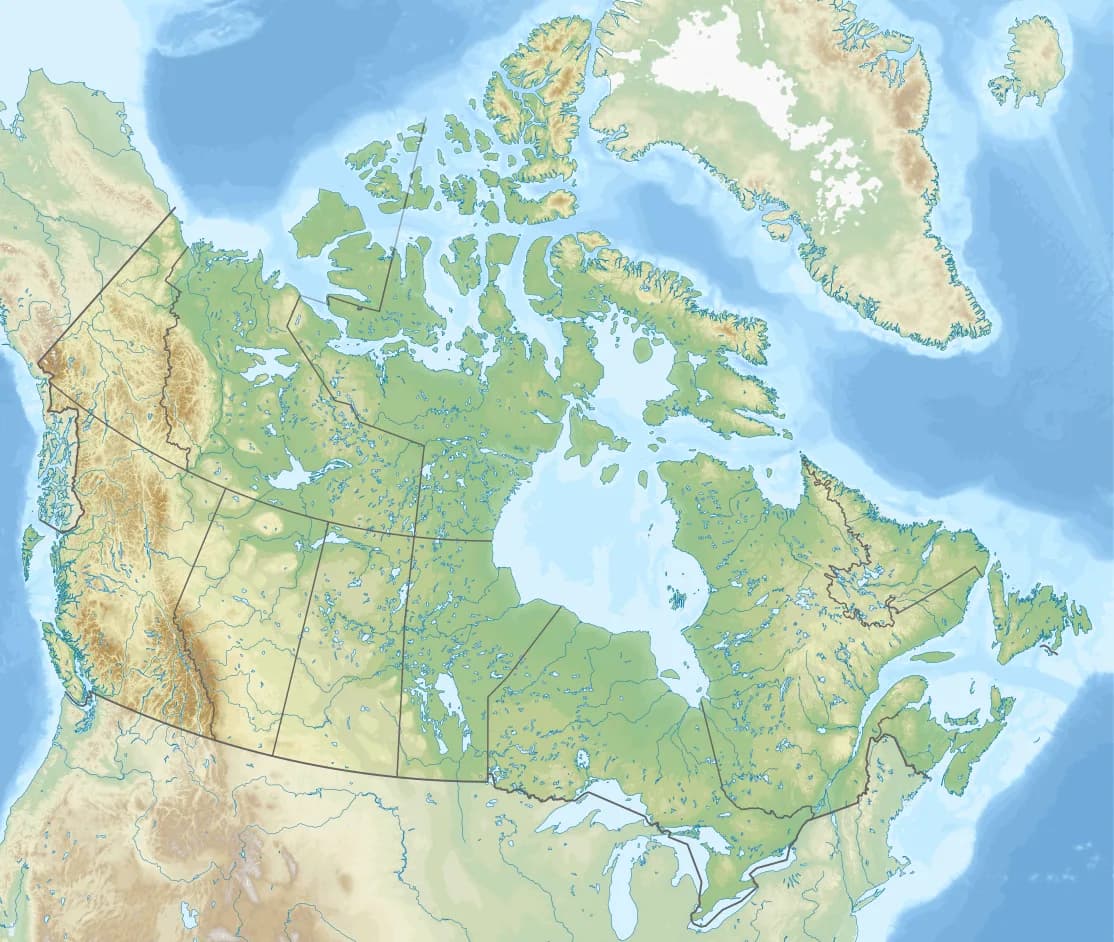
Lacs-Albanel-Mistassini-et-Waconichi Wildlife Reserve
Jointly managed and then fully delegated to the Cree Nation of Mistissini in 2017, this vast 16,400 km² reserve protects majestic Lake Mistassini, Québec's largest natural lake, renowned for its exceptional lake trout and northern pike catches.
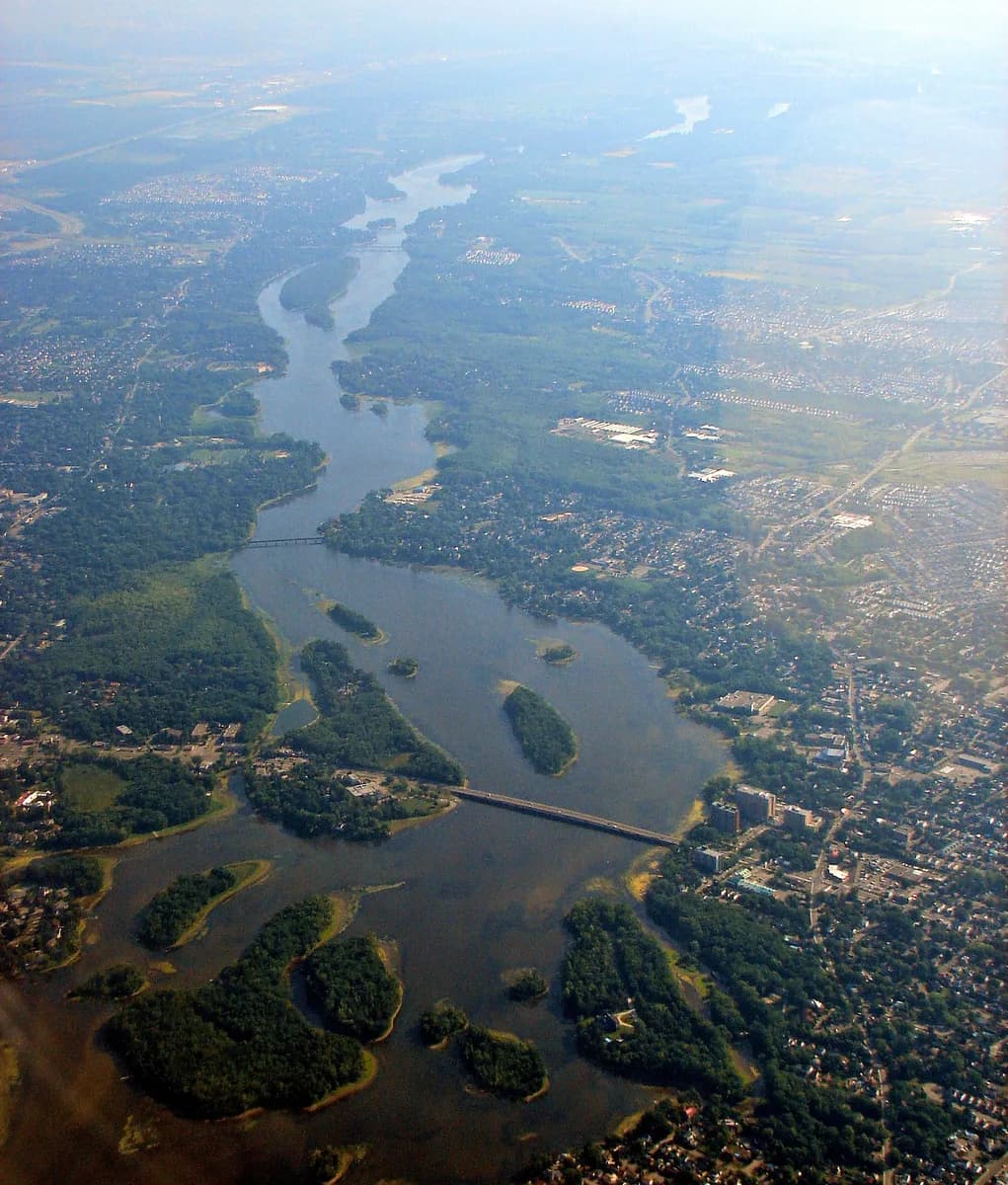
Parc de la Rivière-des-Mille-Îles
The largest protected wildlife area in the greater metropolitan region, this park, managed by the Éco-Nature organization, evokes the bayous of Louisiana with its marsh and swamp-forest landscape, offering exploration by canoe, kayak, or narrated cruise through its island archipelago.
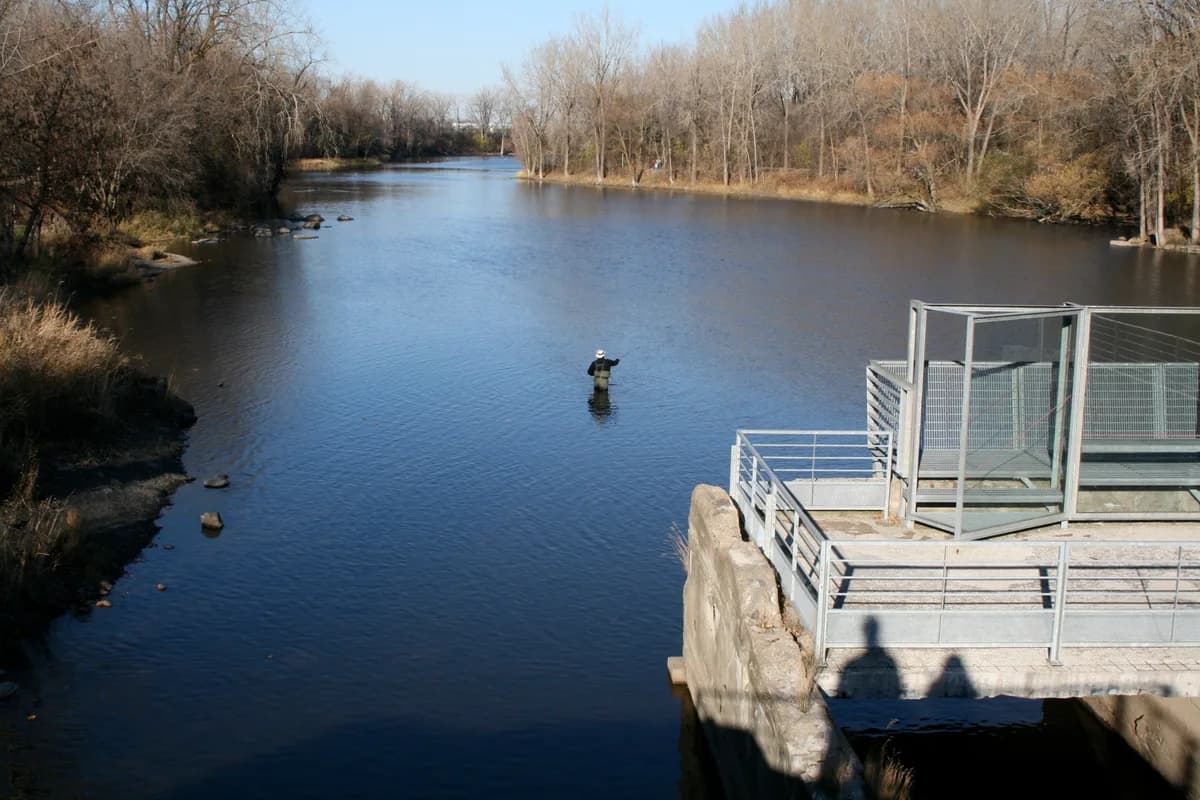
Île de la Visitation
A small island nestled at the confluence of the Rivière des Prairies, this nature park preserves the remains of a former seigneurial mill and offers a heritage and nature trail popular for hiking and riverside wildlife watching right in the heart of the city.
Looking for a guided tour?
Explore Québec with a local guide
Guided tours, excursions and unforgettable experiences — book easily via Viator.
Browse guided tours →