🚫Dogs forbiddenSearch accommodation →
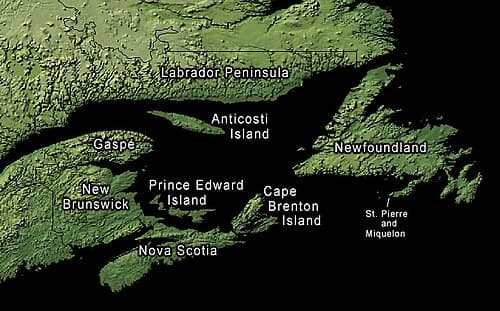
Québec's largest island, comparable in area to Corsica, Anticosti is home to Vauréal Falls, 76 metres high, as well as Québec's longest known cave, in a territory shaped by the legacy of a fabulously wealthy French chocolate magnate.
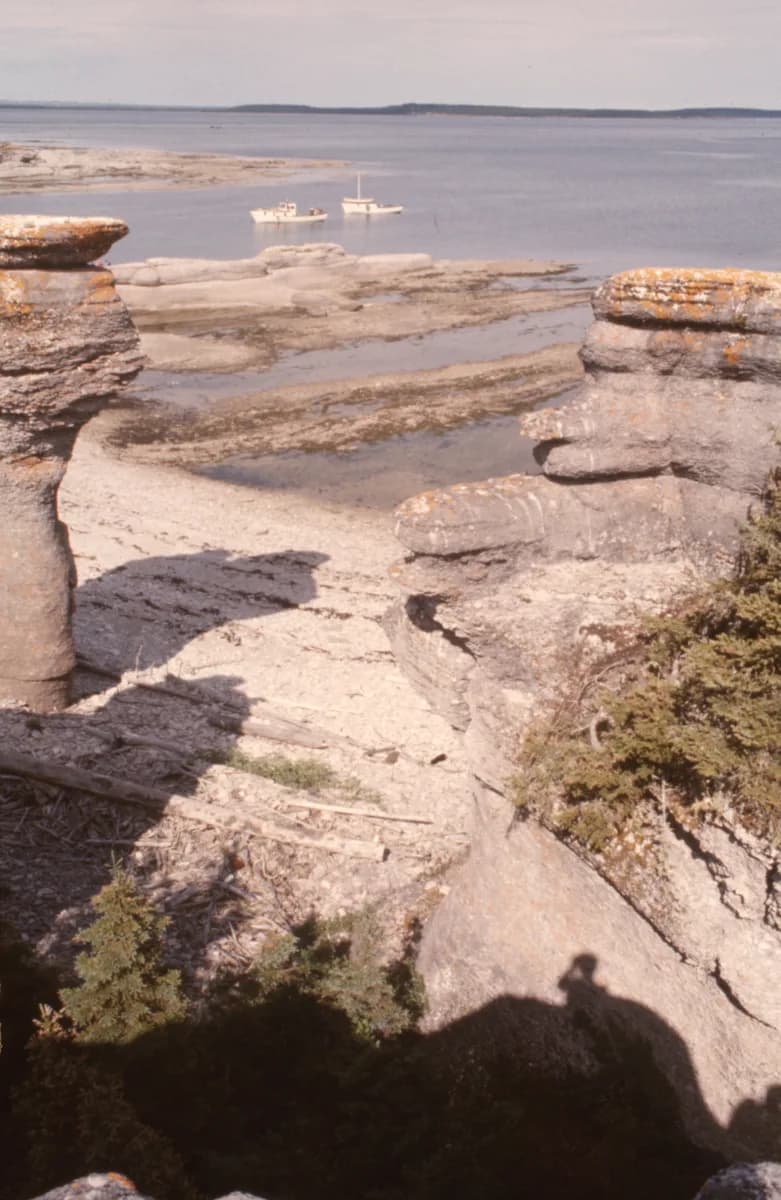
The modern history of Anticosti Island is inseparable from that of Henri Menier, a wealthy French chocolatier who acquired the entire island in 1895 for the considerable sum of 125,000 dollars at the time, with the goal of transforming it into a private hunting estate. It was during this era that Virginia deer were introduced to the island, and freed from any natural predators, they have since proliferated to the point of numbering over 115,000 head—one of the highest densities for this species worldwide—creating considerable pressure on the regeneration of the original forest, as demonstrated by fenced experimental enclosures where vegetation is noticeably denser than outside their boundaries. The village of Port-Menier, the island's only inhabited center with approximately 260 residents, takes its name from its founder and remains today the sole gateway to the territory, accessible only by plane or the Bella Desgagnés, a maritime supply vessel. The national park, created to protect a portion of this 7,943 km² island territory, showcases remarkable geological attractions: Vauréal Falls plunges 76 meters into a canyon more than 90 meters deep and 3.2 kilometers long, while Grotte à la Patate, stretching 625 meters, ranks among Quebec's most significant underground cavities and is accessible with helmet and headlamp provided on-site. The Transanticostienne, a dirt road crossing the island from west to east for more than 220 kilometers, serves the entire territory and testifies to the geographic isolation that gives Anticosti its distinctive character as a truly off-the-beaten-path destination.
Learn more about Côte-Nord+
Summer and winter activities, tourist attractions, restaurants and accommodations — explore all that Côte-Nord has to offer.
Explore the region →🏨 Nearby accommodations
Budget
Comfort
Accommodation nearby
Find a hotel in L'Île-d'Anticosti
Compare and book via Booking.com
☀️ Activities — Summer
1 nearby options · straight-line distance from this site