Abitibi-Témiscamingue·Outdoor Activities & Sports
Lake Témiscamingue and the Logging Route
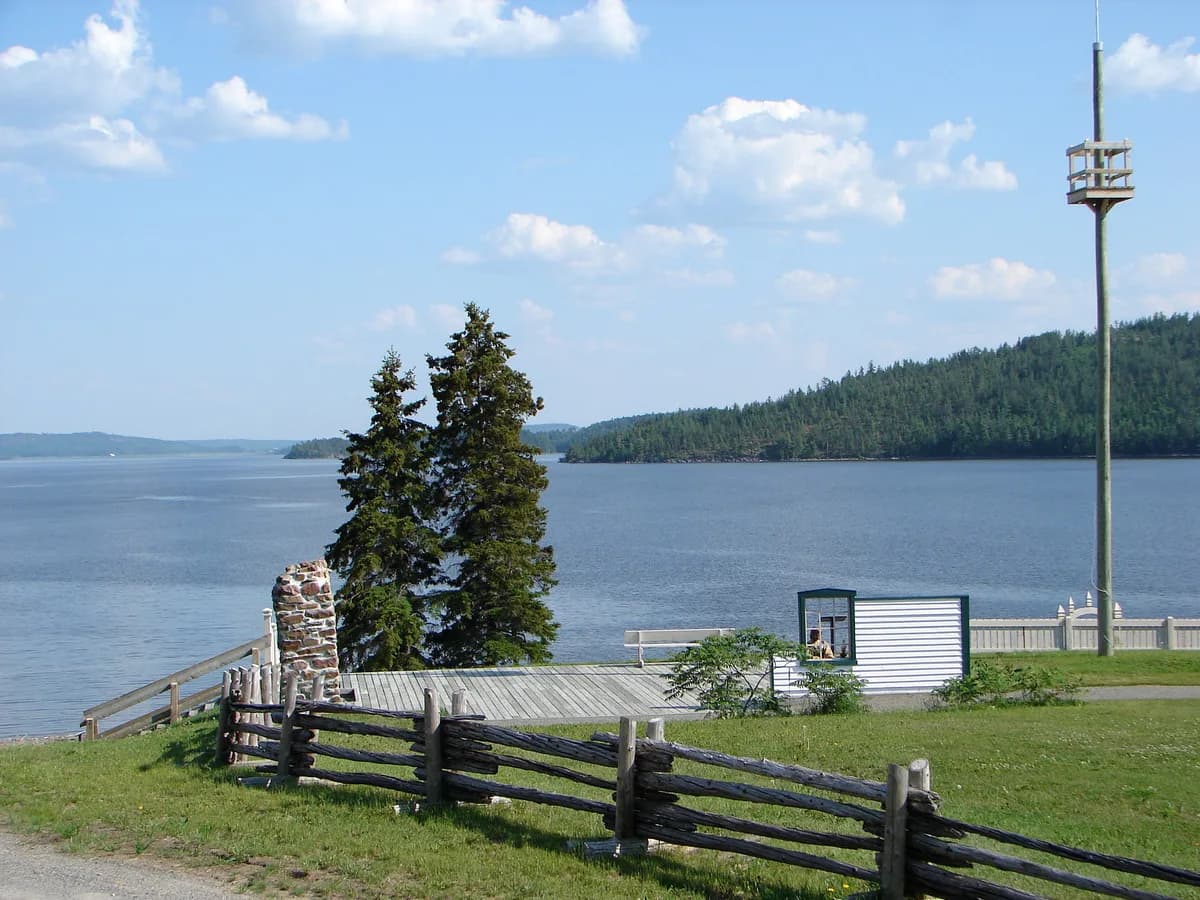
A natural widening of the Ottawa River straddling the border between Québec and Ontario, this vast body of water shaped the regional forestry economy as early as the 19th century, its shores still home today to picturesque villages and four-season water activities.
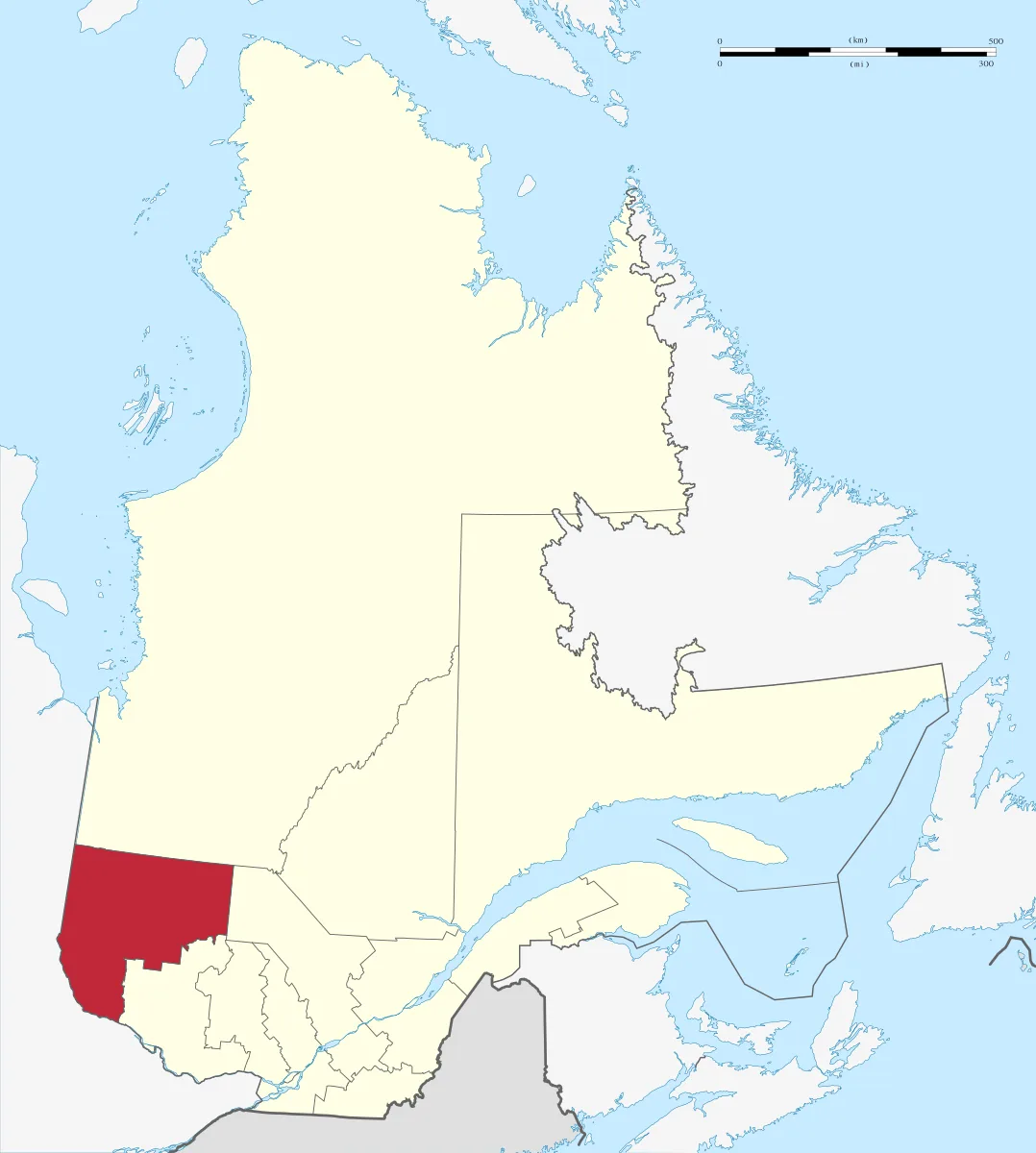
Lake Témiscamingue, a natural widening of the Ottawa River extending along the Quebec-Ontario border, has long served as the vital artery of economic development in this southern portion of Abitibi-Témiscamingue, with timber merchants rediscovering this northern frontier in the 19th century to exploit the vast surrounding forest resources. The town of Témiscaming, founded and developed around the rapids where wood rafts gathered annually for the timber drive southward, eloquently illustrates this foundational economic vocation, while Ville-Marie, the administrative seat of the region, maintains a long-established francophone presence on these shores where agricultural operations and recreational tourism activities flourish side by side today. The territory surrounding the lake, rich in the rolling landscapes typical of this portion of the Canadian Shield, now offers a particularly appealing year-round playground for outdoor enthusiasts: pleasure boating and sport fishing in summer, snowmobiling and ice fishing in winter, all set within a landscape where the tranquility of vast northern spaces remains a distinctive characteristic, far removed from the urban bustle of major Quebec centers. This border geography, shared with the neighboring province of Ontario, also gives the Lake Témiscamingue region a particular regional identity within Abitibi-Témiscamingue, distinct from the more mining-focused economy that characterizes the more northern sectors of Val-d'Or and Rouyn-Noranda.
Address
Secteur de Ville-Marie et Témiscaming, Témiscamingue (QC)
Learn more about Abitibi-Témiscamingue+
Summer and winter activities, tourist attractions, restaurants and accommodations — explore all that Abitibi-Témiscamingue has to offer.
Explore the region →🏨 Nearby accommodations
Comfort
Luxury
Accommodation nearby
Find a hotel in Les Lacs-du-Témiscamingue
Compare and book via Booking.com