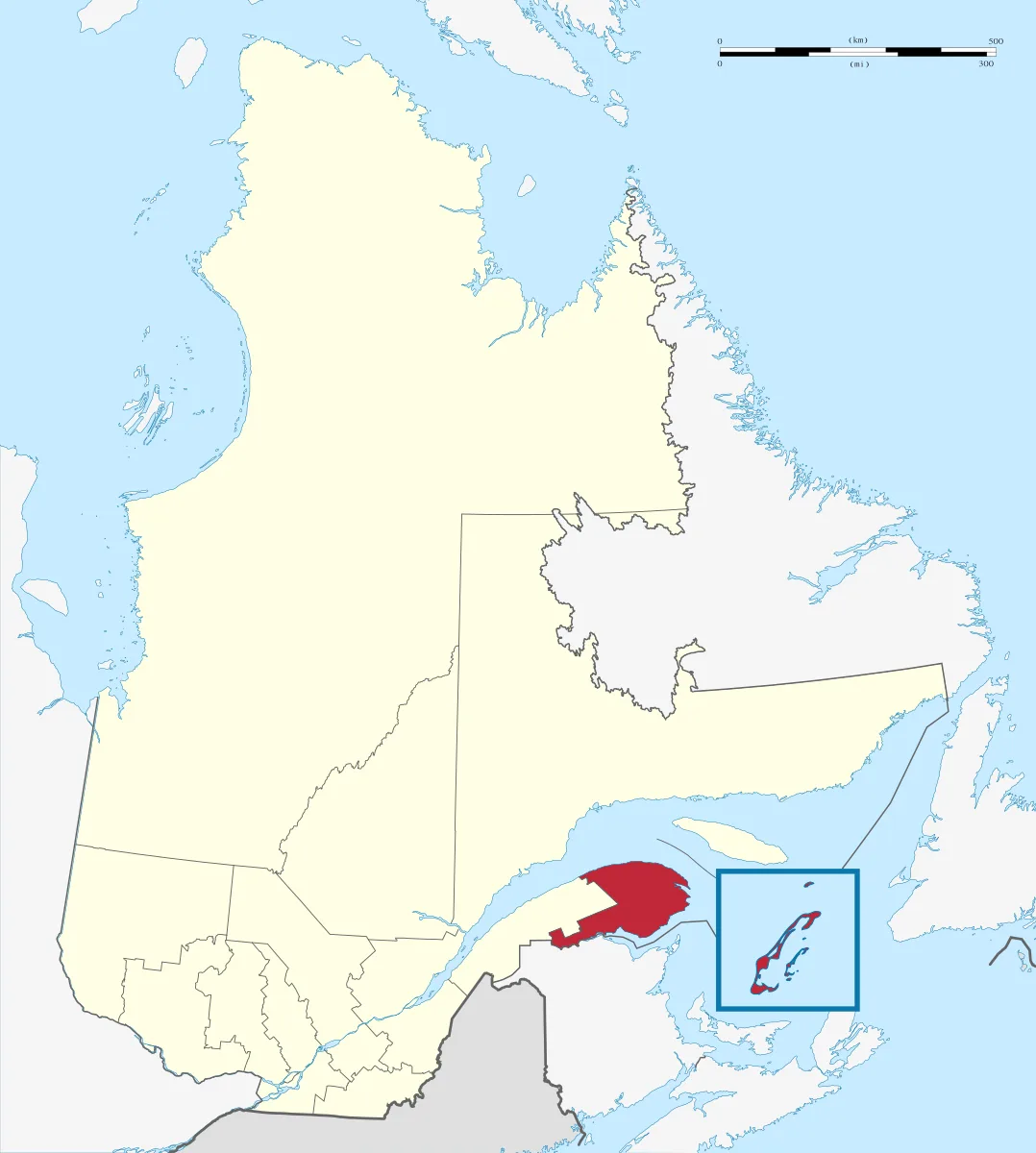
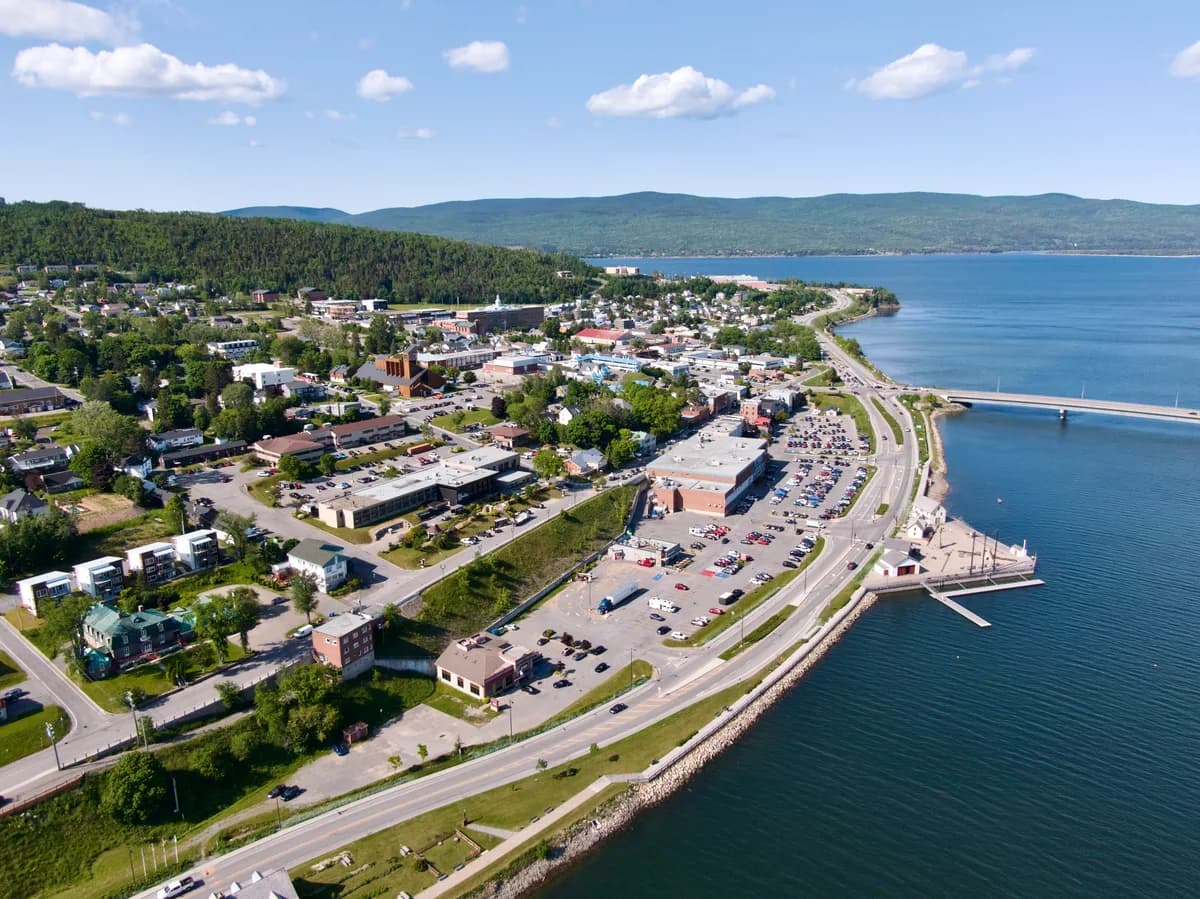
A founding town where Jacques Cartier took possession of the territory in the name of the King of France in 1534, Gaspé pairs this founding heritage with its regional museum, which traces five centuries of history of the First Nations, fishers, and settlers who shaped the peninsula's identity.
Address
80, boulevard de Gaspé, Gaspé (QC) G4X 2A9
Website
museedelagaspesie.caLearn more about Gaspésie+
Summer and winter activities, tourist attractions, restaurants and accommodations — explore all that Gaspésie has to offer.
Explore the region →🏨 Nearby accommodations
Accommodation nearby
Find a hotel in Gaspé
Compare and book via Booking.com
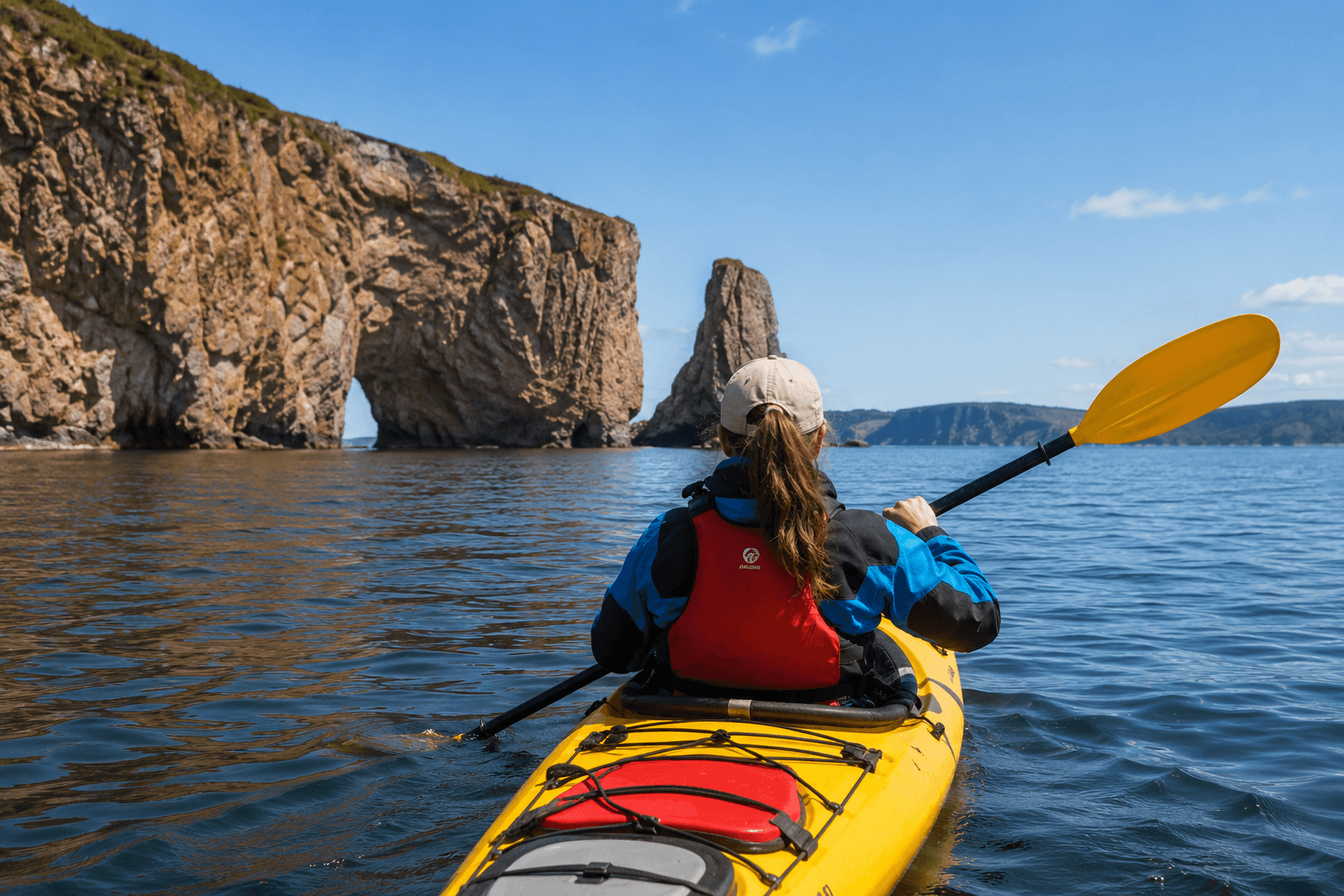 🏕️Sport d'aventure et de plein-air📍 6.6 km
Horizon
Sport d'aventure et de plein-air · Kayak de mer · Planche à pagaie (SUP) · Randonnée pédestre · Interprétation / observation de la nature
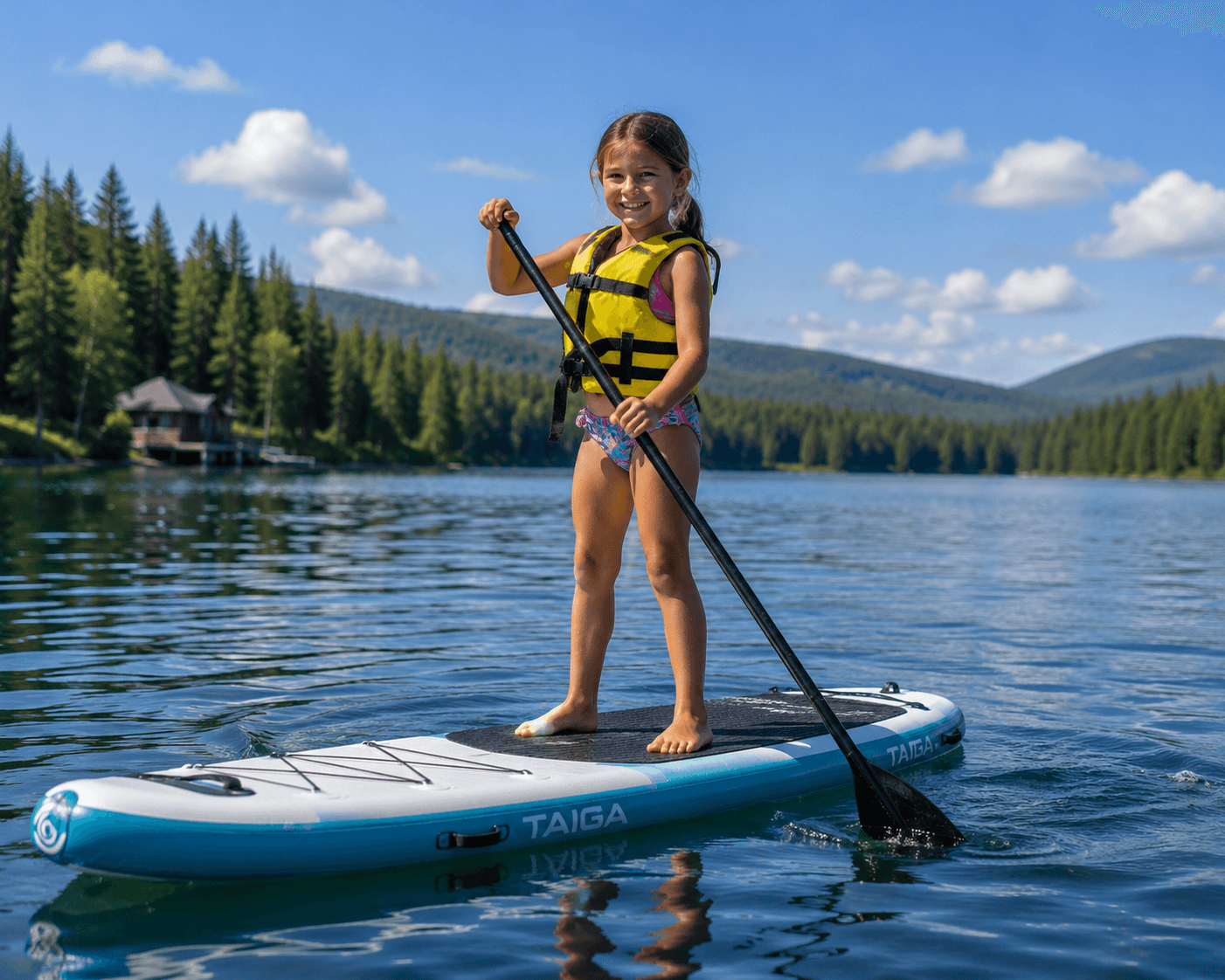 ⛵Marina📍 6.6 km
Marina de Gaspé / Club nautique Jacques-Cartier/École de voile le Cormoran
Marina · Planche à pagaie (SUP) · Voile
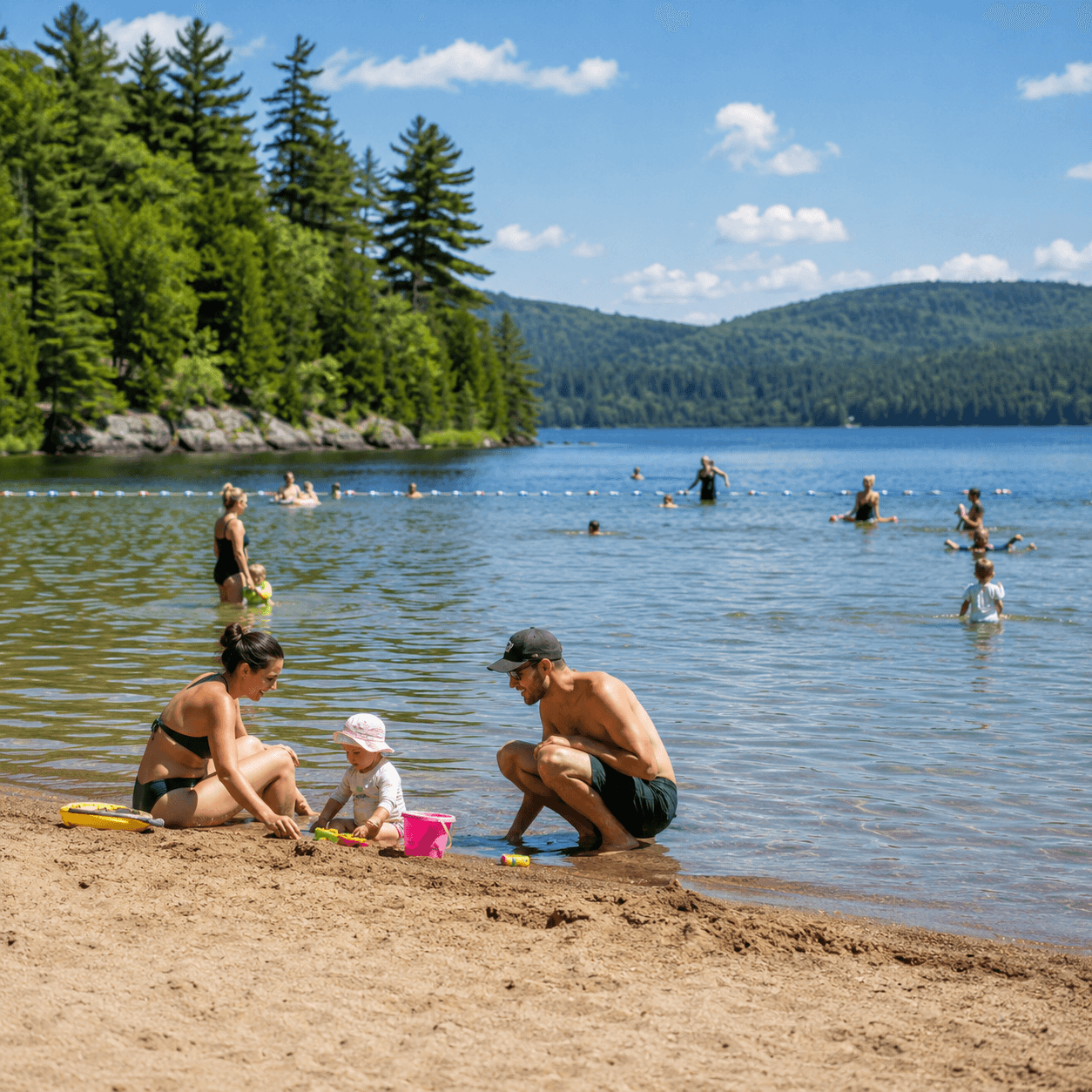 🏕️Sport d'aventure et de plein-air📍 7.5 km
Cap Aventure
Sport d'aventure et de plein-air · Baignade · Kayak de mer · Kayak récréatif · Kayak-camping · Planche à pagaie (SUP) · Vélo · Croisière / excursion en bateau · Interprétation / observation de la nature
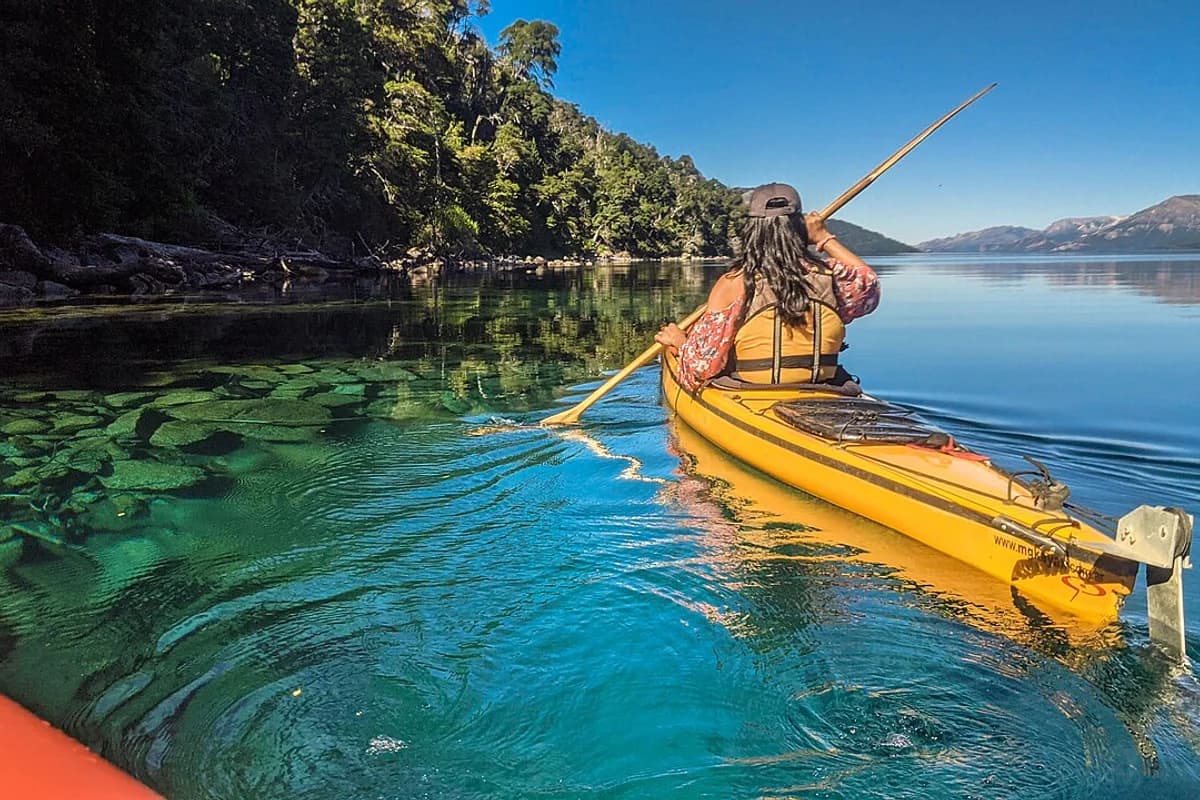
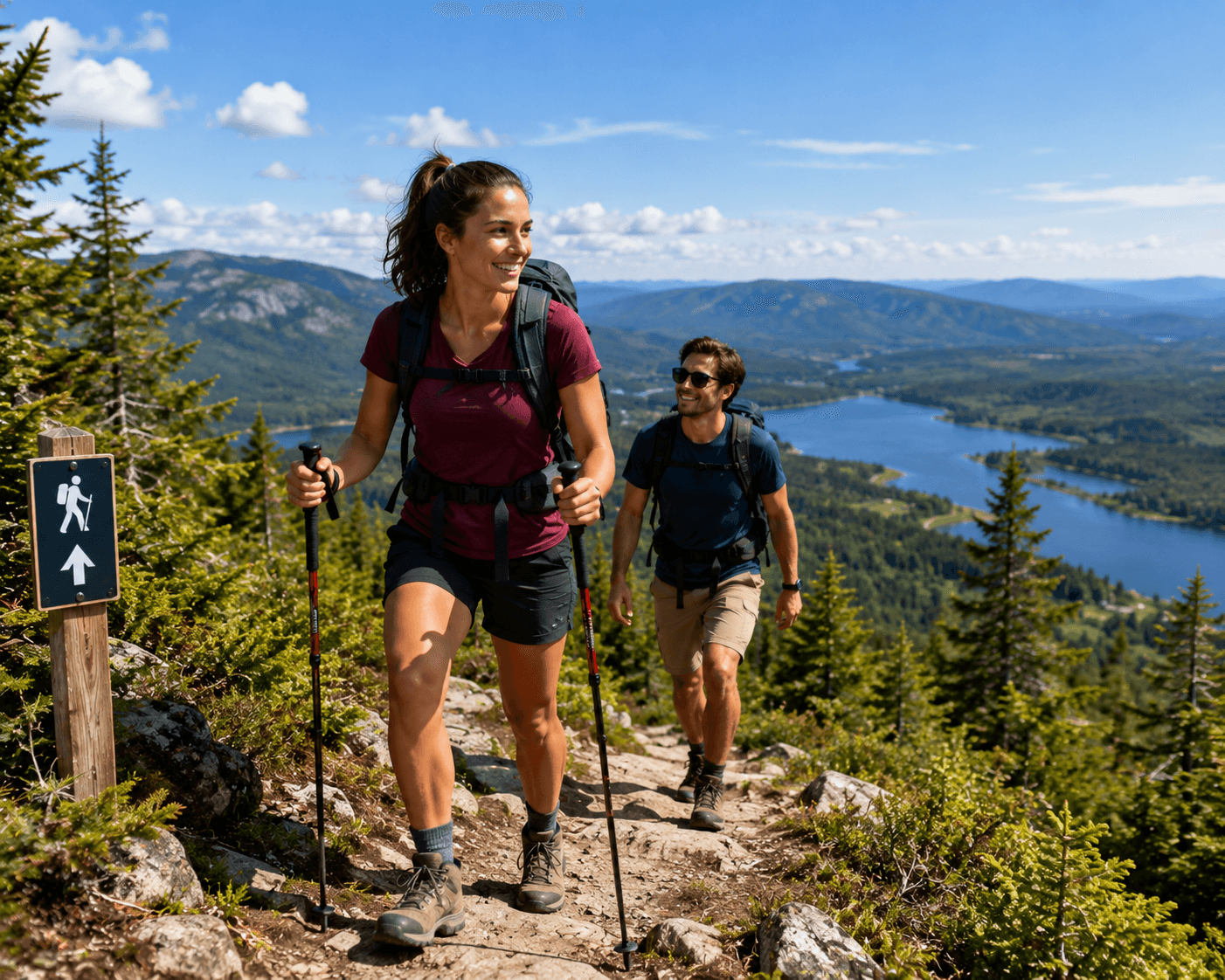 🏕️Sport d'aventure et de plein-air📍 6.6 km
Horizon
Sport d'aventure et de plein-air · Randonnée pédestre · Raquette · Interprétation / observation de la nature
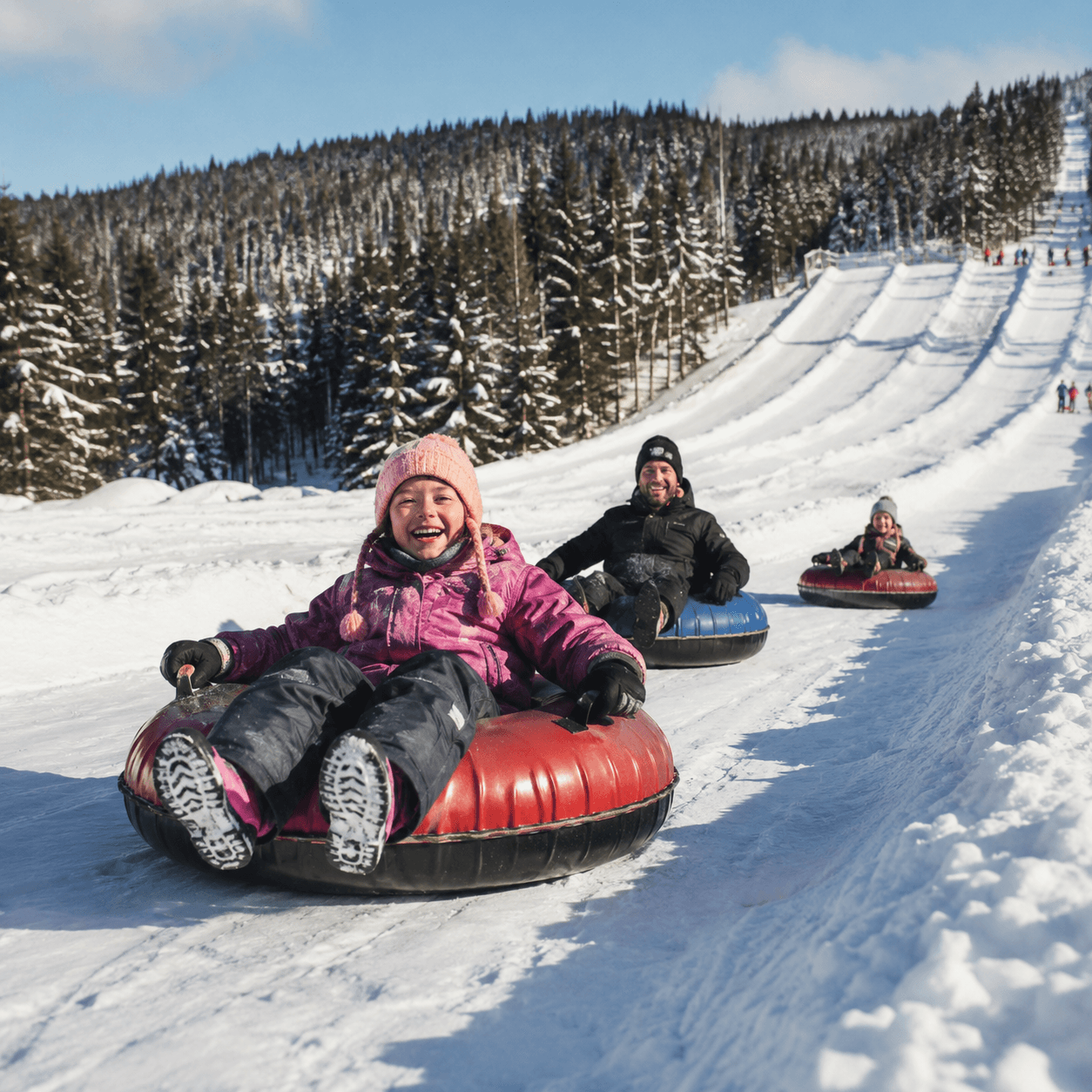 ❄️Glissoire d’hiver📍 10.8 km
Mont-Béchervaise / Glissade sur neige
Glissoire d’hiver · Glissade sur neige
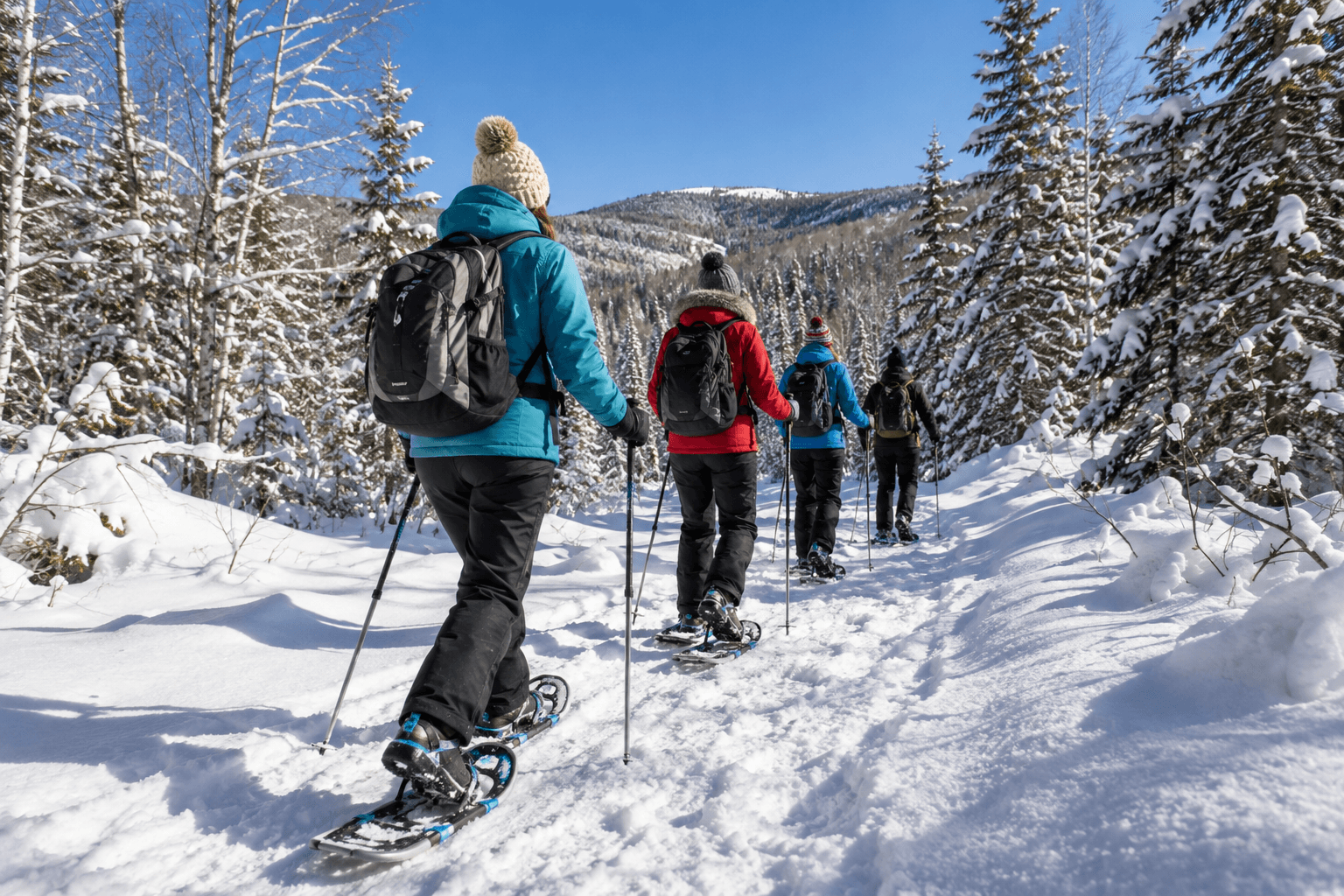 ⛷️Centre de ski alpin / planche à neige📍 10.9 km
Centre de Ski Mont-Béchervaise
Centre de ski alpin / planche à neige · Raquette · Ski alpin / planche à neige · Ski de montagne / randonnée alpine