North America's only Romano-Byzantine-style cathedral, this circular structure, built in 1922–1923, stands out for its copper-clad reinforced-concrete dome, its French stained glass from Rennes, and its Venetian mosaics, the fruit of a founding journey by settlers who arrived by canoe along the Harricana River.
The history of Sainte-Thérèse-d'Avila Cathedral is deeply rooted in the founding epic of the city of Amos: in 1909, the Turcotte families, departing from Saint-Rémi-d'Amherst in search of a promising land, first crossed Saskatchewan and Ontario before settling, after a 24-day canoe journey that began on September 22, 1910, on the banks of the Harricana River at the very location where the city of Amos would be born. As early as 1911, Bishop Latulipe celebrated the first mass at the site chosen for the future church, under the patronage of Saint Thérèse of Ávila, before the parish was canonically established in 1915 and construction of the current building, designed by Montreal architect Aristide Beaugrand-Champagne, began in 1922 and was completed the following year. The elevation to cathedral status came in 1939 with the creation of the Diocese of Amos, consecrating this unique structure in North America for its Romano-Byzantine style and distinctive circular form, a striking contrast to the traditional cruciform shape of Roman Catholic churches. The interior of the edifice, whose exterior is composed of 3,600 stones from Amos and 55,000 clay bricks that underwent major restoration work, reveals to visitors an impressive reinforced concrete dome covered with copper sheeting, stained glass windows imported from Rennes in France, and splendid mosaics of Venetian glass, making this temple—designated a Quebec heritage property in 2003 and celebrated its centenary in 2023—a true architectural jewel in the heart of Abitibi.

 🏕️Centre récréatif / sportif📍 0.9 km
 🌟Entreprise industrielle📍 1.5 km
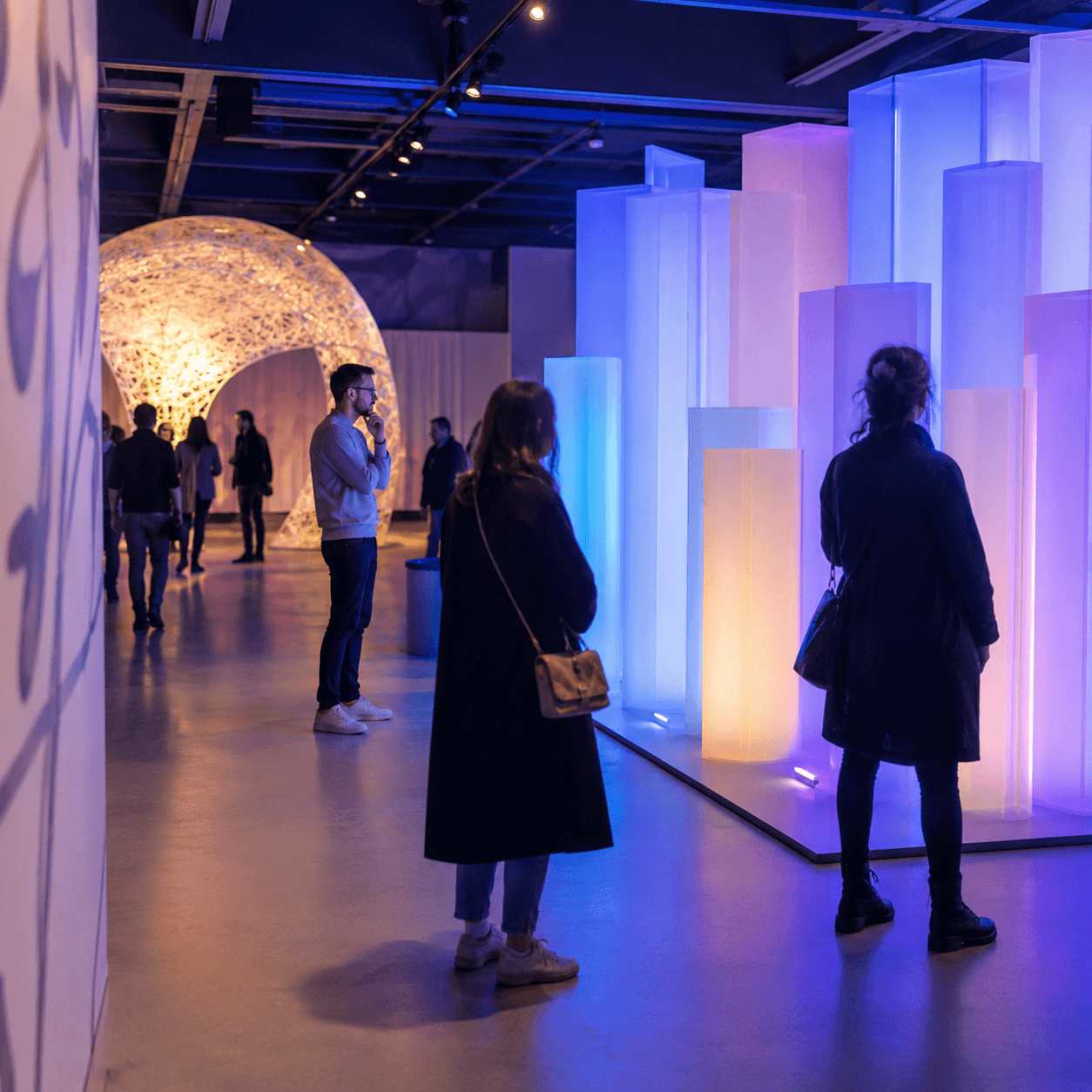 🌳Jardin zoologique📍 6.7 km
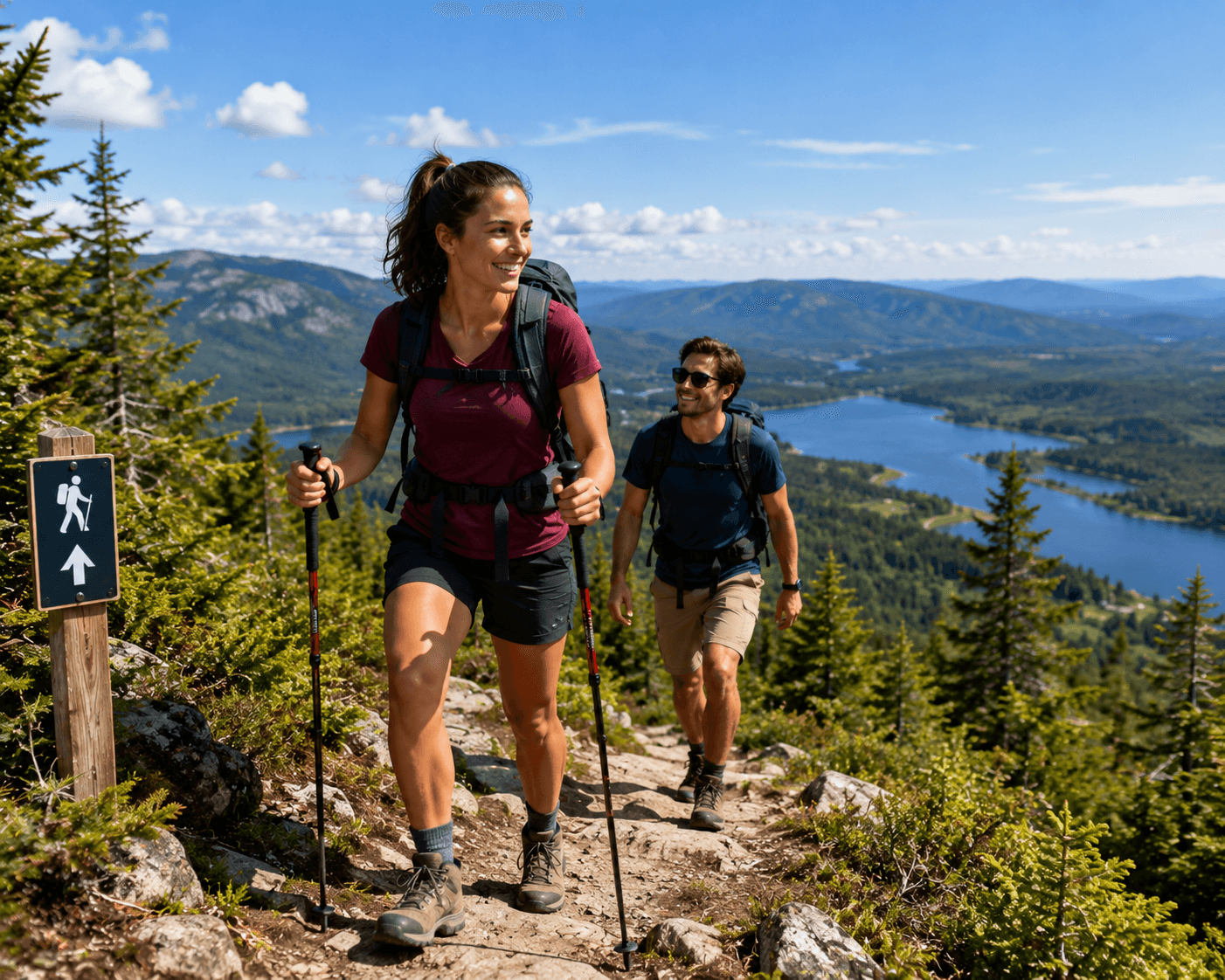 ❄️Piste / sentier📍 8.6 km
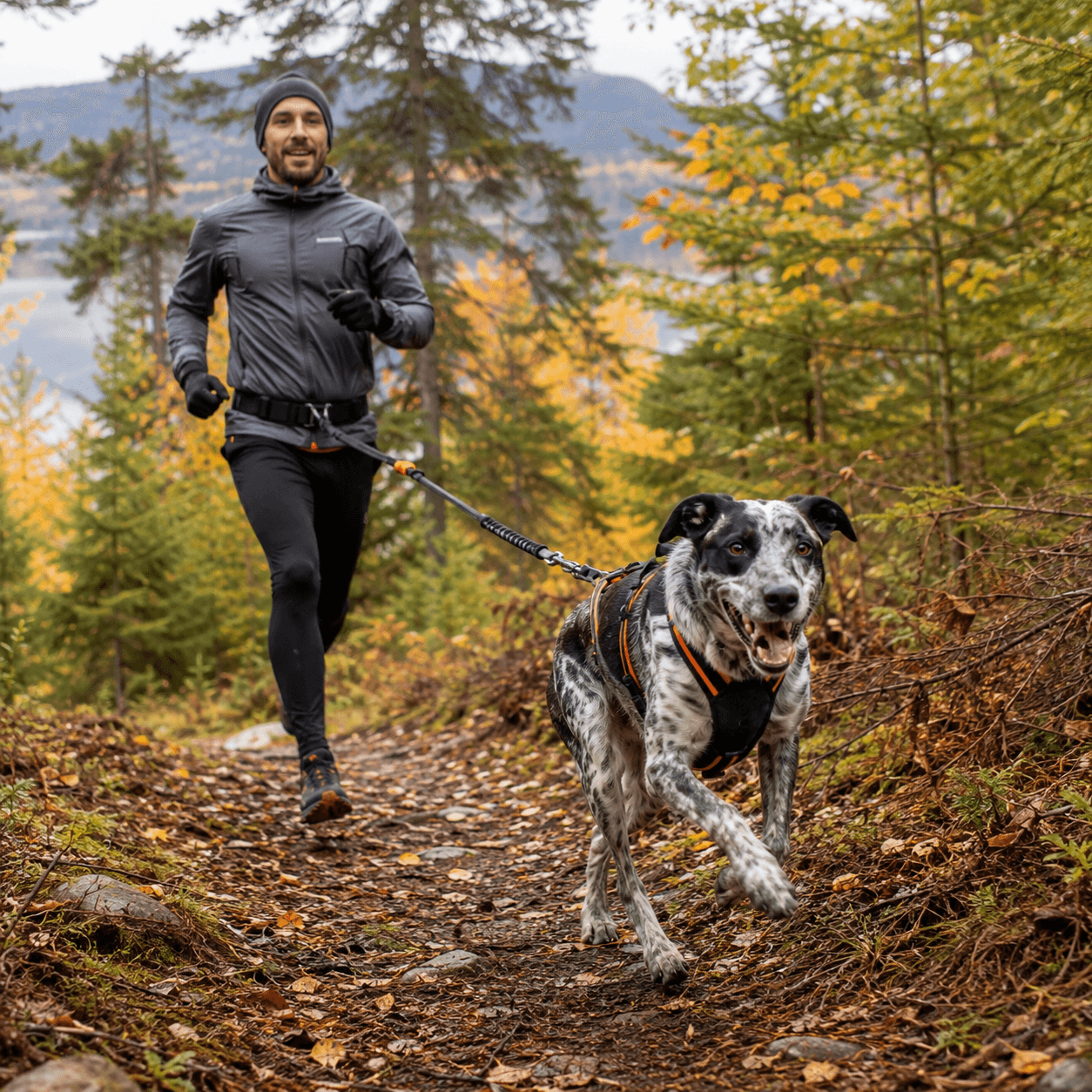 🏕️Sport d'aventure et de plein-air📍 19.1 km
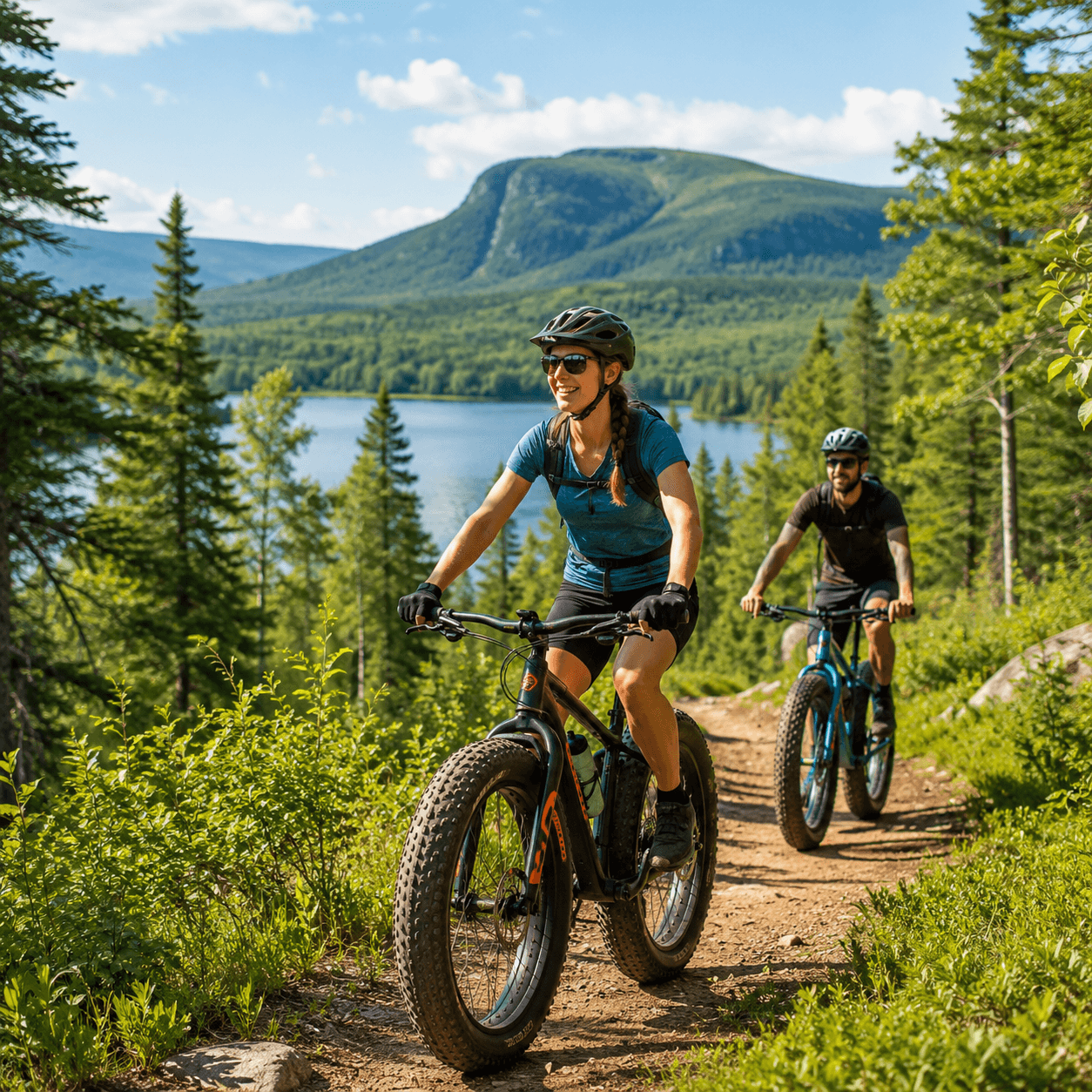 ❄️Piste / sentier📍 19.9 km
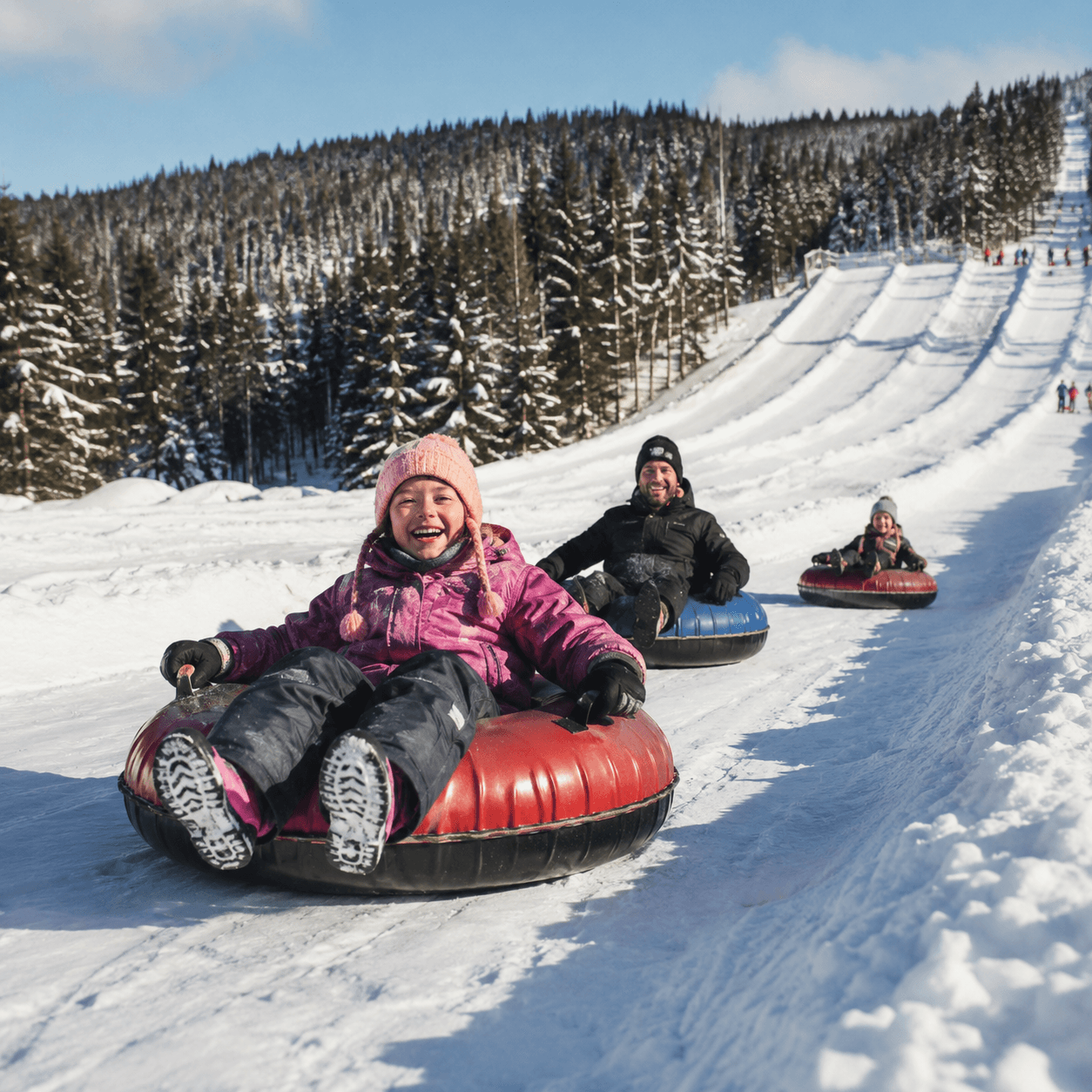 🏕️Sport d'aventure et de plein-air📍 23.4 km
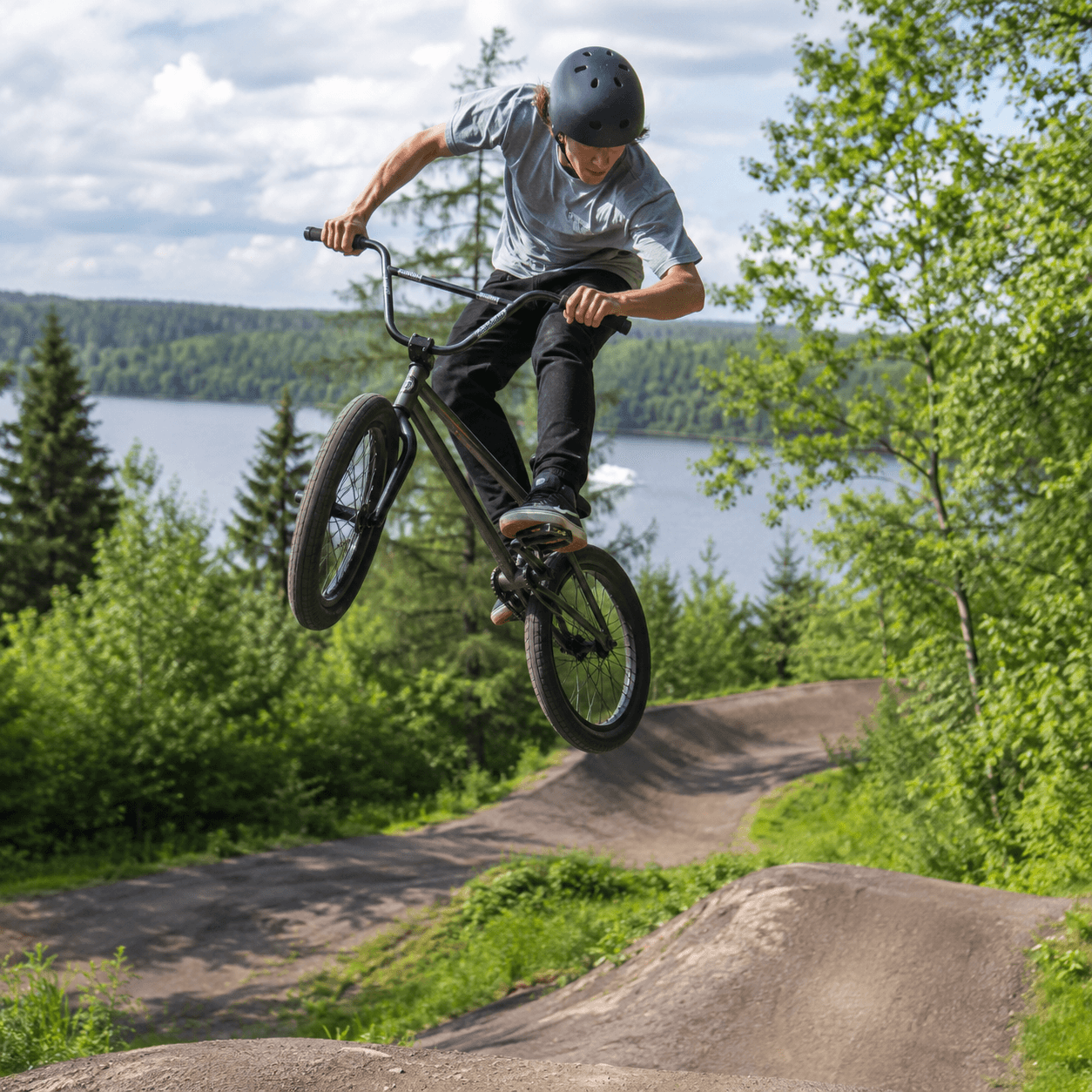 🏕️Centre récréatif / sportif📍 25 km