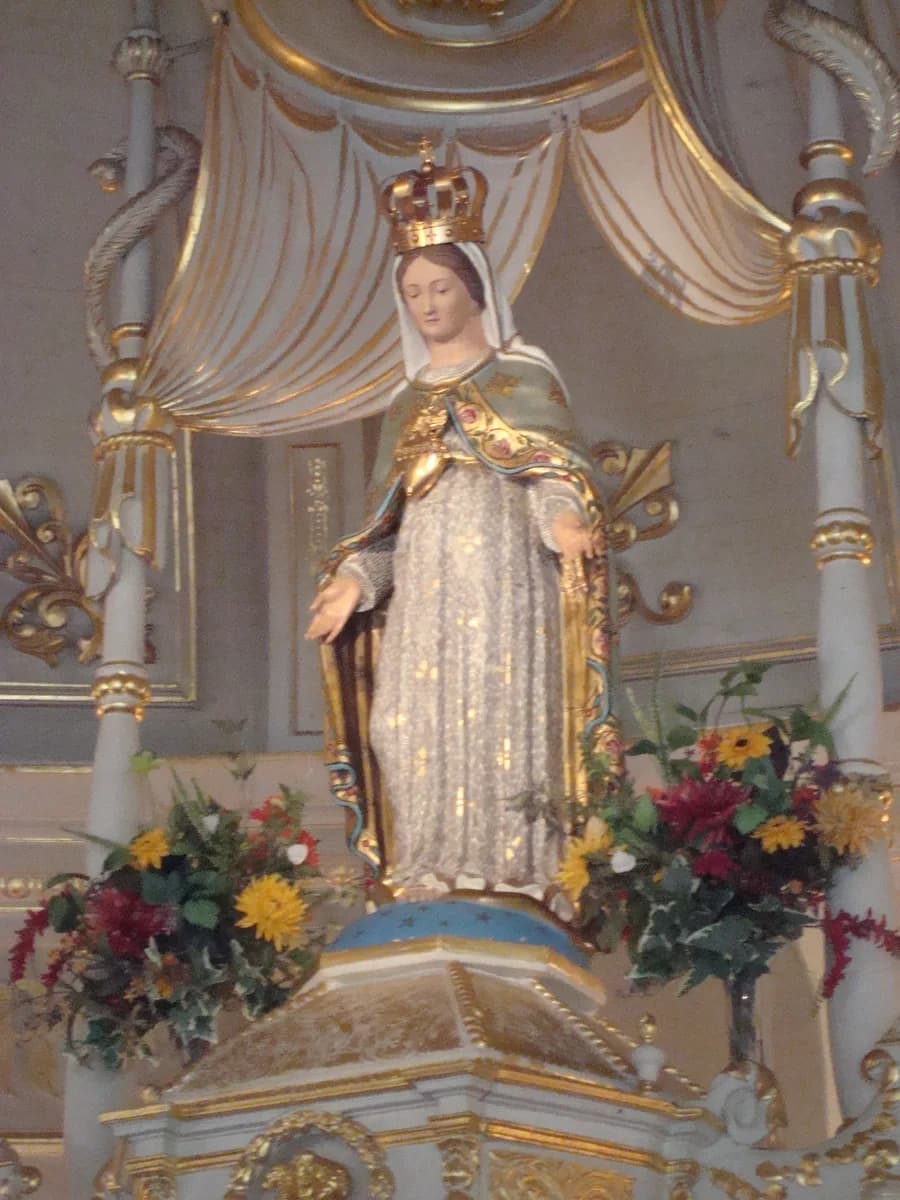
The second most important Marian shrine in North America after Our Lady of Guadalupe, this pilgrimage site welcomes more than 500,000 visitors annually around a 1717 votive chapel and a futuristic-looking modern basilica.
Address
Cap-de-la-Madeleine, Trois-Rivières (QC) G8T 7A1
Website
sanctuaire-ndc.caLearn more about Mauricie+
Summer and winter activities, tourist attractions, restaurants and accommodations — explore all that Mauricie has to offer.
Explore the region →🏨 Nearby accommodations
Accommodation nearby
Find a hotel in Trois-Rivières
Compare and book via Booking.com
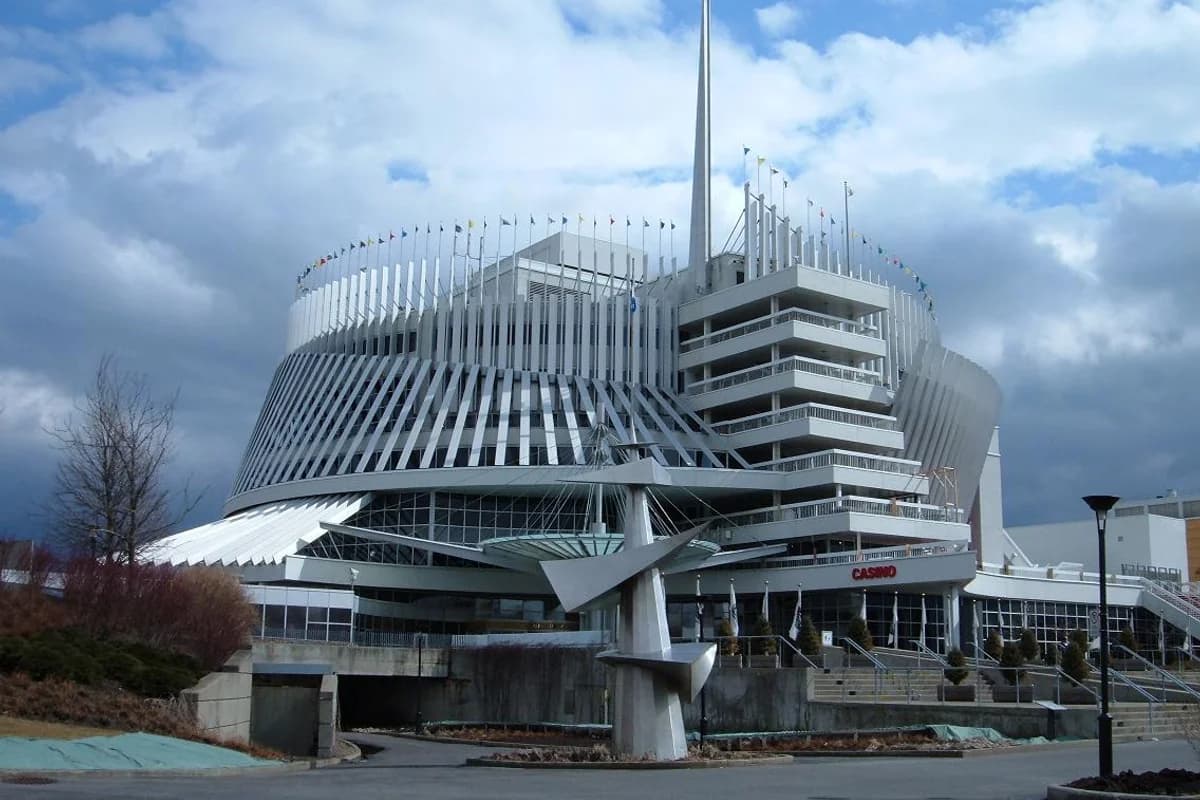
 🌟Casino / hippodrome📍 0.2 km
Hippodrome 3R
Casino / hippodrome · Concert, spectacle · Course / démonstration hippique · Dégustation · Visite guidée
 🏕️Centre récréatif / sportif📍 0.7 km
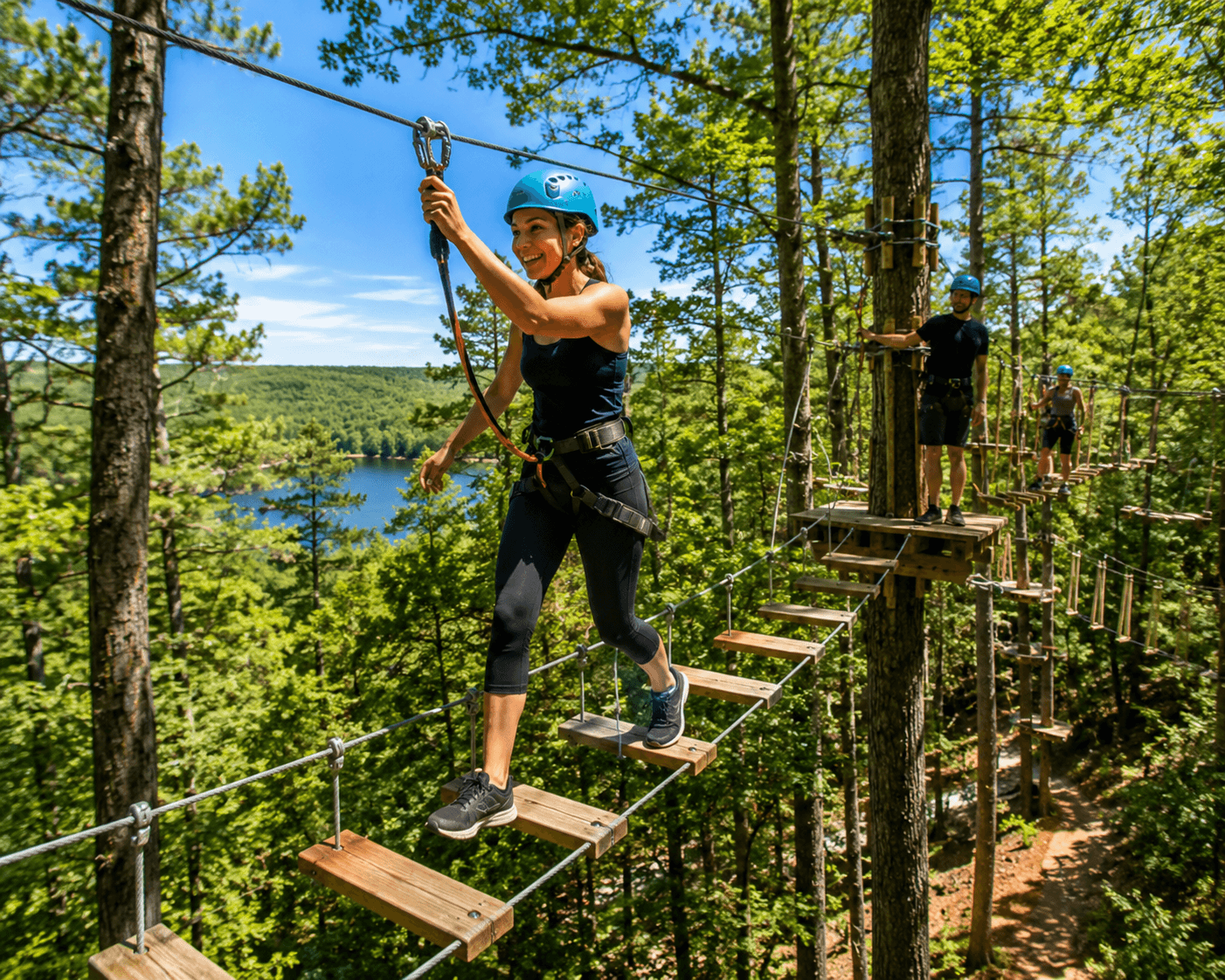
FOCUS Ninja Gym
Centre récréatif / sportif · Parcours aérien
 🏕️Centre récréatif / sportif📍 0.7 km
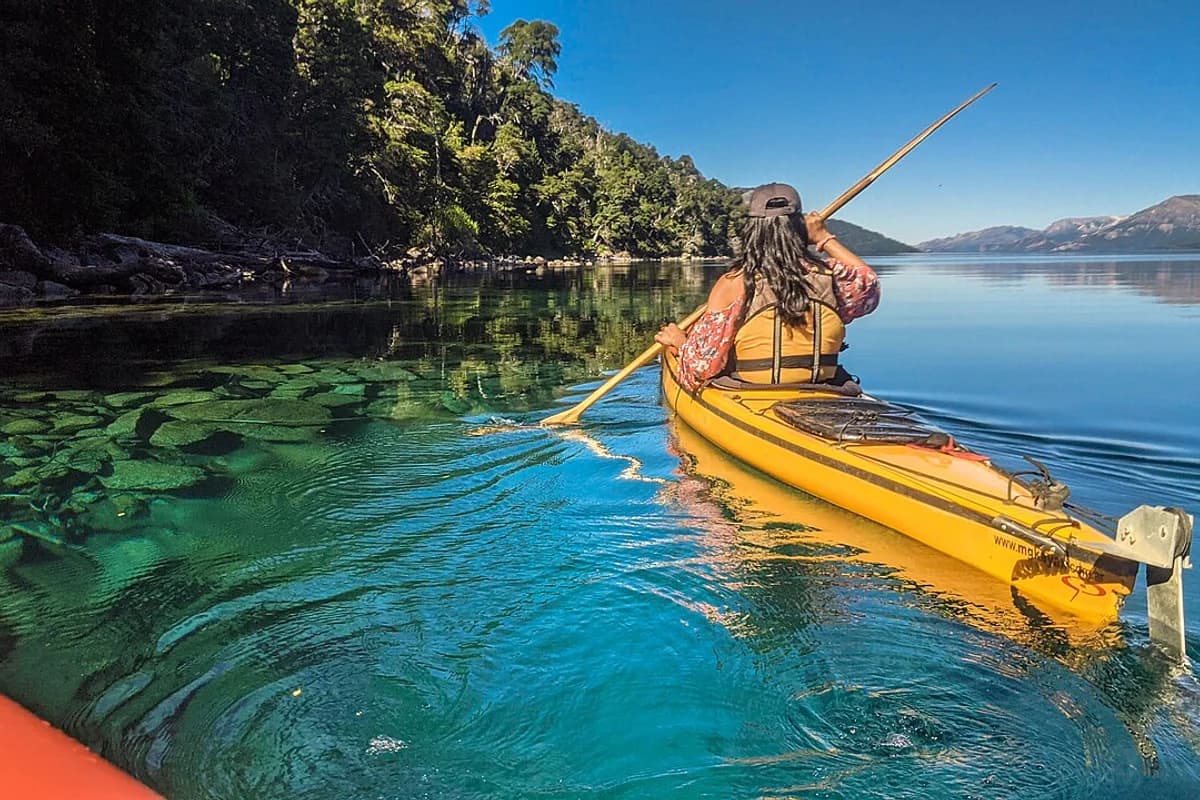
Les Aigles de Trois-Rivières
Centre récréatif / sportif
🏕️Sport d'aventure et de plein-air📍 0.8 kmEx Situ Expérience
Sport d'aventure et de plein-air
 🏕️Sport d'aventure et de plein-air📍 2.4 km
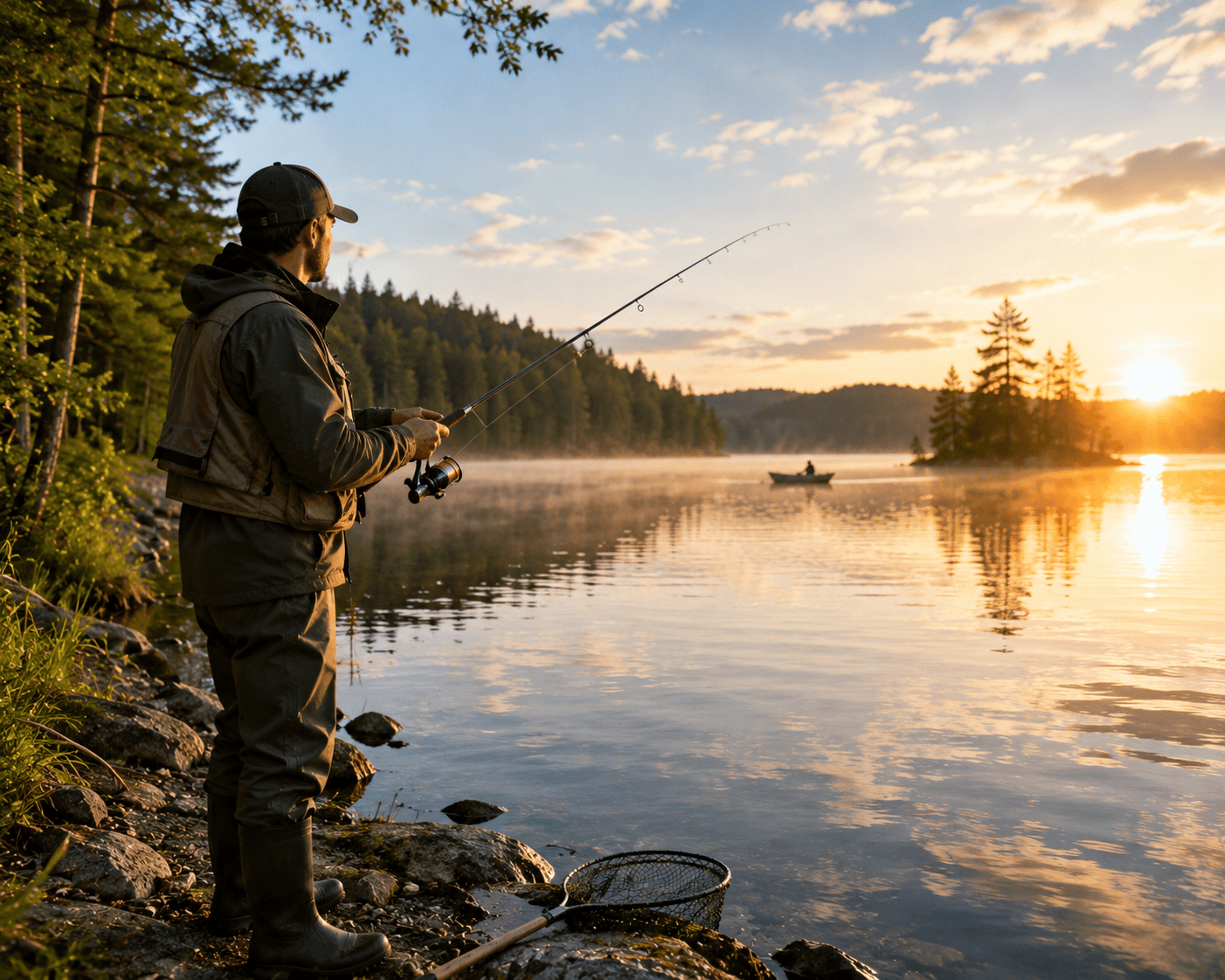
Maïkan Aventure
Sport d'aventure et de plein-air · Pêche · Randonnée pédestre · Raquette · Ski de fond · Ski de montagne / randonnée alpine · Interprétation / observa
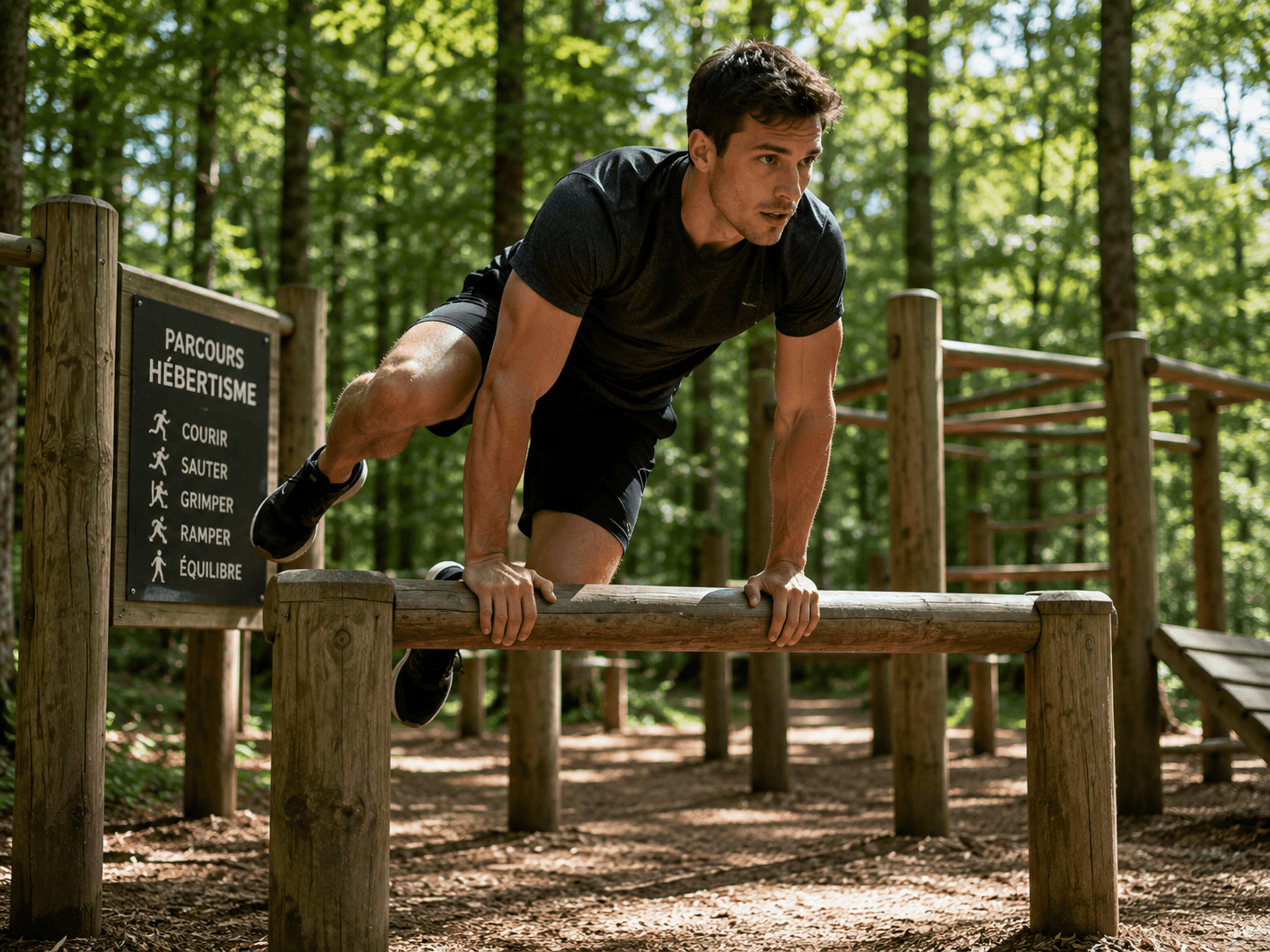 🏕️Centre récréatif / sportif📍 3.2 km
Adrénaline Urbaine
Centre récréatif / sportif · Hébertisme · Planche à roulettes · Ski alpin / planche à neige · Escalade sur paroi artificielle
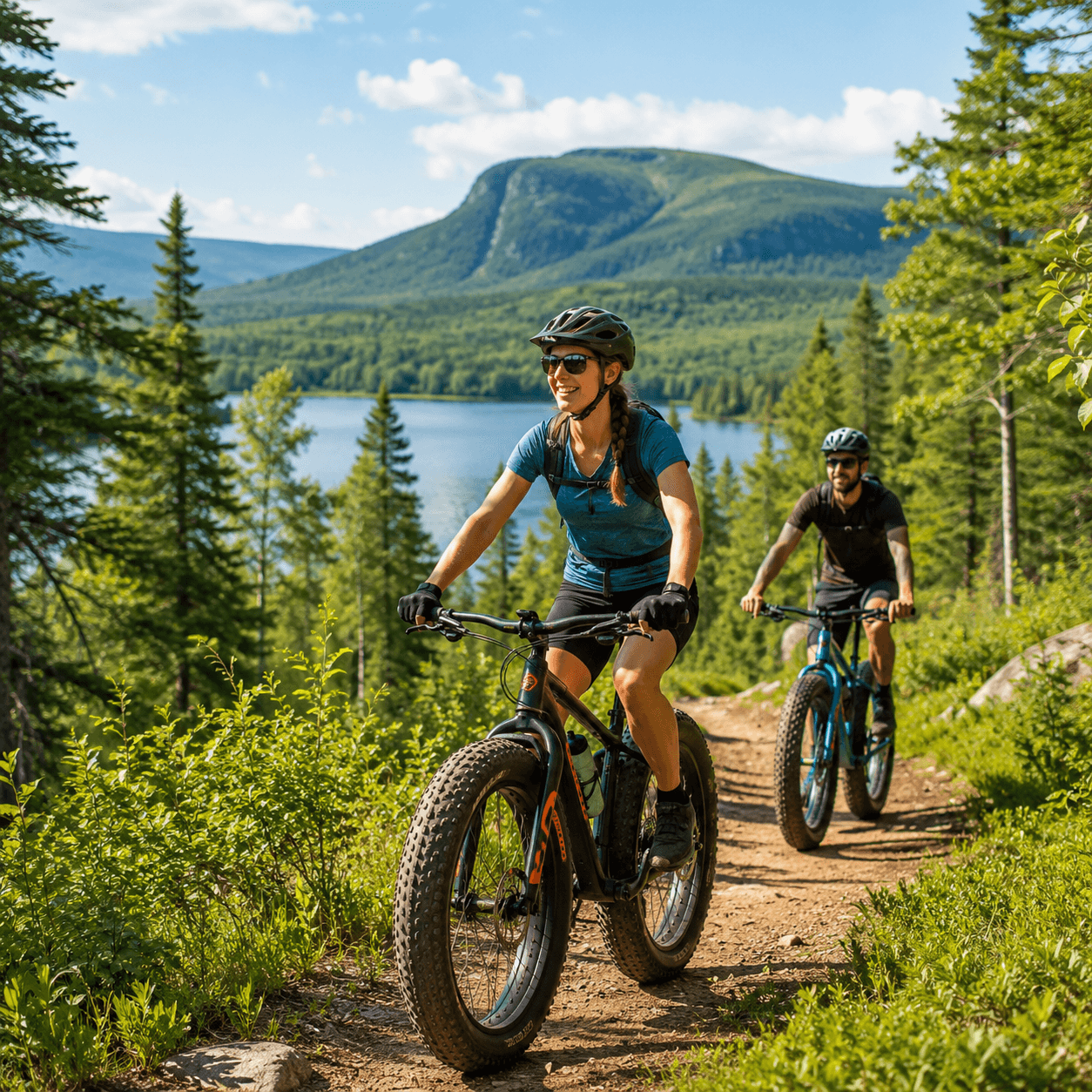 🌳Parc municipal📍 3.4 km
L'Île Saint-Quentin
Parc municipal · Fatbike · Patinage à roues alignées · Patinage sur glace · Randonnée pédestre · Raquette · Concert, spectacle · Films, projection · Inter
❄️Piste / sentier📍 4.6 kmÉnergie CMB
Piste / sentier · Fatbike · Randonnée pédestre · Raquette · Ski de fond
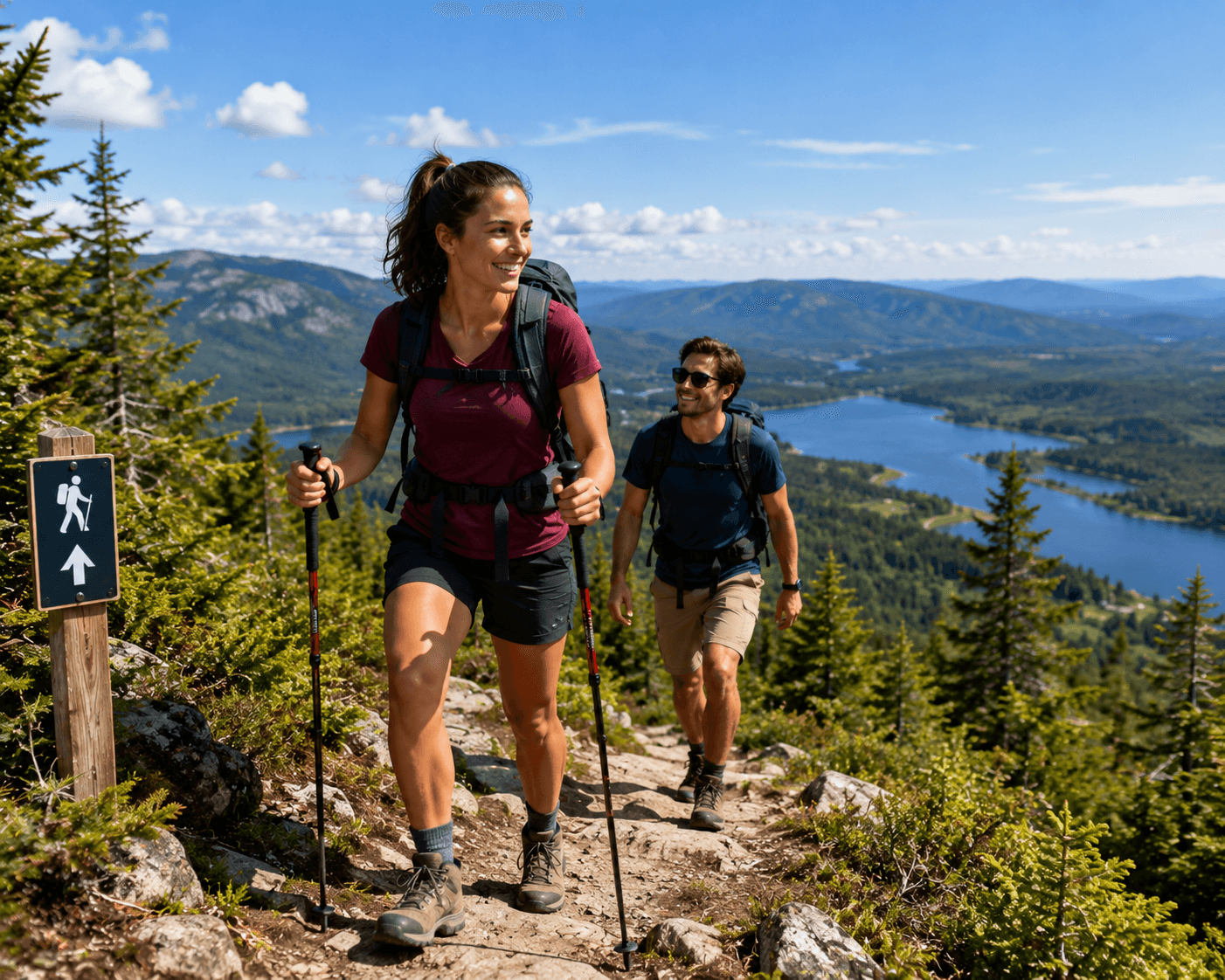 🌳Parc municipal📍 5.1 km
Parc écologique Godefroy
Parc municipal · Randonnée pédestre · Raquette · Animation pour enfants · Interprétation / observation de la nature