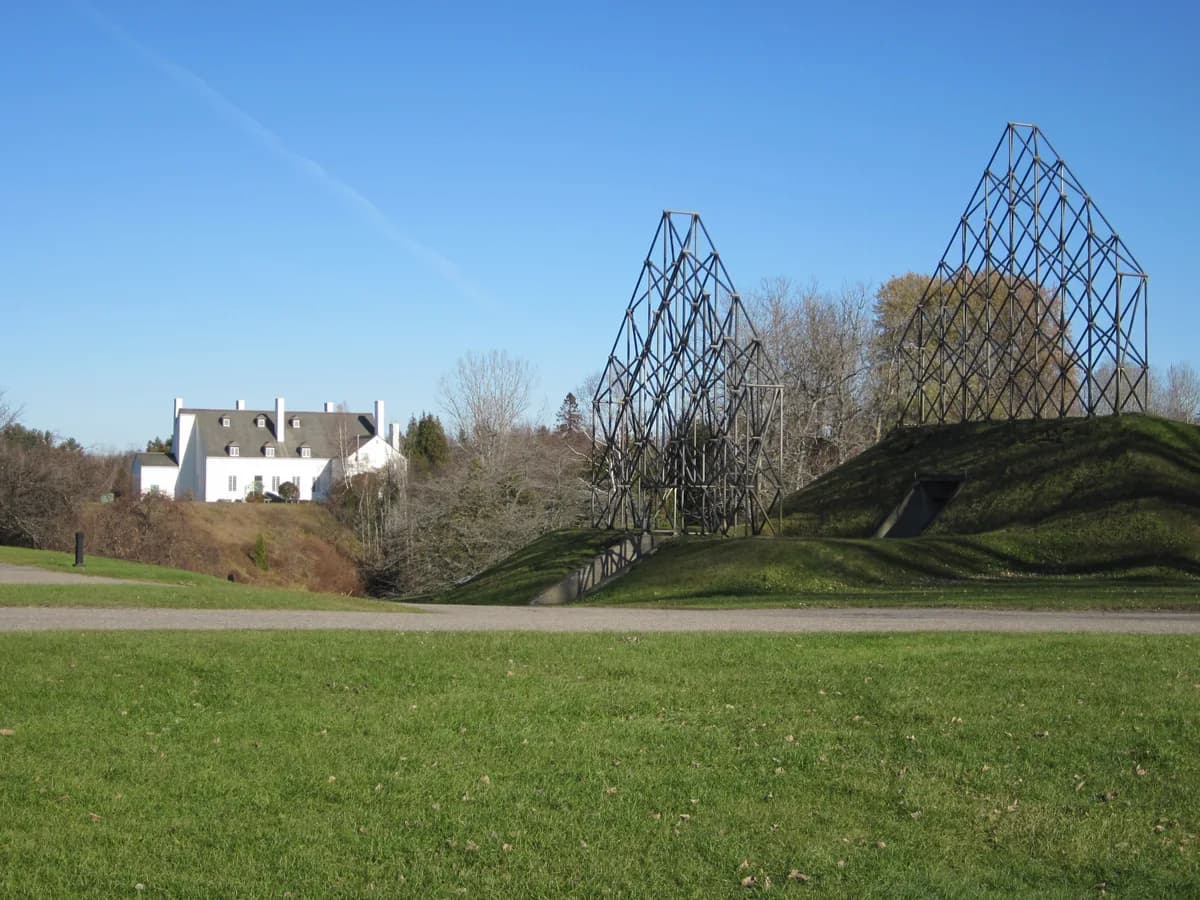
The birthplace of Canadian steelmaking, founded in 1730, this national site preserves the archaeological remains of North America's first blast furnaces, where iron and cast iron were produced from ore mined in the surrounding marshes.
Address
10000, boulevard des Forges, Trois-Rivières (QC) G8T 8A1
Learn more about Mauricie+
Summer and winter activities, tourist attractions, restaurants and accommodations — explore all that Mauricie has to offer.
Explore the region →🏨 Nearby accommodations
Accommodation nearby
Find a hotel in Trois-Rivières
Compare and book via Booking.com
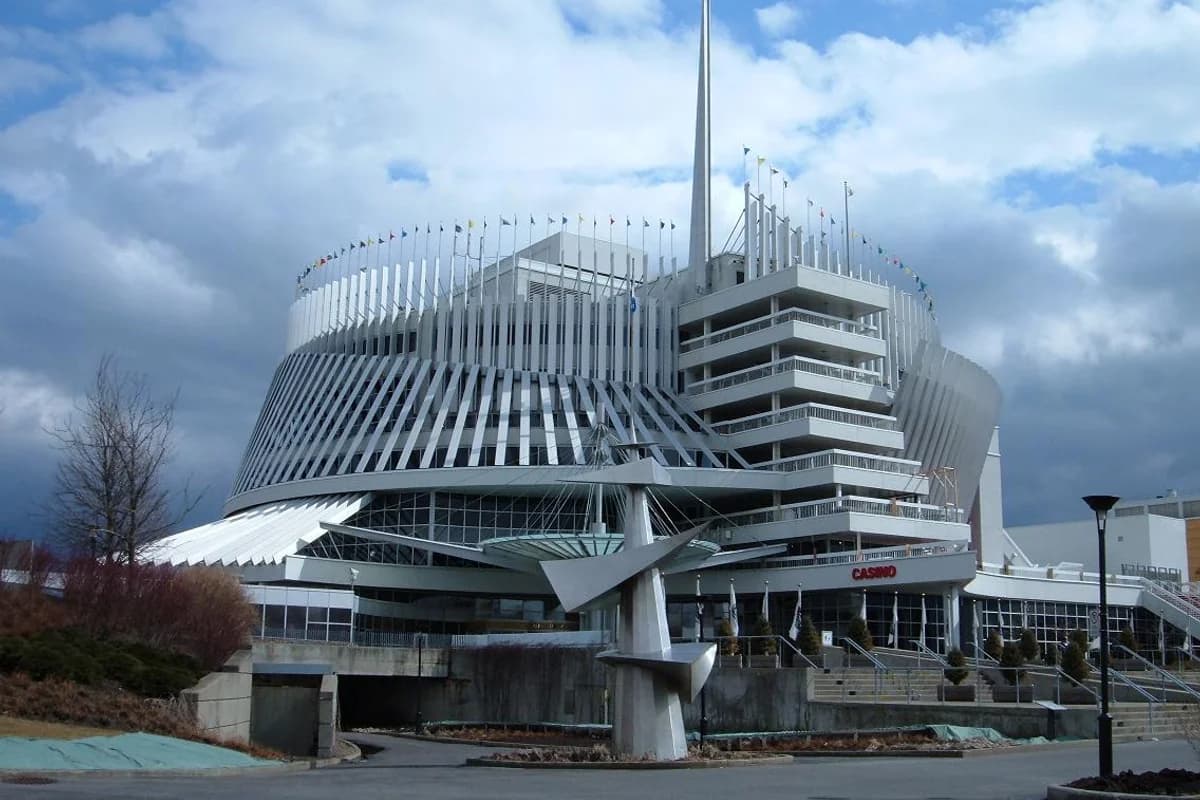
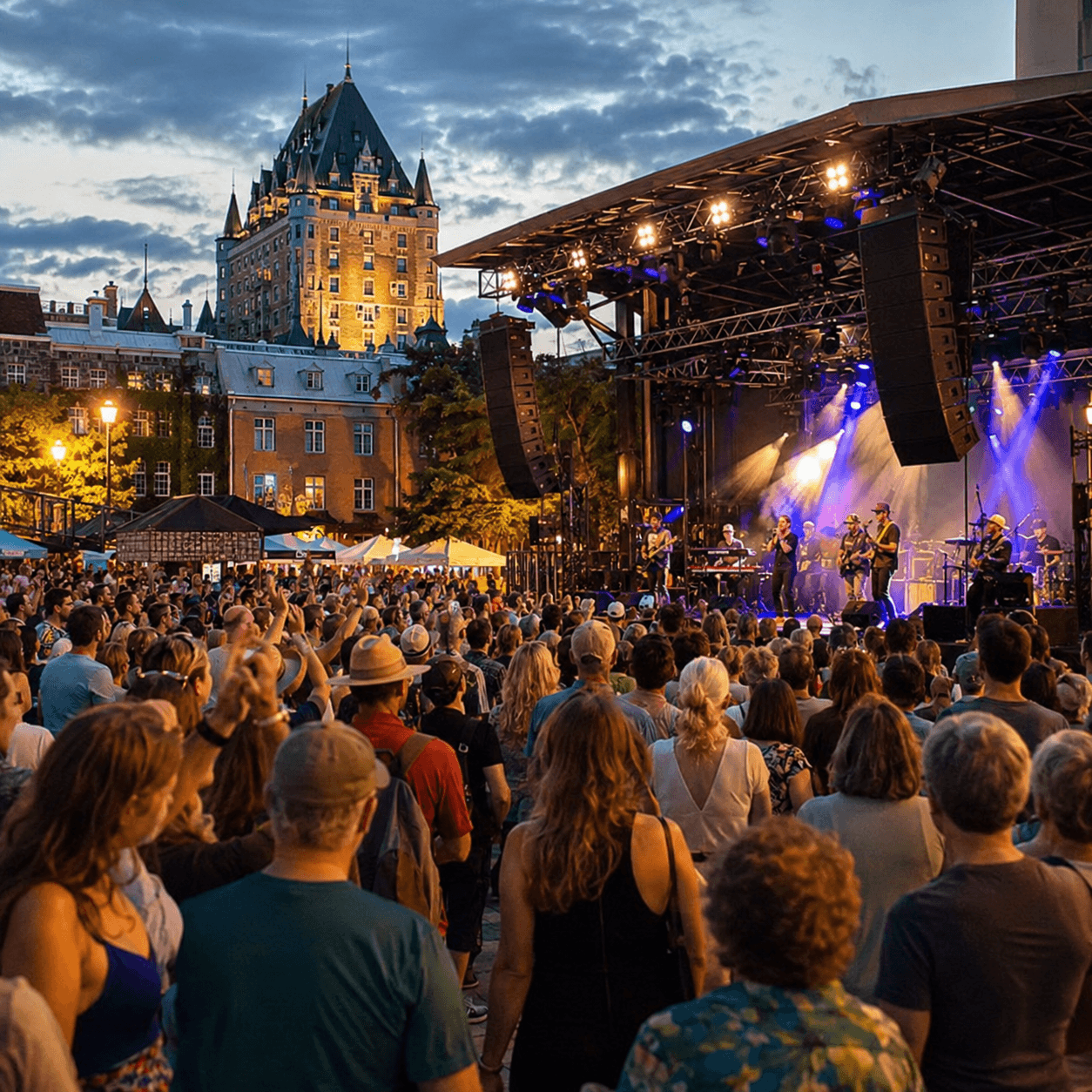 🌟Casino / hippodrome📍 0.2 km
Hippodrome 3R
Casino / hippodrome · Concert, spectacle · Course / démonstration hippique · Dégustation · Visite guidée
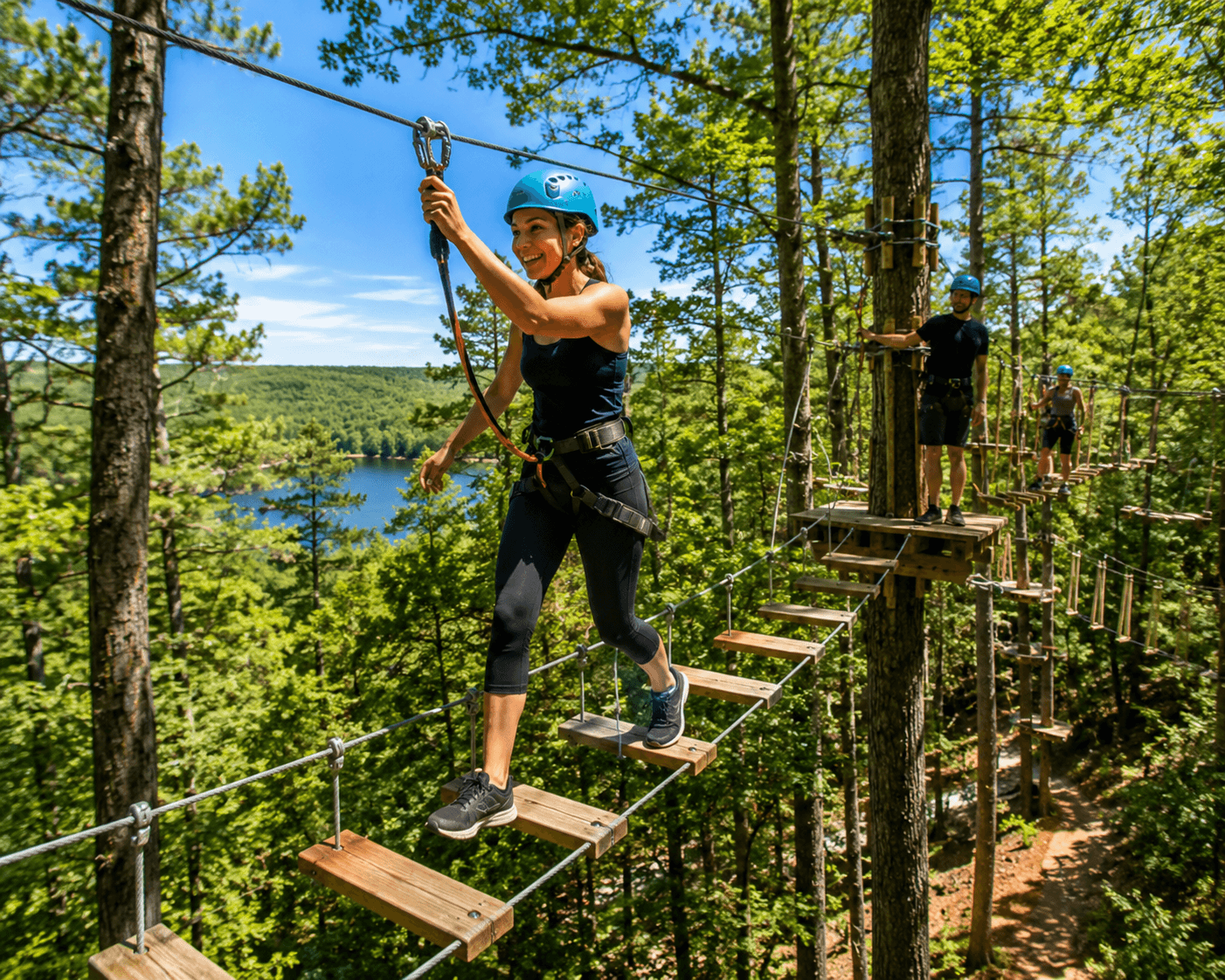 🏕️Centre récréatif / sportif📍 0.7 km
FOCUS Ninja Gym
Centre récréatif / sportif · Parcours aérien
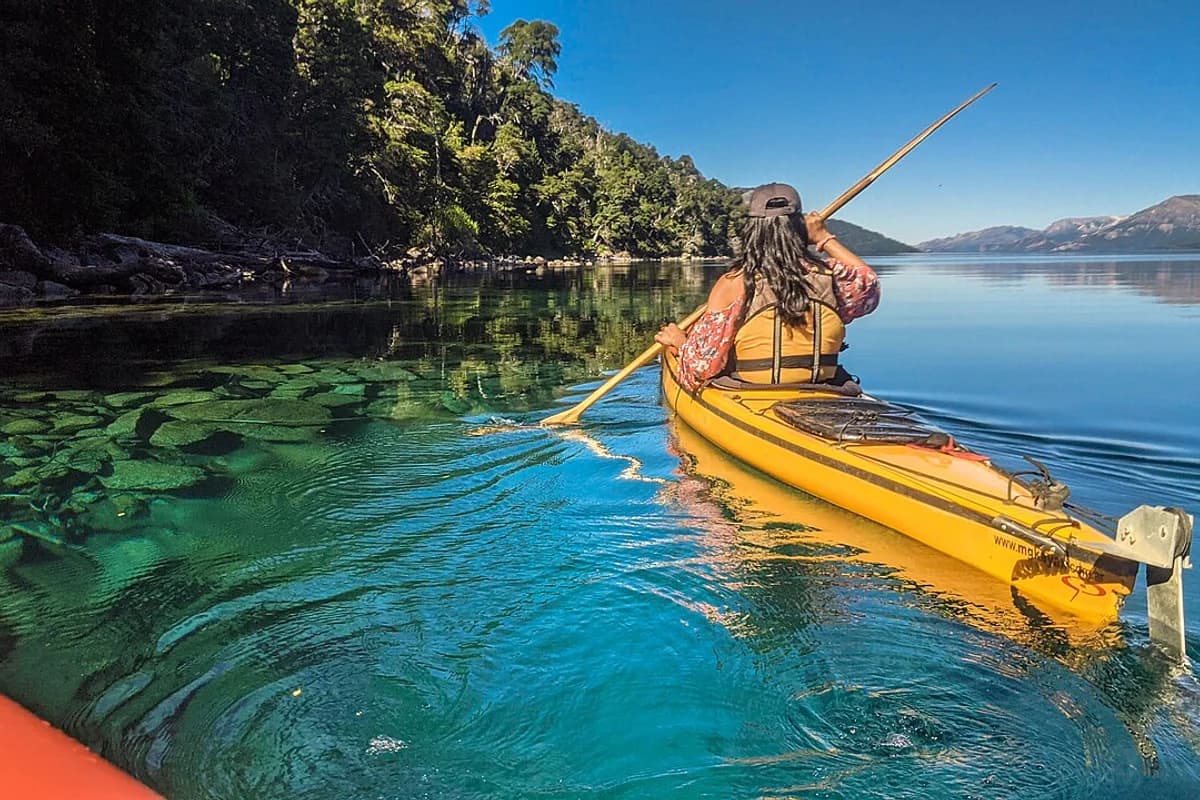 🏕️Centre récréatif / sportif📍 0.7 km
Les Aigles de Trois-Rivières
Centre récréatif / sportif
🏕️Sport d'aventure et de plein-air📍 0.8 kmEx Situ Expérience
Sport d'aventure et de plein-air
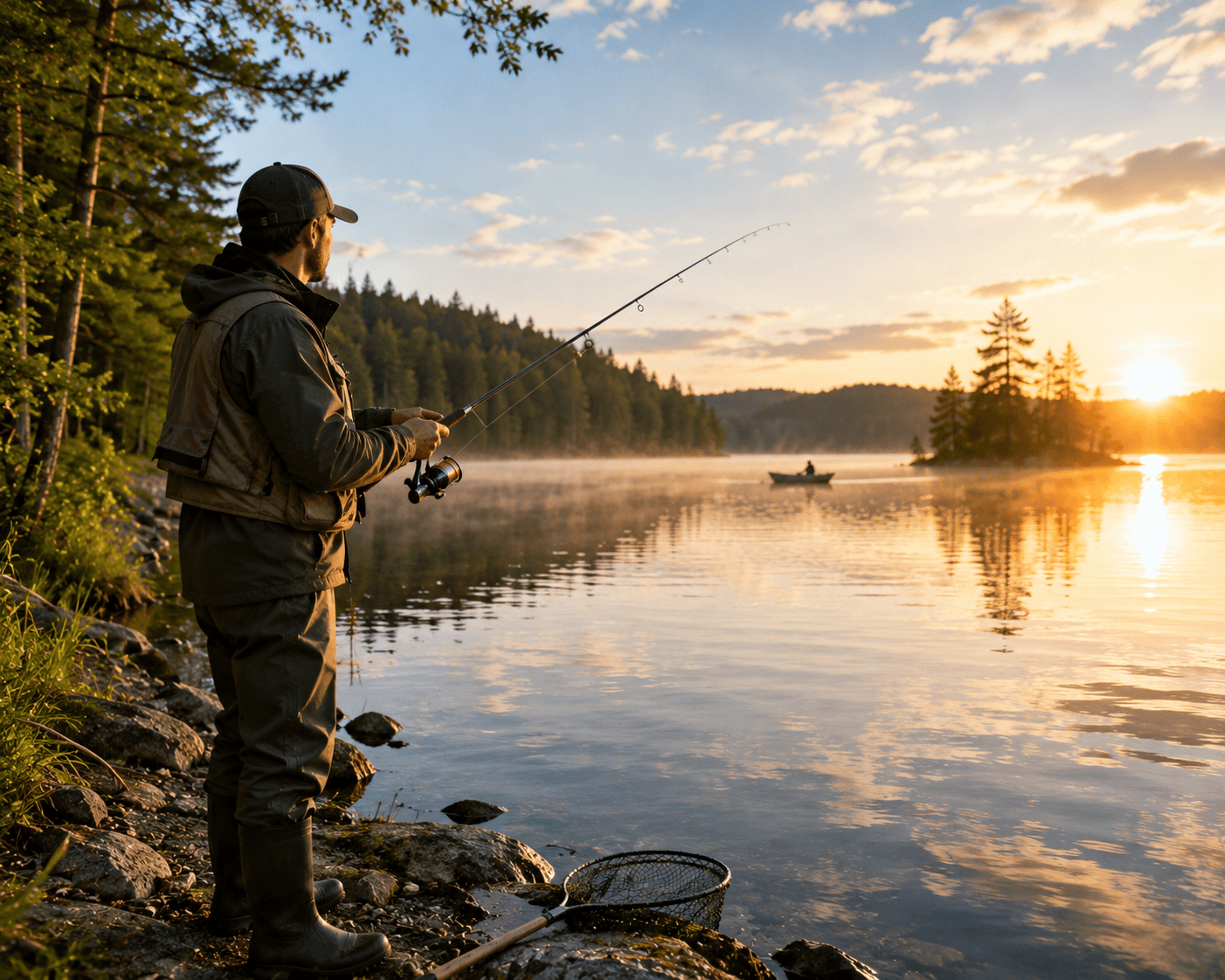 🏕️Sport d'aventure et de plein-air📍 2.4 km
Maïkan Aventure
Sport d'aventure et de plein-air · Pêche · Randonnée pédestre · Raquette · Ski de fond · Ski de montagne / randonnée alpine · Interprétation / observa
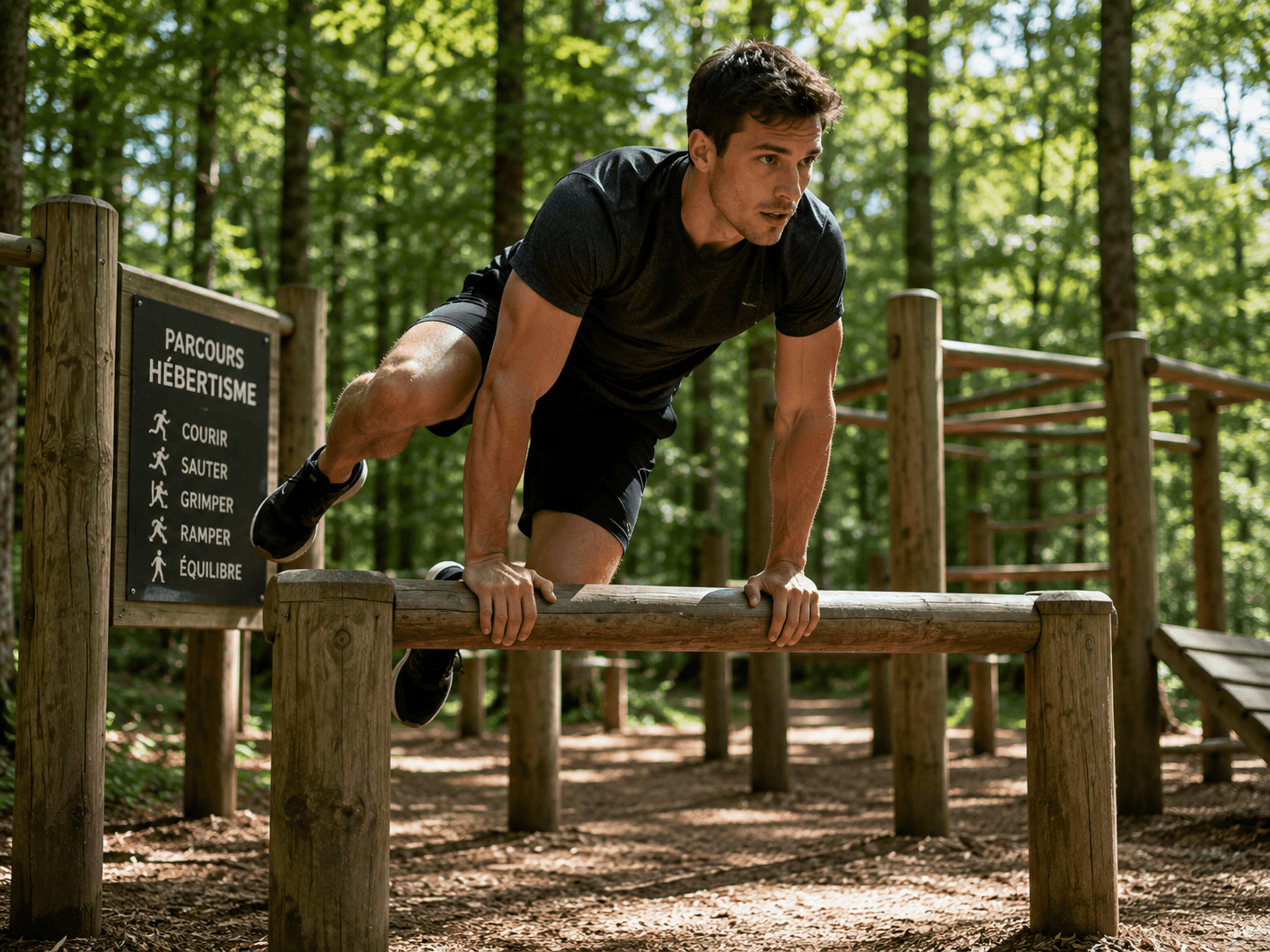 🏕️Centre récréatif / sportif📍 3.2 km
Adrénaline Urbaine
Centre récréatif / sportif · Hébertisme · Planche à roulettes · Ski alpin / planche à neige · Escalade sur paroi artificielle
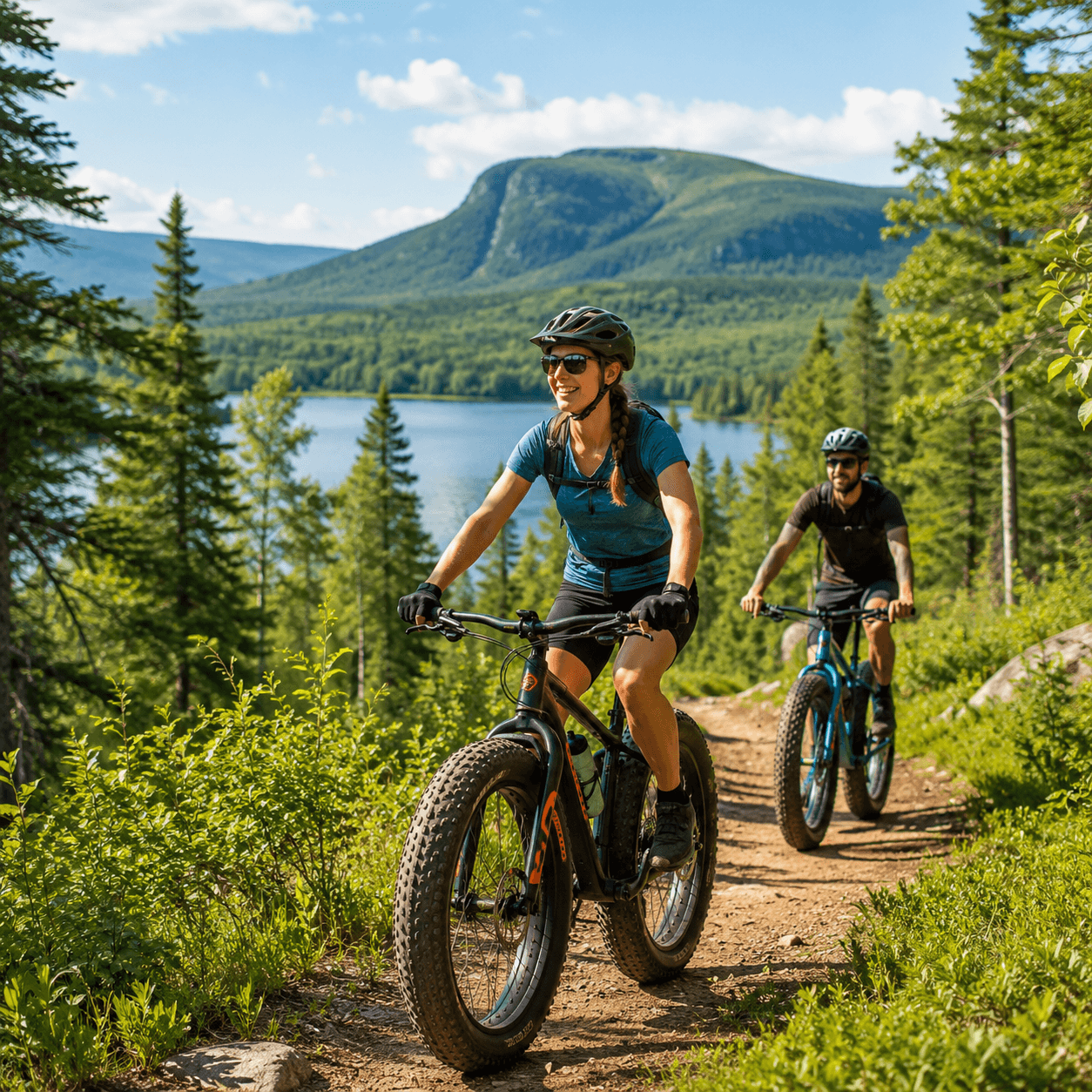 🌳Parc municipal📍 3.4 km
L'Île Saint-Quentin
Parc municipal · Fatbike · Patinage à roues alignées · Patinage sur glace · Randonnée pédestre · Raquette · Concert, spectacle · Films, projection · Inter
❄️Piste / sentier📍 4.6 kmÉnergie CMB
Piste / sentier · Fatbike · Randonnée pédestre · Raquette · Ski de fond
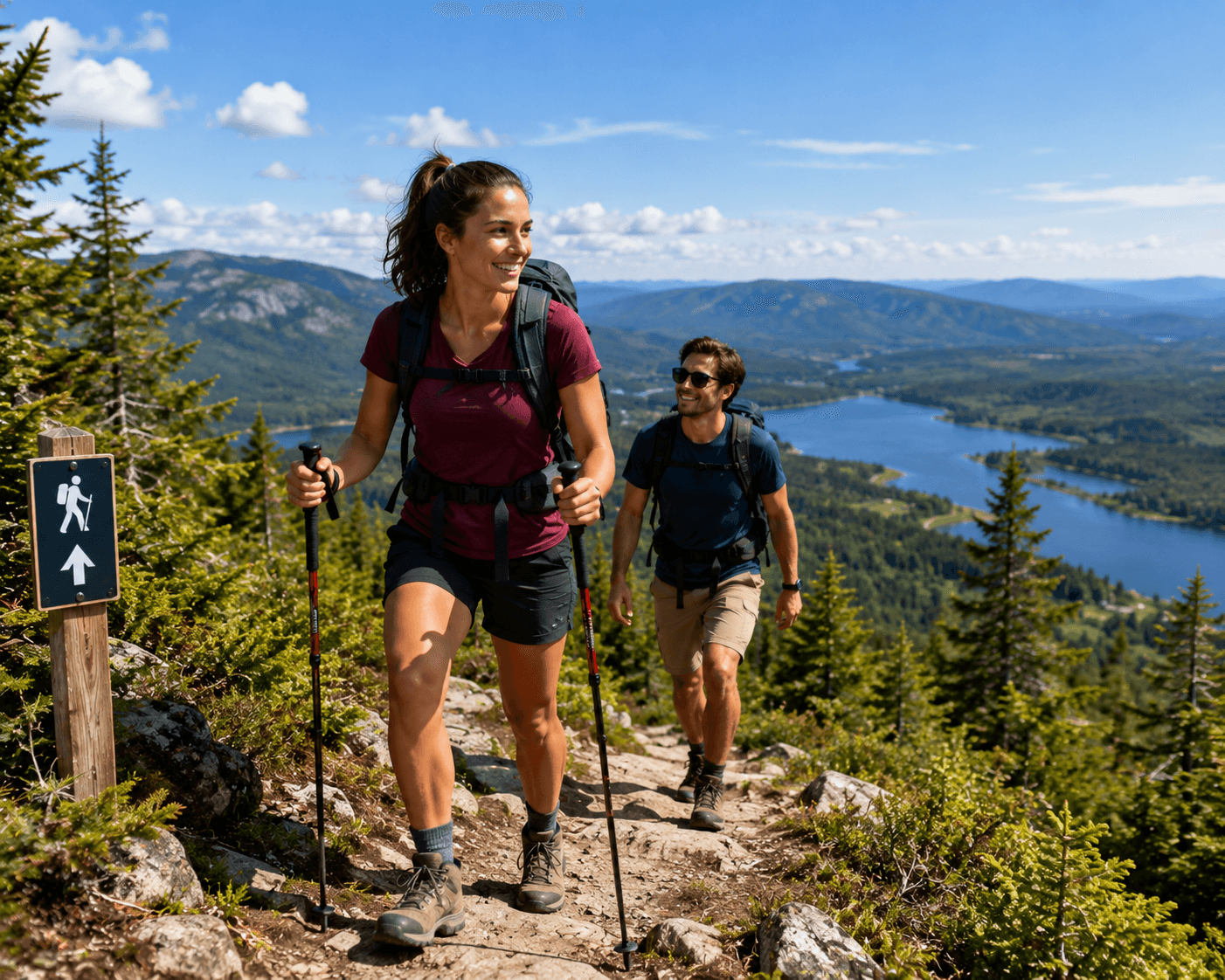 🌳Parc municipal📍 5.1 km
Parc écologique Godefroy
Parc municipal · Randonnée pédestre · Raquette · Animation pour enfants · Interprétation / observation de la nature